Hepper is reader-supported. When you buy via links on our site, we may earn an affiliate commission at no cost to you. Learn more.
How to Crate Train a Great Dane - 11 Tips That Work
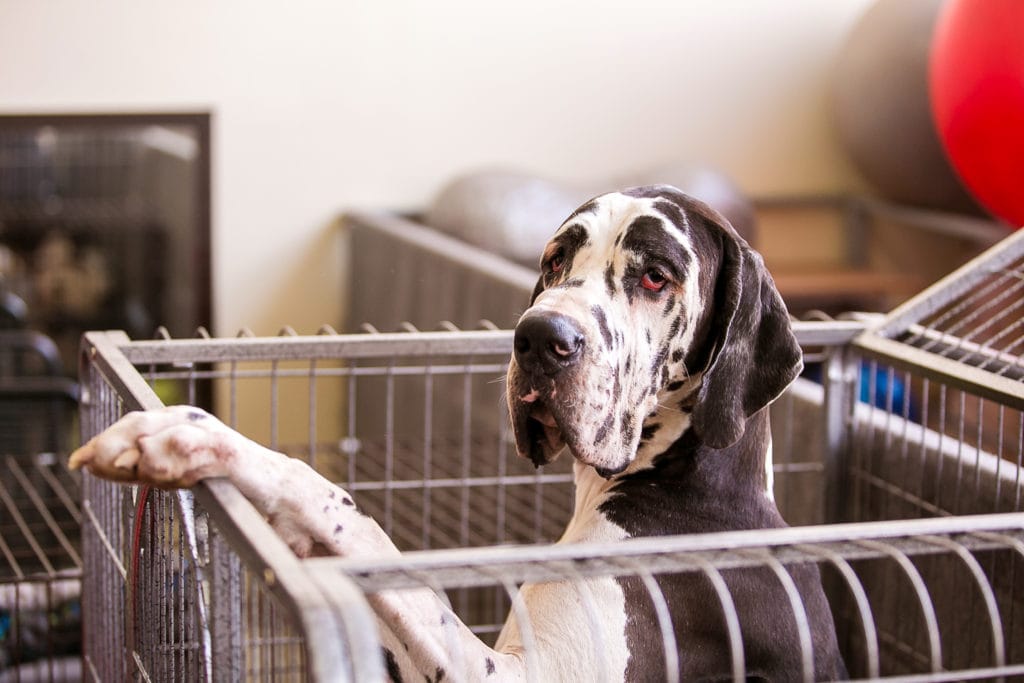
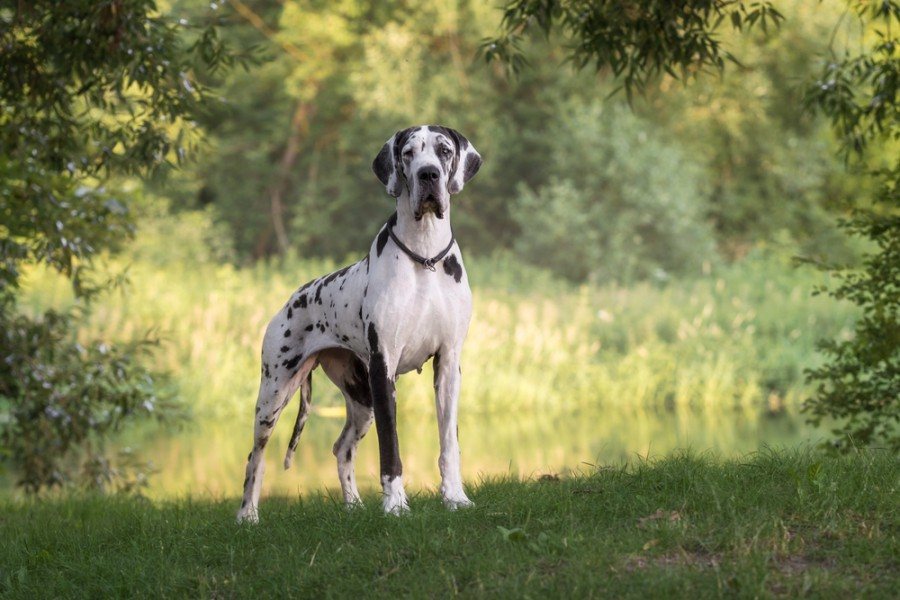
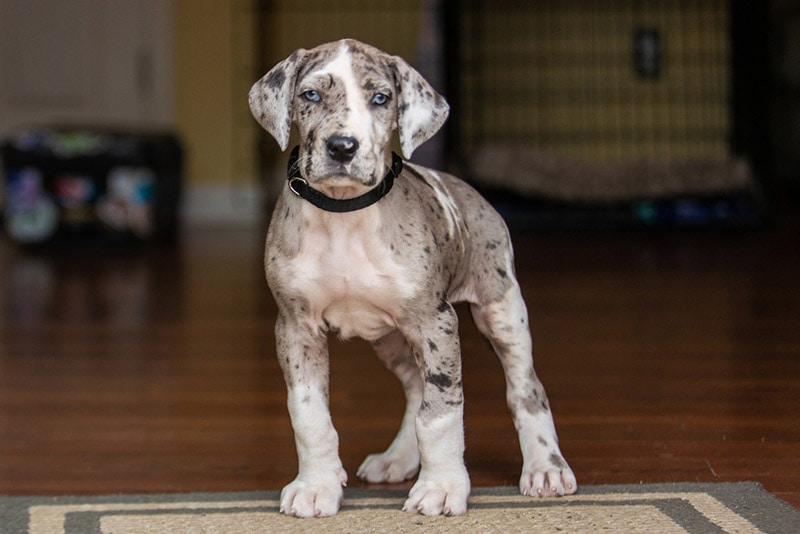
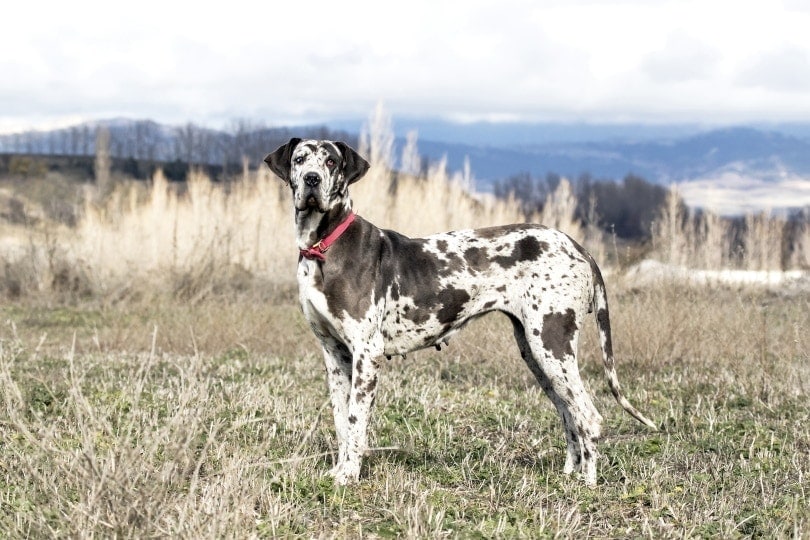
Great Danes are wonderful dogs that are pretty popular, but they aren’t for everyone. These giants can be challenging to train and manage once they reach their full adult size, so it’s important to start training your Dane while they’re still young.
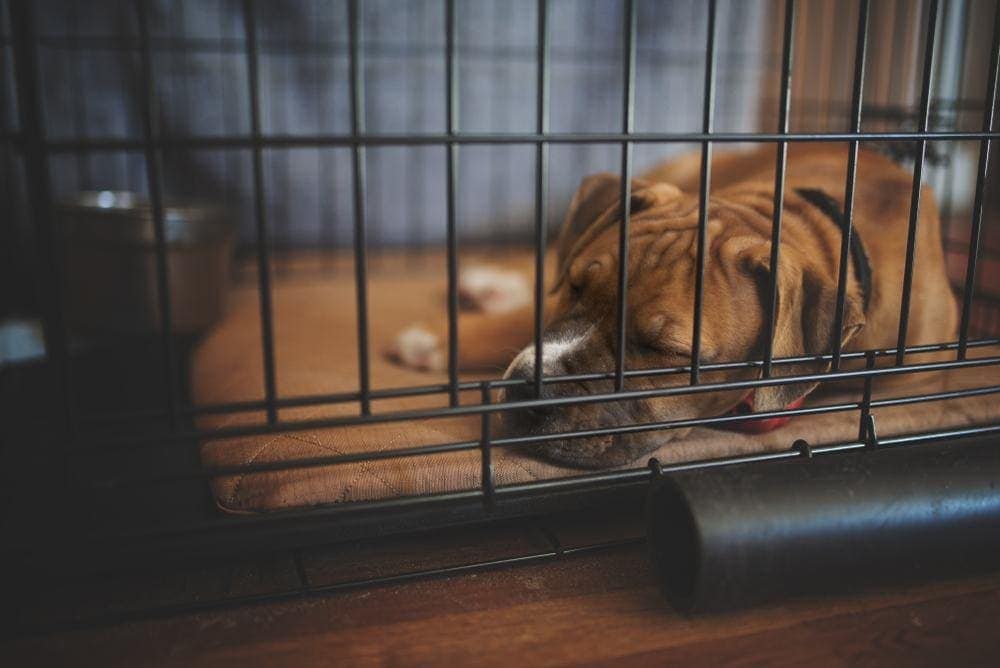
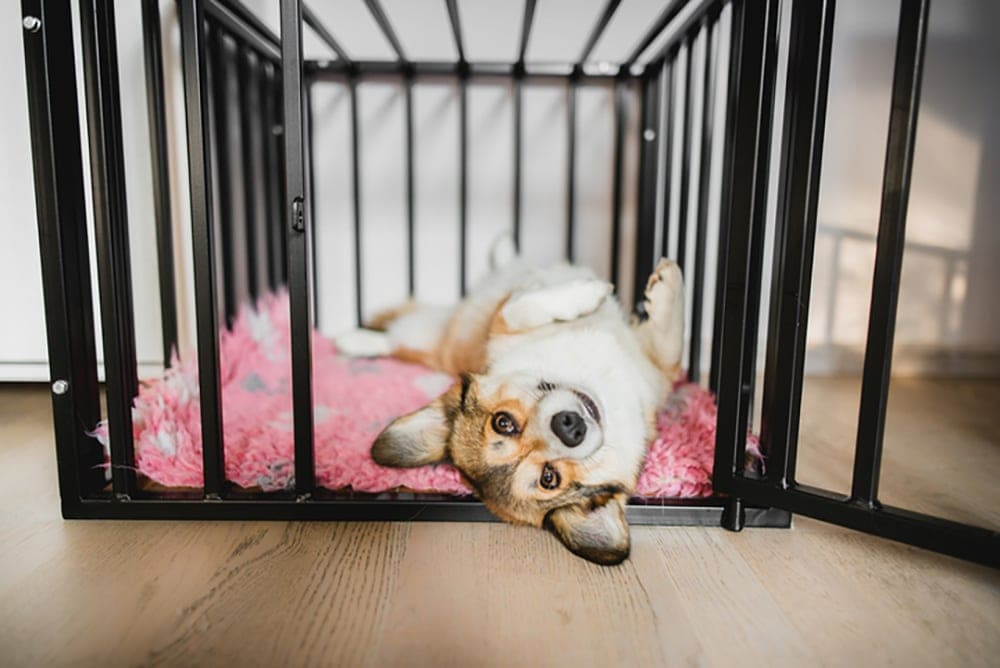
Crate training is one of the most important skills you can teach your Great Dane, regardless of their age, but it’s usually much easier to teach to young dogs than older dogs that may already have negative associations with crates, cages, and enclosed spaces.
A crate can be used to keep your dog safe by keeping them out of dangerous situations, and they also provide dogs with a safe place they associate with being their own spot. To set your Dane up for success, follow these tips for crate training.

The 11 Tips to Crate Train a Great Dane
1. Choose the Right Crate
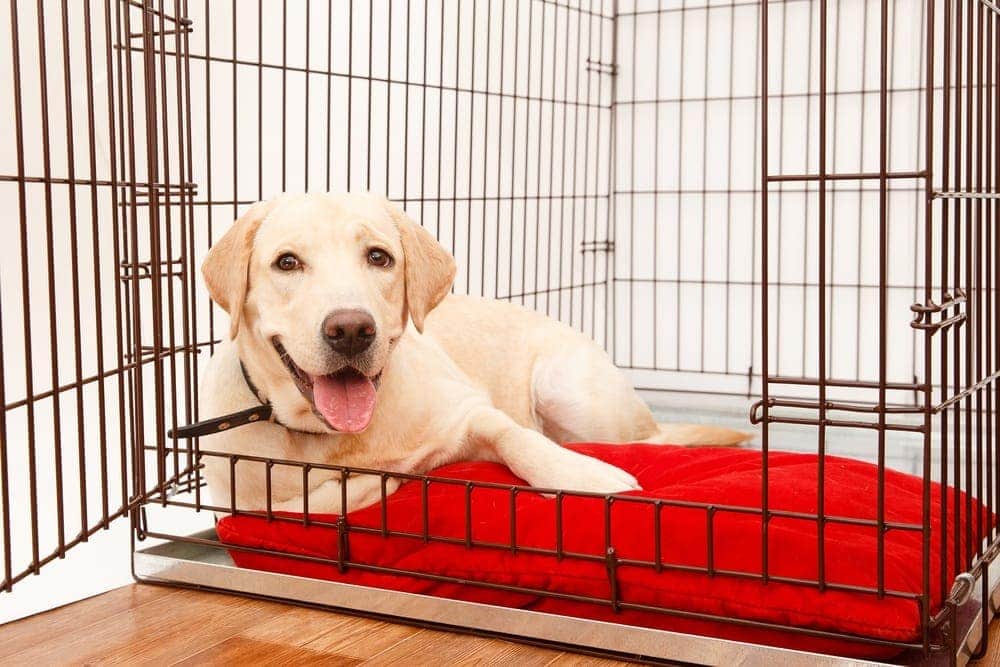
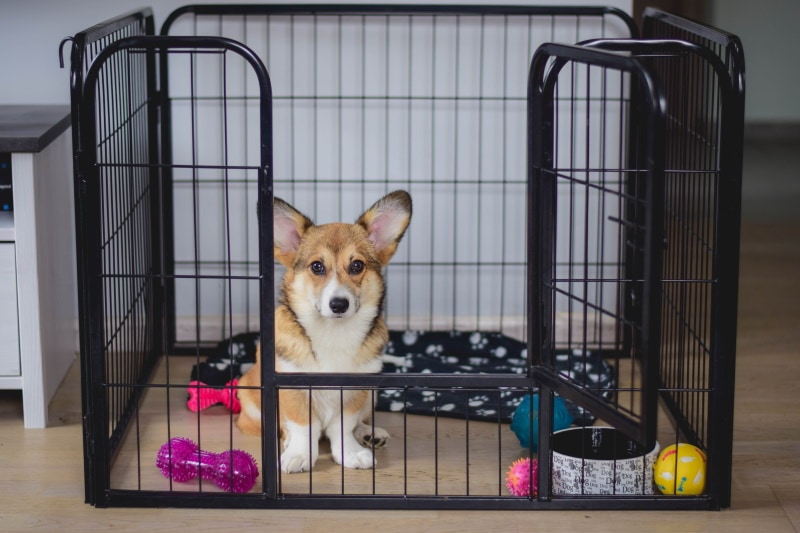
The right crate can make all the difference in training your puppy, and picking the right crate from the start can save you money down the road. It’s generally recommended to purchase a crate that will be the appropriate size when your puppy is fully grown. You will be able to get a crate divider to make the crate an appropriate size for your puppy while having plenty of room for growth.
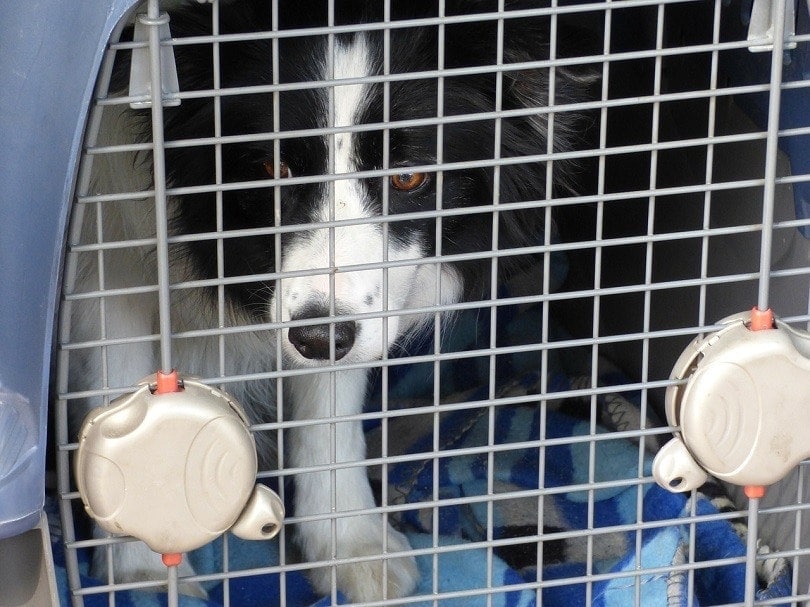
The best crate for your Great Dane is a crate that has plenty of ventilation, like a wire crate. Usually, you’ll need an XXL crate for an adult Great Dane. Purchasing a crate that will fit your pup when they’re grown is also beneficial because it will allow your dog to retain their safe space that is already well established in their mind.

2. Choose the Right Spot
The spot you put your dog’s crate can make or break the training process. If the crate is in an uncomfortable place, like right underneath an air vent or in a place that gets direct afternoon sun, then your pup will be less likely to take to the crate.
It’s important to put the crate in a place that will allow your Great Dane to be social and feel like they’re a part of the family. Your puppy is going to be far more likely to happily accept the crate if it’s in a place that allows them to feel comfy and safe, without feeling isolated.
You should also avoid placing the crate somewhere that gives your pup unfettered views of the outdoors, like in front of a window, since this can encourage unwanted behaviors, like obsessing over doors and windows and excessive barking.
3. Create Positive Associations
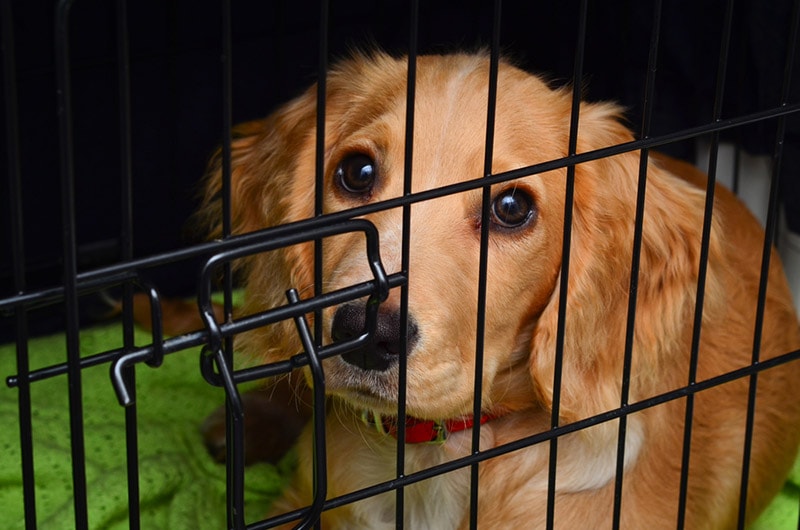
The crate should always retain a positive association for your dog. They should always feel like the crate is their own space that is safe and comfortable, much like a den for a wild dog. If you don’t start providing positive associations with the crate, then your Great Dane may be fearful and resistant to entering the crate.
Creating positive associations usually starts by placing high-value rewards, like tasty treats or a favorite toy, inside the crate and encouraging your dog to go get it. If you make it a game, your puppy will be more receptive. You can also use this game to teach your dog commands for entering and exiting the crate. You want your dog to enter their kennel on command eventually, so start using these commands every time your pup goes in and out, even when it’s part of the game.
If you need help with training your dog, we suggest speaking with a vet online.
4. Positive Reinforcement
Positive reinforcement is one of the best tools in your arsenal when it comes to training your dog to do anything, including crate training. Positive reinforcement can come in the form of praise or reward.
As your puppy learns to enter the crate on command, provide positive reinforcement to encourage the behavior to continue. You should even provide positive reinforcement of behaviors that you didn’t command your Great Dane to do, like entering the crate on their own. It doesn’t always have to be a whole song and dance, but by encouraging good behavior, your puppy is more likely to continue doing them.
5. Start Slow
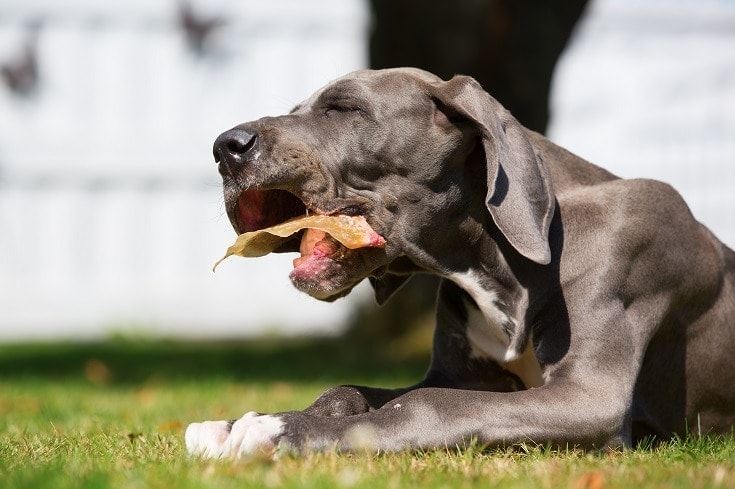
Crate training can be a very slow process but rushing things will only lead to stress and discomfort for your pup. If you start attempting to force them into the kennel early on, it will make them less receptive to training and positive rewards.
While many breeders introduce puppies to crates before they go to their permanent homes, it isn’t realistic to expect your new puppy to immediately take to the crate from day one. It is a process that requires lots of patience and understanding with your dog.
Also, your puppy should not be left in the crate longer than they’re able to hold their bladder. By forcing them to stay in their crate longer than they’re able, you may be unintentionally encouraging bad behaviors, like barking and whining or pottying indoors.
6. Take Them Out to Potty After Crating
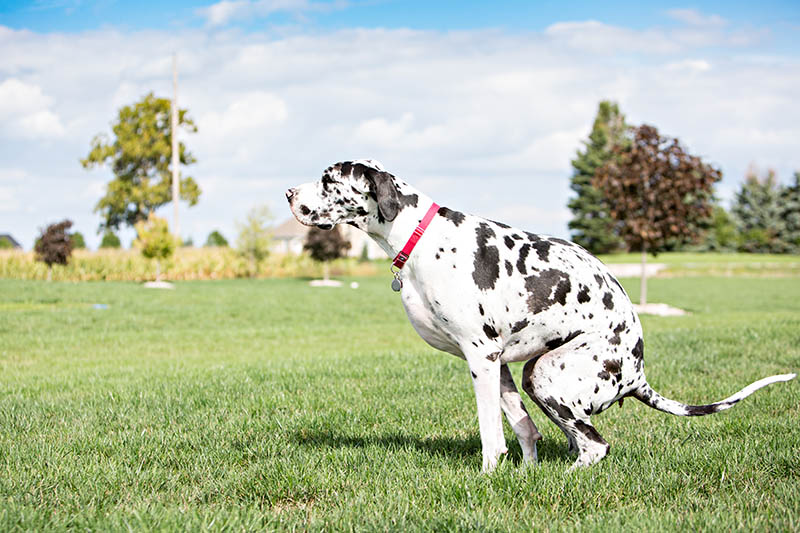
The first thing you should do when you let your puppy out of the crate is to take them straight outside to potty. This is especially important with puppies since they cannot hold their bladders very long. Adult dogs usually can spend short periods in their crate and then come out without needing a bathroom break.
Puppies, on the other hand, likely need a trip outside as soon as they leave their crate. If you don’t take them out, you are risking accidents in the home. This can lead to negative associations with going in and out of the crate, which may make your pup reluctant to use the crate, even on command. A trip outside to go potty before going in the crate is a good idea for young puppies that can only hold their bladder for 1–2 hours.
7. Make the Crate Safe
Safety is one of the main reasons you should be using a crate, since they are capable of keeping your dog out of dangerous situations, like getting into toxins, dangerous foods, and foreign bodies. If your Great Dane’s crate isn’t safe, though, then you are still risking your pup’s safety.
The crate should be comfortable but minimal. Provide your puppy with a crate mat or soft bedding of some sort. In some cases, you may need to come up with alternatives if your puppy is a big chewer or tries to eat everything.
Aim for the least amount of bedding that will still keep your puppy warm and comfortable. If you overstuff their crate with lots of fluffy bedding, the risk of choking and foreign bodies increases, and this can sometimes provide enough absorption to allow your pup to “get away with” pottying in the crate. If needed, you can put puppy pads underneath the thin layer of bedding.
Limit the number of toys you leave with your puppy when unattended in the crate since toys can quickly become foreign bodies.
8. Don’t Overuse the Crate
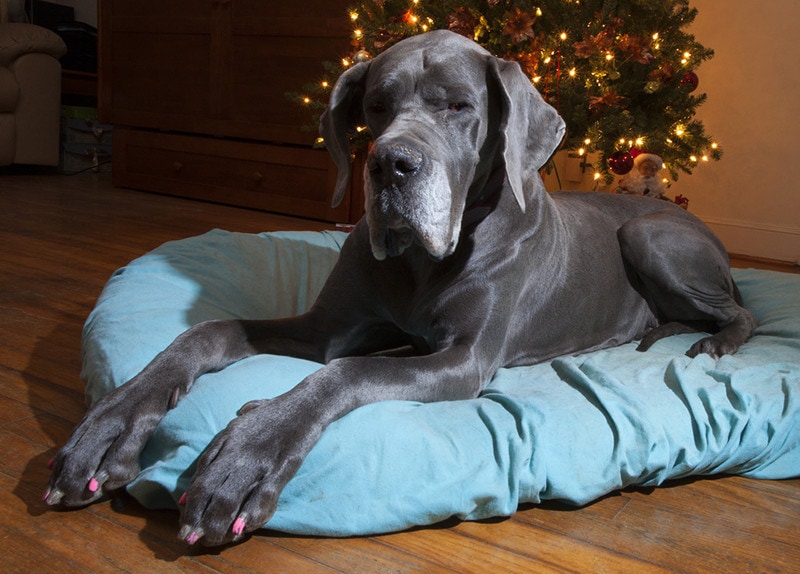
Overusing the crate can cause anxiety and stress for your Great Dane when they are put into it, and it can also have a negative effect on physical development. Since a crate will limit the amount of space your puppy has to move around, it can negatively impact the growth and development of the hips, elbows, and other joints. It can also lead to frustration and boredom when your dog is left in the crate for hours on end.
While many adult dogs can stand staying in their crate during a typical workday, your dog shouldn’t be expected to stay in their crate for more than that on an average day. The younger your pup, the less amount of time they should be fully confined to the crate. If your dog chooses to enter and exit the crate for naps or playtime, that’s a good habit for them to be in, and they should be allowed to do this without being closed in the crate when possible.
9. Feed Meals in the Crate
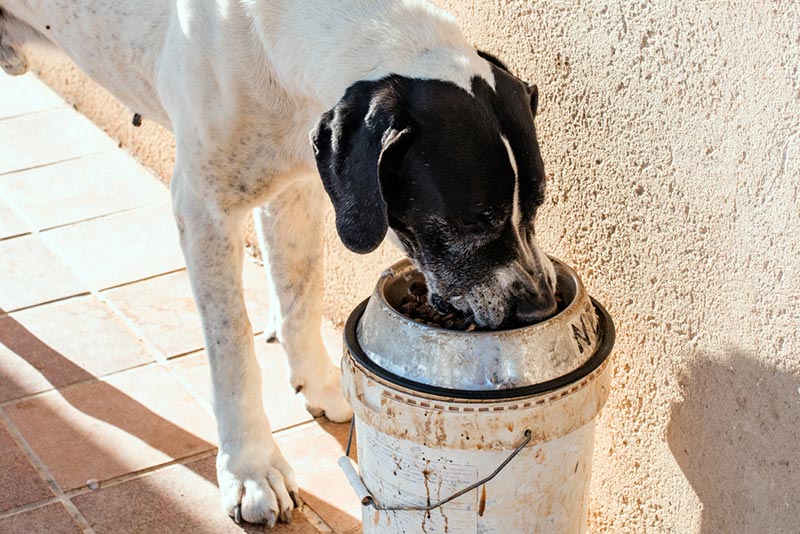
This is kind of an extension of using positive reinforcement to encourage your dog to learn to feel comfortable in the crate. If your dog eats their meals in the crate, they will further associate it with being a safe place that is all their own. You may have to work up to feeding meals in the crate, though.
Even a hungry dog may not be willing to enter the crate for an extended period, like to eat a meal, while they’re still learning about the safety and security offered by the crate. You may have to start by feeding meals near the crate, slowly moving the bowl a little closer while your dog learns about the crate.
Avoid feeding meals in the crate and then leaving the house or going to bed. Your dog, regardless of their age, should be given a potty break after every meal, so you should not be closing your dog in the crate with a bowl of food and then leaving.
10. Enlist Help
When your Great Dane is still young, they are very unlikely to be able to stay in the crate throughout your entire workday without a break. Enlisting the help of others can increase the success of your crate training efforts. This may involve other members of the household, but in some cases, you may also need to hire a dog walker or pet sitter to stop in during the day to give your pup crate breaks.
The older your dog, the more likely they are to be able to hold it all day, but most dogs can benefit from a crate break and potty break midday. Having the help of others will set your dog up for success with housetraining and ensure that positive associations with the crate are maintained, even when you can’t be home.
11. Never Make the Crate a Punishment
The cardinal rule of using a crate for any dog is to never, ever use the crate as punishment. Using your dog’s crate as a punishment will instill negative associations with the crate, as opposed to giving positive reinforcement. If your dog has done something naughty, telling them to go into their crate while they know you’re upset with them can also create negative associations.
Sometimes, it’s inevitable for a negative thing to occur and your dog needs to be placed in the crate. For example, if your dog pulls down a plate from the kitchen counter and it shatters all over the place, it may be necessary for your dog’s safety to put them in their crate while you clean things up. When this occurs, do your best to kennel your dog in a positive way that doesn’t cause your dog to think they’re being punished by the crate.
Final Thoughts
Some people feel very strongly about not using a crate for their dog, but a crate can be a wonderful way to provide your dog with their own space that feels safe and comfortable for them. It is important to make the crate feel safe and comfortable for your Great Dane. This will help them learn to appreciate their crate and use it in a way that keeps your dog safe and happy while providing them with their own space.
Featured Image Credit: marinaks, Shutterstock
Get Hepper In Your Inbox


Pet care tips from our vets and experts, straight to your inbox.
You may opt-out at any time. View our Privacy Policy for more information.

After nine years as a veterinary assistant, Brooke Billingsley transitioned to a career as a nurse in 2013. She lives in Arkansas with her boyfriend, sharing their home with three dogs, two cats, five fish, and two snails. A dedicated animal lover, Brooke has a special place in her heart for special needs pets, including a three-legged senior dog and a famous cat with acromegaly and cerebellar hypoplasia. Fish keeping is one of her hobbies, and she is constantly improving her knowledge to care for her aquarium pets. Brooke is an active yoga enthusiast, having obtained her 200-hour yoga teacher certification in 2020. She believes in the importance of continuous learning and dedicates time each day to developing new skills and expanding her knowledge.
Join the conversation
Ask a question, share your story, or send private feedback.