Hepper is reader-supported. When you buy via links on our site, we may earn an affiliate commission at no cost to you. Learn more.
How Long Does Dog Hair Take to Grow Back?
In this article
Whether your dog suffered from a hair mishap at the groomer or hair loss from a food allergy, his hair is bound to grow back. However, many factors, including your dog’s age and hair length, will determine how long it will take for his fur to grow long and lush again.
It is important to fully understand your pet’s growth process to properly estimate how long it will take as it could be anything between a month and a year.
Here’s everything you need to know about dog hair growth.

Hair Growth Stages
There are four main stages to canine hair growth, including the anagen, catagen, telogen, and exogen stages. The time at which your pet’s fur grows back is based on its coat length, the season, and other factors. For example, the long summer days stimulate fur growth, making hair grow faster than in the cold, dark winter months.
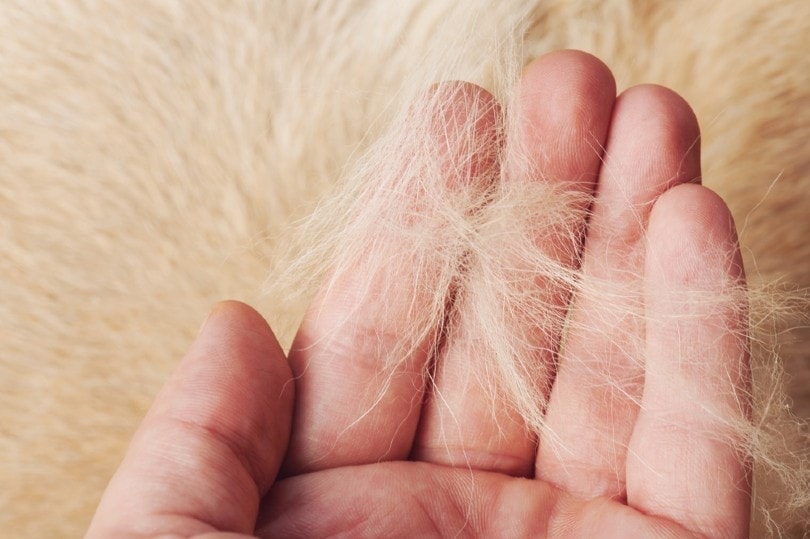
Dog hair will continuously grow during the anagen stage. Growth will terminate in the catagen stage. The “resting” stage is the telogen period. During the exogen stage, your dog will shed its fur. The growing phase for a dog can last for about one month to one year.
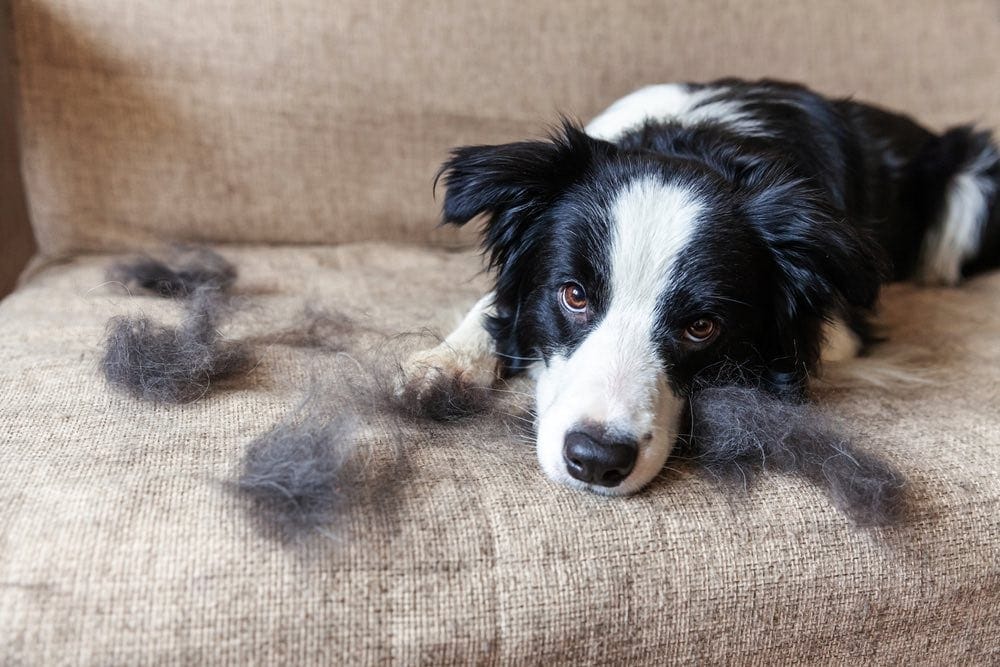
Can Allergies Cause Hair Loss in Dogs?
There are numerous culprits behind dog hair loss. The most common reasons include:
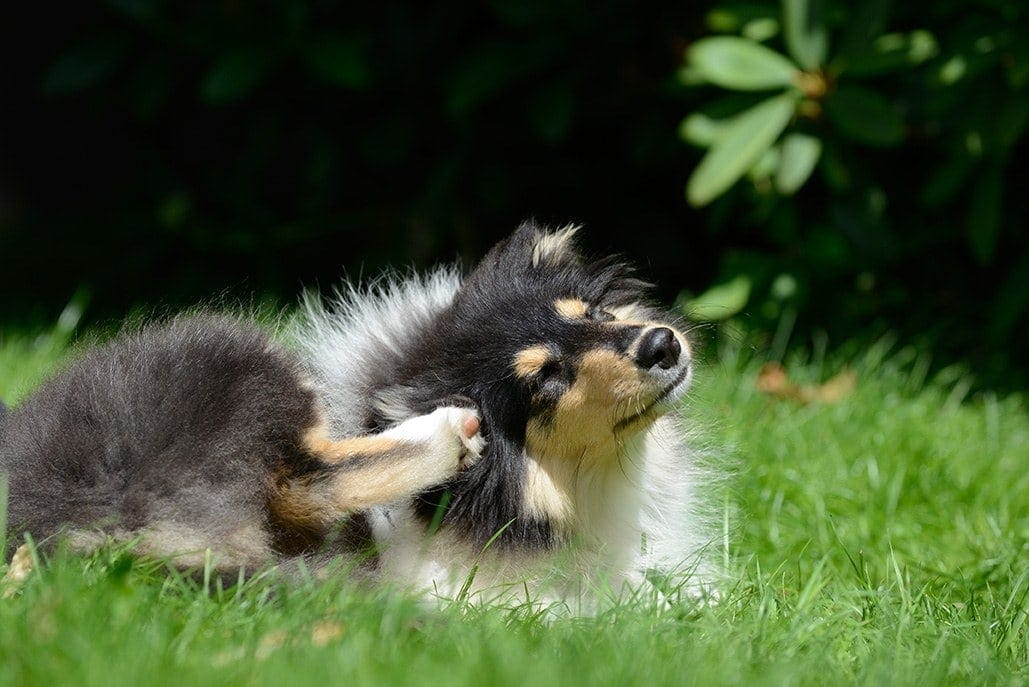
Allergies: Food or environmental allergies can cause hair loss. General allergy symptoms will include irritated skin, biting, scratching, and fur loss. If your dog is experiencing hair loss from flea allergies, put him on a flea treatment plan right away to avoid a full-blown infestation.
Infection: A parasitic infection can cause hair loss in dogs. Mites, ticks, fleas, or bacteria and fungus can all cause hair loss.
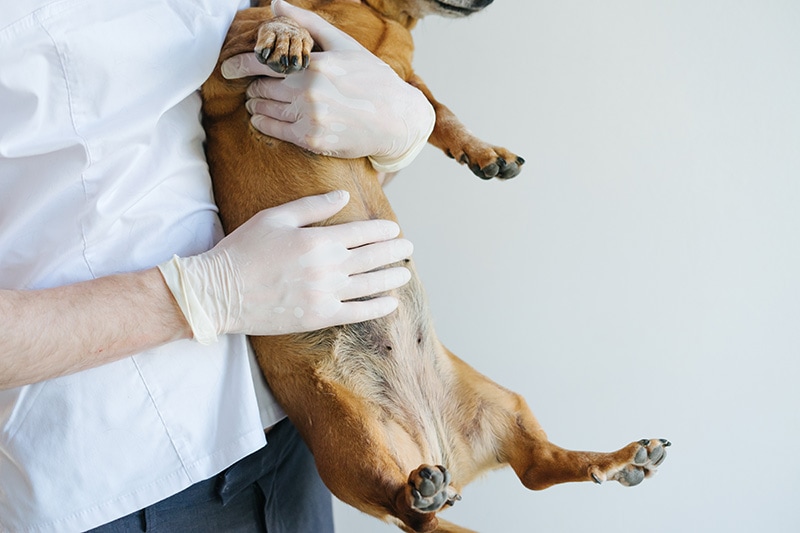
Cushing’s Disease: This health condition is characterized by the prolonged exposure of body tissue to the hormone cortisol. Symptoms include hair loss, areas of darkened skin, and a bloated abdomen. This disease typically afflicts older dogs.
Genetics: Certain dog breeds are genetically prone to baldness. These include the Dachshund, the American Hairless Terrier, the Whippet, and the Doberman Pinscher.
Pressure Sores: These small sores happen in localized areas that come into constant contact with hard surfaces. Pressure sores can occur on elbows and other bony body parts.
How to Speed Up Dog Hair Growth
There are several ways to encourage dog hair growth. You can feed your pup a healthy diet that is rich in omega fats, zinc, and vitamins A, C, and E. Giving your pet supplements, including omega-3 and omega-6, can also promote hair growth. Always consult with your vet before adding any supplements to your dog’s diet.
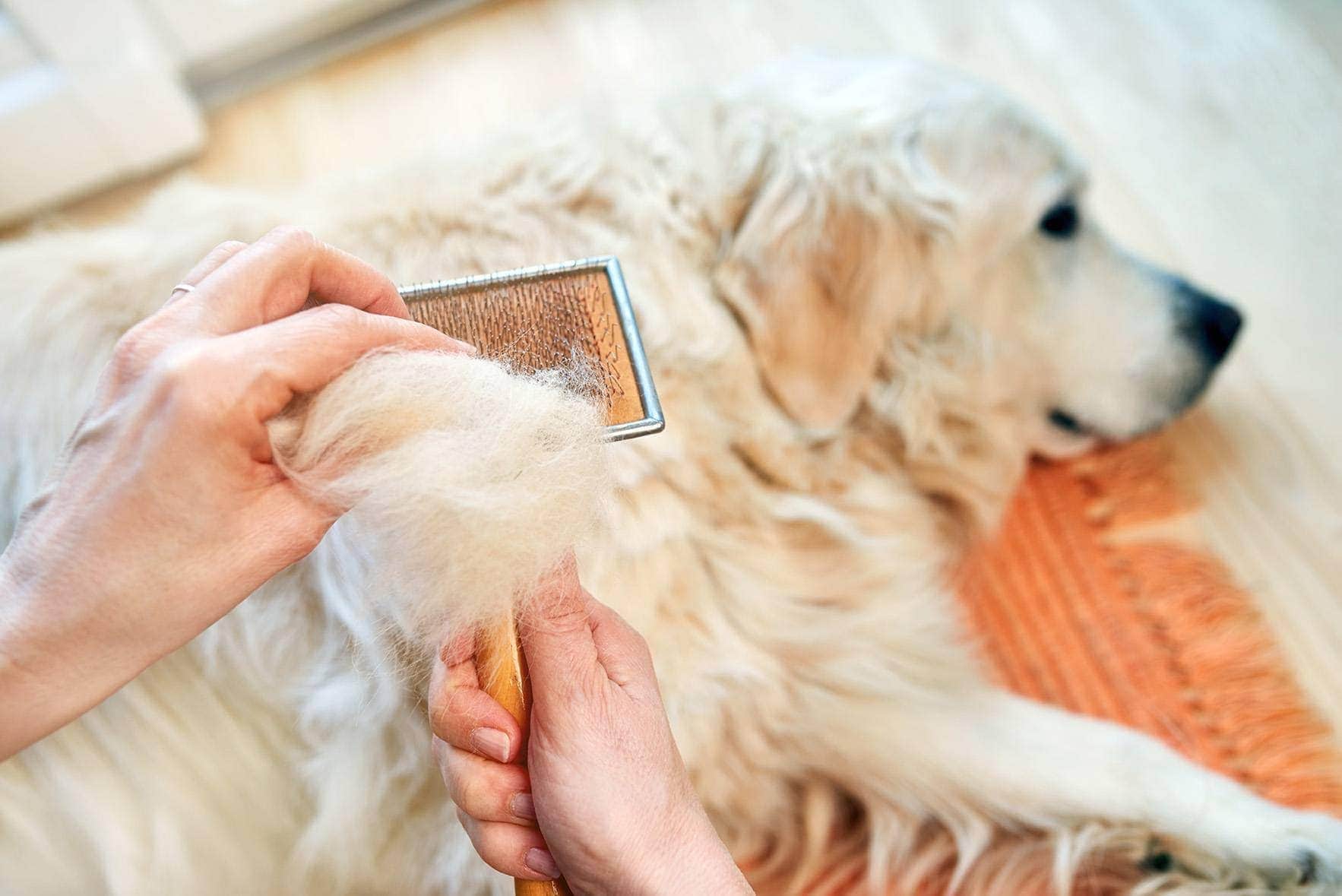
Brush your dog daily. This will remove dirt and debris and keep his fur soft and shiny. Brushing your dog stimulates natural hair growth by evenly dispersing its natural oils throughout his coat.
Treating your pooch to a weekly oatmeal bath can also speed up the hair growth process. Oatmeal removes the bacteria that prevent healthy hair growth.
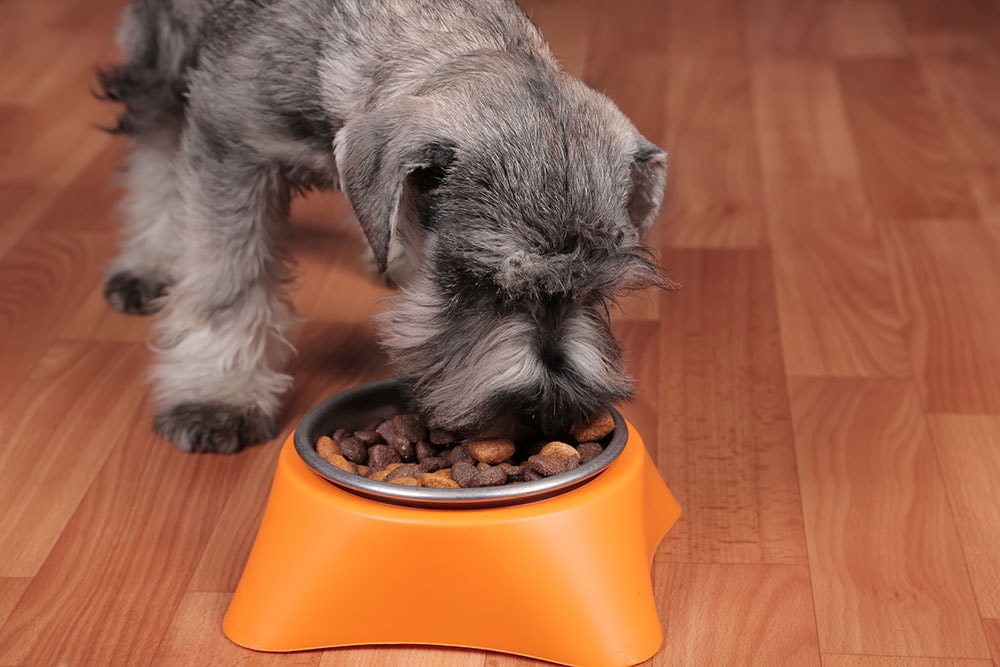
Will Hair Grow Back If I Shave My Dog?
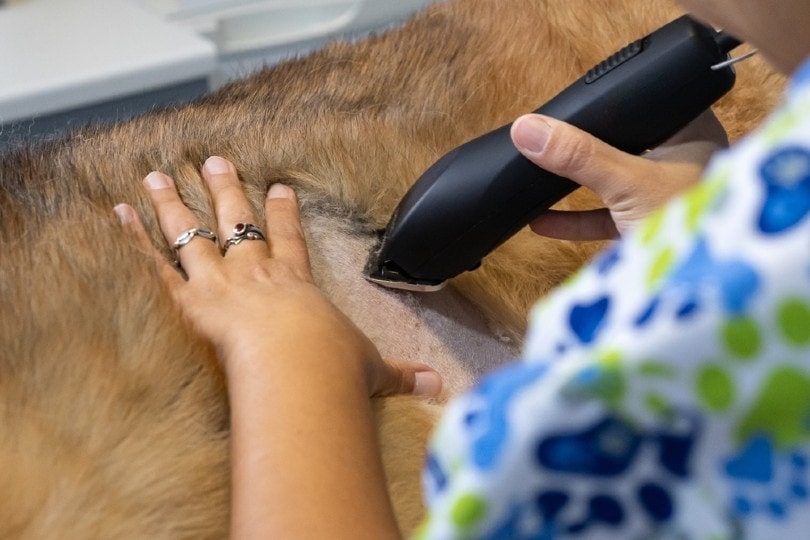
Many pet parents may feel inclined to shave their dogs during the summer. However, shaving your dog can come with a lot of negative results.
Contrary to popular belief, shaving your pet won’t keep him cool in the summer. His coat is a natural insulator from both cold and hot temperatures. Without his thick coat, your dog won’t be protected from the hot summer sun. This can lead to your dog developing sunburn and even skin cancer.
You can also permanently damage your dog’s fur if you shave him. This is especially true for the topcoat of double-coated dogs.

Final Thoughts
Hair growth will widely differ from dog to dog. Whether he has lost his hair from allergies or an infection, you can help your dog’s fur grow faster with a healthy diet and daily grooming.
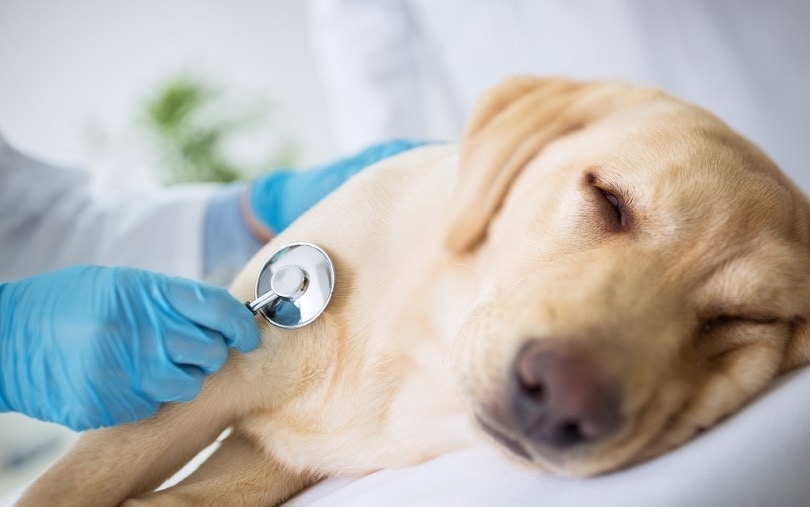
If you believe that your dog’s hair loss is the result of an underlying medical condition, make an appointment with your vet right away. Most importantly, never shave your dog. Shaving your dog can cause skin irritation and sunburn, increase his risk of skin cancer, and damage his coat.
If your dog is bald, have patience. With time, his fur will grow back as beautiful as it was before.
Featured Image Credit: Eudyptula, Shutterstock
Get Hepper In Your Inbox


Pet care tips from our vets and experts, straight to your inbox.
You may opt-out at any time. View our Privacy Policy for more information.

Nicole is a lover of animals of all sizes but is especially fascinated with the feline variety. She’s the proud mom of Baby, a Burmese, and works every day so he can relax in the sunshine or by the fire. She’s always had a cat in her home and has spent countless days with others, observing behaviors and softening up even the grouchiest of the lot. Nicole wants to share her kitty expertise with you so you and your cat can live happy, healthy, and care-free.
Join the conversation
Ask a question, share your story, or send private feedback.