Hepper is reader-supported. When you buy via links on our site, we may earn an affiliate commission at no cost to you. Learn more.
What Vitamin Deficiency Causes Hair Loss in Dogs & Why? Vet-Verified Facts & FAQ


In this article
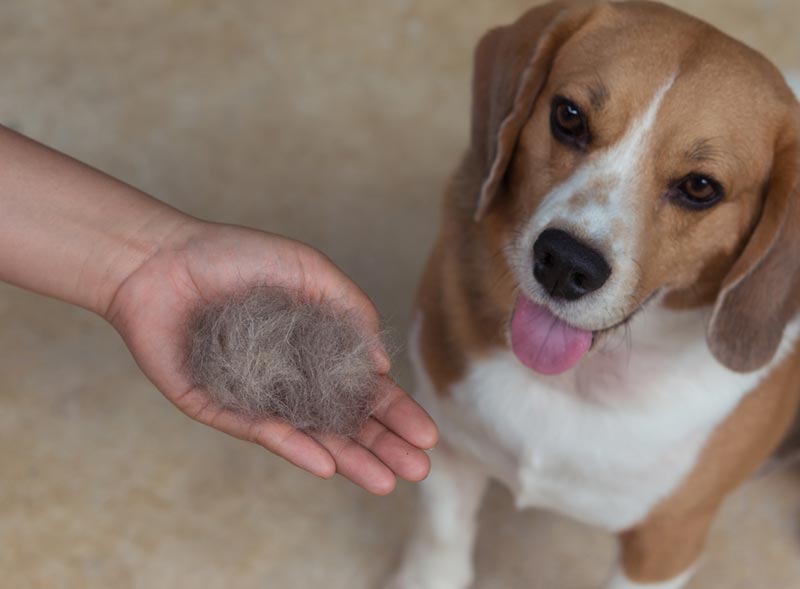
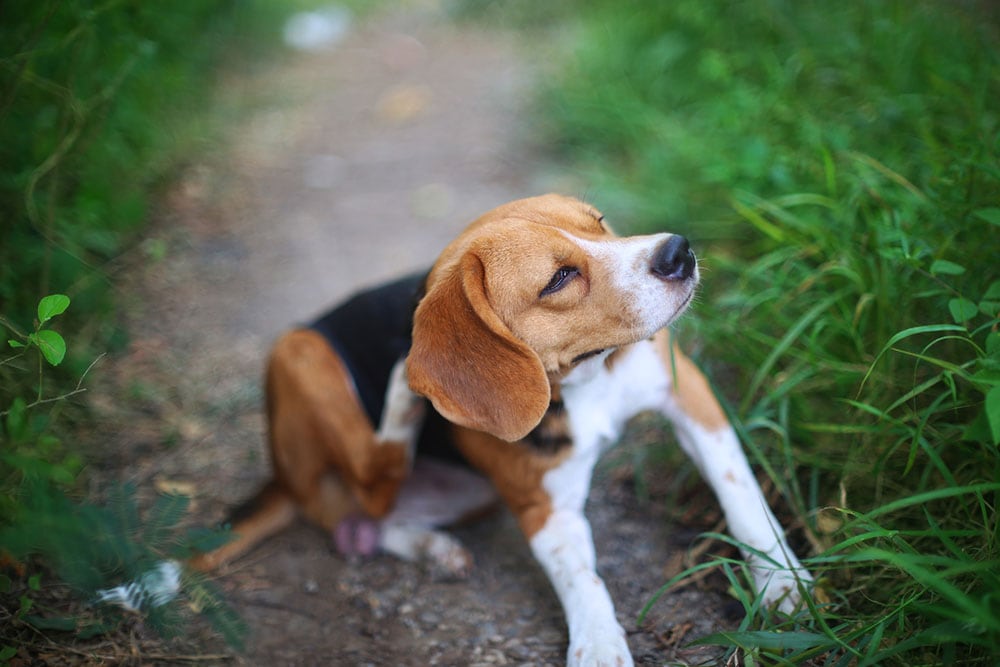
Canine hair loss can be one of the first signs that something is not right with our four-legged friends. If you have noticed that your dog’s fur is patchy, brittle, or otherwise in poor condition, it is possible that his diet may be to blame. Several vitamin deficiencies may cause hair loss in dogs, such as Vitamins B and A.
Nutritional deficiencies often occur when dogs are fed a poor-quality diet or a homemade meal lacking the necessary nutrients. Keep reading below to learn more about what may be causing your dog’s nutritional deficiency.

Vitamin Deficiencies That May Cause Hair Loss in Dogs
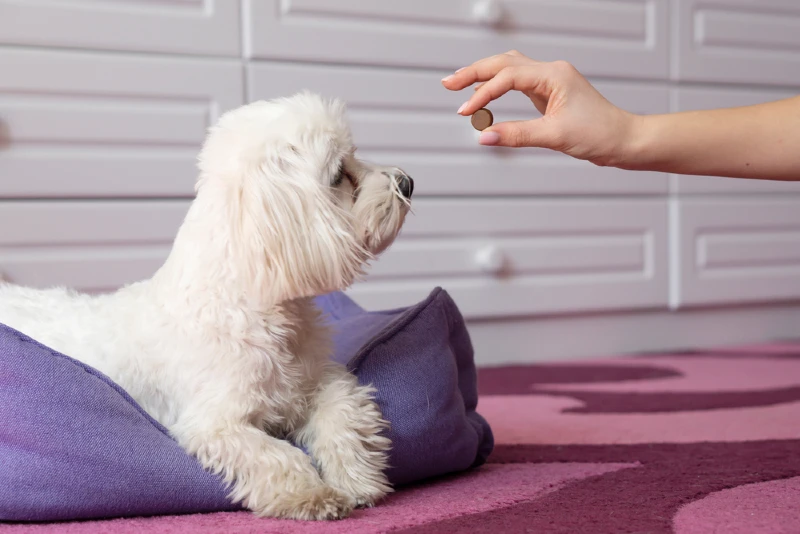
Talking to your vet can help determine which vitamin your dog is lacking, and from there, you will be able to find vitamin-rich diets or supplements to restore the quality of his coat.
Biotin
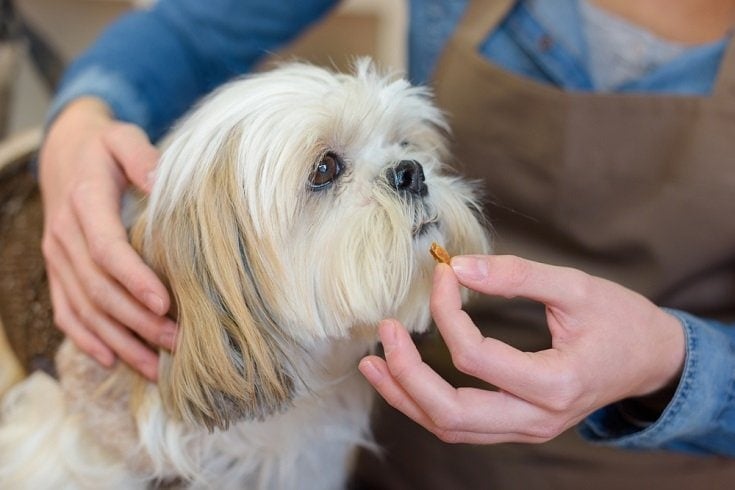
Biotin is among the most common causes of vitamin-related hair loss in dogs. Biotin is responsible for nourishing the skin and coat and processing fatty acids. When your dog is suffering from insufficient biotin, he may experience hair loss since biotin’s role is so vital to the health of his coat.
Other signs of a biotin deficiency include a dull coat, flaky skin, decreased energy, reduced appetite, diarrhea, and skin lesions. An imbalanced diet, hereditary factors, hormonal disruptions, and more may cause a biotin deficiency.
Vitamin A
Vitamin A is essential to the health of your dog’s skin, and a lack of it may lead to dried-out skin and hair loss. However, vitamin A is not just necessary to develop healthy skin; it also plays a vital role in your dog’s vision, growth, and immunity.
Canine night vision is highly dependent on vitamin A, as it contributes to the development of pigments that allow the eyes to adjust to different lighting. A lack of vitamin A can lead to night blindness. During growth and development stages, a lack of vitamin A can decrease growth rates, weaken muscles, and cause nervous system disorders.
Vitamin A also supports the creation of white blood cells, making it necessary to boost your dog’s immunity. Without it, you may notice your dog is more susceptible to illnesses and infections.
Vitamin B12
Vitamin B12, or cobalamin, is essential to your dog’s overall health. A deficiency in vitamin B12 may be due to a dietary imbalance or a genetic condition that inhibits the absorption of vitamin B12.
A deficiency in this vitamin may result in hair loss but can also lead to severe issues such as anorexia or nonregenerative anemia. It is also possible that your dog may suffer from neutropenia or an abnormally low white blood cell count.
Mineral Deficiencies that May Cause Hair Loss in Dogs
Vitamin deficiencies are not the only reason a dog may experience hair loss. If your dog is not getting sufficient minerals, the health of his skin and coat may diminish.
Copper
Copper deficiencies are not particularly common in dogs, but they can still occur. A lack of copper in your dog’s diet may lead to a dry, patchy coat with a washed-out appearance. As for the skin, it may contribute to sores, infections, and other issues. Another symptom of copper deficiency in dogs is anemia.
Zinc
Zinc is essential to the health of your dog, as it supports hormones, enzymes, and proteins and is vital to the function of the thyroid and immune system. A lack of zinc can cause hair loss, skin ulcers, and thickening or cracking of the skin.
Other Deficiencies that May Cause Hair Loss in Dogs
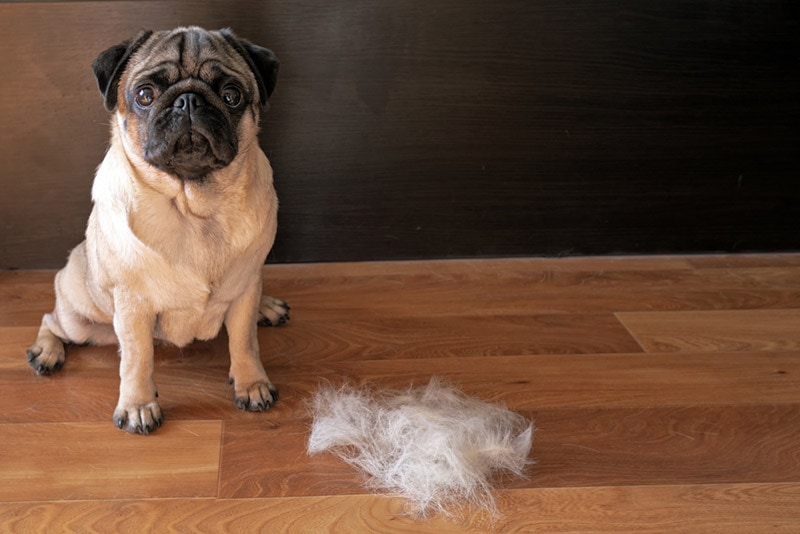
A proper diet is key to the health of your dog. If your dog’s meal does not supply adequate and balanced nutrition, he may experience issues with his skin and coat.
Fatty Acids
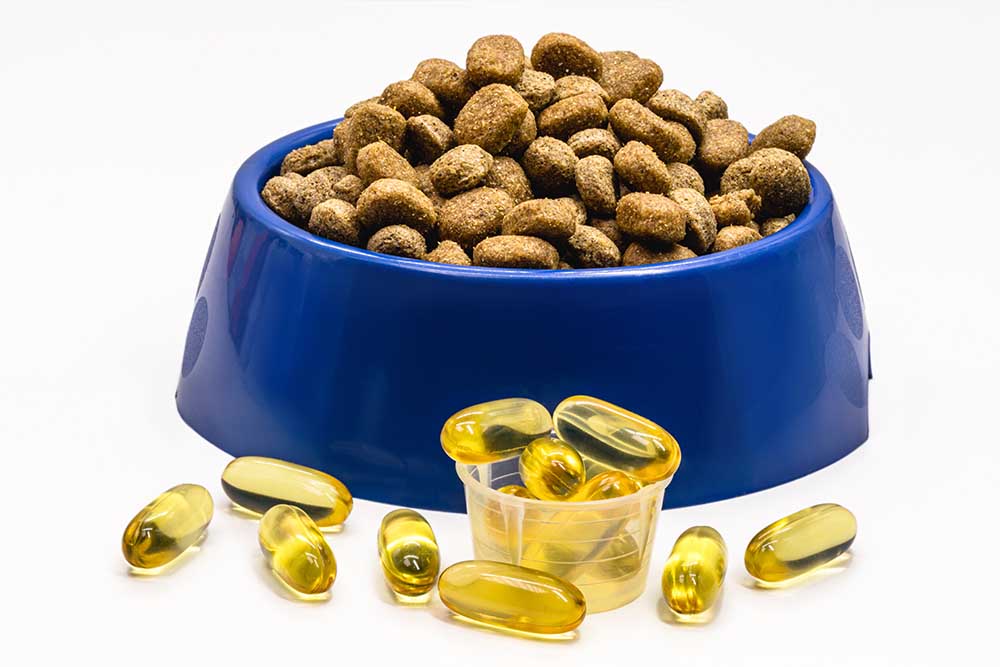
A lack of fatty acids can contribute to a loss of fur. Essential fatty acids, such as omega-3 and omega-6, deal with cellular inflammation and are vital to the health of your dog’s skin and coat. Without enough fatty acids, you may notice that your dog’s coat is dull and dry. You may also see an increase in lesions and other skin conditions.
Imbalance of Protein and Fat
A proper balance of protein and fat is necessary for the health of your dog. If the balance is disrupted, your dog may experience a loss of hair or hair color.
Other Possible Causes of Hair Loss in Dogs
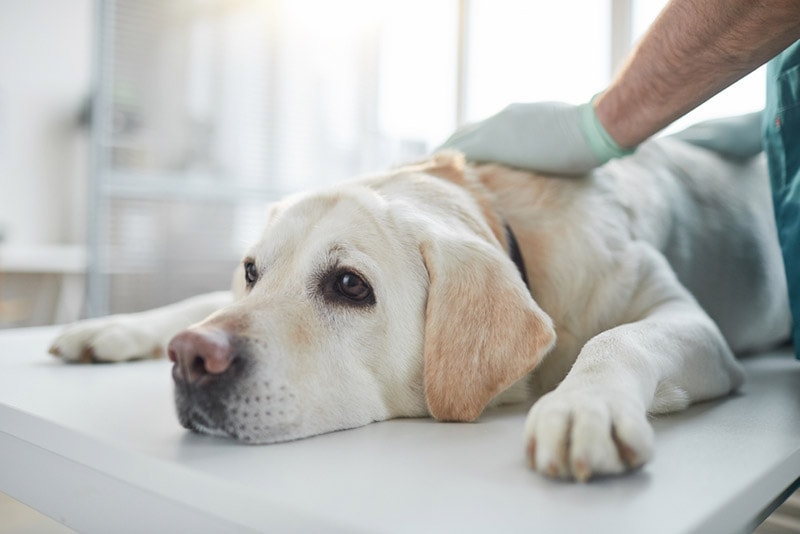
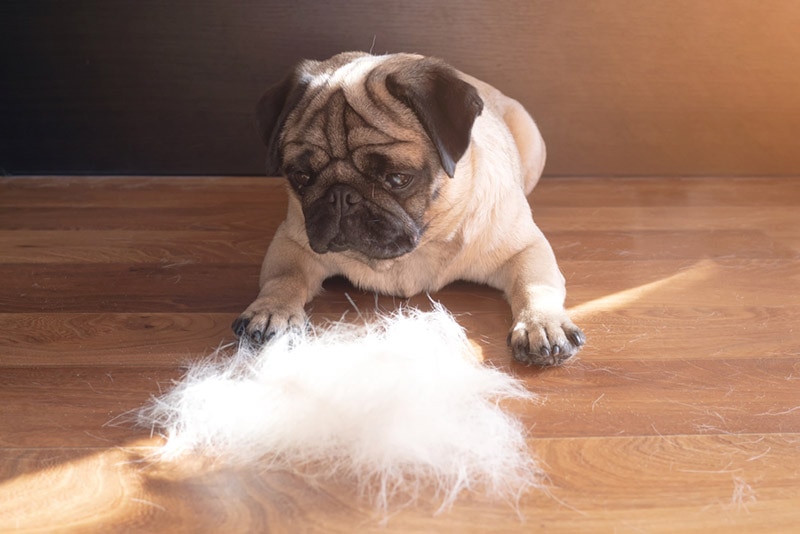
Beyond dietary insufficiencies, there are other reasons that your dog may be losing hair. Hair loss can often be a sign of an underlying medical condition, so do not hesitate to take your dog to the vet if you notice more concerning symptoms.
Allergies
Whether your dog is allergic to his food, the pollen in the environment, or flea bites, any allergic reaction could result in hair loss.
Cushing’s Disease
This condition occurs when your dog’s body produces too much cortisol. If you notice your dog excessively eating, drinking, or urinating, these may be signs of Cushing’s Disease. Frequent panting and a pot-bellied appearance are also signs of this condition.
Infection or Infestation
Fungus, pests, and bacteria may lead to hair loss in your dog. If you notice that your dog has oily, inflamed skin and itches constantly, there is a good chance your dog has brought an uninvited guest home.
Conclusion
Hair loss is more than just an aesthetic problem; it can be a sign of a severe health issue. Deficiencies in vitamins like biotin, vitamin A, and vitamin B12 can contribute to your dog’s hair loss. Other deficiencies, such as minerals and fatty acids, may also cause complications. However, there is always a chance that the hair loss is due to an underlying medical condition. For this reason, it is crucial to take your dog to the vet to pinpoint the root of his fur loss.
Featured Image Credit: sonsart, Shutterstock
Get Hepper In Your Inbox


Pet care tips from our vets and experts, straight to your inbox.
You may opt-out at any time. View our Privacy Policy for more information.
Pets are Jordyn’s passion, cats especially. Whenever she has the opportunity, she loves to learn about them and share her knowledge with everyone. She is devoted to her tabby cat named Jack and works hard to buy him his favorite treats and toys. Discovering new ways to better care for her pet is always on her to-do list, and she is eager to help pet parents everywhere who have similar pursuits. In her spare time, she loves to read, write, and take long walks. She has a creative spirit, which often helps her to come up with funny cat names.
Join the conversation
Ask a question, share your story, or send private feedback.