Hepper is reader-supported. When you buy via links on our site, we may earn an affiliate commission at no cost to you. Learn more.
Can Bearded Dragons Eat Cicadas? Vet-Reviewed Risks & Facts

In this article
Bearded dragons are omnivores, which means they need to eat a mix of vegetables and animal protein (typically in the form of insects). If your bearded dragon was out in the wild, it could catch whatever insects it wanted and eat the plants around it. But since your bearded dragon is a pet, you're responsible for getting insects and veggies for it.
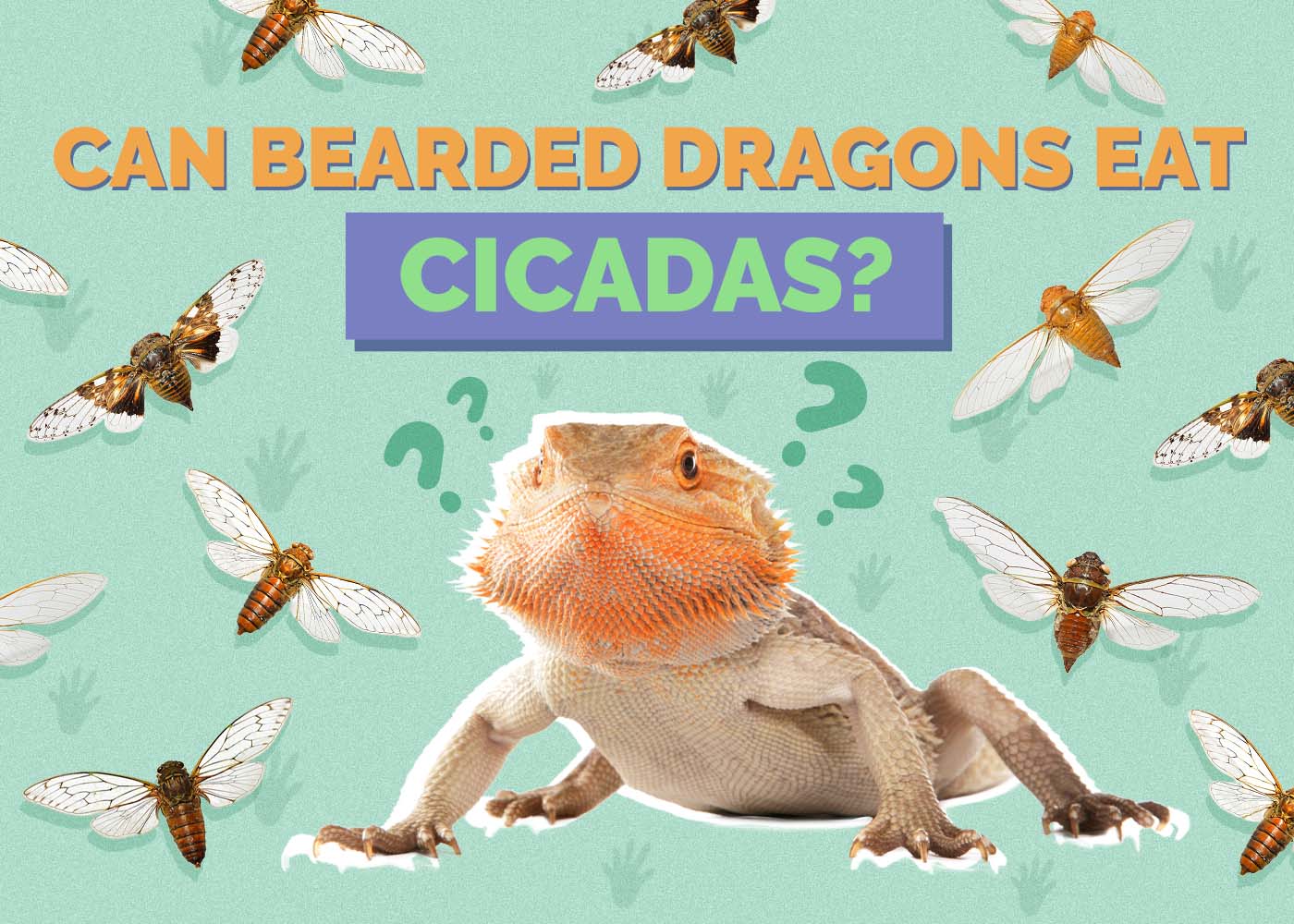
But exactly what insects are safe for bearded dragons to eat? While mostly the insects these animals eat consist of mealworms and crickets, they can also have other ones. But what about cicadas? Can bearded dragons eat those?
The answer is yes, and your bearded dragon will likely love cicadas! However, there are a few things you should be aware of before giving cicadas to your bearded dragon. Here’s what to know.

Are Cicadas Safe for Bearded Dragons to Eat?
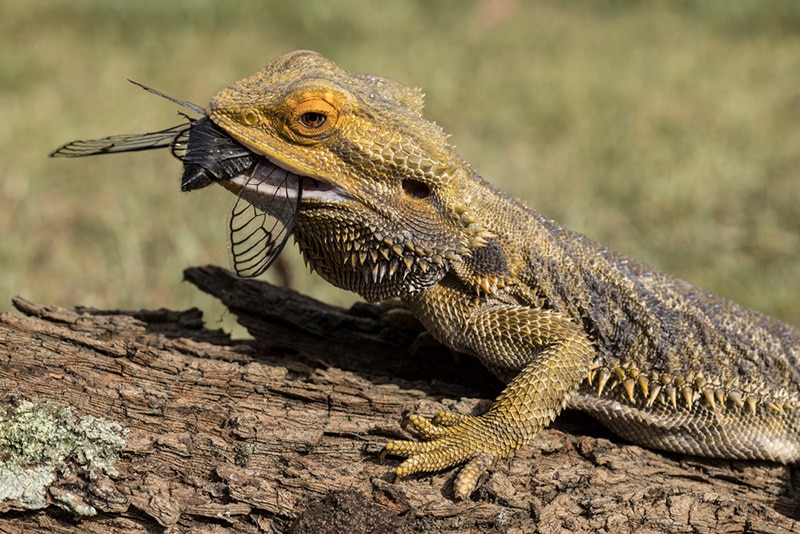
Cicadas are mostly safe for your pet to eat (we’ll look at a few risks below) and are, in fact, quite nutritious for bearded dragons. These insects pack a ton of protein, which is excellent for bearded dragons, as well as essential minerals, so cicadas can offer your pet a lot nutrition-wise. (Although, you still need to gut load cicadas, as you would with other insects.)
However, baby bearded dragons should not be fed cicadas due to the size of the insect. Not only could these insects prove a choking hazard for little ones, but they could also lead to gut impaction. Impaction in the gut can be fatal, so only give cicadas to adult bearded dragons!
Risks of Cicadas
There are a few potential risks you should be aware of, though, before attempting to serve these insects to your pet.
The most significant risk is the risk of chemicals, particularly if you’re getting cicadas from the wild. You have no way of knowing where a cicada has been, especially if it’s coming from your yard, which means the insect could have gotten into anything, including fertilizers and pesticides. And if your bearded dragon eats a cicada that’s come into contact with chemicals, your pet could become ill or even die. Ideally, you want to get cicadas from a pet store or other reputable source to ensure they are safe to feed your bearded dragon.
Another possible risk of cicadas is that they could be carrying parasites. Again, this will more likely be the case for cicadas from the wild rather than those from a reputable source. But if you feed your bearded dragon a cicada that has a parasite, the parasite could then affect your pet, so you want to be very careful when giving these insects to them.
Then there’s the exoskeleton of the cicada. A cicada's exoskeleton, or shell, is quite tough, making it a challenge for a bearded dragon to digest properly. And this could put your pet at risk of gut impaction. It’s best to stick with cicadas that have already shed their exoskeletons when giving them to your bearded dragon.
Finally, you might find that some cicadas are too big for your pet to eat. Eye the size of a cicada carefully to determine if it’s small enough for your bearded dragon to eat without risk of choking!
Feeding Cicadas to Your Bearded Dragon
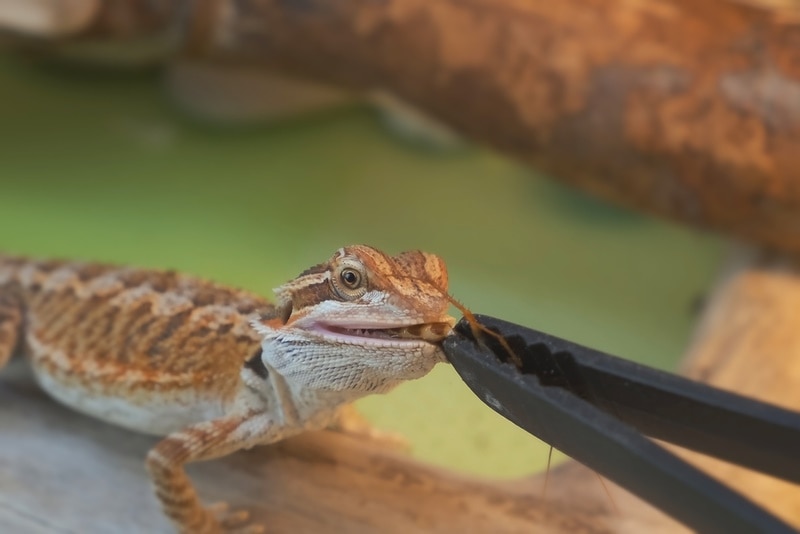
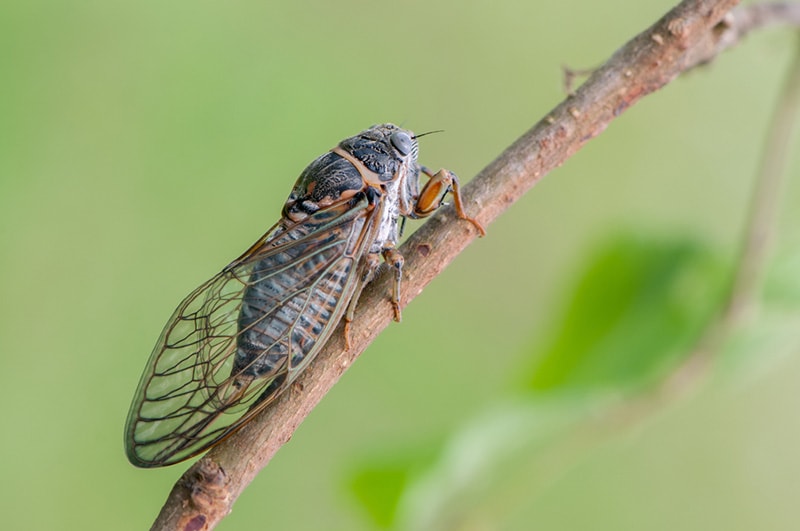
There are a couple of things to keep in mind when giving your bearded dragon cicadas. One, as we said before, you should gut load cicadas just like you would any other insect that is part of your pet’s diet. Two, you should give cicadas to your pet while the cicada is still alive. You can feed dead cicadas to your bearded dragon, so long as there’s no decay, but your pet will enjoy being able to hunt down and catch these insects much more.
Final Thoughts
Cicadas can offer your bearded dragon a protein-packed food option they will surely enjoy. You just need to remember that there are a handful of risks to feeding cicadas to your pet. Once you’ve ensured the cicadas are safe, though, your bearded dragon will love having these tasty insects as a part of their diet!
Related Reads:
Sources
Featured Image Credit: Georgi Baird, Shutterstock
Get Hepper In Your Inbox


Pet care tips from our vets and experts, straight to your inbox.
You may opt-out at any time. View our Privacy Policy for more information.
Misty Layne lives out in the woods in small-town Alabama with her two Siamese—Serafina and Jasper. She also has an array of stray cats, raccoons, and possums who like to call her front porch home. When she’s not writing about animals, you’ll find her writing poetry, stories, and film reviews (the animals are, by far, her favorite writing topic, though!). In her free time, Misty enjoys chilling with her cats, playing piano, watching indie and foreign films, photographing abandoned places, and catching up on her never-ending TBR list.
Join the conversation
Ask a question, share your story, or send private feedback.