Hepper is reader-supported. When you buy via links on our site, we may earn an affiliate commission at no cost to you. Learn more.
How Much Do Newfoundland Dogs Shed? Facts & FAQ
In this article
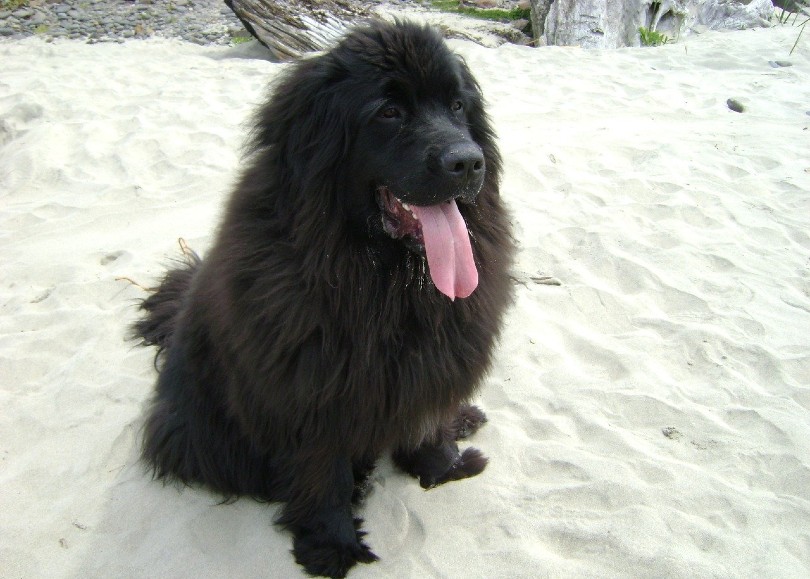
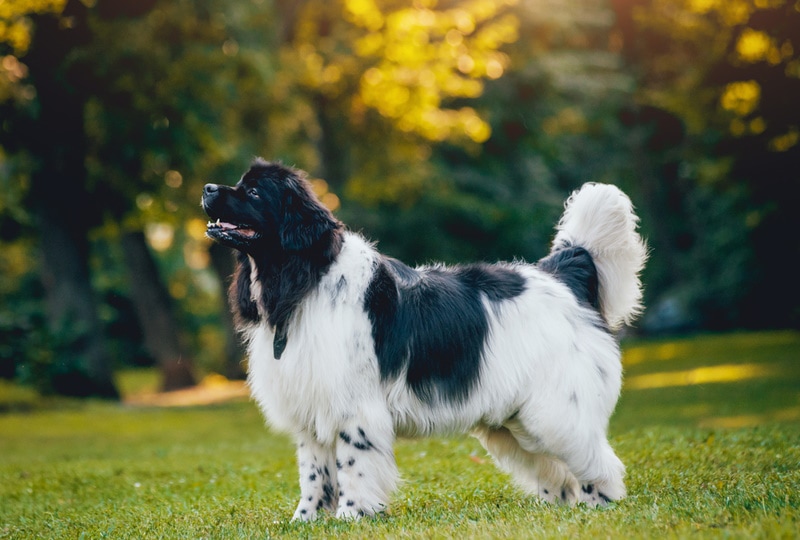
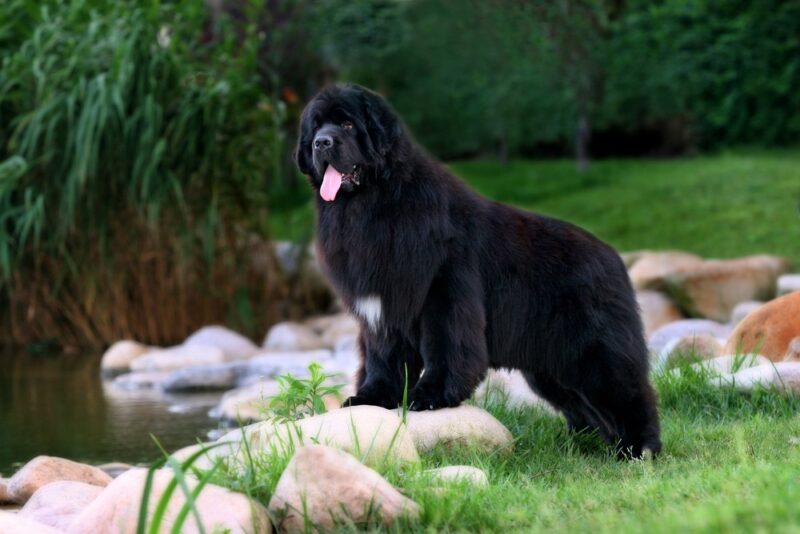
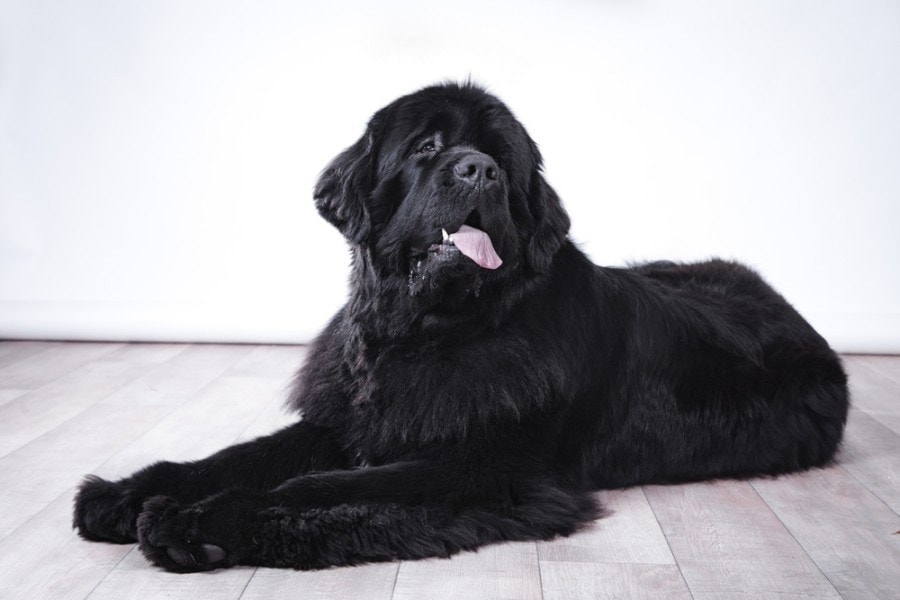
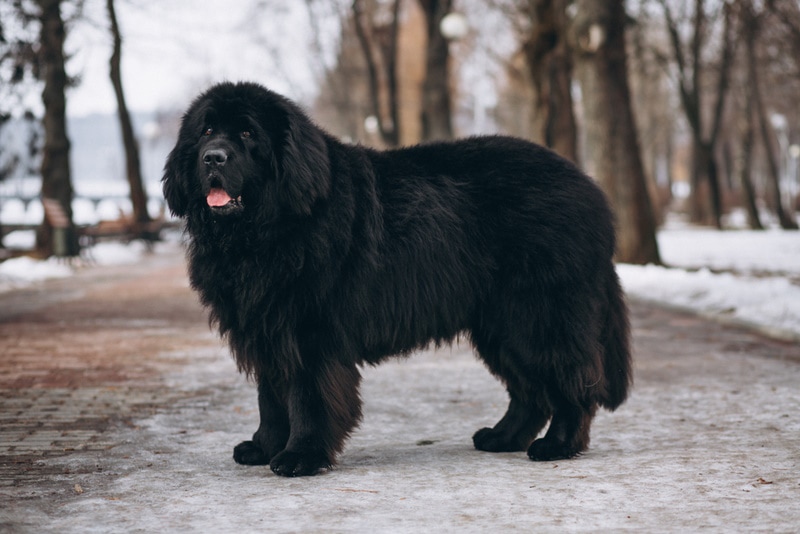
Newfoundlands are large dog breeds whose origin can be traced back to the Canadian Province of Newfoundland. They are often referred to as “gentle giants" due to their impressively huge size and calm temperament. However, they are known to be a shedding dog breed.
“How much?” you ask. Well, a lot! This breed is considered a high-shedding breed because they feature thick undercoats. They especially shed more during fall and spring as they blow their coats.
In this article, we will discuss Newfoundland shedding and their grooming requirements in detail. Read on to learn more.

Newfoundland Shedding
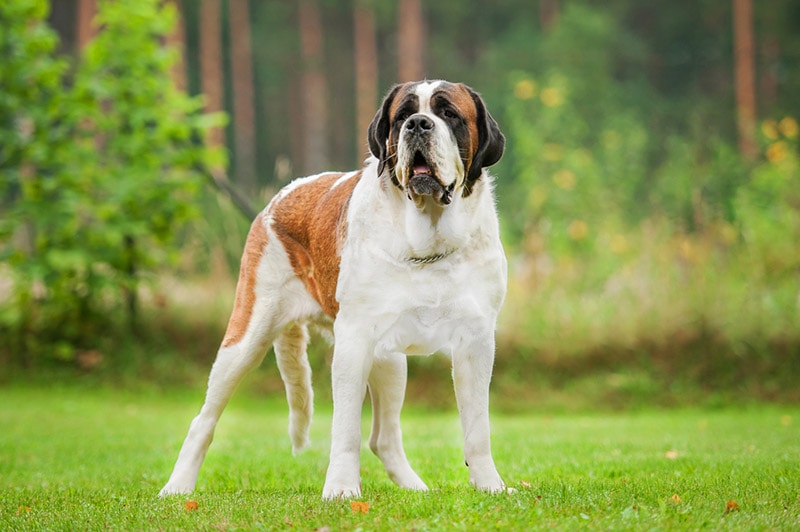
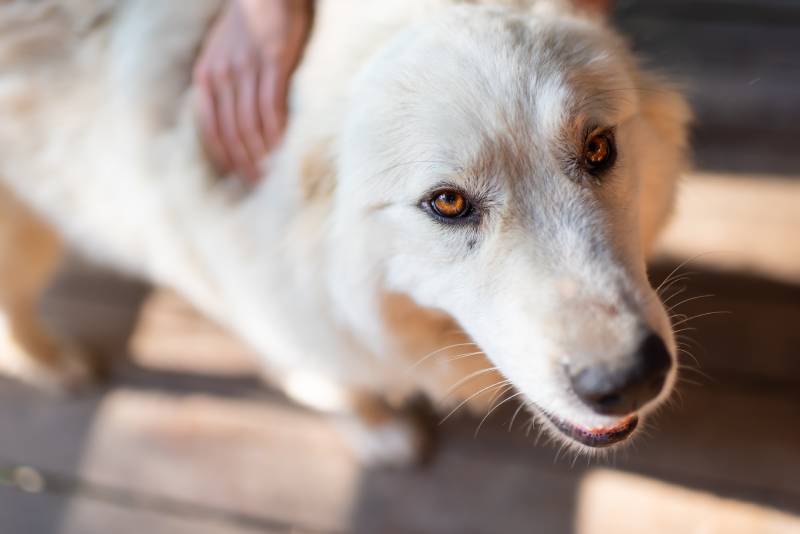
We have already established that this dog is a high shedder. In fact, they are classified in the same category as the Great Pyrenees and Bernese Mountain Dog, which are some of the heaviest shedders in the canine world. Generally, this dog is given a shedding level of 4 out of 5-star rating.
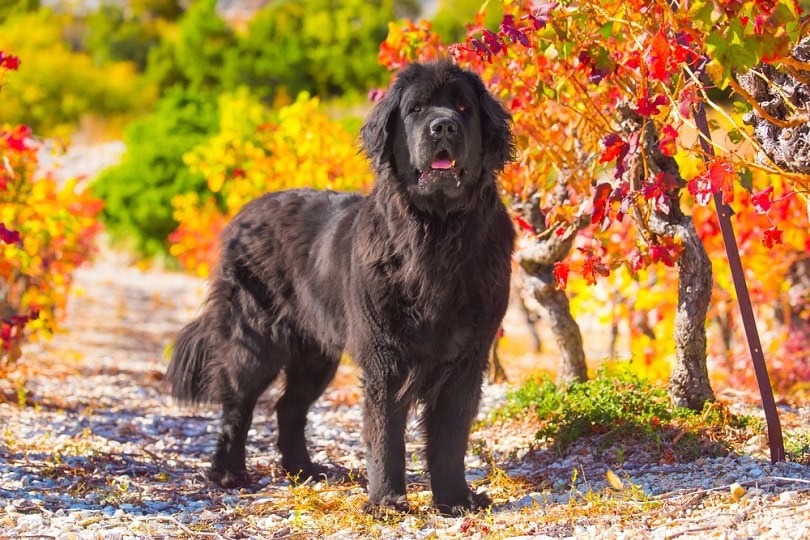
The shedding is not that bothersome for most of the year because it is moderate. Yet, since they feature a thick undercoat to protect them from the cold during winter and cooler in summer, they seasonally blow their coats. This simply means that it will shed more profusely in the days leading up to the seasonal changes. This is especially witnessed in autumn and spring.
However, the seasonal shedding doesn’t begin until the dog is at least 3 years old when their coat is fully developed. Therefore, you can enjoy a few years of bliss with your furry companion before you begin the never-ending duties of fur removal from all your household items.
Besides having a thick coat, their sheer size means that they have more fur to lose than a typical small dog. So, even when they moderately shed, you will still have a lot of furs to clean from your house.
Factors That Influence Newfoundland Shedding
As you may have gathered by now, Newfoundlands shed throughout the year. However, some factors can influence when the dog sheds the most. They include:
Stage of Life
One thing that most people love and adore in puppies is their smooth, fluffy, and soft fur coats. Usually, Newfoundland puppies shed less than adult dogs until it’s time to lose the baby coat. Once the baby fur is gone and the adult coat grows in, they will regularly shed throughout the year.
Senior Newfoundland dogs also shed more than typical adults because of the aging process. So, if you own an old Newfoundland dog that sheds a lot, do not fret, as it is a natural process. However, this is usually a sign that you should keep a close eye on your dog because he could be prone to other health conditions.
Diet & Exercise
Exercise and dieting are important for all dog breeds. When your dog gets a proper diet with all the necessary nutritional requirements, it will have a healthier fur coat. A malnourished Newfoundland will likely have a significant visual difference in its fur coat. It can get dry and irritated, causing your dog to shed abnormally.
The same applies to exercise. Dogs that regularly exercise will have healthier coats. But if it is overweight, it will shed more than normal.
Ticks, Fleas, and Other Pests
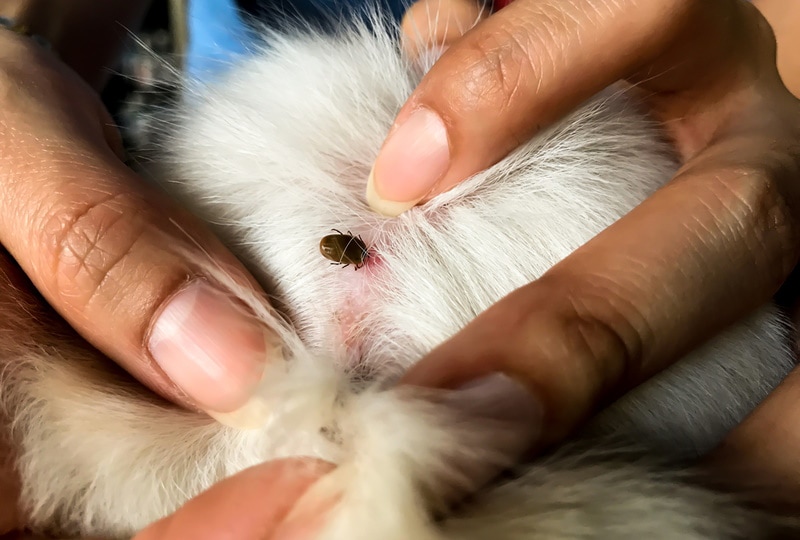
Nothing is more annoying to a dog than having fleas, ticks, and other pests on its fur coat. The itching from these pests will cause your dog to lick and scratch in a stupor in a bid to get rid of them.
Consequently, your dog will experience excessive shedding. These pests can also create other problems, such as the presence of open sores due to excessive licking.
Newfoundland Dogs Grooming Needs
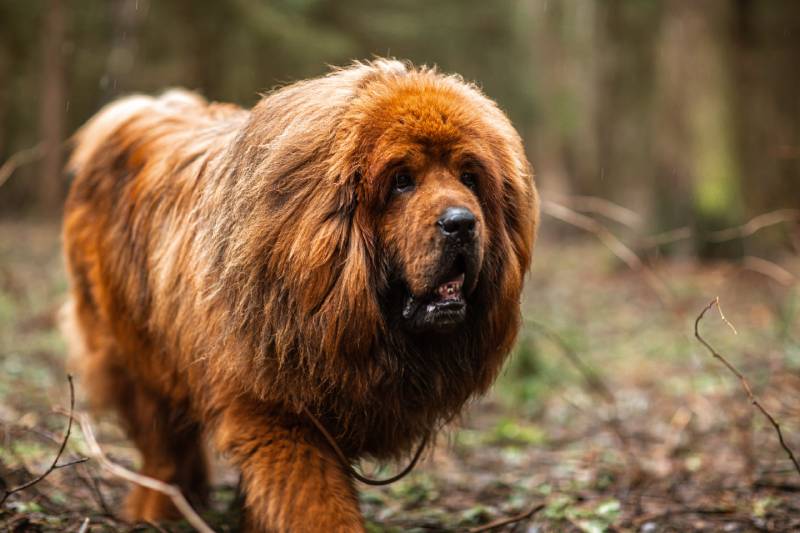
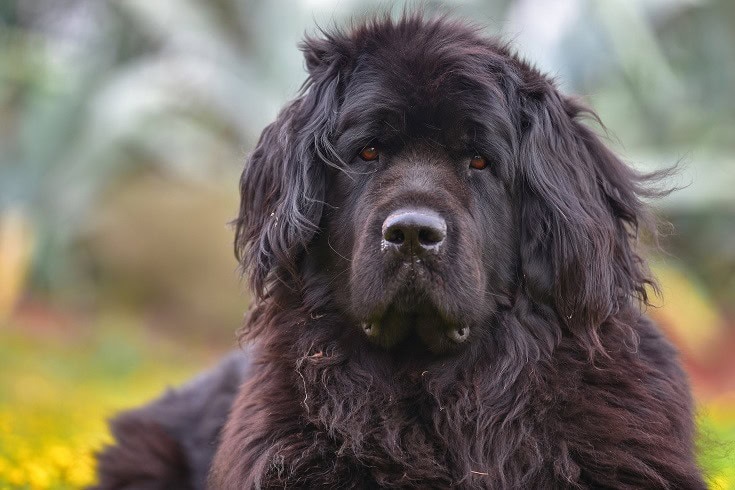
Generally, Newfoundland dogs have a coarse, long upper coat and a soft, thick undercoat. This double coat is also waterproof, thus helping the dog insulate itself in colder climates, especially the cold weather experienced in Newfoundland, where they originate.
Unfortunately, this means that they require a bit more effort, time, and energy in their maintenance. Sure, they may not be as high maintenance as the Wheaten Terrier, but their coat will still require more attention.
Usually, Newfoundland dogs are given a 3/5-star rating in terms of their grooming efforts. The rating can be attributed to the fact that their thick, long coat often acts as a mud magnet. So, grooming your Newfoundland can be a chore, especially if they are fond of spending time outdoors, probably splashing around in the water.
What Brush Should You Use for Grooming?
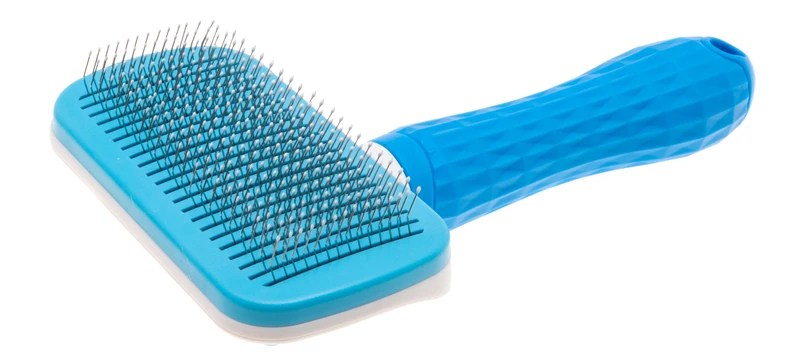
When it comes to grooming a Newfoundland dog, there is no fast rule or a general rule of thumb for the type of brush you should use. However, a wire-slicker brush is the best for brushing the outermost coat. The slicker brush will do most of the initial cleaning, especially when it comes to removing dead hair and de-matting from the outer coat.
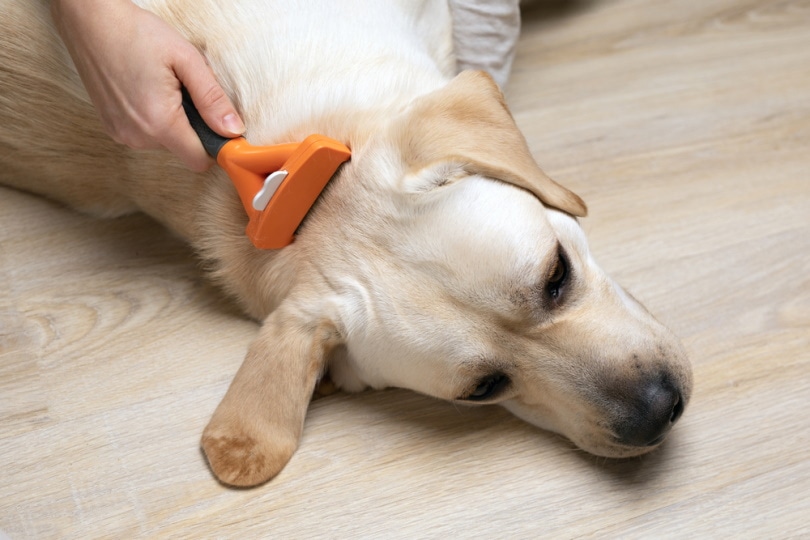
Once done with the slicker brush, proceed to use a good-quality comb, undercoat rake, or even a de-shedding tool to remove loose fur from the undercoat. Granted, this is a time and labor-intensive task, but it will help remove the loose fur before it ends up on your furniture, floor, clothes, or hard-to-reach areas of your house.
Either way, brushing on your Newfoundland should be done a couple of times a week. However, if you want to keep the shedding under control during seasonal changes, daily brushing will be effective.
Tips for Keeping Your Dog Healthy, Safe, and Happy
Since shedding is a natural part of your Newfoundland life, it can be unhealthy to heavily reduce your dog's shedding. Moreover, it’s quite impossible to completely stop your dog from shedding and messing up your house.
However, besides regular brushes, there are some steps you can take to regulate just how much they shed. They include:
1. Feed Your Newfoundland a Proper Diet
Your dog will need a balanced diet consisting of omega-3 fatty acids to ensure that its coat doesn’t get dry but remains shiny and healthy. A healthy coat will not fall off in large quantities. Diet is important for your dog because it helps reduce shedding from inside their bodies.
2. Do Not Over-Bathe Your Dog
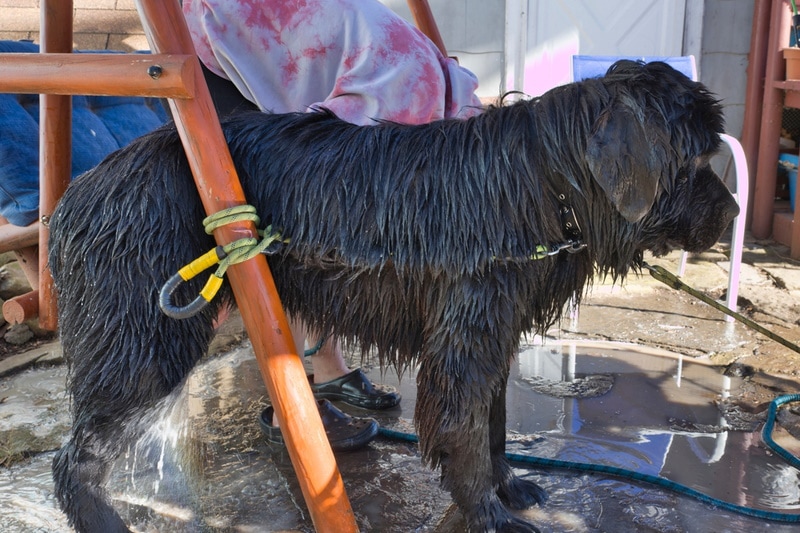
Experts recommend that you only bathe your dog once every few months. It is also fine if you give him a bath once every month. However, if you over-bath your Newfoundland, you risk drying his skin, which can cause more fur to fall off his body.
3. Utilize High-Quality Dog Shampoo
Never bathe your dog with a shampoo made for humans. It is best to use shampoo with natural ingredients because chemical-based shampoos can easily harm your dog’s skin. Thankfully, dog shampoos are usually available in most pet stores.
4. Supplement Your Dog’s Diet With Virgin Coconut Oil
You can also improve the moisture content in your dog’s hair and skin by adding a small amount of virgin coconut oil to their diet. When offered in moderation, this product is safe and can make a significant difference in your dog’s fur coat.
However, it is always best to consult a veterinarian before altering your dog’s diet.
Conclusion
Newfoundlands are a popular breed because they are incredibly loyal, smart, and intelligent dogs. However, this breed tends to shed a lot, more so during the shedding season. This makes them an unsuitable breed for people suffering from dog allergies.
If you are fascinated by this breed, be prepared to carry out some heavy-duty cleaning throughout the year. Thankfully, Newfoundlands are relatively easy to groom since they do not require frequent baths or fancy haircuts to maintain their coat.
You need only brush their coat daily to keep them tidy and free from tangles and mats. All in all, these sweet-natured and strong gentle giants can make amazing canine companions for your family.
Sources
Featured Image Credit: PH888, Shutterstock
Get Hepper In Your Inbox


Pet care tips from our vets and experts, straight to your inbox.
You may opt-out at any time. View our Privacy Policy for more information.

Nicole is a lover of animals of all sizes but is especially fascinated with the feline variety. She’s the proud mom of Baby, a Burmese, and works every day so he can relax in the sunshine or by the fire. She’s always had a cat in her home and has spent countless days with others, observing behaviors and softening up even the grouchiest of the lot. Nicole wants to share her kitty expertise with you so you and your cat can live happy, healthy, and care-free.
Join the conversation
Ask a question, share your story, or send private feedback.