Hepper is reader-supported. When you buy via links on our site, we may earn an affiliate commission at no cost to you. Learn more.
How Much Should You Feed a Husky? Puppy & Adult Feeding Chart
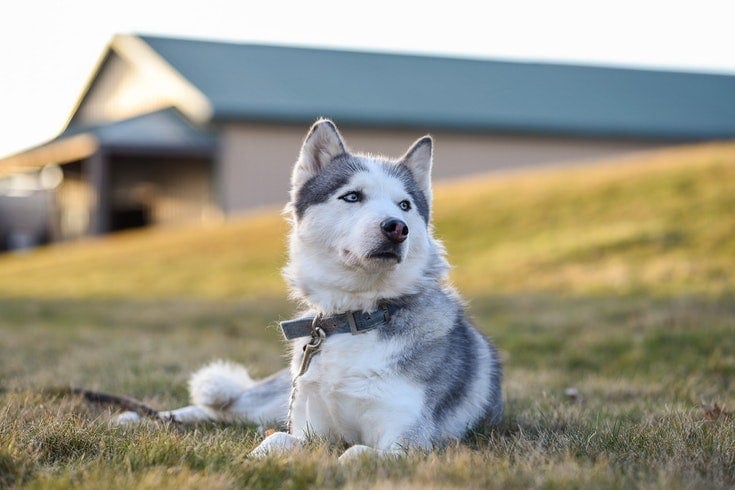
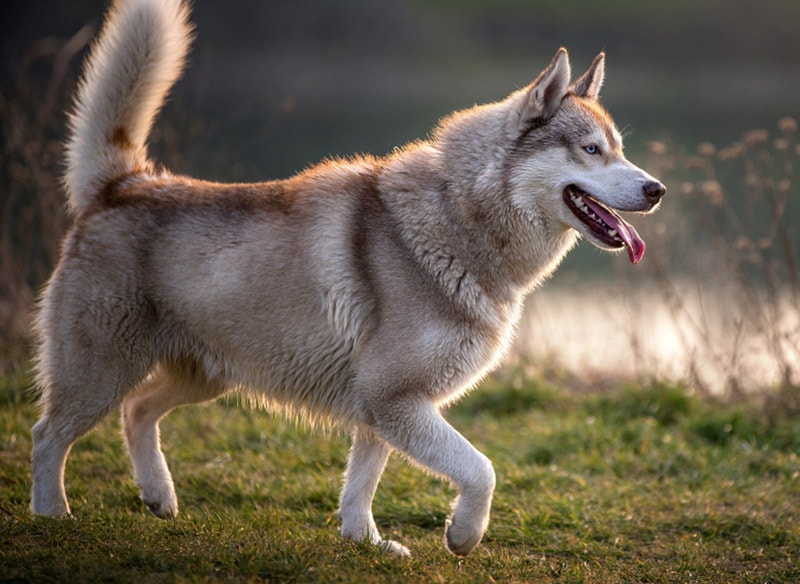
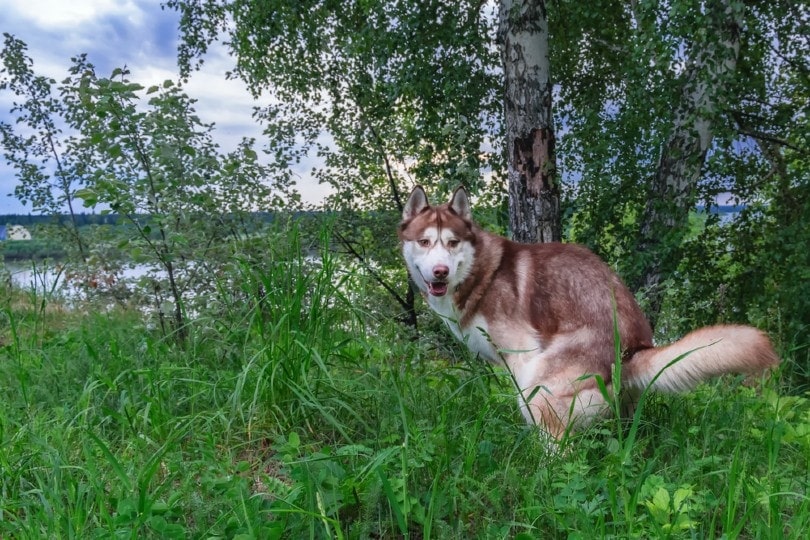
Huskies are one of the most beautiful and head-turning dog breeds on the planet due to their close resemblance to their wolf ancestry. With their striking faces and gorgeous blue eyes, it’s easy to see why the breed is so popular. These dogs were bred for pulling sleds through bitterly cold and tough terrain and are still widely used for this purpose today. This makes them a breed with almost unsurpassed stamina, energy, and incredible agility.
Huskies are a big responsibility and it can be a challenge to figure out just how much food they need. To help you with the process, we’ve created this guide to help guide you through your Husky’s food needs at their different life stages, as well as other important information on feeding these incredible dogs.

How Much to Feed a Husky Puppy – Husky Feeding Chart
Important Note: The amount of calories each dog needs for healthy growth and development depends on many factors, including their age, breed, and activity level. These charts are general guidelines for healthy young dogs, but we recommend confirming them with your vet.

What to Feed My Husky Puppy?
Huskies need food with a high amount of protein, preferably sourced from animals. Plant-based protein sources are not as readily absorbed by your Husky’s body and are not as good quality. Make sure the food that you give your Husky is nutrient-dense and contains as few filler ingredients—like corn, wheat, and soy—as possible.
This is because Huskies do not have the ravenous appetites of many other breeds and need calories that are jam-packed with nutrients. Huskies are far more efficient at burning calories and efficiently using nutrients, so they are accustomed to eating comparatively less food than other dogs their size.
While Huskies can do well on raw and homemade food diets, you need to do extensive research to be sure your dog is getting all the nutrients that they need. This can be a real challenge, and this is why we always recommend going with high-quality commercial food.
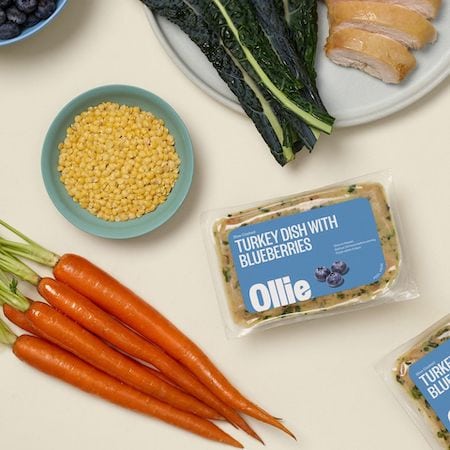
Dry kibble contains the essential nutrients that your dog needs in the correct ratios, and it is convenient to store and readily available. Most vets recommend a diet consisting of 80% dry food and 20% wet food or lean meats and organ meats. American Journey makes great dry foods and wet foods for large breeds, and all their food is grain-free.
Avoiding Underfeeding & Overfeeding
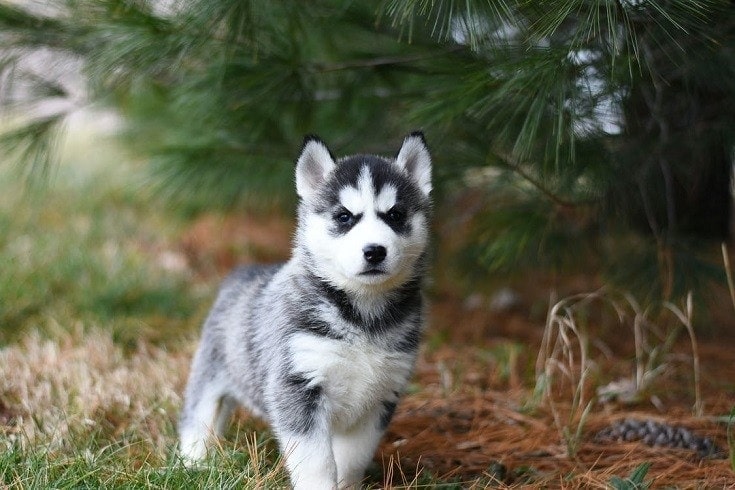
Male Huskies are between 45–60 pounds at a year old and females between 35–55 pounds. They will typically reach their full size at 12 months, but they may fill out and gain more weight in their second year too.
Huskies will grow rapidly from the time you bring them home (8 weeks) until around 4 months, and their growth should begin to slow down and stop at around a year. While all dogs are unique and will gain weight at different rates, your Husky should never look plump and overweight during this first growth stage.
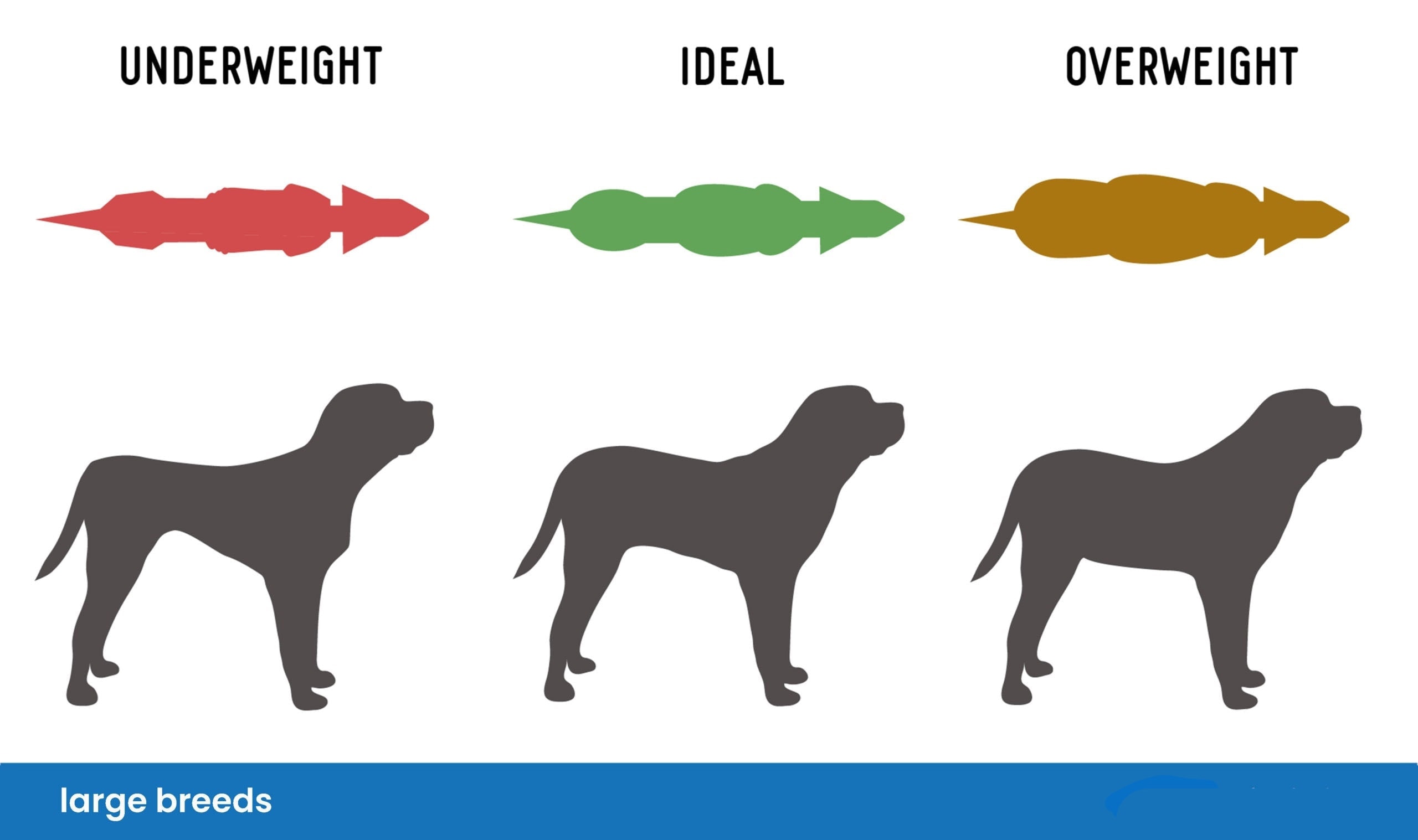
Huskies will be fairly lanky and slowly fill out during their first year, so plumpness could be a sign that you are overfeeding them or that their food has unnecessary calories. Of course, if they appear to be gaining weight too slowly and you can feel their ribs, they may not be getting enough calories overall or the food you are giving them may be lacking in essential nutrients.

When to Switch From Puppy to Adult Food
Huskies are typically fast-growing and fast-maturing dogs, and you can begin transitioning from puppy food to adult food at around 6 months old, which is near the middle of our Husky feeding chart. Puppy foods are aimed at supporting the rapid growth of your Husky and are packed with extra protein and nutrients.
From about 6–12 months, your Husky’s growth will begin to slow, and it won’t need these extra nutrients. Feeding them puppy food for too long may cause them to become overweight.
The ideal way to transition your Husky from puppy food to adult formula is to do it slowly. Mix a small amount of adult food into your puppy food and gradually increase it over a couple of weeks. By taking this process slowly, your pooch will be far less likely to have any gastrointestinal issues.
Why Won’t My Husky Puppy Eat?
Huskies don’t require as much food as other breeds and typically have fairly sensitive stomachs. Of course, they should still be eating regularly, and if you notice a decline in their eating habits, there are a few possible reasons.
If you try all of the above and your pooch is still not eating, there may be an underlying health issue, such as zinc deficiency, and you’ll need to go and see the vet.
How Much to Feed an Adult Husky
Huskies will typically eat only until they are full, so if they are leaving food in their bowl after meals, it is a good indication that you may be feeding them too much. When determining how much to feed a husky, we recommend following the food manufacturer's advice but lowering the amount by around 20%.
Of course, this depends on the quality of the food and the energy levels and size of your Husky.
You can also use our calculator as a reference:
Dog Calorie Calculator
Recommended Daily Calories
The exact amount of calories an individual animal needs to maintain a healthy weight is variable and influenced by many factors including genetics, age, breed, and activity level. This tool is meant to be used only as a guideline for healthy individuals and does not substitute veterinary advice
Husky Feeding Guide for Seniors
As your Husky gets older, they tend to be less active and energetic, their metabolism slows down, and they need less food to sustain them. At this stage of their life, they can easily become overweight if their diet is not closely monitored and adjusted, and most vets recommend around a 20% caloric reduction in senior dogs.
This is especially true for Huskies that have degenerative issues, like hip dysplasia, that are preventing them from being active.
We highly recommend feeding your senior Husky specially-made commercial foods that are tailored toward senior dogs. These foods typically have more fiber to aid in digestive health, fewer fats, and fewer calories overall. They are also usually loaded with added beneficial vitamins and minerals. Senior dogs will generally need more hydration, so you may want to supplement their dry food with more wet food or lean meats than usual.
We recommend the Active Life Formula Senior dog food from American Journey because it is free from grains and poultry by-products, contains added vitamin A for healthy vision, has glucosamine and chondroitin for joint and mobility support, and has a healthy antioxidant blend to encourage optimum brain function.
Why Is My Husky Always Hungry?
There are a variety of factors that can affect your Husky’s appetite. If they are still growing, this is fairly normal behavior, and you may just need to feed them a bit more. The most likely reason for your Husky being hungry all the time is a lack of essential nutrients in their diet, and you may need to consider changing the brand of food that you are feeding them or adding in more nutrient-rich foods.
There also may be an underlying health issue to explain their constant hunger, most commonly worms. Make sure your Husky is dewormed regularly, as worms will cause a rapid increase in their appetite. Another possible reason is over-exercise—although it takes a lot to tire out a Husky! Most Huskies will need around 2–3 hours of exercise a day, and if your pooch is getting more than that, they may be burning up a large amount of energy and require extra calories.
Seasons also make a difference to your dog’s appetite, and Huskies may not eat as much in warmer months as they do in winter. While a Husky will generally only eat until they are full, we do not recommend free-feeding them. Your dog needs boundaries, and a scheduled meal is a great way for them to learn a routine.
Also, all dogs are unique, and while some Huskies can easily self-regulate, others cannot and will quickly become overweight. If you are out frequently, an automatic dog feeder can keep your pooch on a regular feeding schedule.
What Foods Are Bad for Huskies?
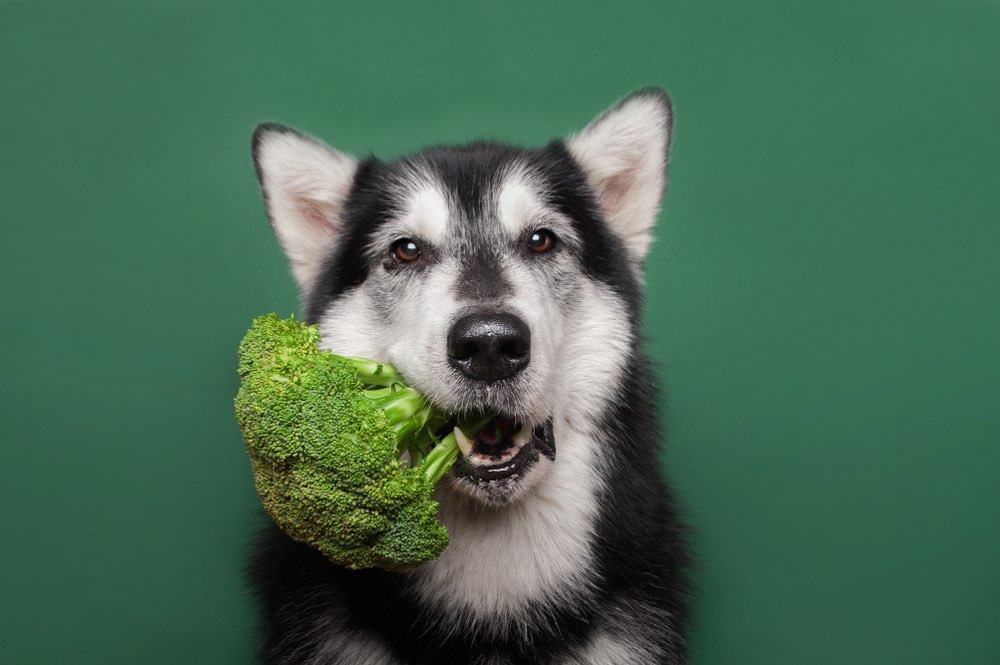
Like all dogs, there are several foods that you should strictly avoid giving your Husky. Some foods are harmful to your dog, while others can be lethal, so be sure to avoid letting them eat the following:

Conclusion
All dogs, including Huskies, are unique and will require a tailored feeding schedule according to their needs. That said, there are general guidelines and schedules that you can apply to your Husky that will help keep them trim and healthy.
Above all, make sure you give them the best quality, most nutrient-dense food that you can afford, feed them two to three meals a day in the first year, and avoid free-feeding them. All of this will help your Husky live a happy and healthy life.
Featured Image Credit: Julissa Helmuth, Pexels
Get Hepper In Your Inbox


Pet care tips from our vets and experts, straight to your inbox.
You may opt-out at any time. View our Privacy Policy for more information.

Nicole is a lover of animals of all sizes but is especially fascinated with the feline variety. She’s the proud mom of Baby, a Burmese, and works every day so he can relax in the sunshine or by the fire. She’s always had a cat in her home and has spent countless days with others, observing behaviors and softening up even the grouchiest of the lot. Nicole wants to share her kitty expertise with you so you and your cat can live happy, healthy, and care-free.
Join the conversation
Ask a question, share your story, or send private feedback.