Hepper is reader-supported. When you buy via links on our site, we may earn an affiliate commission at no cost to you. Learn more.
Can Adult Dogs Eat Puppy Food? What to Know!


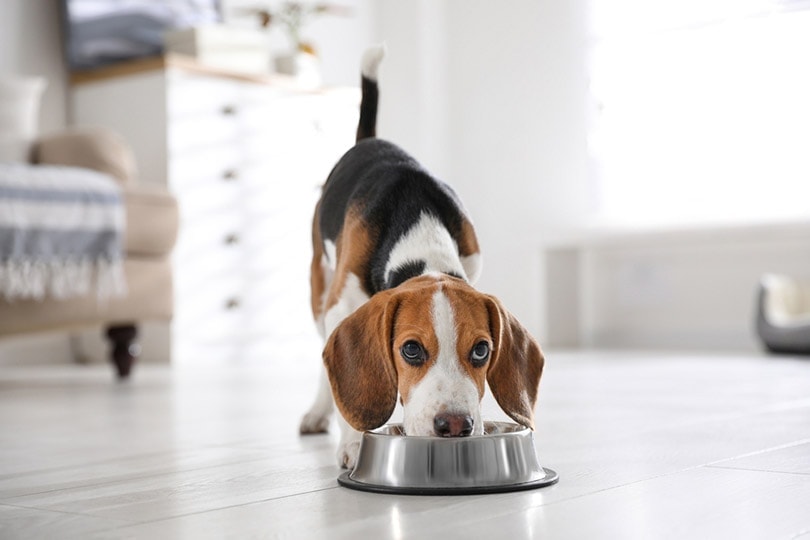
What kind of food you feed your dog is determined by their life stage. Puppies need food with higher caloric content than adult dogs to support their growing bodies. Thus, it’s typically not recommended for your adult dog to eat puppy food.1 Eating puppy food can cause your dog to become obese due to the high caloric content of the food.

What’s the Difference Between Puppy, Adult, and Senior Dog Food?
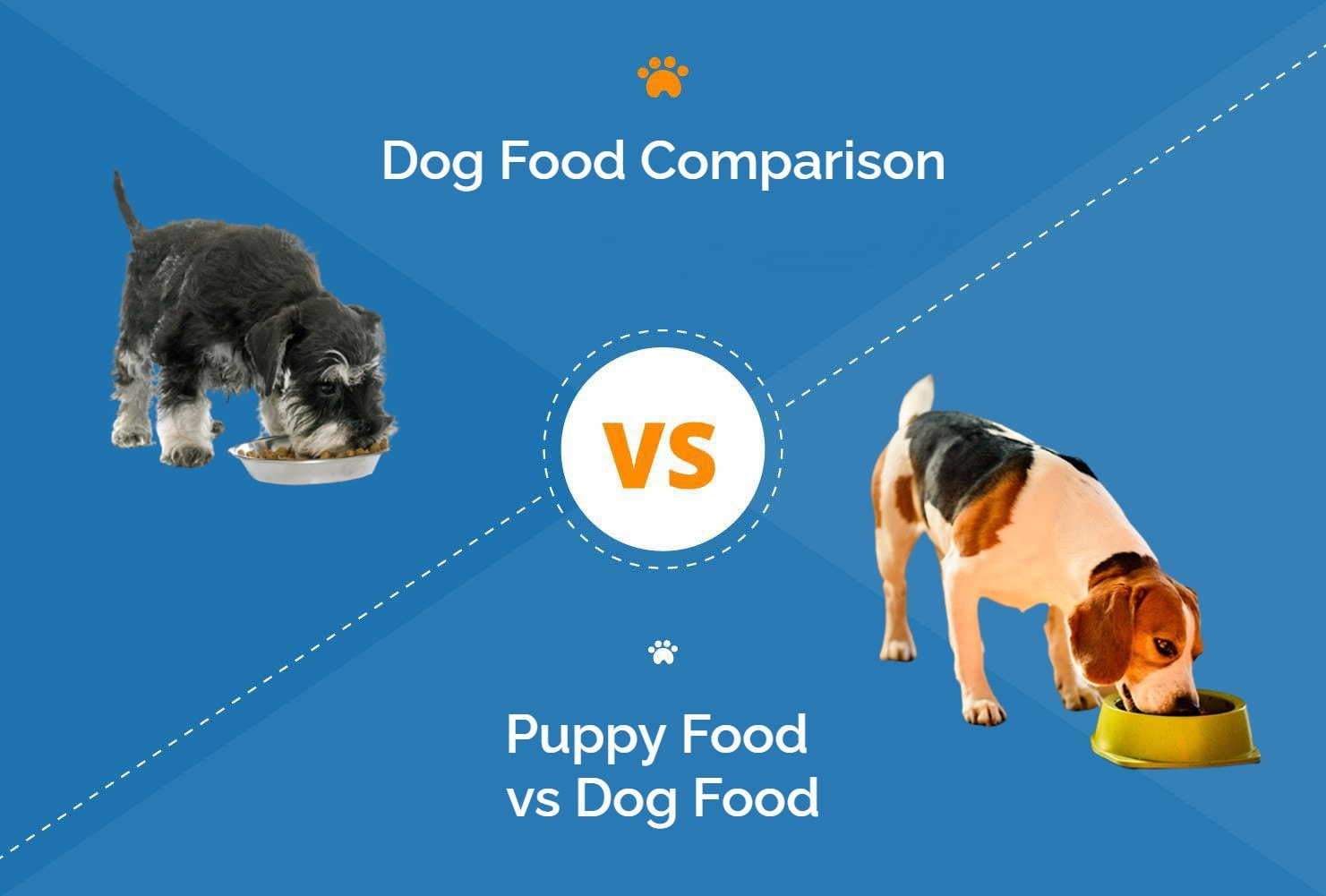
Puppy, adult, and senior dog foods are all formulated differently to accommodate the changing needs of dogs as they transition between life stages. A dog’s nutritional needs will change as they get older, just like humans. Puppy food is formulated to consider all the expended calories associated with growing.
It is typically recommended that puppies be switched to adult food sometime between the six to twelve-month mark. This is a ballpark estimate based on when most dogs start to reach their adult height and weight.
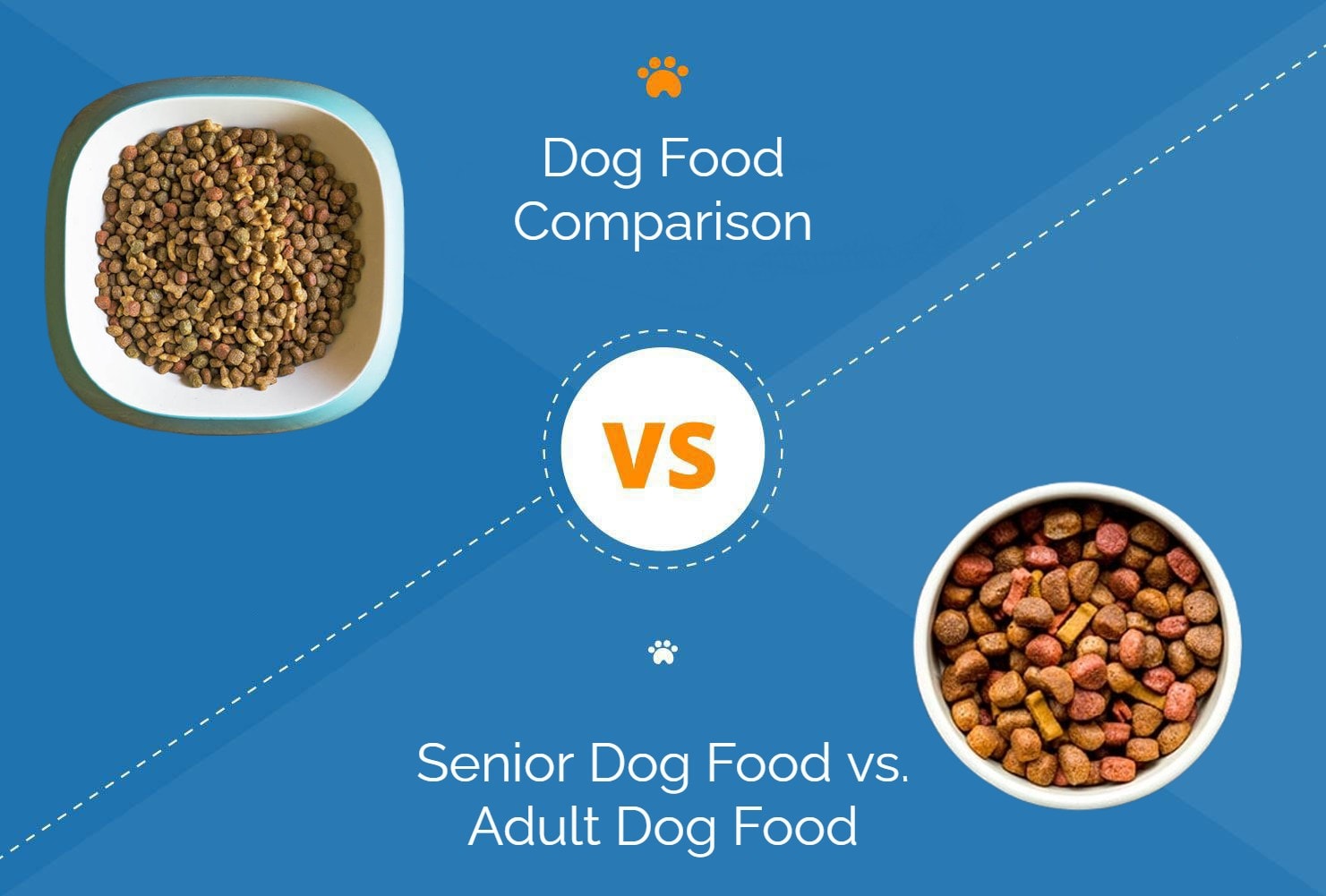
Conversely, as your dog ages, it will need fewer and fewer calories the older it gets. Since dogs—like people—become less mobile and active as they age, they’ll need to be put on senior dog food. Senior dog foods are formulated with fewer calories than adult food, with extra fiber to help digestion.
How Much Food Should I Give My Dog Daily?
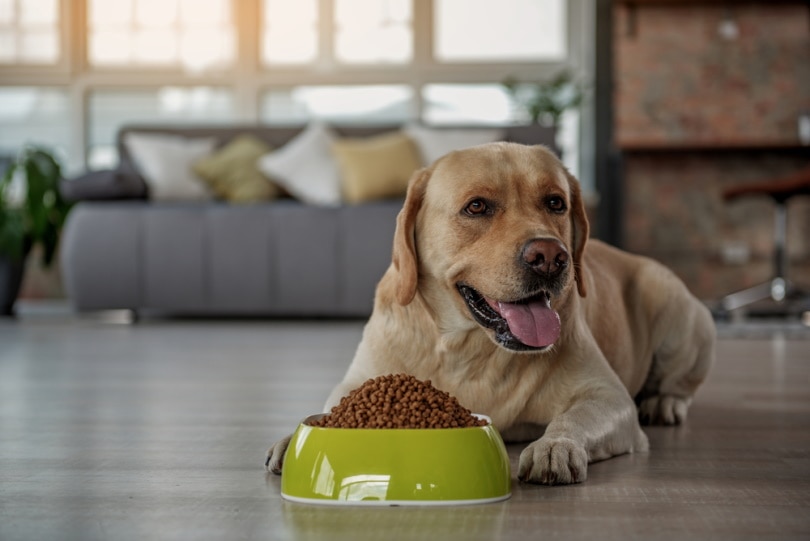
Most pet parents feed their puppies three meals a day. When your puppy ages out of puppy food, experts recommend cutting that down to two meals a day, each consisting of a half-portion of adult dog food.
However, each dog will have individual needs in terms of nutrition. Blue Buffalo recommends that pet parents follow their dog’s lead regarding how much he or she may need to eat. Therefore, if an older puppy starts not eating all of his food at every meal and still acts normally otherwise, he simply may not need any more calories that particular day, even if his weight and age correlate with a specific amount on his dog food label. There isn’t a predetermined amount of dog food that every dog needs.
Observe your dog to see if they’re eating all their food. Additionally, watch how your dog’s physique changes. If your dog is starting to get a bit rounder, it may be time to cut back. You can also weigh your dog regularly to ensure that they’re staying within a healthy weight range.
If your puppy isn’t as excited about its food or is regularly skipping meals, your dog is probably ready to switch to adult food.
To make sure you're feeding your dog the right amount, check out our dog food calculator here:
Dog Calorie Calculator
Recommended Daily Calories
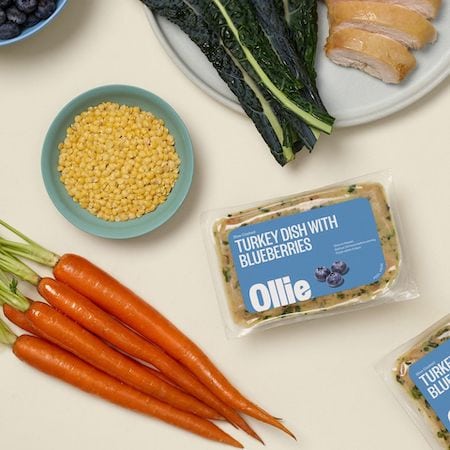
The exact amount of calories an individual animal needs to maintain a healthy weight is variable and influenced by many factors including genetics, age, breed, and activity level. This tool is meant to be used only as a guideline for healthy individuals and does not substitute veterinary advice

How to Switch Your Dog From Puppy to Adult Food
Making the switch from puppy recipes to adult ones is a gradual process. Changing too fast can cause gastrointestinal upset, making it hard to get your dog to eat their food in the future. Here’s a useful method for switching your dog’s food without causing gastrointestinal upset.
1. Mix Some Adult Food with Your Puppy’s Regular Food
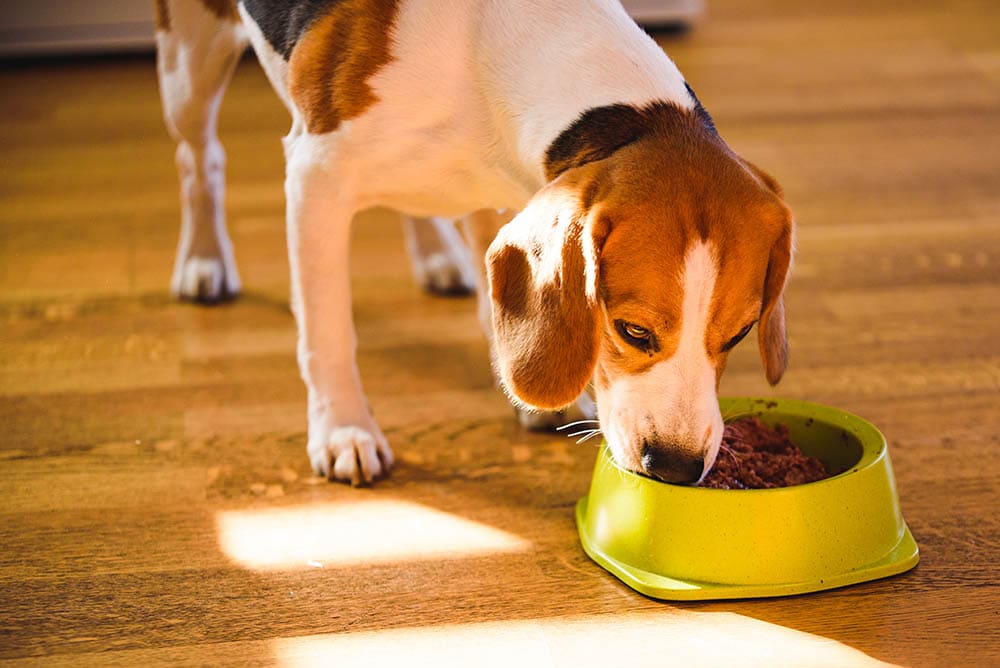
This will help get your puppy’s stomach used to the nutrient profile of their new food without too much change too quickly. You’ll want to start with a mixture that’s about 90% puppy food and 10% adult food to help your dog’s stomach get used to their new food.
2. Slowly Increase the Amount of Adult Food in the Mixture
There is no hard and fast rule about how long this will take. Blue Buffalo recommends making the switch over one week. Gradual increases should allow you to switch your dog’s food over to its new food without upsetting its tummy.
Conclusion
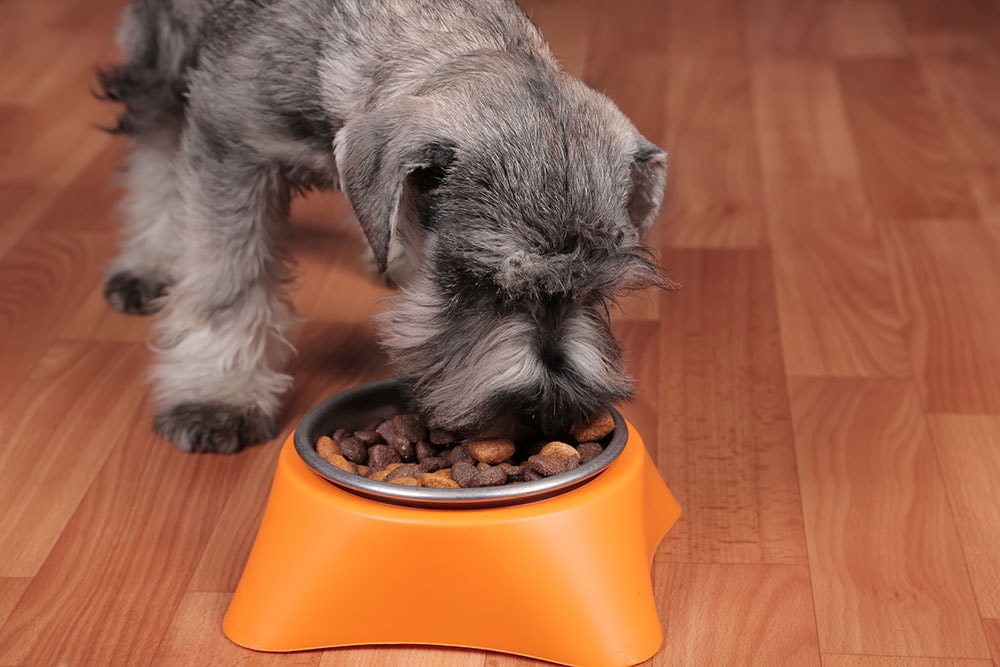
Switching your dog from puppy food to adult food is an exciting time in your puppy’s life. It’s a major step in your dog’s development from a puppy to a fully grown dog. While it may be tempting to keep your dog on puppy food for their whole life, this isn’t healthy and can result in unnecessary weight gain in the long term.
Featured Image Credit: Przemek Iciak. Shutterstock
Get Hepper In Your Inbox


Pet care tips from our vets and experts, straight to your inbox.
You may opt-out at any time. View our Privacy Policy for more information.
Luxifa is a freelance writer with a passion for animal science and technology. She loves to share the world of animal science with people to help them make informed decisions for themselves and their pets. Luxifa has worked in professional pet care for over six years and realised she could help change the world of pet care by bringing the information people needed to them in terms they could understand. Knowledge is power and she loves to help everyone become the most informed they can be.
Join the conversation
Ask a question, share your story, or send private feedback.