Hepper is reader-supported. When you buy via links on our site, we may earn an affiliate commission at no cost to you. Learn more.
How Much Should You Feed a Pug? Feeding Chart & Health Tips
In this article
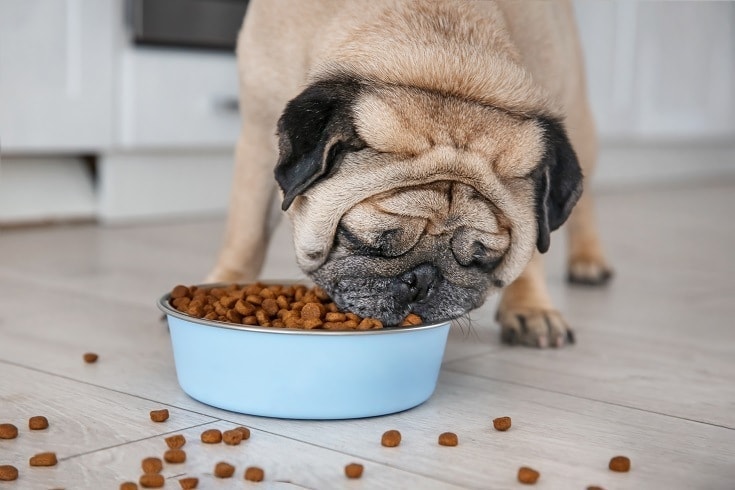
An important part of taking good care of your Pug puppy is making sure that they are properly fed and that they get all the nutrients that they need to grow strong and healthy. Puppies have different nutritional needs than adult dogs, and if your Pug is like most, they seem to like anything that they are fed. Luckily, there are many commercial foods available on the market.
Homemade food can be made that will meet a dog’s nutritional needs as time goes on. There is also the raw doggy food diet that seems to keep getting more popular as time goes on. But what kind of dog food is right for your Pug? How much should you be feeding them? What will the dog not eat? Are there special considerations for a senior Pug? The answers to these questions and more can be found in our Pug feeding guide below.

Adult Feeding Chart
Important Note: The amount of calories each juvenile dog needs for healthy growth and development depends on many factors, including their age, breed, and activity level. These charts are general guidelines for healthy young dogs, but we recommend confirming them with your vet.
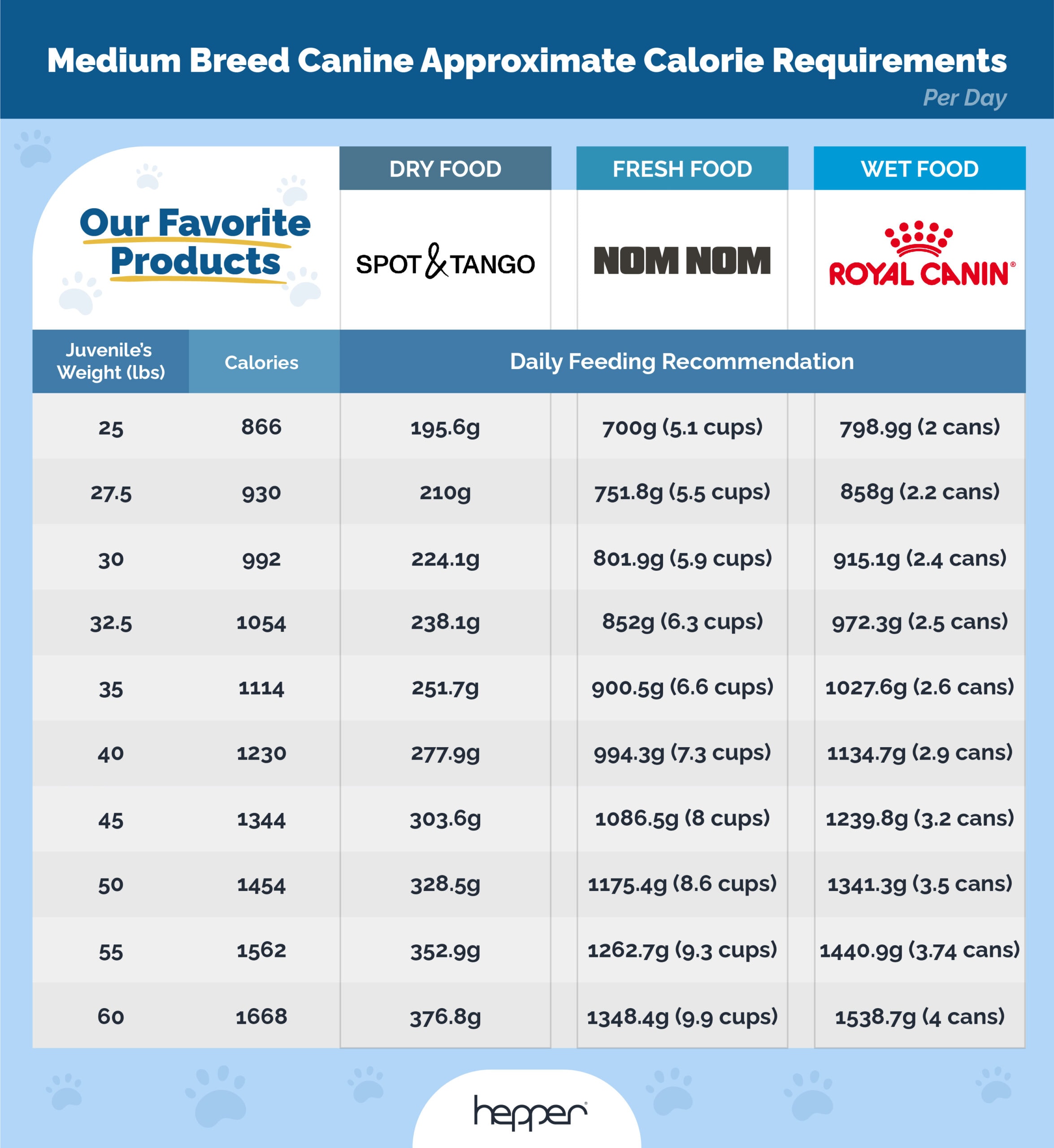
You can also complement this guide by using our dog food calculator here:
Dog Calorie Calculator
Recommended Daily Calories
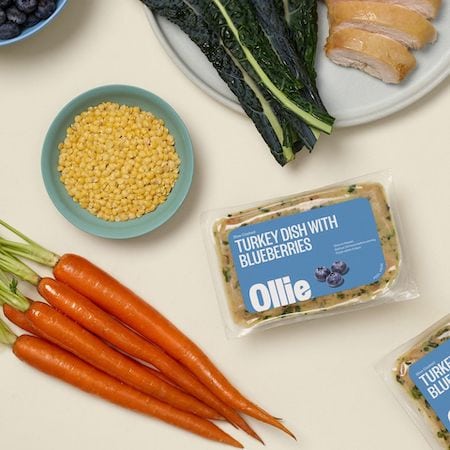
The exact amount of calories an individual animal needs to maintain a healthy weight is variable and influenced by many factors including genetics, age, breed, and activity level. This tool is meant to be used only as a guideline for healthy individuals and does not substitute veterinary advice
What to Feed My Pug Puppy
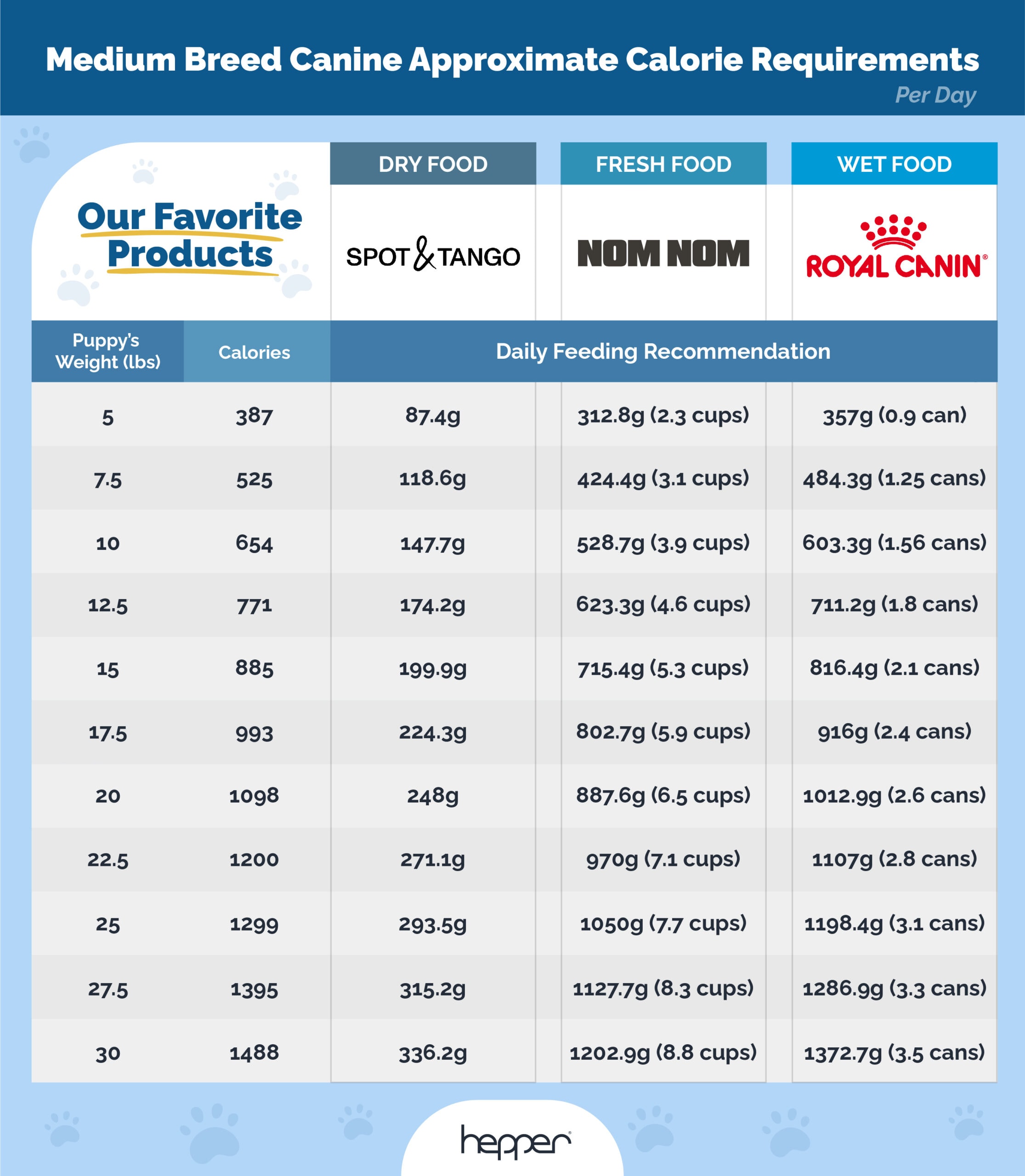
The truth is that you can feed your Pug a few different types of foods to fulfill their optimal nutritional needs. What you do decide to feed your pooch should be based on the quality of the food, no matter the type, and your personal feeding preferences. Here is what can be on the table for your Pug.
Commercial Dry Food (Kibble)
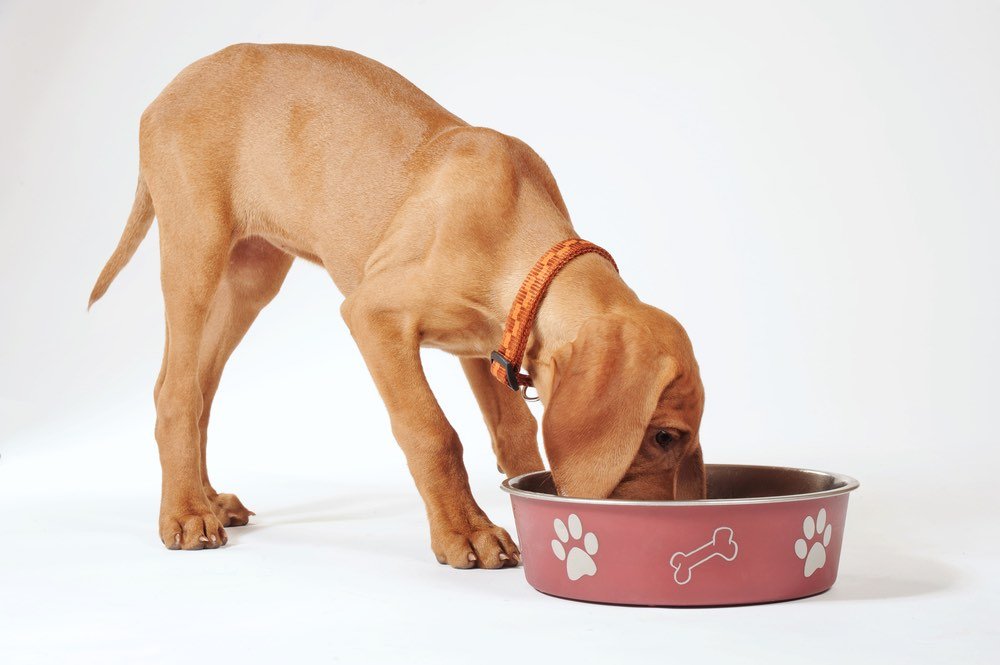
Commonly referred to as kibble, commercial dry dog food is the most common and widely available option on the market. Manufacturers of this type of food work hard to balance the ingredients and create a completely balanced nutritional profile for dogs like your Pug.
Some brands, like Royal Canin, offer puppy and adult foods made just for Pugs. This is exclusive kibble designed to keep the Pug’s skin and coat soft, their digestive system healthy, and their immune system strong.
Whether you choose a dry dog food made just for Pugs or one made for dogs in general, it should include real meat or animal meal as one of the first ingredients on the list. The upside to commercial dry dog food is that it is affordable and easy to administer. It is also typically easy to store for the long term without worrying about it spoiling. The downside is that it tends to be dehydrating, so water should be available to your Pug throughout the day.
Commercial Wet Food
Commercially made wet dog food tends to be more nutrient-dense than dry food because it contains fresher ingredients and usually has fewer grains, if any at all. Most wet foods have real whole meat or seafood and broth as the first ingredients. Sometimes, veggies are thrown in for good measure, but many are meat-centric to meet the high protein needs of your growing Pug.
Wet food is not as easy to store as dry food is, because it must be refrigerated after being opened. However, Pugs tend to enjoy the flavor and texture of wet food more than dry. Wet food is also a little more expensive than dry food, especially when trying to feed Pugs that are full-grown and in their prime.
Raw Food
A raw food diet is said to result in better digestion, a healthier coat and immune system, optimal dental health, and less susceptibility to allergies among other things. A raw food diet typically consists of quality meat, a source of calcium (such as bones), animal organs, and a lower fat count than most commercial foods offer.
Feeding your Pug a raw food diet will take commitment and a strong understanding of the nutrition that they need. This type of diet can be expensive and can require storage space in the fridge and freezer. It is recommended that you consult with a veterinarian to put together a complete meal plan to follow if you choose to go this route.
If you want to provide your pooch with the benefits of the raw food diet without going through the motions of actually feeding them raw meat and bones, you can use a product like Meal Mixers by Stella and Chewy’s, which is designed to top commercial or homemade food. It is a freeze-dried raw food supplement that is delicious and nutritious.
Homemade Food
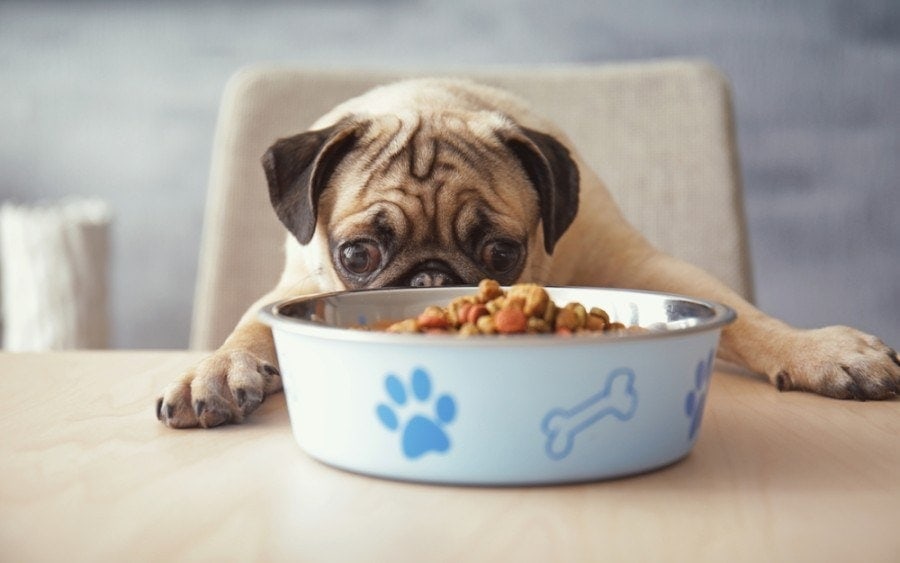
Another option that some Pug owners choose is making homemade food for their pooches. The process requires about a day of cooking in the kitchen, but the time that you spend in your kitchen should yield enough food for your pooch to eat all week long. You will just have to store the leftovers in the fridge each day until the entire batch has been offered and consumed.
Homemade dog food usually consists of whole meat like chicken, eggs, fish oil or flaxseed, brown or white rice, possibly vegetables like carrots and peas, and maybe even supplements of some kind. It depends on what kind of recipe you decide to follow. Any recipe that you consider feeding your dog should be approved by your veterinarian first.
Avoiding Underfeeding & Overfeeding
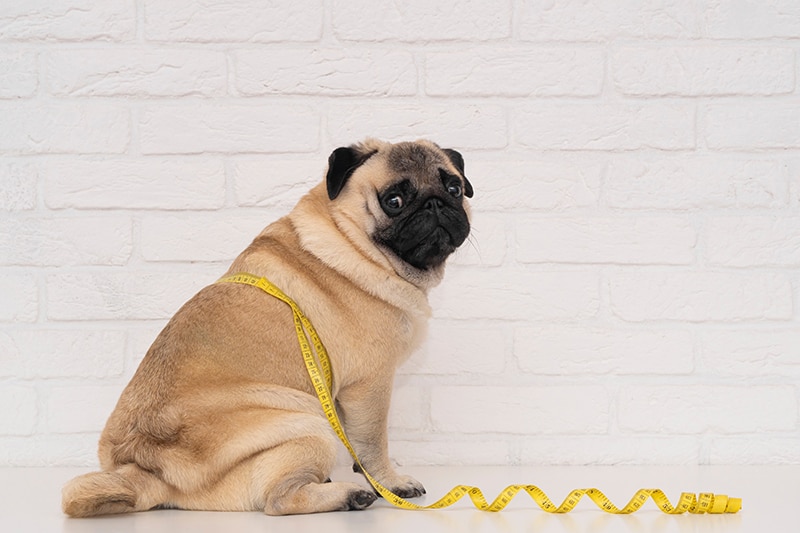
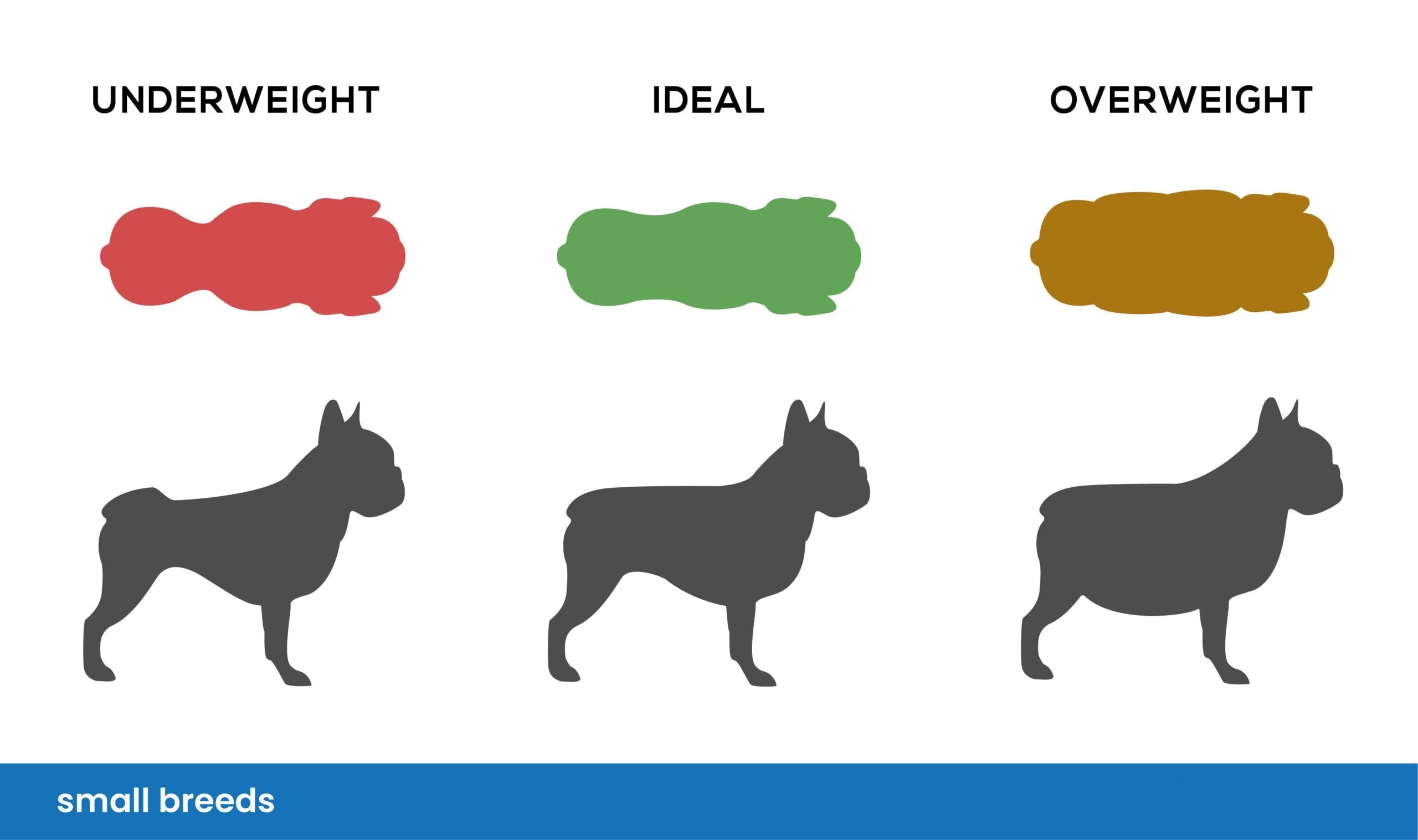
The best to know whether you are underfeeding or overfeeding your Pug is to take them to the veterinarian for a checkup and to get a report back from the vet about their weight and health. But you can quickly tell whether your pooch is being underfed or overfed by checking out their physique every day. If you can see your dog's ribs, chances are that they are being underfed.
If you cannot feel your dog’s ribs under their coat, chances are that you are overfeeding them. If your dog is underfed for too long, you could notice signs like lethargy and an unwillingness to interact with family members. If your dog is overfed, they may succumb to problems like diabetes.
If you find that your dog is getting underweight, start feeding them up to an extra cup of food each day. Reduce the amount by up to a cup if your dog is getting pudgy and out of shape. To help avoid under and overfeeding your dog, follow the feeding directions on the packaging of any commercial food you buy for them. If you decide to go the raw or homemade food route, your veterinarian can provide you with a feeding guide.
When to Switch From Puppy to Adult Food
Puppy Pugs should eat food that is designed specifically for puppies because it contains higher protein content than adult food to support the quick growth spurts that puppies go through as they make their way into adulthood. Extra immune support is also typically present in puppy food. Once Pugs become adults, they are not as active as when they were pups, and they are not growing at exponential rates, if at all.
Therefore, they need food with less protein than what puppies get. Pugs can typically switch to adult dog food between the ages of 9 and 12 months because much of their growth will be complete at this time. The tricky part is the actual process of switching your pooch from puppy to adult dog food. If not done slowly and intentionally, switching to a new food can cause digestion issues for your dog that could create messes around the house. Lethargy and nausea may follow.
When switching from puppy to adult food, start by providing your Pug with ¾ puppy food and ¼ adult food at each meal for a couple of days. Then, switch the ratio to 50/50. After another couple of days, you can offer ¼ puppy food and ¾ adult food. Finally, offer only adult food.
Why Won’t My Pug Puppy Eat?
There are many reasons why your Pug might seem like they do not have an appetite. The first thing to consider is whether you are overfeeding them. If your pooch does not want to eat their last meal of the day, they could simply be full and satisfied. However, other issues could lead to a pup not eating such as:
How Much to Feed an Adult Pug?
Adult Pugs will generally eat about a cup of dry commercial dog food each day or the equivalent, although certain differences might scale this amount up or down as time goes on. Here are the most important factors to consider.
Active vs. Sedentary
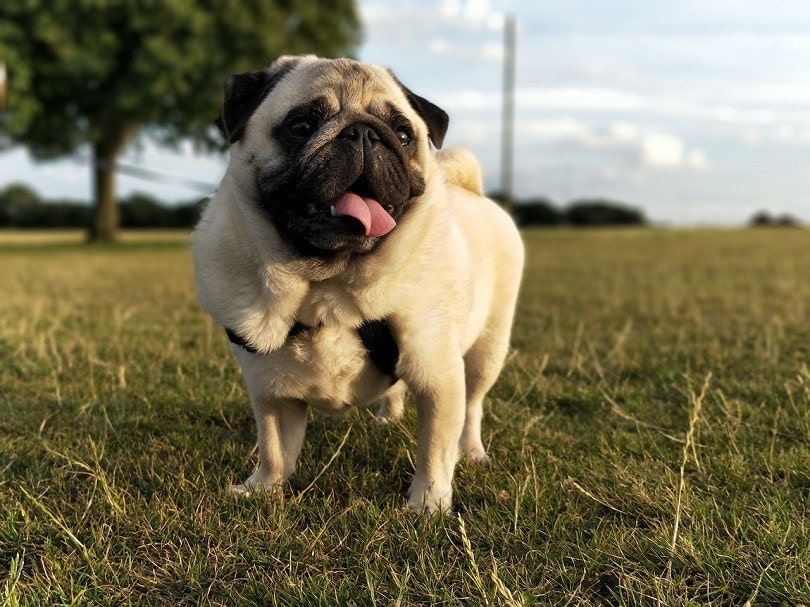
More active dogs will require more food than those that tend to be sedentary. If your pooch takes multiple walks every day, spends a great deal of time playing with kids throughout the day, or enjoys outdoor time with family members each afternoon, chances are that your dog will need a little more food than the average pooch. Shoot for about a ¾ cup of commercial dry food instead of ½ cup twice a day.
Sedentary dogs might not eat more than ¼ cup of dry commercial food or the equivalent twice a day. If your pooch takes only one short walk each day and spends most of its time lounging around the house, chances are that they should be fed as a sedentary dog.
Spayed vs. Neutered
Sometimes, dogs that are not spayed or neutered eat more than the average pooch. This is because they tend to be more active and excitable, which results in the need for more calories to support their energy needs. Up to an extra ¼ cup of food at each mealtime may be necessary to maintain the nutritional needs of Pugs that have not been spayed or neutered.
Pregnancy
Pregnant Pugs need up to twice the amount of food that an adult dog would need. Instead of feeding your pregnant dog puppy or adult food, consider a food designed for all life stages that indicates its suitability for pregnancy. This type of food offers more protein and fat than adult food to support the extra growth they go through, but not as much as puppy food, which could make them overweight after birth.
What Foods Are Bad for Pugs?
There are a few foods that you should never feed your Pug to ensure their good health and to avoid serious problems like poisoning and even death. Here are a few food items that should be avoided at all costs:
Ask your veterinarian for an exhaustive list of foods to avoid so you can ensure that you don't feed them as snacks or put them into homemade food and that the items are not included in any commercial food that you choose to invest in.
Conclusion
This information should help you decide what to feed your dog, how much, and when. You should also have a good idea of what to avoid and peace of mind in choosing a type of food, whether commercial, homemade, or raw. Nothing is ever written in stone, though, so don’t be afraid to experiment!
Related Read: Can Pugs Swim? How to Help Them Enjoy The Water
Featured Image Credit: Praisaeng, Shutterstock
Get Hepper In Your Inbox


Pet care tips from our vets and experts, straight to your inbox.
You may opt-out at any time. View our Privacy Policy for more information.

Nicole is a lover of animals of all sizes but is especially fascinated with the feline variety. She’s the proud mom of Baby, a Burmese, and works every day so he can relax in the sunshine or by the fire. She’s always had a cat in her home and has spent countless days with others, observing behaviors and softening up even the grouchiest of the lot. Nicole wants to share her kitty expertise with you so you and your cat can live happy, healthy, and care-free.
Join the conversation
Ask a question, share your story, or send private feedback.