Hepper is reader-supported. When you buy via links on our site, we may earn an affiliate commission at no cost to you. Learn more.
8 Dog Breeds Prone To Diabetes - Vet-Approved Facts & FAQ


As a dog owner, you might be wondering what types of dog breeds are more likely to develop diabetes. There is a range of health issues that your canine companion can develop, and diabetes seems to be a common one in some dog breeds.
Common co-factors in diabetes include the dog’s body weight, diet, and genetics. All dog breeds, both pure and mixed breeds can develop diabetes regardless of if they are on the list or not. However, some breeds are simply more likely to develop this disorder than others.

Understanding Diabetes in Dogs
Diabetes mellitus is described as a chronic health disorder that affects the dog's metabolism and how the body uses insulin to regulate blood sugars or glucose levels. There are two main types of diabetes that dogs can develop—either insulin-deficiency diabetes (Type 1) or insulin-resistant diabetes (Type 2).
There is a third type of diabetes that can affect female dogs, and it is hormone-induced. However, this type of diabetes is rare in dogs, and often fatal. Of the two, insulin deficiency or Type 1 diabetes is the most common in dogs.
A dog affected by Type 1 diabetes will struggle to produce insulin due to the beta cells (insulin-secreting cells) being destroyed. Type 1 diabetes can develop suddenly in dogs, and your dog will need to be supplemented with insulin to function normally. The less common form of diabetes in dogs, which is Type 2, can occur when the pancreas produces less insulin and the dog’s body does not respond as it should to the secreted insulin. This results in a higher blood glucose level.
For the most part, diabetes is a life-long disorder that needs to be managed with dietary changes and medications with the help of your dog’s veterinarian.

Dog Breeds Prone To Diabetes
When deciding which dog breeds are more predisposed to developing diabetes than others, the following factors increase the breed's likeliness.1
- Dogs prone to pancreatitis or poor functioning pancreas may be prone to diabetes.
- Obesity in dogs may contribute to insulin resistance, increasing their risk of pancreatitis. A range of health issues can develop in obese dogs, including diabetes.
- Dog breeds are prone to weight gain and obesity due to lifestyle factors and genetics.
- Dogs with unbalanced or increased hormone levels, such as progesterone and cortisol.
- Cushing’s disease is an endocrine disorder that affects the dog’s cortisol level.
- Genetic susceptibility, such as in purebred dogs.
Now, let's discuss eight dog breeds that are prone to diabetes.
The 8 Dog Breeds Susceptible To Diabetes
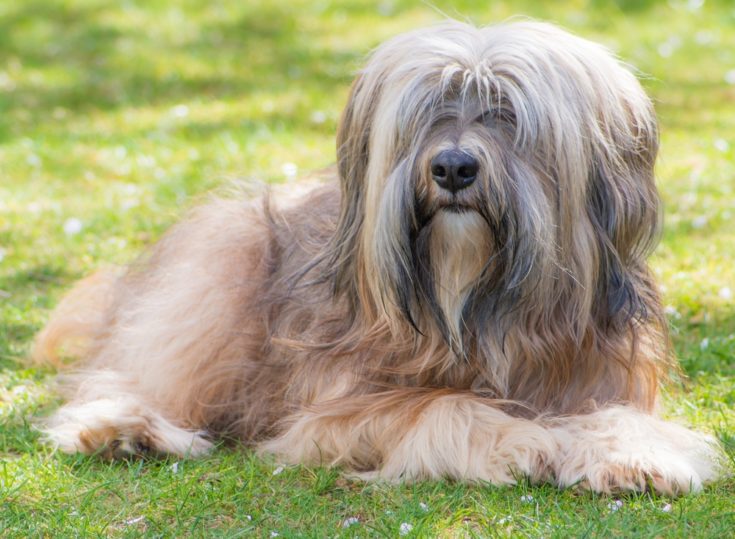
1. Terriers (Yorkshire, Australian, Tibetan, Cairn)
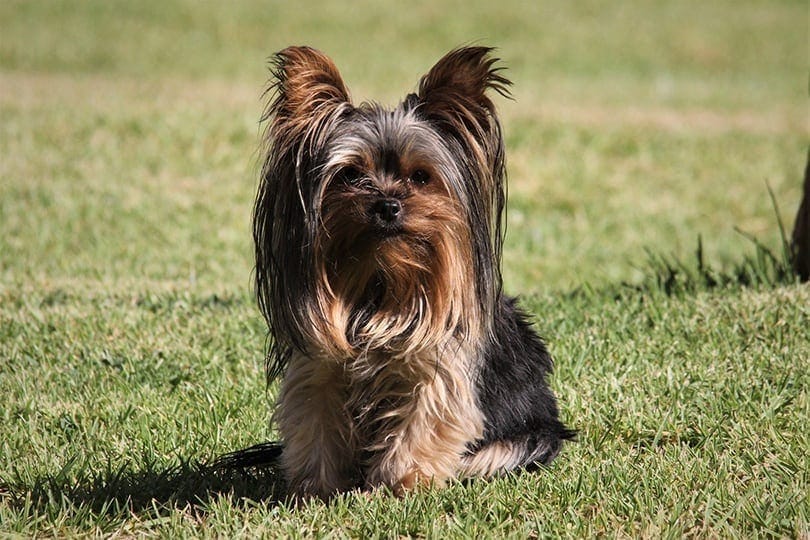
The first dog on the list is terriers like the Yorkshire, Australian, Tibetan, and Cairn terriers. These terriers may develop diabetes due to genetic predisposition since terrier breeds are prone to obesity and may have genes that predispose them to diabetes.
According to the Universities Federation for Animal Welfare (UFAW), research has found that Yorkshire Terriers have certain genes that can contribute to the development of diabetes. It was also found that Yorkshire terriers are at an increased risk of developing this condition in comparison to other dog breeds.
2. Keeshond
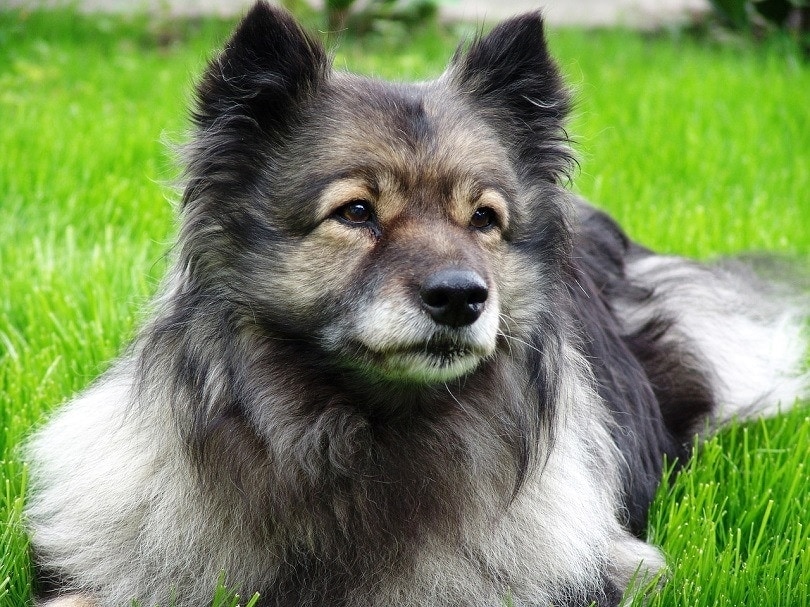
The Keeshond is a type of medium-sized dog with a plush coat and plumed tail. Although this dog breed is considered rare, they are at risk of developing diabetes at a young age. According to one source, the purebred Keeshond is prone to early onset diabetes even if they are not obese. This may be due to a type of insulin-requiring hereditary disorder, with the absence of islet beta cells in the pancreas.
Even though Keeshond's diabetes hasn’t been linked to obesity, as an energetic dog breed, they should still be properly exercised and fed a healthy diet to prevent obesity.
3. Poodle
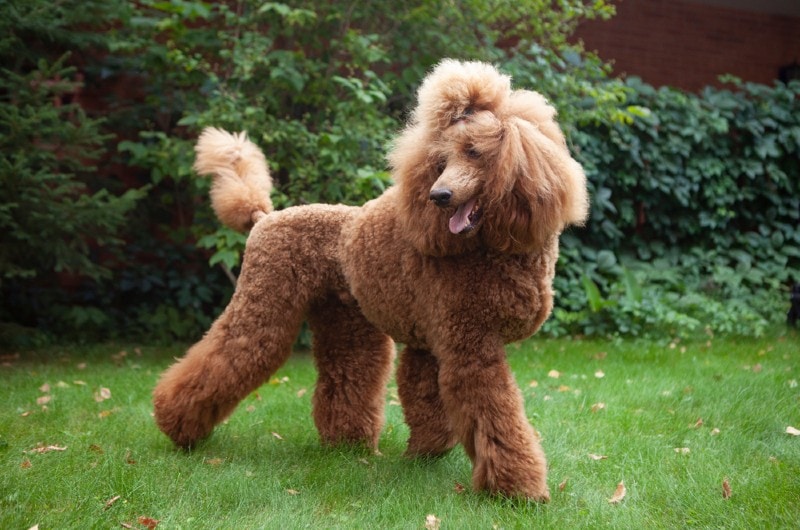
Poodles, more specifically Miniature or Toy Poodles, are prone to diabetes. This is due to studies that have found them to be plentiful in diabetic dog populations. The likelihood for this breed to develop diabetes may also be linked to the breed's susceptibility to developing cataracts. Most dogs will develop cataracts within the first few years of developing diabetes, and it can be caused by excess glucose in the eye lens.
4. Pug

The popular brachycephalic Pug with their characteristically flat faces and loving natures are known for their ability to put on weight quickly. Since obesity is so common in Pugs which is a link to diabetes, they are susceptible to developing diabetes mellitus. This is especially true for overweight Pugs.
Aside from obesity putting Pugs at risk of developing diabetes, another concern is breathing issues from all the extra weight.
5. Labrador Retriever
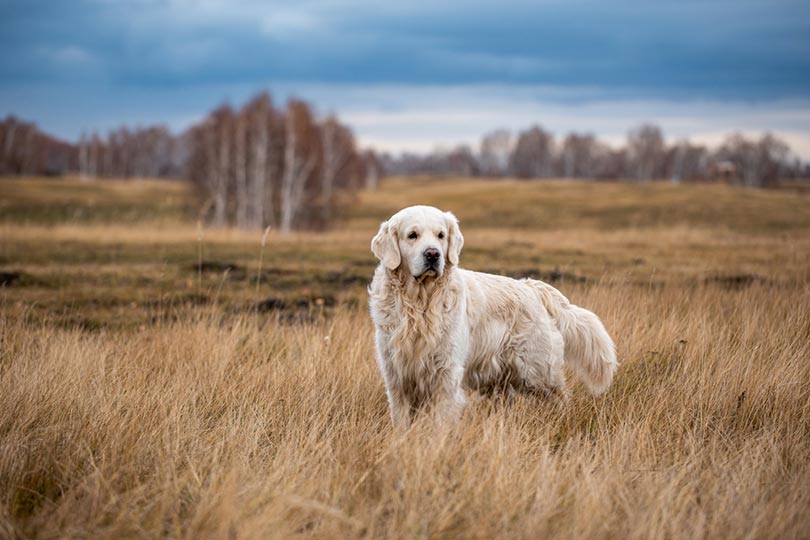
The loving and playful Labrador Retriever is at risk of developing diabetes, usually when they are overweight. This makes it important to watch your Labrador's weight and ensure that they are living a healthy lifestyle with appropriate eating habits and exercise. Chronic pancreatitis can also lead to diabetes in Labrador Retrievers—due to the damaged pancreas, insulin production can be affected.
6. Miniature Schnauzer

Compared to the general dog population, the Miniature Schnauzer has been found to have an increased risk of developing diabetes. This is due to the Miniature Schnauzer's predisposition to developing pancreatitis, which increases this dog breed's likeliness to develop diabetes. Along with genes that likely contribute to diabetes in miniature schnauzers according to UFAW.
7. Samoyed

The fluffy Samoyed is prone to diabetes mellitus, mainly due to an inherited predisposition in the breed like other Spitz or Scandinavian dog breeds. Samoyeds can also develop diabetes due to chronic pancreas inflammation, or pancreatitis.
This condition can occur in middle-aged to senior Samoyeds and increase their risk of developing diabetes.
8. Norwegian Elk Hound
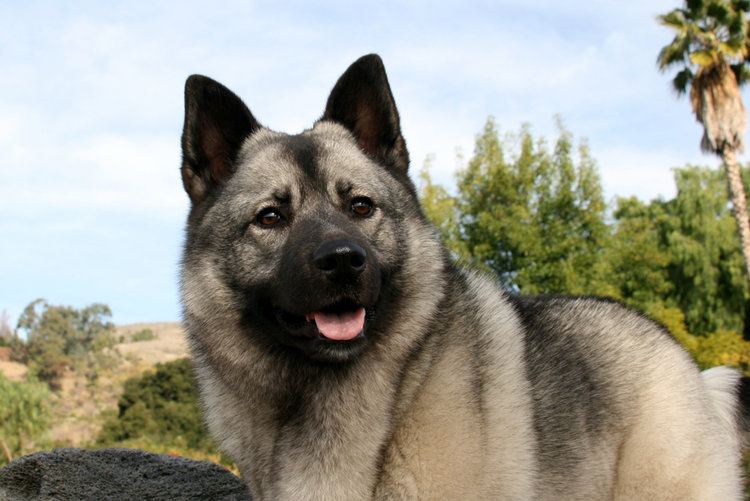
The large and active Norwegian Elk Hound is prone to developing diabetes mellitus. There have also been cases where the female Norwegian Elk Hound has developed diabetes during pregnancy, mainly due to hormonal changes.
A study done on the connection between diabetes in the Norwegian Elk Hound and pregnancy found that this dog breed was more likely to develop gestational diabetes mellitus. However, this does not mean that male Norwegian Elk Hounds are excluded from developing diabetes.

Conclusion
Although the dog breeds we mentioned are prone to developing diabetes, it does not mean that they are going to get the disorder in their lifetime. It just means that there is a higher chance these dog breeds can develop it.
If you are concerned about your dog developing diabetes, speak with a veterinarian about how you can take preventative measures and reduce your dog’s risk of developing diabetes.
See also:
Sources
Featured Image Credit: manfredxy, Shutterstock
Get Hepper In Your Inbox


Pet care tips from our vets and experts, straight to your inbox.
You may opt-out at any time. View our Privacy Policy for more information.
Sarah is residing in South Africa with her partner and pets. She currently is interested in veterinary science and ichthyology, which she wants to study alongside her main passion: pet content writing. Sarah has over 60 fish including goldfish, tropicals, shrimp, and snails. She also keeps hamsters and a tarantula and wishes to provide quality content for readers and allow others to learn from her knowledge and experience. Sarah has much experience in all aspects of pet care, and providing the world with knowledge on ethical pet ownership is her lifelong dream.
Join the conversation
Ask a question, share your story, or send private feedback.