Hepper is reader-supported. When you buy via links on our site, we may earn an affiliate commission at no cost to you. Learn more.
Distemper Vaccine for Cats: A Complete Guide (Vet Answer)

In this article
Distemper disease in cats, also known as feline panleukopenia, is caused by a very contagious and resilient virus of the parvovirus family (FPV). The distemper vaccine is classified as a core vaccination, i.e., a vaccine that is considered essential for every cat to receive.
The distemper vaccine is available as a combination vaccine for cats, meaning it protects against more than one virus. Nearly all vets will suggest your new kitten get the FVRCP vaccine, which protects against feline herpes virus-1, feline calicivirus, and feline panleukopenia virus. This ensures your cat receives protection against three serious and common viral diseases in the same shot.
In this article, we discuss specifically the feline distemper vaccine, or panleukopenia shot, and the different kinds of vaccines and schedules suggested to protect your kitty. We also touch on the potential side effects and average costs of the distemper vaccine.
ba
Feline Distemper Virus
This virus can affect the digestive, immune, and nervous systems of all felines and several other animals belonging to the Carnivora order, including raccoons, ferrets, and minks. It infects rapidly dividing cells of the body, especially the cells of the intestine, bone marrow, lymphoid tissue, and nervous tissue of fetuses developing inside the womb.
Feline distemper and the virus that causes the illness have several other names:

Clinical Signs
The word “panleukopenia” literally means a decrease of all white blood cells in the blood. This virus attacks the bone marrow and lymphoid tissue of cats, where white blood cell precursors originate. Because white blood cells are the main component of our immunity, a cat with a reduced number of white blood cells is very vulnerable to many other secondary infections.
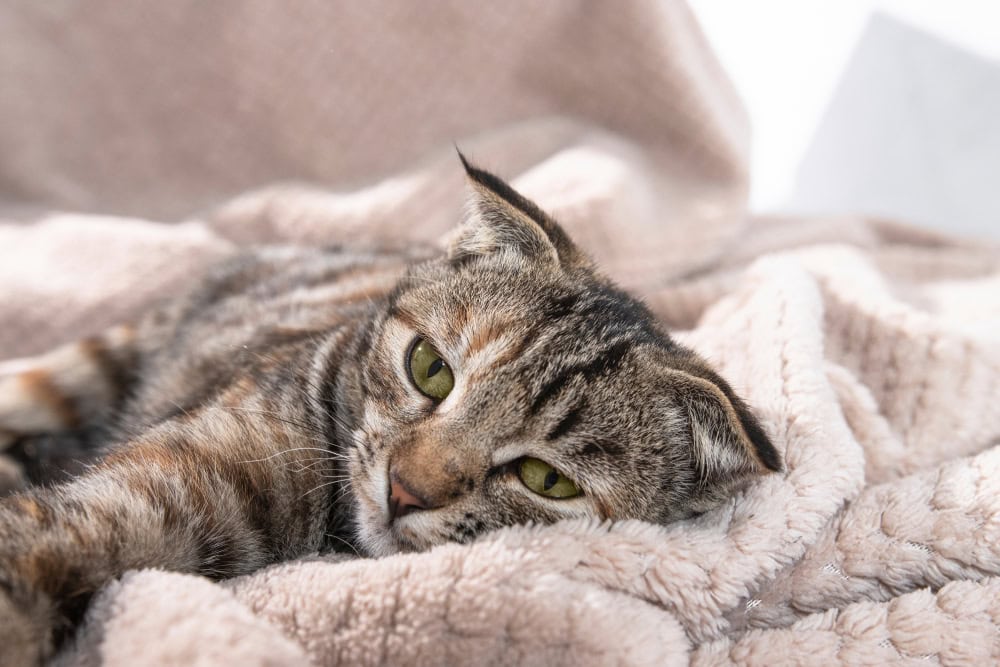
The virus also infects the gastrointestinal tract, causing profuse diarrhea and vomiting. The virus replicates in the mucosal cells of the intestines, causing gastrointestinal ulcerations, which can result in bloody diarrhea. This can be alarming to you as a cat parent, and it can cause severe dehydration and collapse and sometimes even be fatal. It can also cause fever, depression, reduced appetite, weakness, and a painful abdomen.
The virus can pass to the fetuses, causing embryonic reabsorption, fetal mummification, abortions, and stillborn kittens. If the virus infects the fetuses during their last few weeks in the womb or shortly after being born, kittens might develop cerebellar ataxia, and they may be unable to coordinate their movements and experience blindness and seizures. The mortality rate in kittens is as high as 90%.1
Transmission
A sick animal sheds the virus in all body fluids, the feces, urine, saliva, mucus, and vomit. Infected animals are believed to start shedding the virus 3 days before showing clinical signs, and some continue shedding even after recovery.
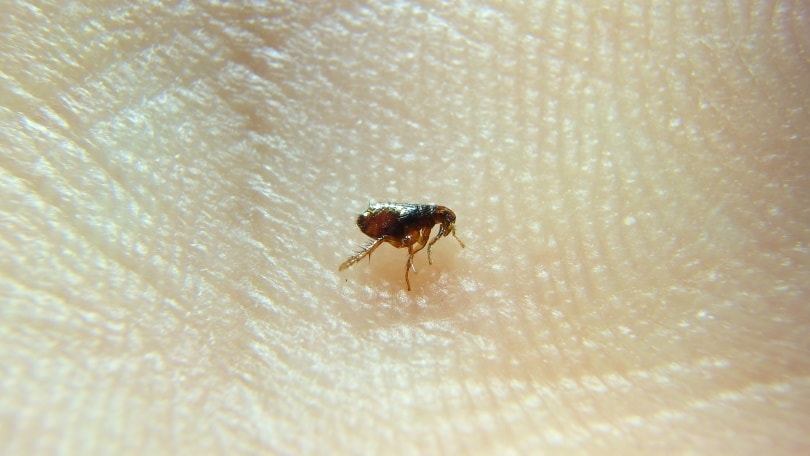
The transmission occurs when an animal comes in direct contact with an infected cat or by contact with contaminated objects, such as beddings, dishes, water, or walls. Fleas and other insects can also be mechanical vectors and transmit the virus. Indoor cats have been infected through viruses carried in humans’ clothes. This virus is tough to beat because it can survive for up to a year in the environment.

Distribution
This virus can be found anywhere in the world in virtually any environment that is not regularly disinfected. It’s very resilient and resistant to several disinfectants but can be killed with a solution of chlorine and water or bleach.
Prevention
Vaccination is the only effective way to prevent this virus transmission. Feline distemper is considered the most important component of the combination vaccine called FVRCP.
FVRCP vaccine protects against:

The 3 Types of Vaccines Available
1. Inactivated Virus Vaccine
Inactivated or killed vaccines create a weak immune response and require repeated, periodic revaccination to create and sustain immunity. Some of these vaccines also contain an added component called an adjuvant that helps to create a stronger immune response.
2. Modified Live Vaccine
Modified live vaccines (also known as attenuated vaccines) are made with viruses that are still alive and can replicate inside the host but have been modified so they cannot cause disease. The replication in the host mimics a natural infection but without the disease, creating a strong and durable immunity from the first application.
Modified live vaccines are considered very safe but should be avoided in immunocompromised patients and developing kittens, so they should not be administered to pregnant queens or sick animals.
3. Hybrid Vaccines
Some modern combination vaccines are considered hybrid vaccines because they have different kinds of vaccines for each virus—for example, a live modified vaccine for distemper and herpes virus plus an inactivated vaccine against two different strains of calicivirus, all in one shot. These kinds of vaccines are popular in shelters, as they provide strong protection against distemper from the first shot.
Vaccine Presentations and Schedules
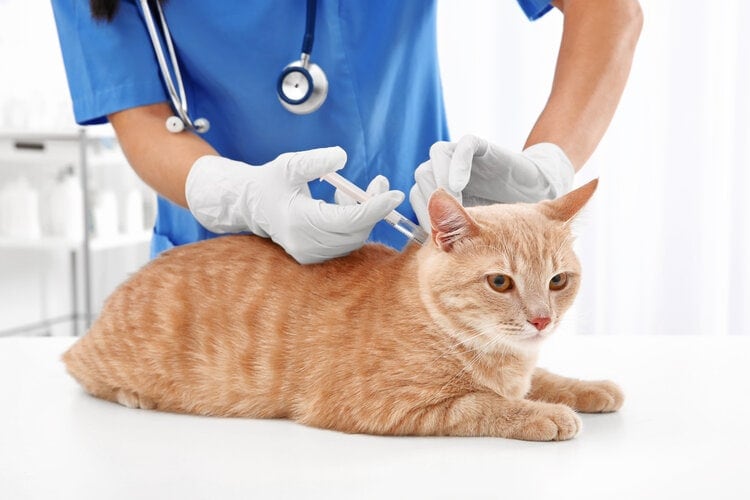
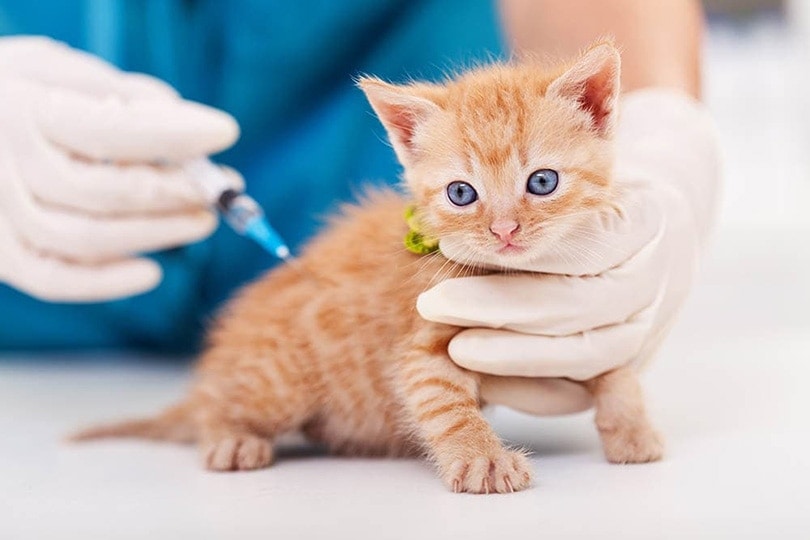
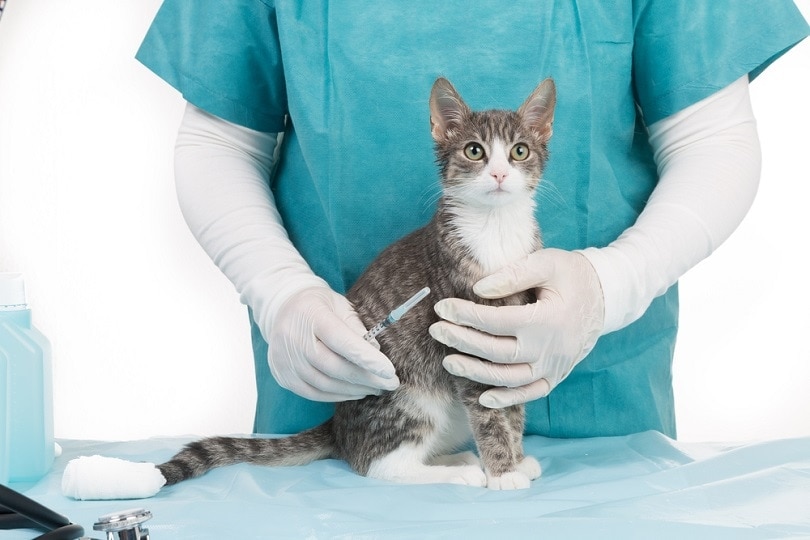
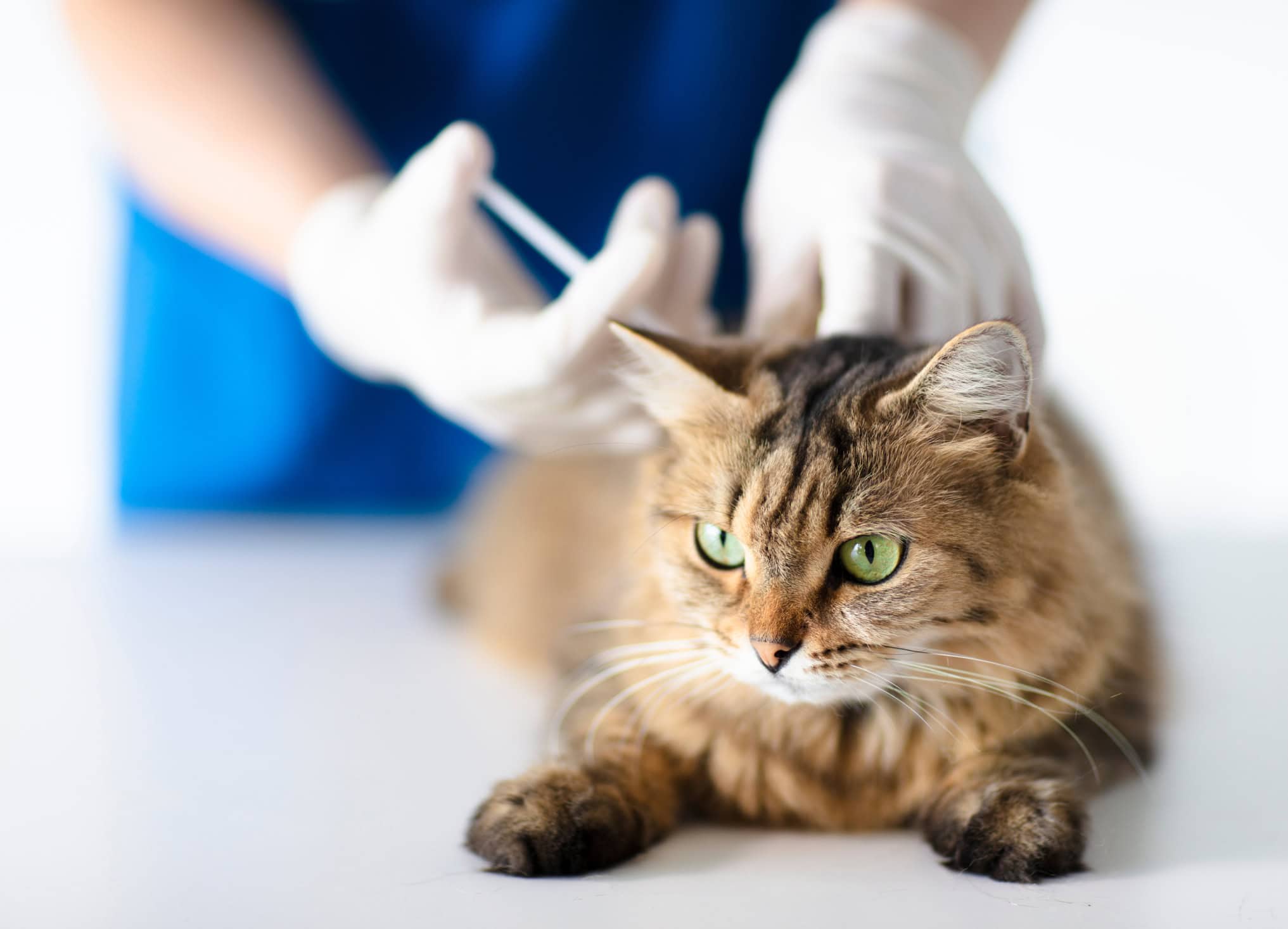
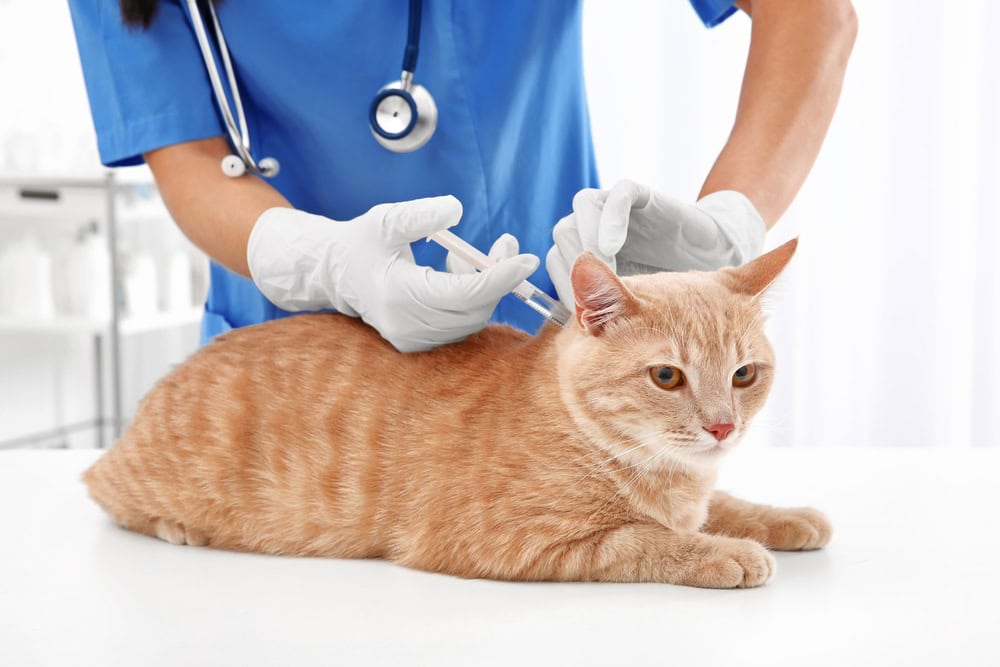
Vaccination has typically been provided via injection, but some newer products on the market can be administered through the nose. The typical vaccination schedule for kittens is to administer the first vaccine at 6–8 weeks of age. This should be followed by two booster shots at 3–4-week intervals. That means the dose of the second vaccine is applied between 10 and 12 weeks of age and the third between 14 and 16 weeks of age. By the time they reach 18 weeks of age, all kittens should have received the first three doses. A fourth booster shot can be applied after the first year and then every 1–3 years after that, depending on the individual cat’s risk assessment, the choice of non-core vaccines, and the vaccine manufacturer’s recommendations.
In shelter conditions, however, where the risk of infection is higher, kittens receive the first vaccination at 4 weeks of age and continue biweekly boosters intervals until they reach the age of 18 weeks.
Cost of Vaccines
The cost of the FVRCP vaccine depends on the country and the kind and brand of the vaccine. In the USA, the cheaper FVRCP vaccines' average price is $15 at a low-cost vaccine facility, but vaccines applied at private veterinary clinics can reach a price of around $60.
Vaccinations are important to keep your pet happy and healthy but some of them can be very costly, especially if you have more than one pet. A customized pet insurance plan from Spot may be able to help you manage your pet's vaccination and healthcare costs.

Adverse Effects of Vaccines
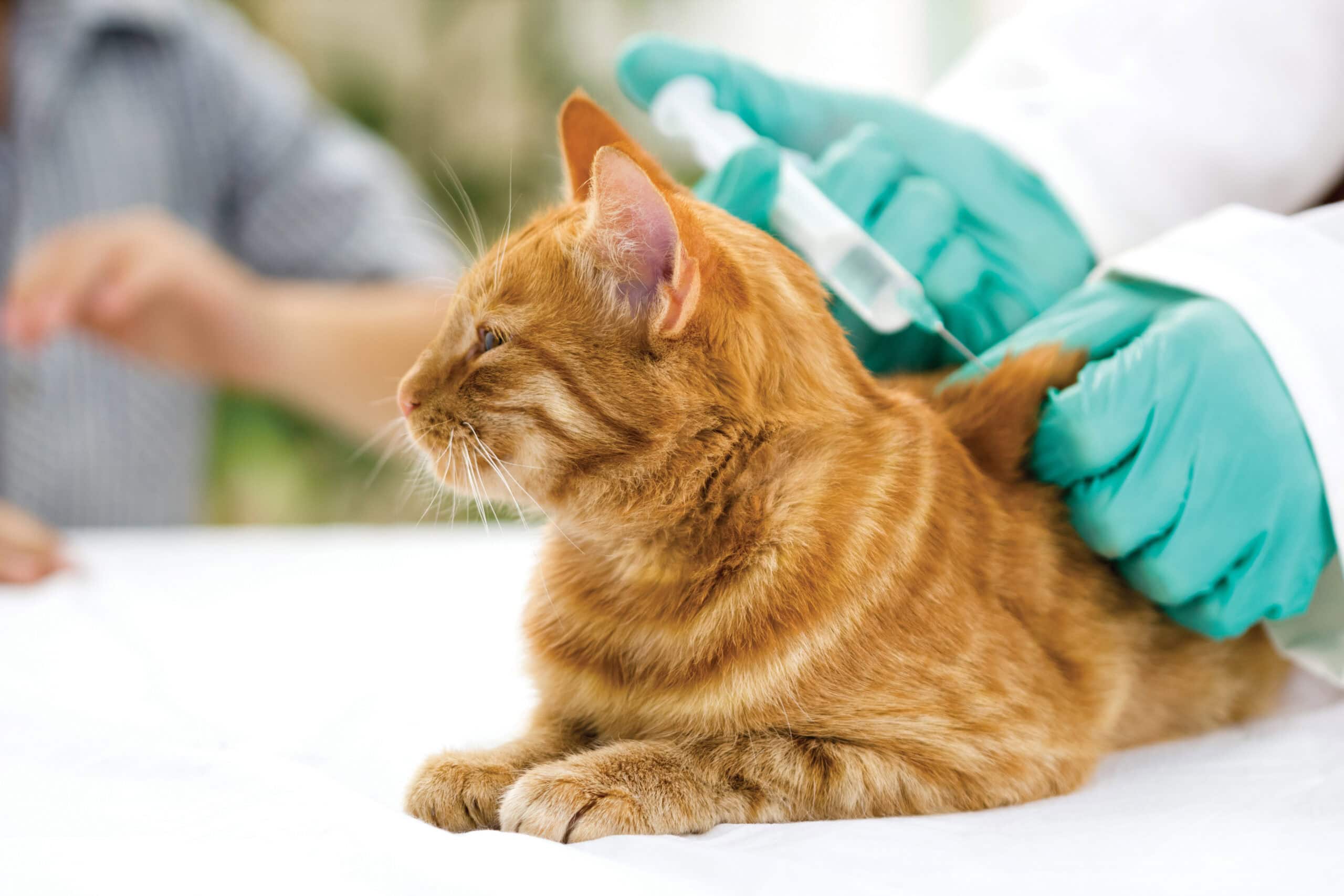
Modern vaccines are very safe and adverse effects are rare. After vaccination, the cat might not be very interested in food, might be a little low, and may even develop a low-grade fever and slight swelling at the vaccine application site. These signs will disappear in a couple of days.
Some cats can be allergic to components of the vaccine, and allergy signs like hives, red or swollen eyelids and lips, and itchiness can appear after vaccine application.
Anaphylactic reactions to the vaccine are very rare but are also a possibility. These are medical emergencies due to respiratory difficulties, which also present with vomiting, diarrhea, facial swelling, itchiness, and collapse.
If your cat presents any sign of adverse reaction or vaccine complication, inform the veterinarian for advice and next steps. If your cat is having trouble breathing, please do not hesitate, and take them back to the vet straight away, as this is an emergency.
If the injection site still looks swollen after a couple of weeks, it should be evaluated by the veterinarian.
No matter how much time has passed after your cat receives a vaccine, if you notice that they have developed a lump under the skin at the site of injection, please inform the vet as soon as possible. Although it’s rare, a tumor called injection-site sarcoma that seems to be triggered by the adjuvant components of certain vaccines may develop in some cases.
The incidence of vaccine complications remains quite low, so the benefits of vaccination greatly outweigh any potential risks. Please speak to a vet if you have any concerns regarding vaccinating your cat or kitten. They can discuss your pet’s individual risk based on their age, lifestyle, and health and make specific recommendations.
Conclusion
All cats should be protected against the feline distemper virus through regular vaccination. Most modern feline distemper vaccines are combined to protect against two other common feline viruses. Modern vaccines are very safe and adverse reactions are rare. Your veterinarian should be able to recommend the best vaccination protocol for your cat.
Sources
Featured Image Credit: Tom Wang, Shutterstock
Get Hepper In Your Inbox


Pet care tips from our vets and experts, straight to your inbox.
You may opt-out at any time. View our Privacy Policy for more information.
Paola Cuevas is a veterinarian and animal behaviorist, with over 18 years of experience working with a variety of species. Her passion is animal welfare and focuses on the importance of preventive medicine. Paola has skills in the fields of nutrition, microscopy, clinical pathology, diagnostic imaging, and endoscopy as well as extensive experience in animal training through positive reinforcement. As our in-house veterinarian, Paola is very happy to share her knowledge and experience with our readers and hopes to be helpful with any issue presented by your non-human family members.
Dr. Paola is our Senior In-House Veterinarian at Hepper, and she loves sharing her knowledge and experience with our readers. Paola hopes to provide helpful information for any issue presented by your fur babies.
Her passion is animal welfare and she focuses on the importance of preventive medicine.
Education
Paola graduated from the University of Guadalajara, Mexico.
Experience
Dr. Cuevas has over 18 years of veterinary and animal behaviorist experience and has worked with a variety of species, from companion animals to exotics. She has skills in the fields of nutrition, microscopy, clinical pathology, diagnostic imaging, and endoscopy as well as extensive experience in positive reinforcement animal training.
Things You Didn't Know About Dr. Paola:
As a student, Paola received an outstanding student scholarship. She had the opportunity to travel to Canada and learn about aquaculture diagnostics and pathology.
Paola and another colleague trained gentoo penguins to recognize shapes and colors and their project achieved an international first-place award in research.
Paola has trained several species of animals to voluntarily accept medical procedures such as ultrasound examinations, X-rays, and the collection of biological samples with the goal of improving their healthcare without additional stressors or the need for physical restrain.
Join the conversation
Ask a question, share your story, or send private feedback.