Hepper is reader-supported. When you buy via links on our site, we may earn an affiliate commission at no cost to you. Learn more.
How to Boil Chicken for Dogs: 7 Vet Approved Steps


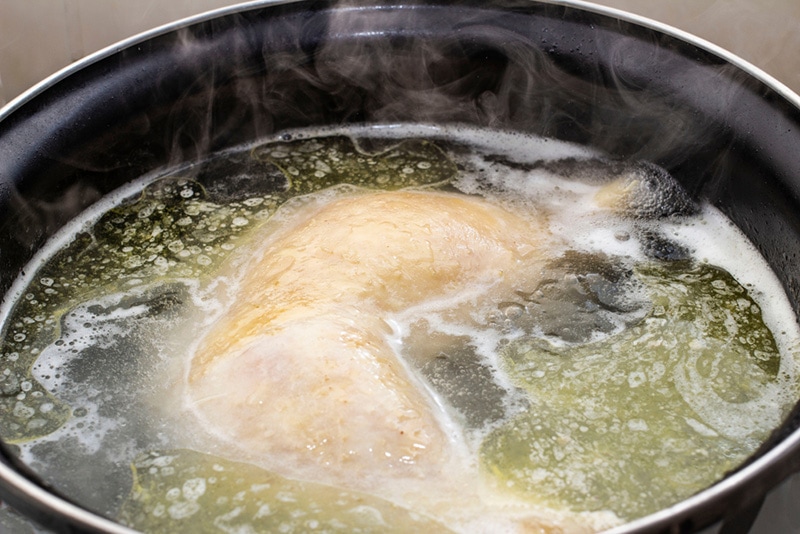
Boiling is one of the safest ways to prepare chicken for your dog. It’s quick, easy, and nutritious (as long as you don’t add extra seasonings!). There are certain precautions that you need to take, however. Knowing how to safely boil chicken for your dog will keep them healthy.
This guide takes you through seven simple steps for boiling chicken and includes tips to ensure that you prepare this food safely for your dog.

Before You Start
Cooking any type of meat requires you to pay careful attention to how you handle and prepare it. For your dog, there are a few extra steps to keep in mind. Not only do you have to clean any surfaces or knives that you use and dispose of the bones correctly, but you also need to consider how the chicken is prepared.
Boneless and Skinless Chicken
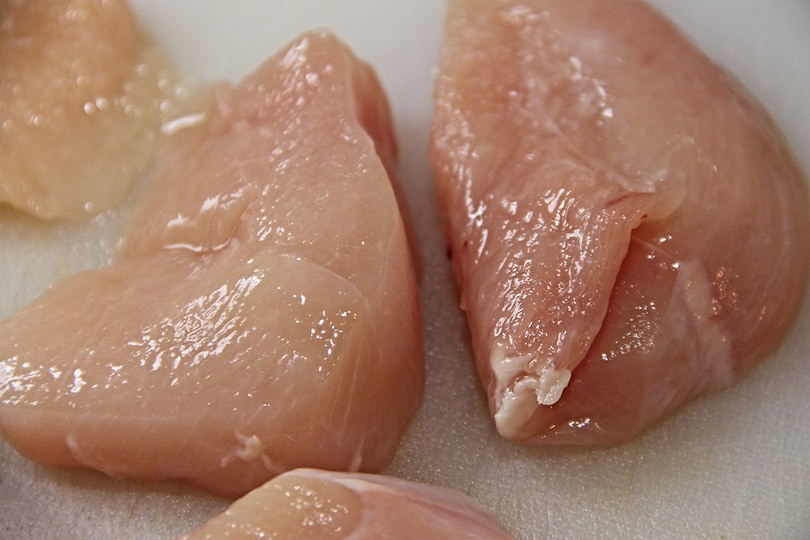
The type of chicken that you use is important. Make sure the meat is boneless. Chicken bones can be a choking hazard and splinter when your dog eats them, which can damage their digestive system. You’ll need to use boneless chicken breast or strip the chicken off the bones before you cook it for your dog.
Skin is another factor to consider. Unlike the chicken flesh itself, the skin has a much higher fat content. While your dog shouldn’t have chicken bones at all, a bit of the skin now and then won’t harm them. Be careful not to give them too much, though, as high levels of fat can lead to gastrointestinal issues and pancreatitis.
Seasonings
It’s routine to add salt and other seasonings to food that you cook for yourself, but you must avoid the urge to season your dog’s chicken. While there are certain spices that dogs can eat, others can be toxic and should be avoided1.
Seasoning can also cause problems if your dog has too much. For example, dogs shouldn’t eat much salt, and an excessive amount can cause vomiting, diarrhea, and even tremors and seizures in large amounts2.

The 7 Steps to Boiling Chicken for Dogs
1. Prepare the Chicken
Whenever you cook something, there’s always preparation work that you’ll need to do first. You can save time by purchasing boneless and skinless chicken breast to boil for your dog. You can cook thighs too; they just require more patience when it comes to cooking them.
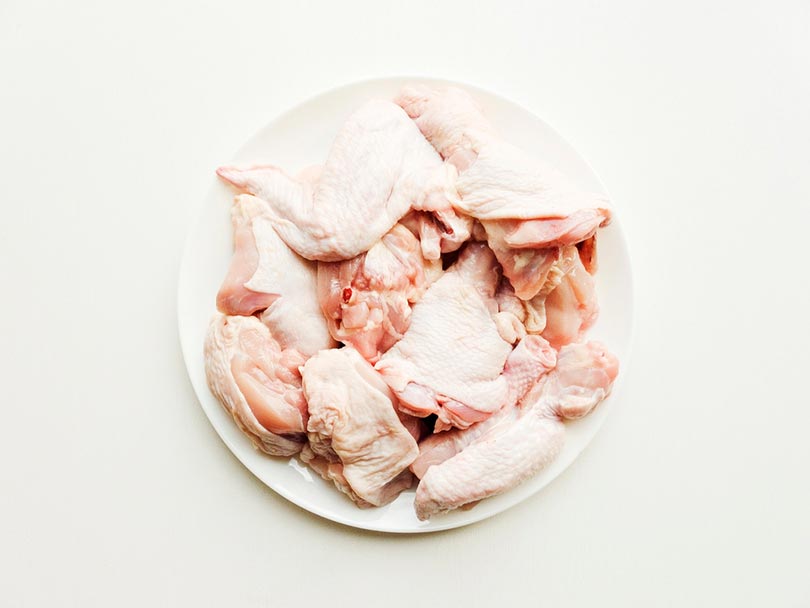
First, you’ll need to remove the skin. Then, cut the meat off the bones before cooking it or before giving cooked chicken to your dog.
2. Place the Chicken in a Pot
To boil the chicken, you’ll need a pot big enough to hold the amount of chicken that you’re planning to cook. Make sure it’s a pot or a saucepan that’s safe to place on the stove and spread out the chicken on the bottom evenly. This will help make sure it cooks evenly and prevent it from clumping together.
If you prefer, you can cut the chicken into small pieces before cooking, but you can also boil the entire chicken breast if you don’t mind cooking it for longer.
3. Cover the Chicken with Water
It’s important to get the amount of water right when you’re boiling chicken. Too much, and the pot will boil over, but too little won’t ensure that all the chicken is cooked properly. The saucepan or pot that you’re using makes a big difference here. You’ll need enough space to cover all the chicken with water without risking the pan boiling over.
At this stage, you might be tempted to add seasonings to make the chicken tastier. But you must boil the chicken as it is: in clean water. Your dog won’t mind the taste of plain chicken, and you won’t have to worry about making sure the spices are safe.
4. Boil for 12–15 Minutes
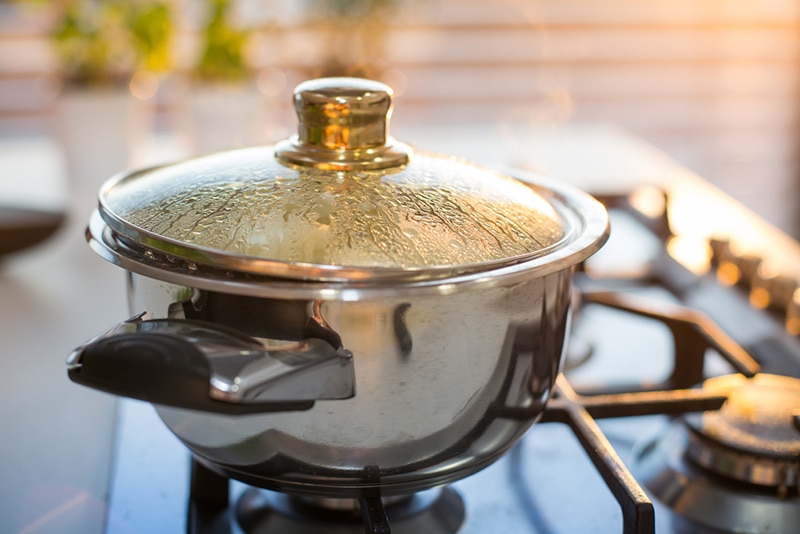
The amount of time that you’ll need to boil the chicken depends on how much chicken you have and how big the pieces are. Usually, it takes about 12–15 minutes but be prepared to boil it for longer if necessary. Dogs can get sick if they eat raw chicken that’s contaminated with Salmonella or E. coli.
Start the timer once the water starts boiling. Using a lid can help speed up the process, but you’ll still need to allow plenty of time for the chicken to cook properly.
5. Check the Chicken
You’ll need to check that the chicken is cooked thoroughly before you allow it to cool. Look for signs of pink, uncooked meat, and if you have a meat thermometer you can check the temperature of the chicken. Cooked chicken should be 165°F.
If you’ve already cut the chicken into small pieces, it’ll cook faster, but you should still double-check before moving to the next step. For big chunks, check the temperature, and carefully use a fork to pry open a few of the pieces to check that the inside is cooked. If it’s still pink, boil it for a bit longer and then check it again.
6. Separate the Broth
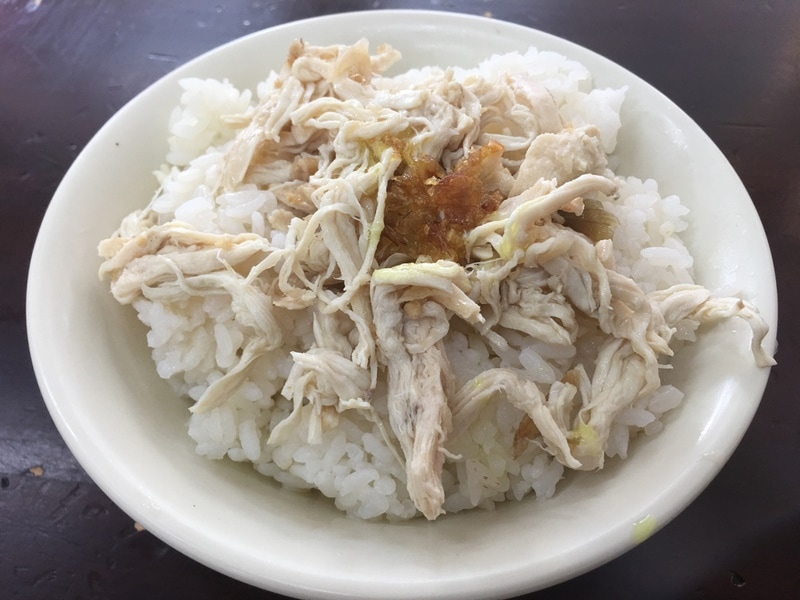
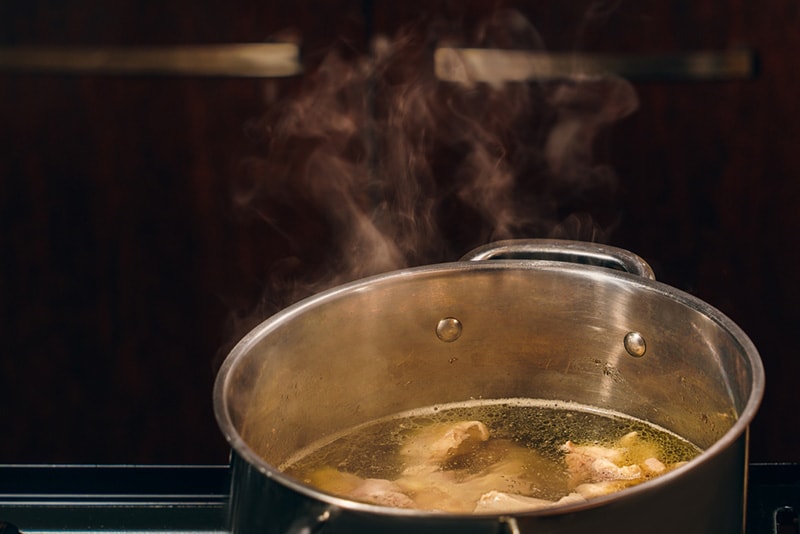
Once the chicken is fully cooked, you’ll need to wait for it to cool. First, separate the liquid and the chicken. This will help reduce the amount of time that it takes for the chicken to cool down and ensure that the meat retains many of the nutrients. Once the chicken is cool, you can break it into smaller pieces to add to your dog’s meal or use in homemade dog food.
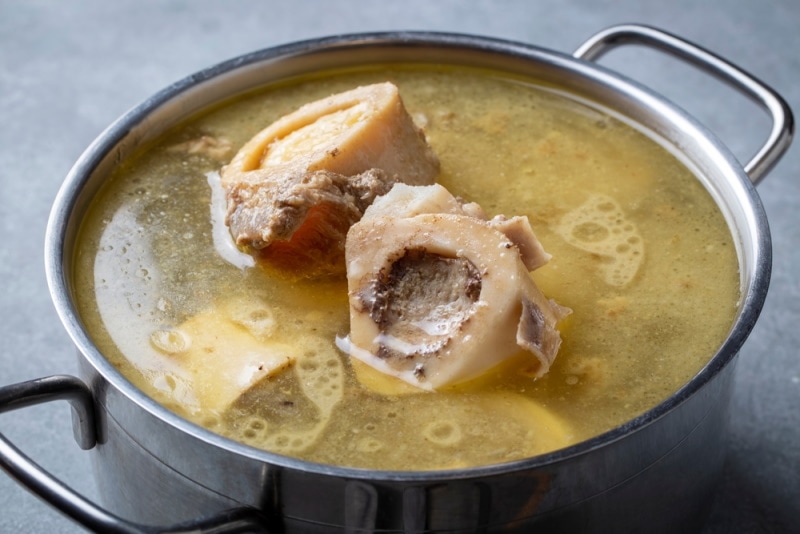
Don’t throw the broth away. Use an ice cube tray to freeze it, and then you can add the broth to your dog’s meals once it’s cooled or give them a splash in their water as a treat. This can help them stay hydrated and get extra nutrients from the fresh chicken.
7. Freeze the Leftovers
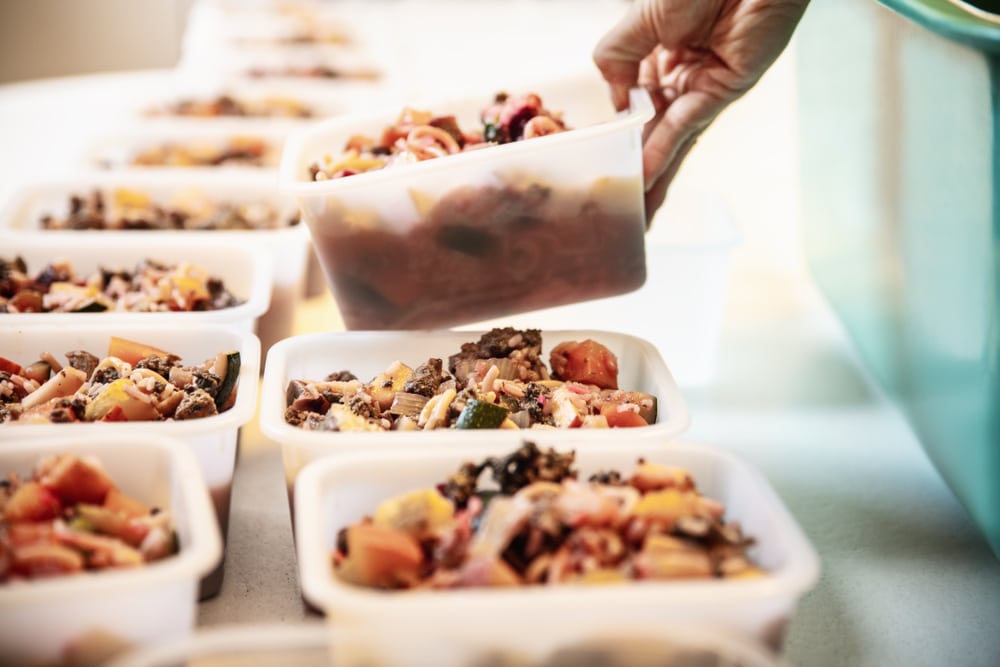
Once the chicken is cooked, cooled, and shredded, you still have to store it correctly. If you’ve made your own dog food, split the chicken and other ingredients that you’re using into meal-sized portions.
You can also split the chicken chunks into small snack bags if you plan on using them as treats or food toppers. Keep a meal or a bag in the fridge for your dog’s dinner and freeze the rest. Remember to freeze the broth too.
Is Chicken Healthy for Dogs?
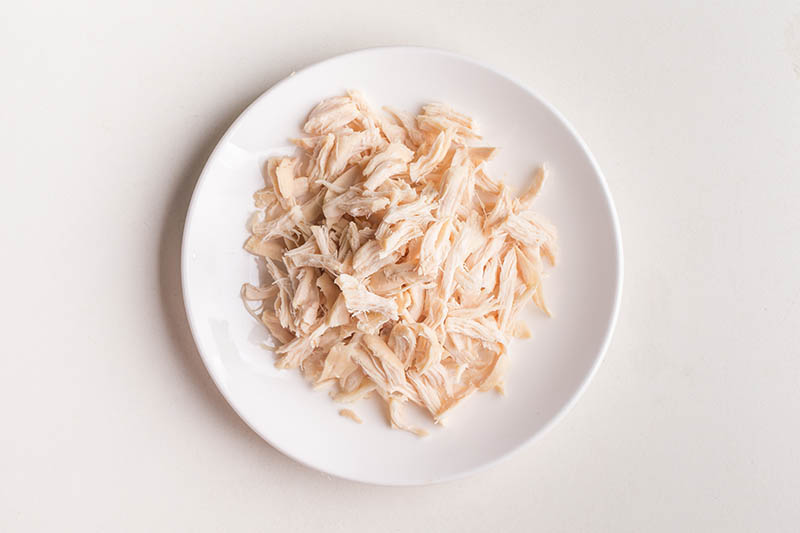
When it’s prepared correctly and properly cooked, chicken is a great source of lean protein and some vitamins and minerals. It’s also a tasty treat that gives your dog a break from the regular kibble that they eat for meals. Boiled chicken and rice are often recommended for diarrhea and vomiting too as it’s highly digestible. It’s easy on the stomach and can help settle digestive upset.
That said, here are precautions that you need to take to make sure it remains a healthy part of your dog’s diet. First, never give chicken bones to your dog, and second, always make sure you avoid using seasonings during the cooking process.
Also, you’ll need to make sure the chicken is well-cooked before feeding it to your dog. Raw chicken can contain bacteria such as Salmonella and E. coli, and like us, dogs will become sick if they encounter these bacteria. They can also pass the illness on to you.
How to Serve Boiled Chicken to Your Dog
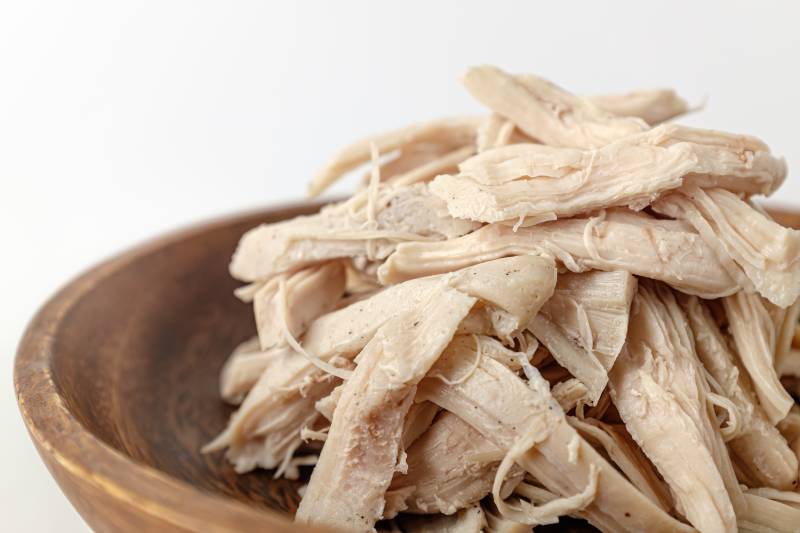
You might not be able to add seasonings to your dog’s boiled chicken, but this doesn’t mean their meaty treat needs to be boring. There are several different ways that you can serve boiled chicken to your dog.
They’ll appreciate the variety of their meals and enjoy an extra delicious reward for good behavior. Here are a few ideas:

Conclusion
Chicken is a great source of protein, but it can be unhealthy for your dog if you don’t prepare it correctly. Boiling is one of the easiest and healthiest cooking methods. It also helps keep the nutrients packed into the chicken so your dog can benefit from them.
You can even use the broth to make frozen treats. Don’t add seasonings, and ensure that the chicken is fully cooked and cooled before giving it to your dog.
See also:
Sources
Featured Image Credit: Denis Torkhov,Shutterstock
Get Hepper In Your Inbox


Pet care tips from our vets and experts, straight to your inbox.
You may opt-out at any time. View our Privacy Policy for more information.
Nicole is a lover of animals of all sizes but is especially fascinated with the feline variety. She’s the proud mom of Baby, a Burmese, and works every day so he can relax in the sunshine or by the fire. She’s always had a cat in her home and has spent countless days with others, observing behaviors and softening up even the grouchiest of the lot. Nicole wants to share her kitty expertise with you so you and your cat can live happy, healthy, and care-free.
Join the conversation
Ask a question, share your story, or send private feedback.