Hepper is reader-supported. When you buy via links on our site, we may earn an affiliate commission at no cost to you. Learn more.
How to Boost Your Dog’s Immune System: 7 Vet-Reviewed Ways



A strong immune system can enable your dog to live a longer, healthier life. Boosting your dog’s natural immunity doesn’t have to be complicated. Here are seven easy ways to maintain health and prevent illness.

The 7 Ways To Boost Your Dog's Immune System
1. Daily Walk

A daily walk is an easy and free way to get some exercise in. Walks are also adaptable to all canine ages and abilities. A young Labrador retriever will enjoy a vigorous hike, while an older pug can amble around the block. Dogs that are not used to exercising may need time to ease into a gentle walk routine.
A daily walk is a boost to your dog’s brain, immune system, and overall health. The benefits of regular walks are numerous: toned muscles, proper metabolic system functioning, and mental stimulation.1
Pros
- Free
- Provides social interaction
Cons
- Some dogs need time to adapt to regular exercise
2. Well-Balanced Diet
The average pet dog needs the right balance of protein, carbohydrates, fats, vitamins, and minerals to stay healthy. There are so many pet food brands on the market, that choosing the right one is confusing. Pet owners in the U.S. should look for a recipe that meets the AAFCO guidelines for their dog’s life stage.2 Beyond that, the pet food you choose is up to your budget, personal preferences, and dog’s palate.
Consult your vet before feeding your dog a homemade diet or commercial food that doesn’t meet the AAFCO guidelines. A diet that is deficient in certain nutrients can be detrimental to the immune system. For example, dogs who do not get enough vitamin D can develop rickets and osteoporosis. However, too much vitamin D can lead to hypercalcemia and a decreased appetite.
Pros
- Helps dogs maintain a healthy weight
- Prevents nutrition-related illnesses
Cons
- A confusing number of dog food brands and recipes to choose from
- Some dogs are picky eaters
3. Canine-Safe Supplements

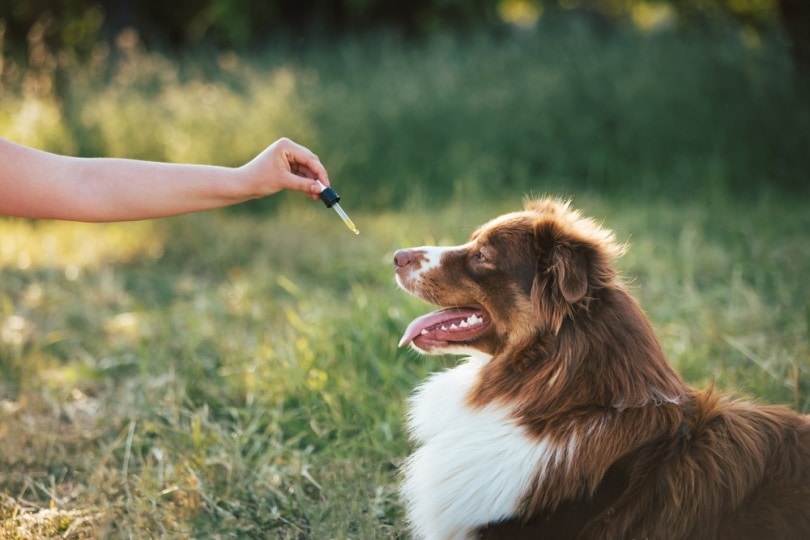
OTC supplements can help older dogs with age-related conditions.3 For example, vitamin B complex can increase appetite and decrease fatigue. In turn, a balanced diet and regular exercise can prevent obesity-related illnesses.
Always talk to your vet before giving your dog an OTC supplement or vitamin. Not all supplements will benefit or be appropriate for your dog. Some supplements can even interact with prescription medications.
Pros
- Doesn’t require a prescription
Cons
- Can be expensive
- May not be necessary
4. Routine Vaccinations
Vaccines help prevent canine diseases that are serious and potentially life-threatening. Lyme disease, kennel cough, and influenza burden even the healthiest dog’s immune system. These conditions can also be transmitted to other dogs and are expensive to treat. Rabies usually involves legislation requiring mandatory euthanasia.
Your vet can help set up a vaccine schedule based on your dog’s age and immunization history. Puppies should start receiving vaccines at six weeks of age. Adult dogs generally need annual vaccines, which they can receive at their wellness exams.
The only challenge related to vaccinations is staying on top of them. For example, your vet may want to stagger administering a prescription flea treatment and certain vaccines. Thus, you may end up following a customized booster schedule. Integrating your pup’s shots with your schedule will ensure the effectiveness of the treatment.
Pros
- Prevents expensive medical treatment
- Extends a dog’s lifespan
Cons
- Vaccine schedules can be confusing
5. Routine Wellness Exams

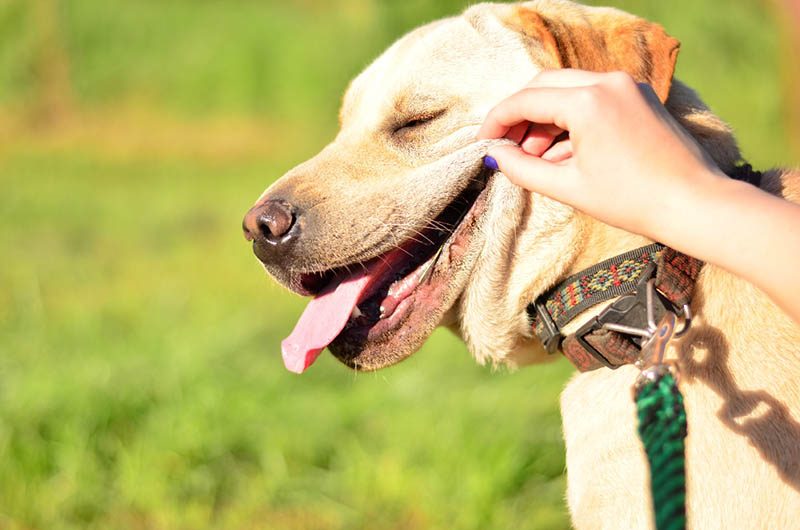
Healthy adult dogs should still see the vet once a year. Puppies, senior dogs, and those with existing health conditions may need to have more frequent vet visits.
Routine wellness exams help your dog’s immune system stay strong. These wellness exams are a chance for your vet to catch and treat illnesses early. Your dog will also have a weight check. These exams are also an opportunity for you to ask any questions.
Pros
- A chance to monitor weight
- Catch health conditions before they impact quality of life
Cons
- Some dogs don’t like going to the vet
6. Canine Massage
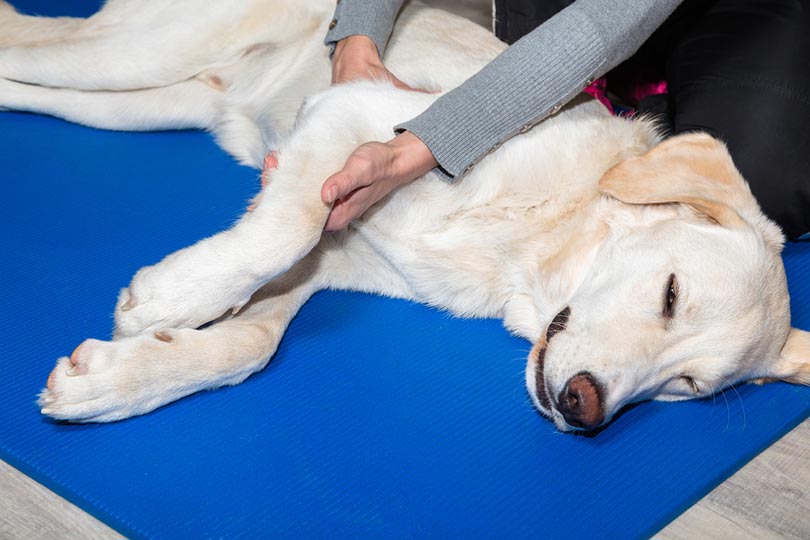
If you ever had a massage, you know how relaxing it is. Dogs also experience reduced anxiety and stress after a massage, but the benefits don’t end there. Canine massage can also decrease blood pressure and boost immunity. Massages help your dog stay active by increasing its range of motion and alleviating arthritis pain.
Find a certified veterinary massage therapist in your area. Or, talk with your vet about how to best massage your dog at home.
Pros
- Medication-free way to manage pain and stay healthy
Cons
- Some dogs may not tolerate a massage
- Professional massages can be expensive
7. Maintain a Healthy Weight

Dogs that are overweight often have difficulty exercising. They have a decreased quality of life because they can’t climb stairs or keep up with other dogs. Being overweight impacts a dog’s immune system, too. Obesity puts dogs at risk for conditions like pancreatitis and kidney disease.
Your vet can tell you how many calories your dog should eat each day. It’s common for pet owners to not include treats and table scraps in their dog’s daily caloric intake. Schedule a vet visit if your dog has an unexplained weight gain. This can be a sign of canine hypothyroidism or another illness.
Pros
- Increased quality of life
- Longer lifespan
- Fewer vet bills
Cons
- Maintaining a healthy weight can be difficult

Final Thoughts
Many of the ways to boost your own immune system work for your pet, too. Both you and your dog benefit from a well-balanced diet, daily exercise, and maintaining a healthy weight. Even healthy dogs should see the vet once a year for a well-pet exam and vaccines. Talk with your vet before you give your dog any supplements or vitamins.
Sources
https://www.petmd.com/dog/conditions/endocrine/c_dg_hypothyroidism
https://www.petmd.com/dog/wellness/how-give-your-pet-massage
https://www.petmd.com/dog/infographic/basic-vaccine-schedule-dogs
https://vcahospitals.com/know-your-pet/supplements-for-the-older-pet
https://www.petmd.com/dog/nutrition/evr_dg_whats_in_a_balanced_dog_food
https://www.petmd.com/dog/wellness/evr_dg_exercising_with_your_dog101
Featured Image Credit: Viktor Gladkov, Shutterstock
Get Hepper In Your Inbox


Pet care tips from our vets and experts, straight to your inbox.
You may opt-out at any time. View our Privacy Policy for more information.
Cassandra is a professional writer living in the Upper Midwest of the U.S. Much of her writing centers around home and family life, but she's been known to dabble in fiction. Her favorite topics to write about are pets, parenting, and food. Cassandra shares her home with two rescue pets: Liam, a Siamese mix, and Harley, a beagle.
Join the conversation
Ask a question, share your story, or send private feedback.