Hepper is reader-supported. When you buy via links on our site, we may earn an affiliate commission at no cost to you. Learn more.
How To Keep Cats Out of Mulch: 12 Humane Ways
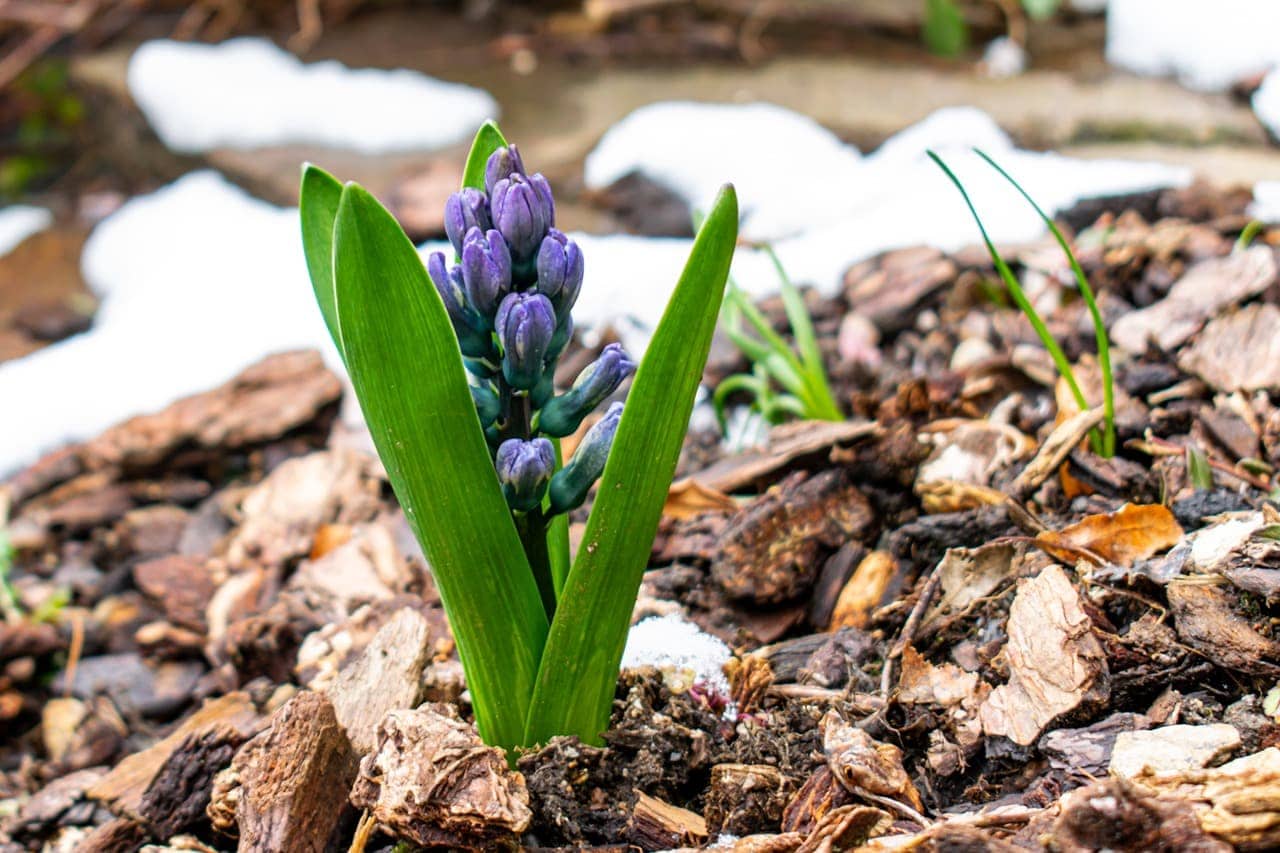
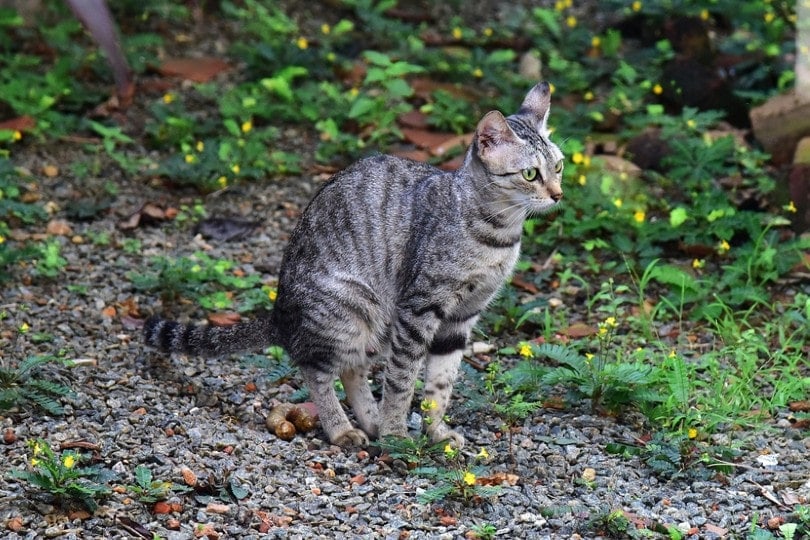
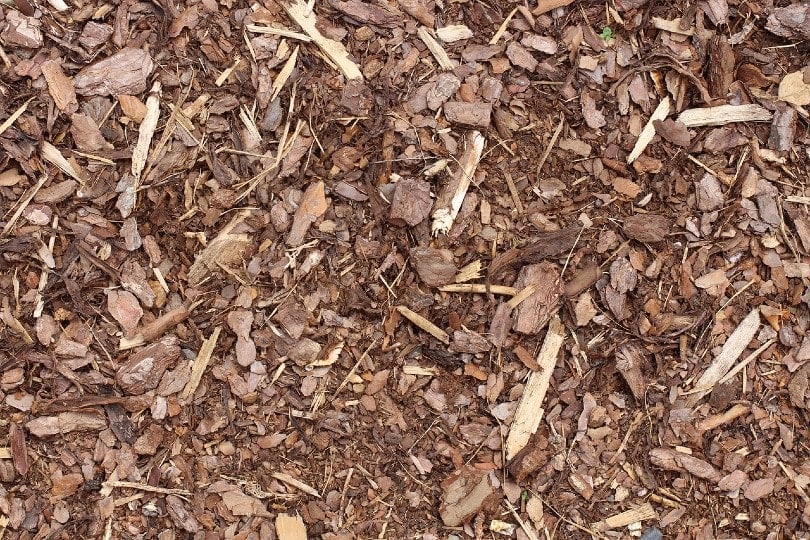
Because of their incredible agility and climbing skills, cats can easily avoid obstacles like the fence in your backyard. Feline visits to your property would not be a problem if the animals did not tear up your plants and leave unwanted presents in your mulch. Mulch protects your plants by conserving moisture, but the material also creates a comfortable surface for cats to relax and sleep.
Homeowners have used several methods to keep cats away, but some are ineffective and inhumane. We’ll examine the best ways to keep cats away from your garden areas and landscaped plants, but first, let’s look at the deterrents you should avoid.

Before You Start: Cat Deterrents to Avoid
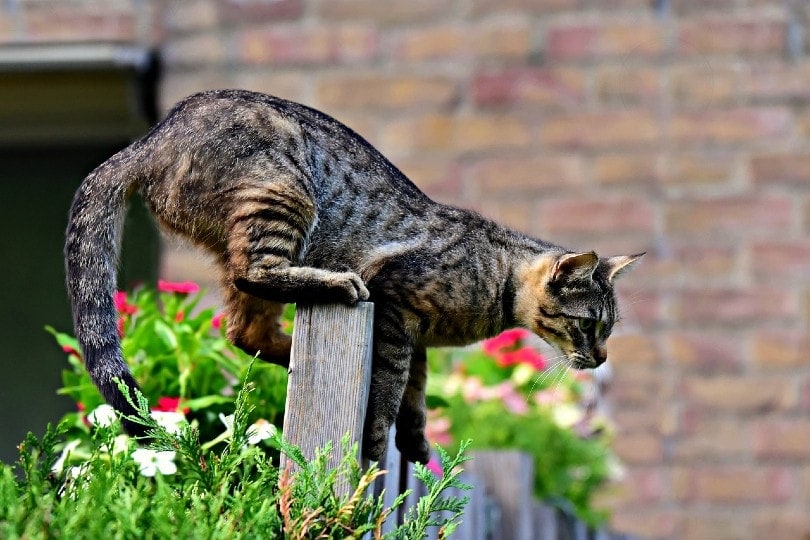
Screaming at a cat or blasting it with a water hose will repel the animal temporarily, but cats are persistent, and they’ll return to their favorite spots when you’re not there to discipline them. If you search online for cat deterrents, you’ll find plenty of helpful suggestions, but you’ll also discover methods and substances that can harm or even kill them. You should avoid these deterrents at all costs.
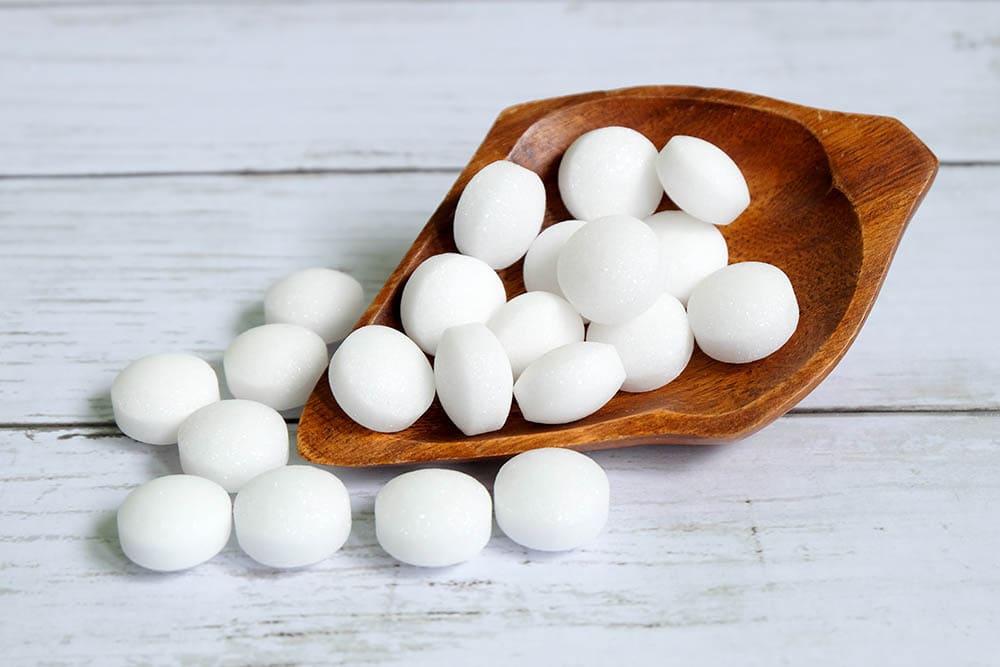
- Mothballs: Although they seem relatively safe since they’re placed in clothes, mothballs are made from toxic chemicals to repel insects. If a cat consumes a mothball, it can experience neurological damage, anemia, gastrointestinal distress, kidney damage, or liver damage.
- Wildlife traps: A trap for a raccoon or other wild animal should never be used to trap a cat. Outdoor cats look for warm areas to spend the night in, but a trap will expose them to the elements.
- Hot pepper: Cayenne and habanero powder have been used to repel insects, rodents, birds, cats, and deer, but their effectiveness is questionable. Inhaling the hot pepper can irritate a cat’s respiratory system, and the powder is so fine that it’s easily blown away by wind and washed away by rain.
- Heavy objects: In television shows and films, you may have seen someone throw a boot or rock to scare away a crying cat. While it may be humorous in fictional stories, throwing heavy objects is a cruel technique that can cause serious injuries. It may also create a feud with the neighbor who owns the cat.
The 12 Humane Ways to Keep Cats Out of Mulch
Piles of cat excrement and urine-soaked mulch are not what you expect when you plan to spend the day in the garden, but luckily, you can prevent cats from hanging around your garden without resorting to violence or unethical techniques.
1. Morning and Evening Watering
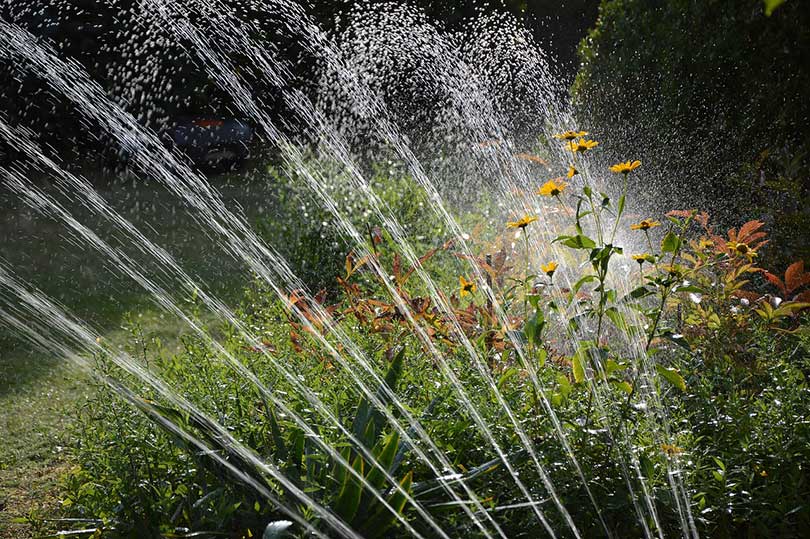
Mulch keeps plants cooler in the summertime and traps heat in the winter. The material’s insulating properties make your garden an appealing place for cats, but the animals will not enjoy the mulch when it’s soaking wet. In the morning and evening, you can hose down your garden and landscaped sections to make the locations less hospitable to felines.
Cats will not rest or relieve themselves when they cannot find a dry area.
2. Rocks
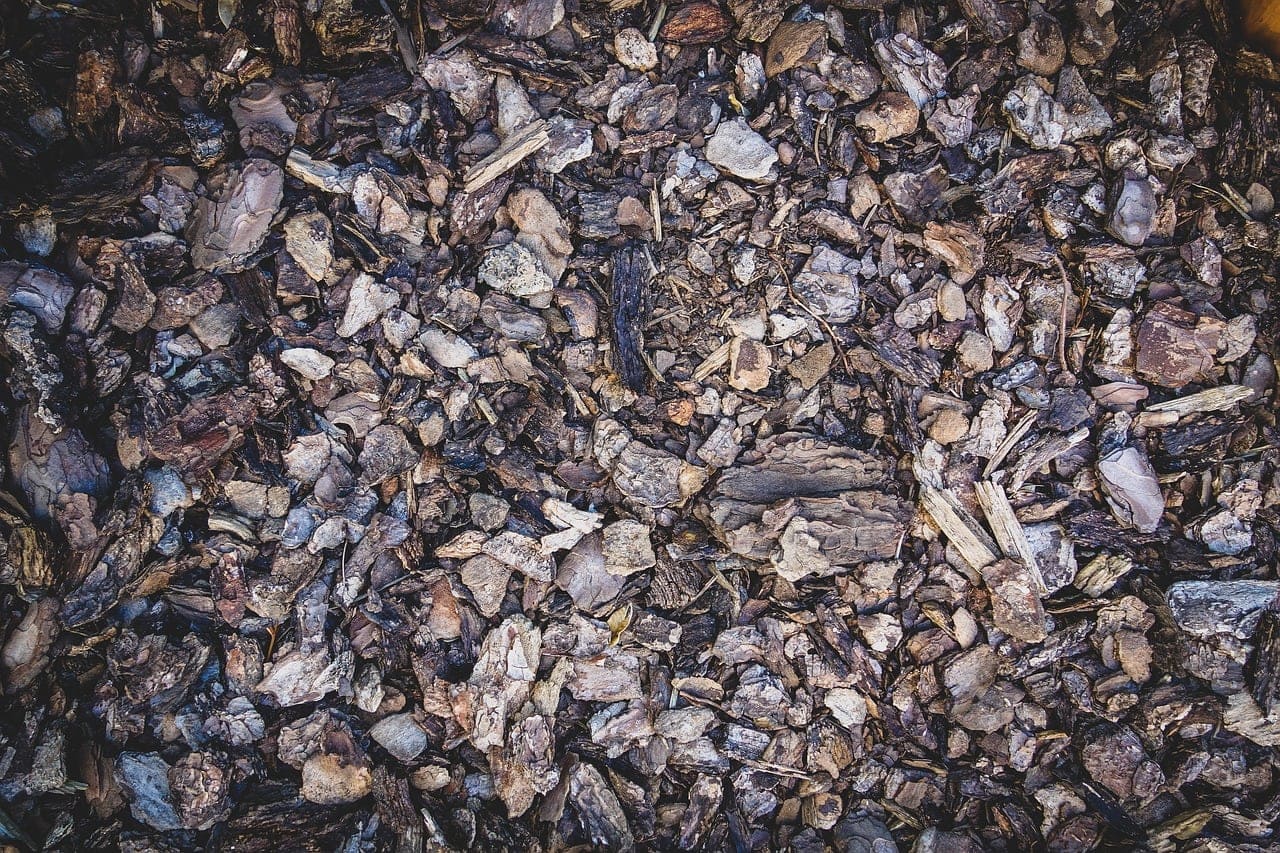
Mulch is functional and aesthetically pleasing, but you can remove it in trouble spots where cats congregate and replace the material with landscaping rocks. Cats dislike the sensation of pointy objects under their paws, and they will move on to another yard if your garden is covered with rocks. Trees and shrubs can thrive with rock cover, but rocks are not the best material for flowers or herbs.
Because they trap more heat than mulch in the summer, plants can wilt and die from the higher temperatures.
3. Chicken Wire
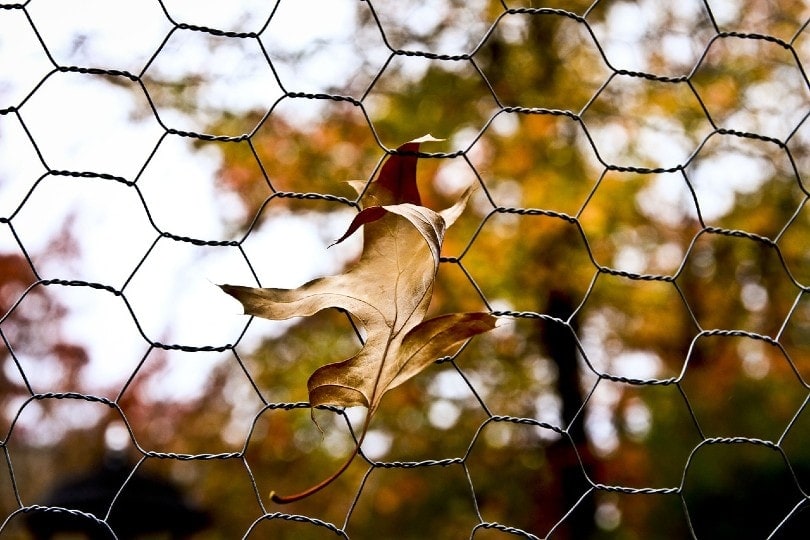
Using chicken wire on your mulch beds is not an elegant solution, but it’s inexpensive and effective. Laying strips of chicken wire over your mulch will convince kitties to find another resting area. When placing the wire, be sure to push the pointed ends into the ground. After cutting the wire, the sharp spikes can impale an animal if the points are facing up.
4. Pine Cones
If you have pine trees or know a friend who has them in their yard, you can collect the cones and place them in your mulch beds. Dried pine cones will make the surface uncomfortable for cat paws, but you should avoid using the recently dropped cones that are still sharp and capable of injuring the animals.
If you notice that a clever cat pushes the cones aside to create a safe spot, you can add more cones, and the cat will likely choose another area.
5. Aromatic Plants
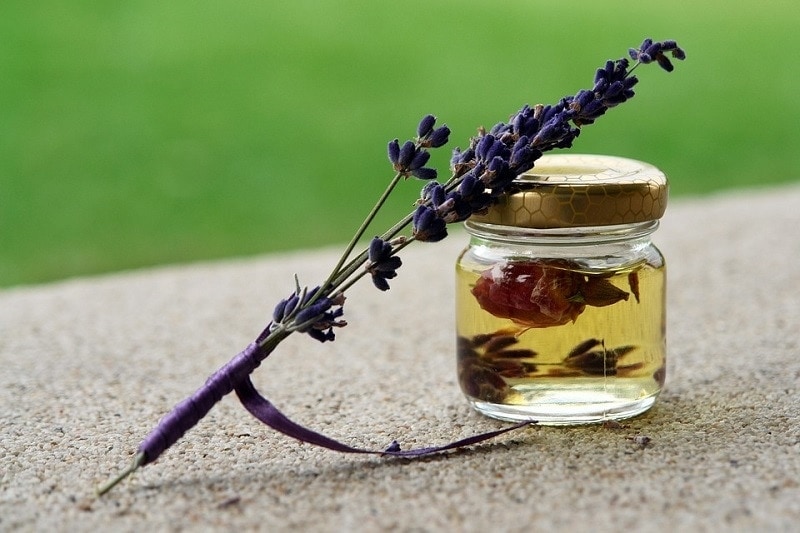
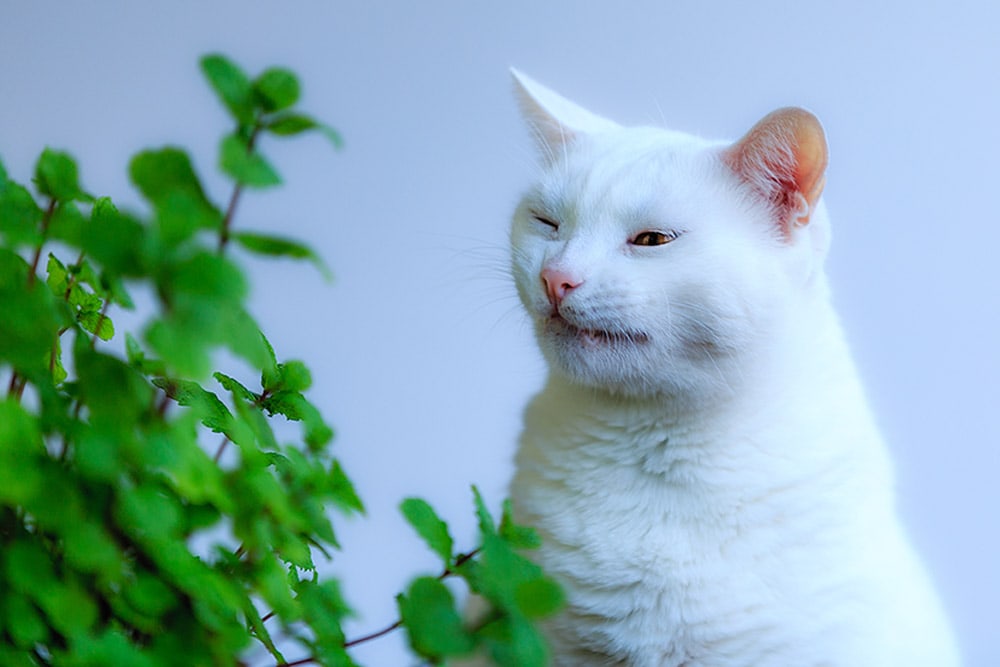
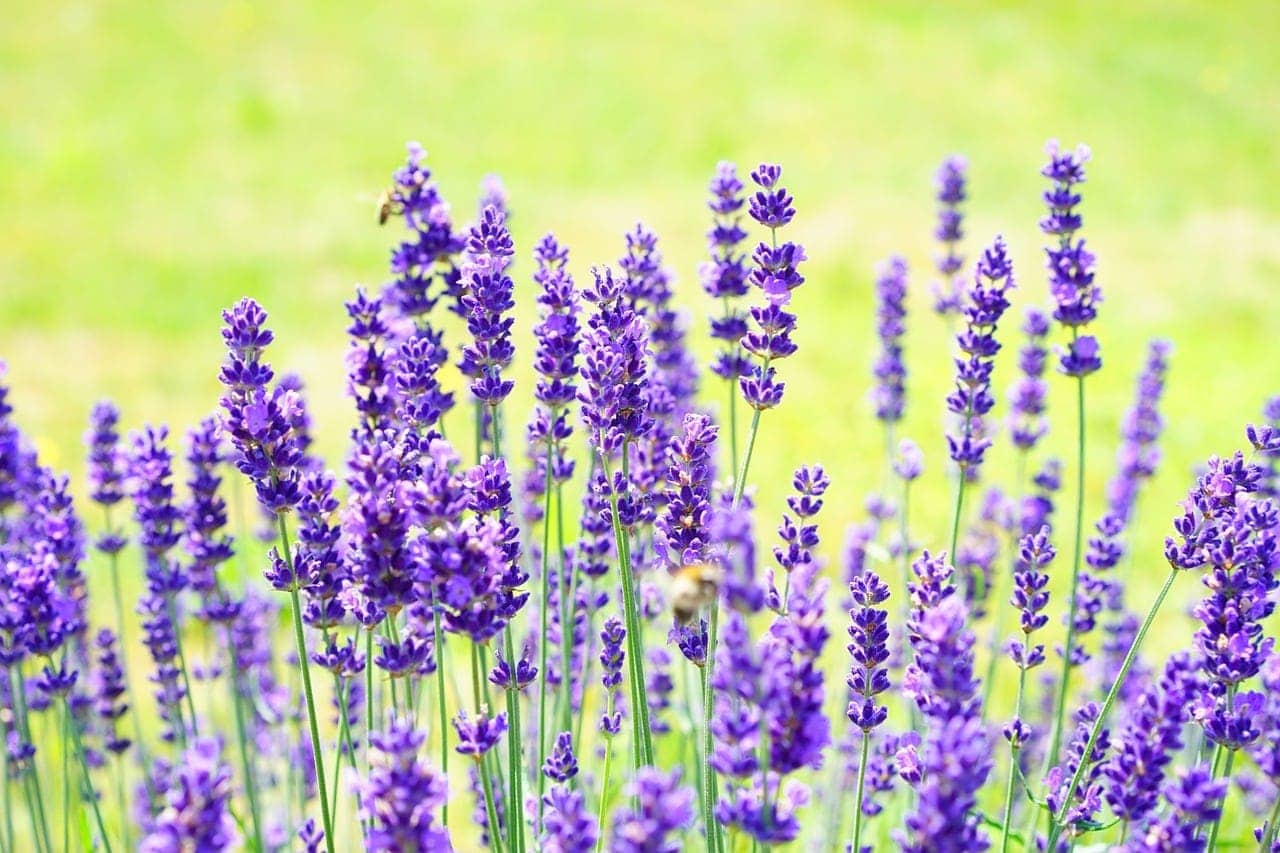
Some cats will nibble on your vegetable plants from time to time, but they’ll stay away from your gardens when they detect a pungent species. Some aromatic plants that repel cats are attractive and delicious in gourmet meals. You can plant them in your gardens and place potted herbs near shrubs and trees to repel cats.
Some of the species you can use include:
6. Predator Urine
Hunters use urine solutions to draw prey into the area, but you can use predator urine to keep cats away. Coyote urine is an ideal repellent because cats fear the clever beasts and will turn the other way when they detect their scent. You can find several brands of liquid repellents that are biodegradable and safe to use around plants, pets, and children.
7. Motion-Activated Sprinkler
Although it’s more feasible to use in warmer temperatures, a motion-activated sprinkler is a valuable tool to repel felines. When a cat creeps into your mulch, the device releases a cold blast of water that encourages the animal to find another spot. Cats hate being wet, and some dislike the noise that erupts from the sprinkler when it’s activated.
You can adjust the device’s range to cover a wide area of landscaped plants.
8. Noisemakers
Ultrasonic repellents are often used to repel wildlife and insects, and you can purchase models designed specifically for cats. However, the ultrasonic units may not work on all cats. Some gardeners claim that they help, but others have found cats and other creatures return to the area after realizing the sound is not harmful.
In 2001, the FTC warned 60 manufacturers of ultrasonic devices that they had to provide scientific evidence of their effectiveness. In laboratory tests, several brands were proven to be useless in repelling animals and bugs. Before purchasing an ultrasonic product, carefully research the company and check whether the producer was fined or sued for violating FTC regulations.
Instead of using an ultrasonic device, you can buy a motion-activated noisemaker that produces an audible sound that scares cats. The only disadvantage to the units is the loud noise that can irritate your neighbors.
9. Scat Mats
Although they cost slightly more than chicken wire, scat mats use the same principle to deter cats. They’re made of rubber or plastic and have blunt spikes that make the mulch uncomfortable. They will not injure the cat’s paws, but you can check the points before installing them to ensure they’re safe. If the knobs feel sharp to the touch, they’re not suitable for cats.
You can cover your mulch bed with the mats, and you can attach them to decks, windowsills, and outdoor furniture to keep your yard feline-free.
10. DIY Deterrents
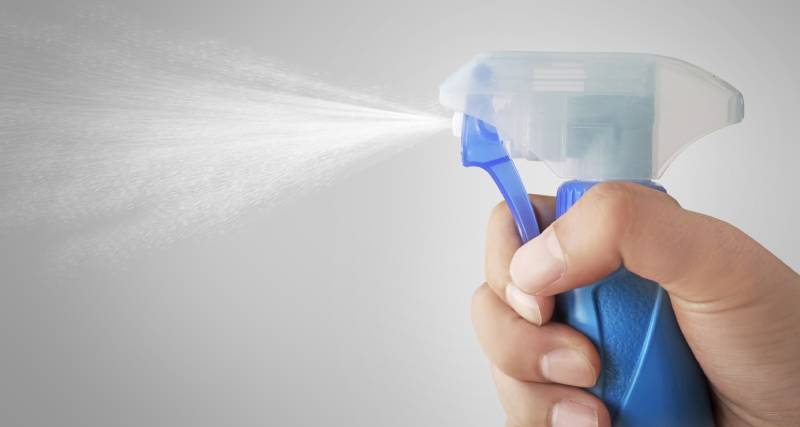
You can find several harmless commercial deterrents, but you can save money by making a homemade solution to repel visitors. Felines are not fond of citrus scents, and you mix ½ cup of water with a cup of lemon juice to spray on your mulch. Orange juice and lime juice will also work, but lemon juice is more potent.
11. Sandbox
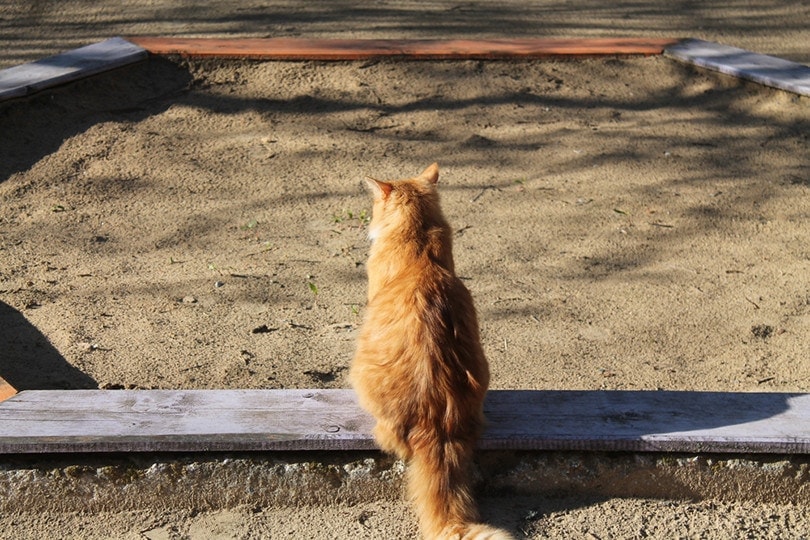
It’s unlikely that cats will continue to visit your garden when you use one of the previous deterrents, but you can install a sandbox away from your mulch beds if you like having the cats around. Build it in a shaded area and warn your children that it’s only for the neighborhood cats.
Every week, you’ll have to remove the kitty piles, but the cats will stop visiting your garden.
12. Spaying or Neutering
If your pet is not fixed, cats in the area may be congregating in your mulch because they’re searching for mates. It may seem like an extreme option for repelling visitors, but getting your cat fixed will minimize the chances of your cat escaping and disturbing your neighbor’s mulch.


Final Thoughts
Felines enjoy a carefree existence when they’re able to roam the neighborhood and relieve themselves where they please. Unlike farm animals like horses and cows, cats eat a carnivorous diet, and their waste is not suitable for compost. Keeping cats away from your mulch beds ensures your plants develop correctly.
After using one of the deterrents, you can enjoy your garden and rest easy knowing that the cats have chosen your neighbor’s mulch bed as their new outdoor bathroom.
Related Reads:
Featured Image By: Coernl, Pixabay
Get Hepper In Your Inbox


Pet care tips from our vets and experts, straight to your inbox.
You may opt-out at any time. View our Privacy Policy for more information.

Nicole is a lover of animals of all sizes but is especially fascinated with the feline variety. She’s the proud mom of Baby, a Burmese, and works every day so he can relax in the sunshine or by the fire. She’s always had a cat in her home and has spent countless days with others, observing behaviors and softening up even the grouchiest of the lot. Nicole wants to share her kitty expertise with you so you and your cat can live happy, healthy, and care-free.
Join the conversation
Ask a question, share your story, or send private feedback.