Hepper is reader-supported. When you buy via links on our site, we may earn an affiliate commission at no cost to you. Learn more.
How to Ship a Cat Safely & Humanely: Preparations & Methods


In this article
If you’re considering a move across the country or overseas, you might be wondering how your cats will get to their final destination. You could bring them in a vehicle with you or even in the cabin of a plane, but that doesn’t work for everyone.
Another option to consider is shipping your cat via airplane or ground transportation. Choosing which method of shipping is best should not be a decision you take lightly as both modes have their pros and cons.
We have gone ahead and gathered the information you need to make an informed decision. Keep reading to learn how to ship your cat safely and humanely.

Gathering Your Supplies
The first thing you need to do before you can get your cat sent off is to gather the supplies you’ll need to make the move possible.
Carrier
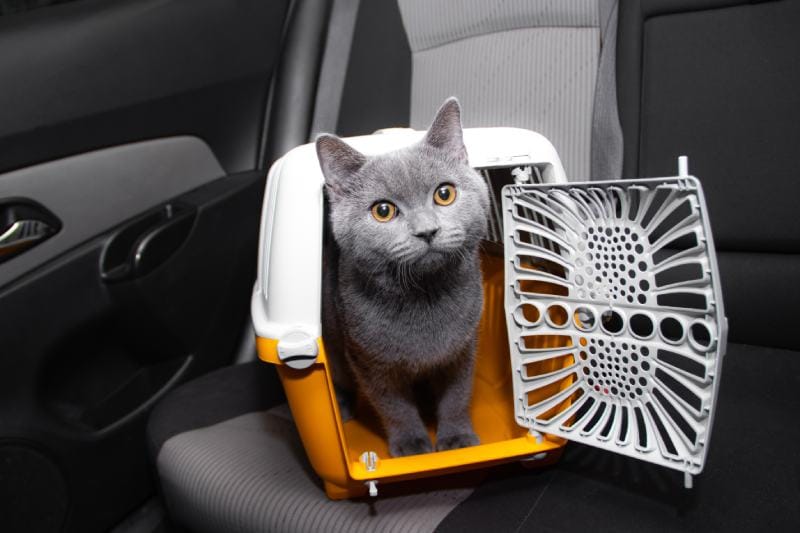
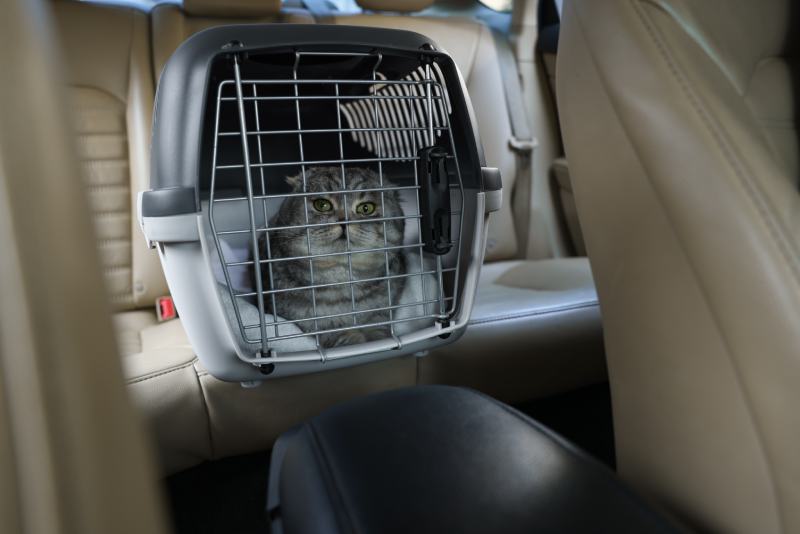
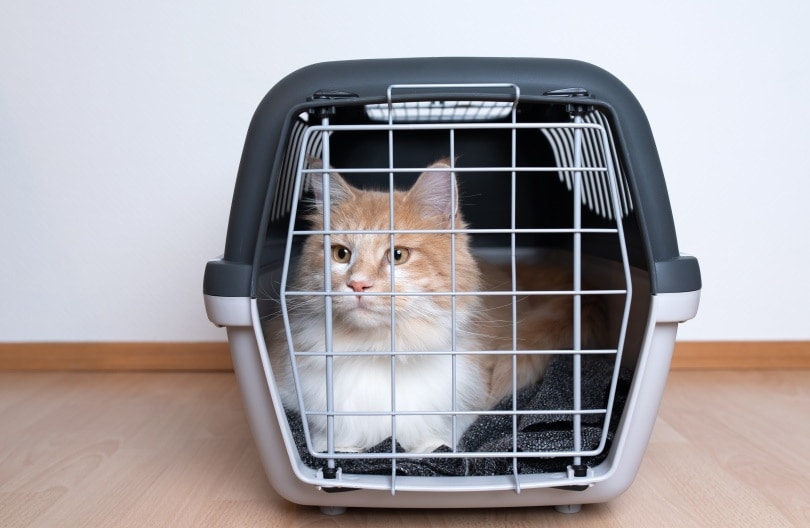
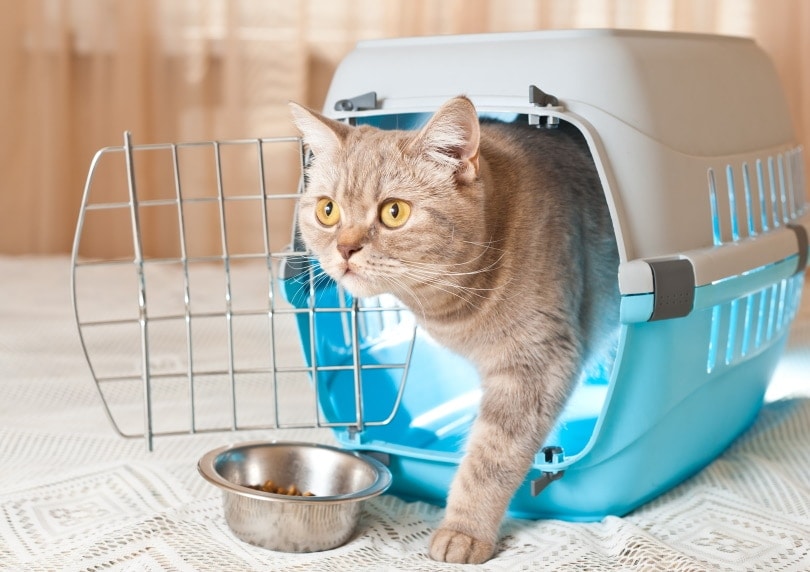
The most essential item you’ll need is a carrier. There is a seemingly never-ending supply of carriers on the market so it’s important to find one that’s the right type and size for your kitty.
The first aspect to consider when shopping for a carrier is its quality. You don’t want to buy one that’ll only be good for one trip and then rip or break before your next one. A high-quality carrier has strong stitching, good zippers, and durable mesh that your cat can’t rip through.
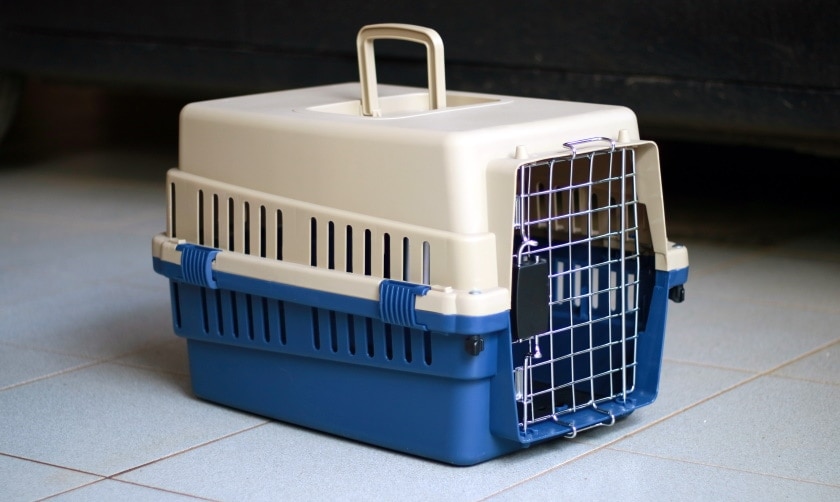
The size of the carrier needs to be just right to provide comfort for your kitty. They should be able to walk in and out of it and turn around in it easily. If you’re shipping your cat via a cargo hold on an airplane, you might want to get something a little bigger than necessary so they have a lot of space.
If your cat will be going on a plane in his carrier, it needs to be airline-approved. Manufacturers include this information in the product descriptions for their carriers. If you’re ever in doubt, visit your airline’s website to find their specific requirements for a carrier to be considered airline-approved.
Food and Water
Although your cat might not be interested in eating or drinking at all during their trip, you should provide access to both. This is especially true if your kitty is being shipped long distances.
Their food and water bowls should attach securely inside their kennel.
Litter
Like food and water, your cat might not even consider touching his litter box while he’s traveling. It is not a bad idea to have the option to use the litter box if he finds he needs it, though.
That said, every pet transportation company will have its own rules regarding litter. Some companies will provide disposable litter boxes, while others will allow you to bring your own.

Immunization Records & Health Certificate
Some cat shipping companies may require proof of up-to-date immunizations. You can get your pet’s immunization record from their veterinarian’s office. If your kitty is missing some of his vaccines, you may need to visit your vet so he can get caught up with his immunizations.
Some modes of animal transportation also require that your pet be health-certified within the previous 10 days. This will require a visit to your vet to ensure your cat is in good health for travel.
Medication
Depending on the travel personality of your cat, you might wish to sedate him. Some kitties do not travel well and will spend the entire time en route panting or panicking. If you know your cat errs on the side of travel anxiety, you should talk to your vet about sedation medication.
If you’re shipping via air, it’s important to know that airlines do discourage using sedatives for traveling pets. Any animal that has been given a sedative can be at a higher risk of cardiovascular or respiratory distress when the flight reaches a high altitude. Take a look at American Airlines' policies1 for transporting pets for more info.
You might consider trying an herbal stress reliever instead of a sedative. Every animal does respond differently to these types of treatments, so you might want to talk to your vet before trying something you buy online.
Some cats can suffer from motion sickness when traveling. You can talk to your vet about medications you can try to prevent your kitty from getting sick mid-shipment.

Home’s Creature Comforts
Don’t forget to pack a few of your cats’ favorite things in their kennel or crate with them. You might lay their favorite blanket down at the bottom of their crate or stick their favorite toy in there with them.
Cats are very territorial creatures that spend a lot of their time at home marking their territory with their scent. Ritualistic behaviors like scratching or rubbing on your furniture are ways they claim territory. When you bring along some of the items from home that they’ve spent time on, they’ll have something with their scent on it to remind them of home.
Identification
Your cat will need identification for his travels. You will most likely need to place some sort of tag on their carrier regardless of whether they’re being transported via air or ground. You might also consider outfitting them with a collar with pertinent info on it such as their name, your name, and your contact info.
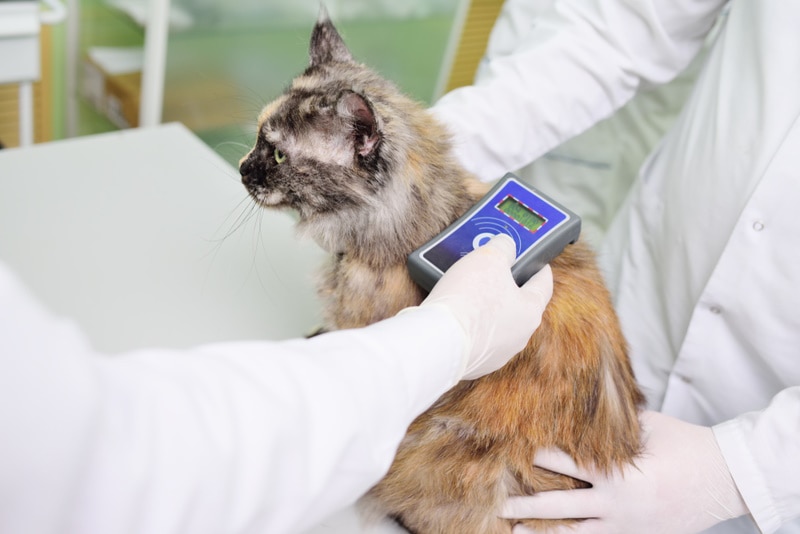
Microchipping your pet is another great way to protect your kitty if he were to get lost during his travels (or even once you arrive at your new home). It doesn’t cost much to get your cat microchipped and the peace of mind it provides is unbeatable.

Getting Your Cat Ready for Transport
Now that you have your supplies ready, the next step is to get your cat prepared for his big trip.
Start Early
The earlier you start preparing your cat for shipping, the better. If you’re shipping your kitty via ground transportation, take them out for a few short drives before the big day. This will give them a chance to get acquainted with vehicle travel. You might want to start by taking them to the car when the engine isn’t on. Reward them for their calm behavior, and don’t punish them if they scratch or hiss.
Set Out Their Carrier
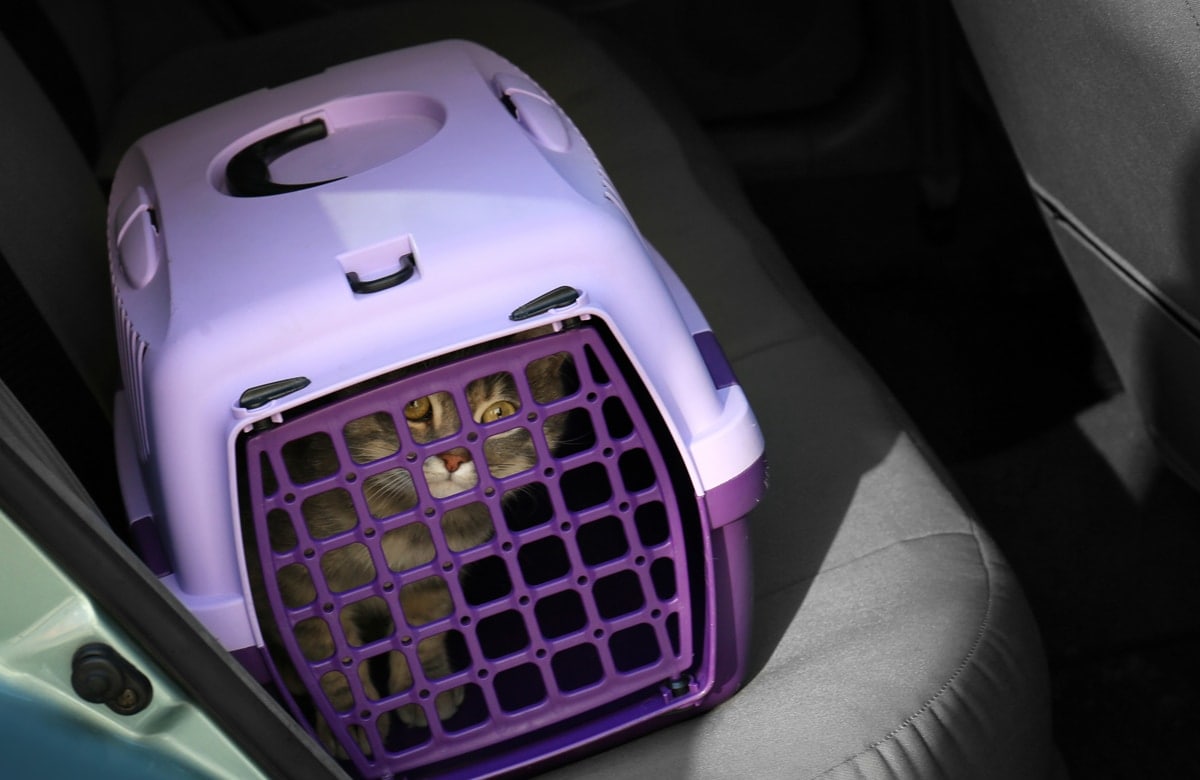
If you have the carrier they’ll be traveling in on hand, set it up in your home somewhere and let them become comfortable with it. Leave the door open and put a blanket inside to make it feel more comfortable. Your cat will start leaving his scent on the carrier and blanket, which will make him feel more at home while he’s traveling. A pheromone-based spray can also help make the carrier feel more inviting and comfortable to your cat as he starts getting used to it.
If your kitty is averse to the carrier, start feeding him in it. Doing so will help him associate positive feelings with the carrier.
Visit the Vet
You already know you may need a health certification and immunization record from your vet to ship your cat. You might also consider microchipping your pet if they don’t currently have one. This will allow for easy identification if your cat were to become lost on his travels. If he does have a microchip already, have your vet scan it to make sure it can be read.
Get Him Used to Loud Noises
Cats thrive in environments they’re familiar with. When you put them in a new situation with different scents and sounds, it can be scary and stress-inducing2. Not only are airplanes loud, but so are airports. Ground vehicles aren’t necessarily known for their stealthy operation, either.
Once your cat feels comfortable with car rides, take him to the airport and sit outside with him. The loud noises and pandemonium may be stressful at first, but over time the exposure will help them feel more at ease in loud environments.
Be sure to reward all good behavior!
Take a Spa Day
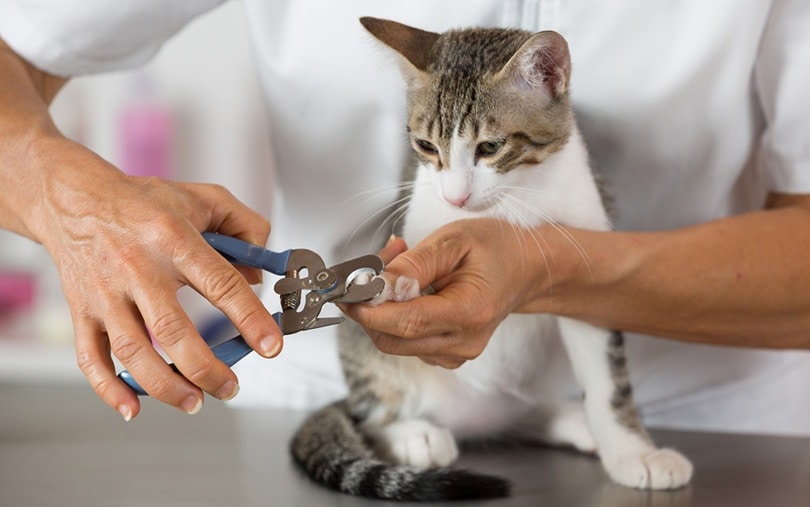
If it’s been a while since your cat had his nails trimmed, you’ll want to make sure that gets done before he travels. Nails that are too long can get caught in the interior of his carrier or snagged on the mesh. This could cause stress, panic, and eventual injury.
Step By Step Guide for Shipping Your Cat Via Plane
If you are transporting your cat long-distance or overseas, shipping via airplane might be the best option. Here are some steps to consider when taking this route.
1. Choose the Date Wisely
When shipping your pet as air freight, you will need to consult with the airline to make sure the freight facility is open. It’s recommended to ship your cat on weekdays as the airline will be more likely to have staff members working to assist with shipping.
Consider the time of year you’ll be shipping your pet, too. Some airlines have seasonal restrictions for pet travel. Delta, for example, will not ship pets if temperatures are above 80˚F or below 20˚F if the cat will be on the ground at any time during the transportation process.
Contact the airline directly to confirm that the day you want to ship your cat is available. Some airlines have limits on how many pets they’ll accept so the more advance notice you can give, the better. That said, some airlines won’t accept cargo bookings until two weeks before the departure date. This brings us to our next point:
2. Familiarize Yourself with the Airlines Guidelines
Every airline has different policies and requirements for animal shipping. To avoid any surprises on travel day, be sure to have a thorough conversation with the airline.
For example, some airlines will not allow you to ship certain breeds like Persians or Burmese cats. This is because these breeds have snubbed noses and may be more prone to oxygen deprivation and heat stroke when in an airplane.
You should familiarize yourself with the day-of transport rules. How soon before departure do you need to be at the airport? Where do you check in?

3. Label Your Carrier
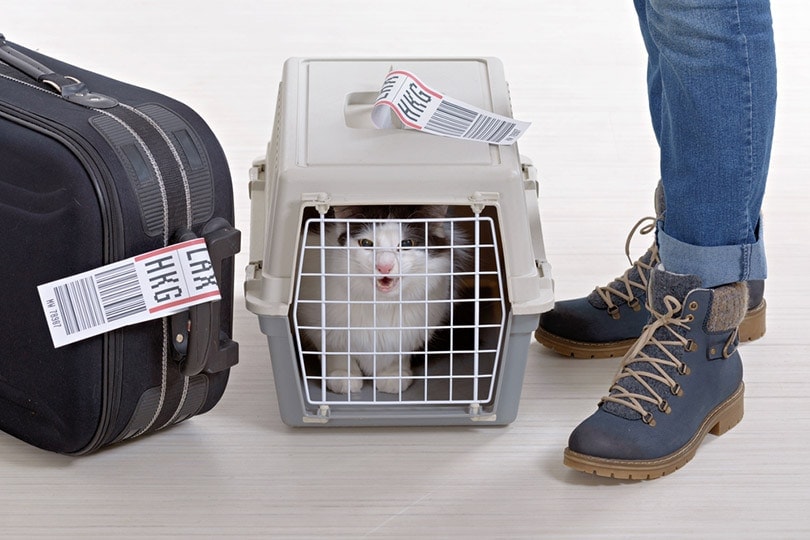
The container you’re shipping your cat in needs to be labeled correctly to keep him as safe as possible. You will need to write “LIVE ANIMAL” in several spots on the container as well as “THIS SIDE UP” with arrows to denote which direction the carrier needs to be stored. You should also note on the container if your cat has been sedated, including pertinent information like his weight, how much sedative you gave him, the name of the sedative, and when it was given.
The labels should also contain your contact information and who to contact at the end destination (if it’s not also you).
4. Check-in with All Pertinent Information
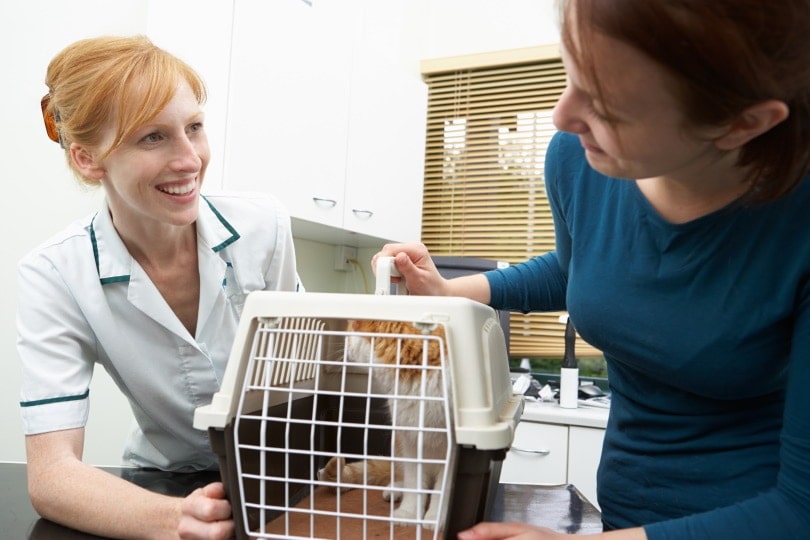
When you check into the airline, you’ll need to provide information to the check-in agent regarding your cat’s health and current status. This is when you’ll provide the health certificate, too. Some airlines recommend you feed your pet within four hours of the flight, while others suggest not feeding them sooner than four hours before boarding.
5. Take Care of Their Needs
It’s important to keep your cat on their current routine for as long as you can pre-travel. Cats often do not respond well to changes, so too many sudden changes in their routine at once can cause anxiety and stress.
Be sure you’re feeding your cat before boarding. You should aim to feel him around four to six hours before his flight. If the flight is long, you may need to bring pre-bagged portions of hard food to attach to his shipping container. The flight staff may be on the hook for feeding him during those long flights or if there are delays or multiple stops.
Offer your cat water up to an hour before takeoff. They may need to be given water if they’re traveling in cargo or are going on long flights.
Step By Step Guide for Shipping Your Cat Via Ground Transportation
If you don’t want to send your cat via airplane, you can ship them via ground transportation. There are plenty of companies throughout the world that will gladly transport your pet for you. Here are some steps to consider if you’re going this route.
1. Consider Different Types of Ground Shipping
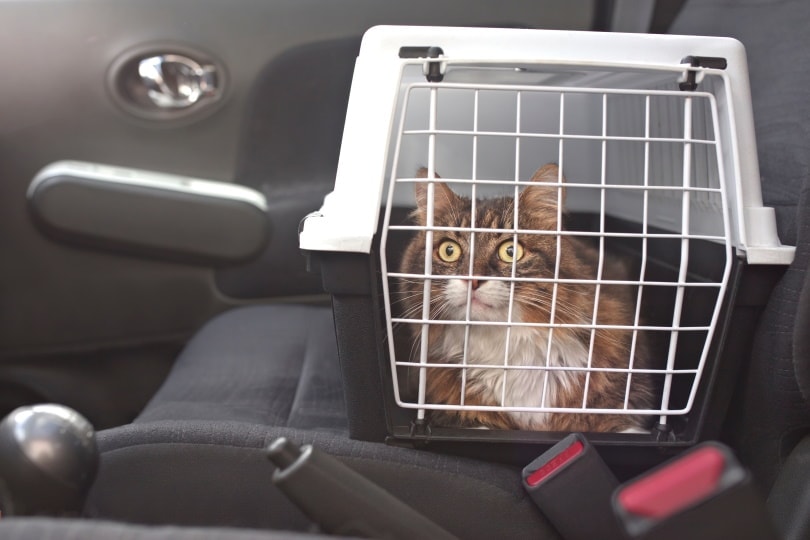
There are two main types of ground shipping. You can choose private ground transportation where your cat will receive personalized attention and care during their travels. The drivers tend to be more likely to consistently send updates, and you won’t need to worry about your cat becoming anxious in the presence of other animals.
The second type of ground shipping is shared. Companies that provide shared ground transportation will be more affordably priced than private but shipping this way does have its drawbacks. There may be multiple stops on the route to your cat’s destination, which can up already high anxiety levels. You won’t be able to control how many other pets are in the vehicle with your cat or the breed of those other pets. If your kitty doesn’t do well around dogs, he isn’t going to have a good time in a shared ground transport vehicle.
2. Choose The Company Wiseley
We never recommend choosing the first company that pops up in a Google search. Just because they’re good at SEO doesn’t mean they’ll be the best pick for your pets.
Read through every prospect’s website thoroughly and then contact them for a quote. You should also set up a time to meet with them face-to-face or via teleconference so you can ask any questions you might have.
Choose a company that is licensed, bonded, and insured for peace of mind. You might also consider companies that offer special benefits like GPS tracking, constant updates from the drivers, and those with drivers certified in animal first aid.
3. Consider Your Pets Needs
One of the biggest perks of ground transportation versus air transportation is that your pet will get more personalized service. Most ground transportation companies are run by pet lovers who will feed and water your cat periodically as well as offer a litter box and fresh air. If your cat is a social butterfly, they’ll love having this attention as they travel. Your kitty also won’t be left alone or unattended for any duration of their trip.
If your cat has medication he needs to take, most ground transport drivers are up to the task. Many of these companies hire and train their drivers to administer both injections and medications.
Brachycephalic breeds like Persians, Himalayas, and Burmese cats can travel via ground transport with no problem. Many airlines will not accept these breeds so it’s nice to have the option to ship them this way.
Things to Know About Shipping Your Cat Internationally
There are some things you need to consider if you’re planning on shipping your cat over international borders.
Import Permits
Every country has different import requirements to bring your pet in. Research your cat’s destination country to determine what permits you will need before you ship him. For example, if you’re traveling to Canada from the United States, you’ll either need an international health certificate or a valid rabies vaccination certificate to enter. If you’re traveling with your cat to the Philippines, you’ll need an import permit from the Philippine Bureau of Animal Industry, an international health certificate from a vet, and a microchip or RFID for identification.
Quarantine
Some countries will require a quarantine period for your cat. For example, all cats entering Australia from Europe or the USA need to have a minimum 10-day Post Entry Quarantine at Melbourne. The total length of the quarantine will depend on which country you’re coming from. Similar rules apply when shipping your cat to the state of Hawaii or the territory of Guam.

Related Read: 10 Shocking Pet Shipping Safety Statistics
Final Thoughts
Choosing whether to ship your kitty via air or ground transport is a big decision. You will need to choose the option that works best both for you and your pet. Give yourself plenty of time to research each airline and ground transport company so you can pick the right method based on your cat’s personality and needs. If you can, it is safest to have your cat transported with you in your vehicle or the cabin.
Featured Image Credit: Nils Jacobi, Shutterstock
Get Hepper In Your Inbox


Pet care tips from our vets and experts, straight to your inbox.
You may opt-out at any time. View our Privacy Policy for more information.
Chantelle's life revolves around two passions: writing and animals. Raised on the prairies of Canada amidst a menagerie of pets, she now lives with five cats, two guinea pigs, and a bearded dragon. Together with her husband and child, Chantelle delights in being an exemplary animal parent, going as far as installing wall-mounted cat shelves to give their cats an indoor playground. When she's not cozying up with her cats or snapping their amusing antics, she enjoys venturing into the Rocky Mountains, binge-watching her favorite Netflix shows, and indulging in spontaneous reading adventures.
Join the conversation
Ask a question, share your story, or send private feedback.