Hepper is reader-supported. When you buy via links on our site, we may earn an affiliate commission at no cost to you. Learn more.
How To Care For A Blind Cat (Vet Answer)

In this article
Cats can be mischievous, delightful, loving companions—and blind cats are no exception! While caring for your blind pet may seem overwhelming at first, both you and your fearless feline will adapt to a “new normal” in no time. The following article will discuss how to identify blindness in your cat, potential causes of vision loss, and tips for caring for your blind feline.

How to Tell If Your Cat Is Blind
Vision loss in a cat may either be acute (sudden) or progressive, taking place gradually over months to years. Signs that your cat may have become suddenly blind include confusion, fearfulness, increased vocalization, bumping into walls or furniture, and an inability to locate things such as food bowls or litter boxes. Similar, albeit less obvious signs may be noted in cases of progressive vision loss. These cats demonstrate more subtle changes in behavior as they are often able to compensate quite well for a gradual decrease in visual acuity—especially in a familiar environment.

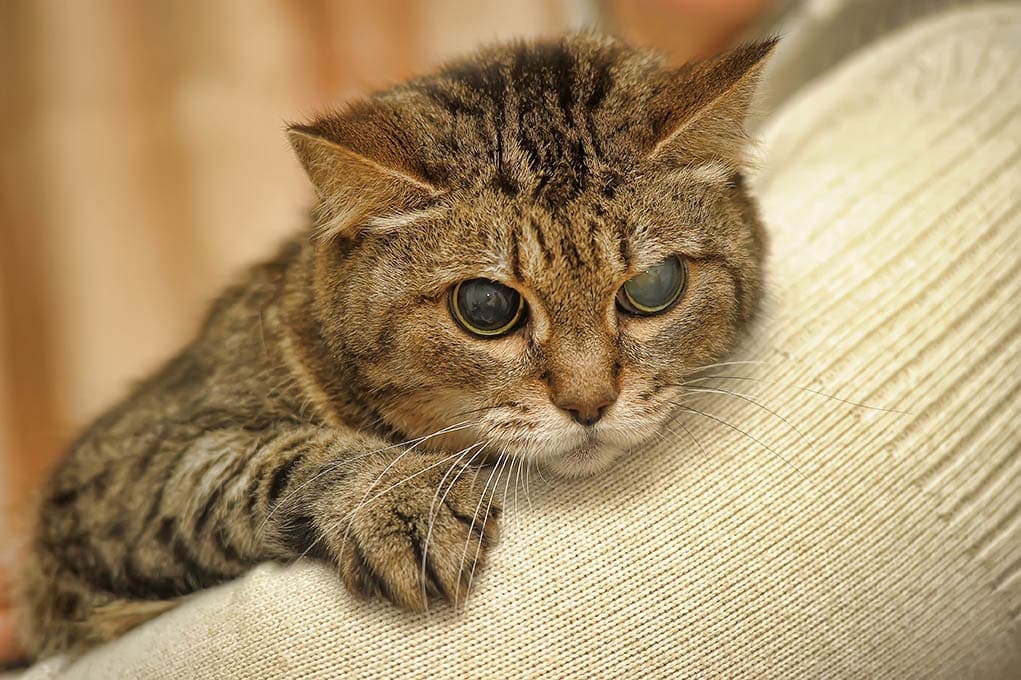
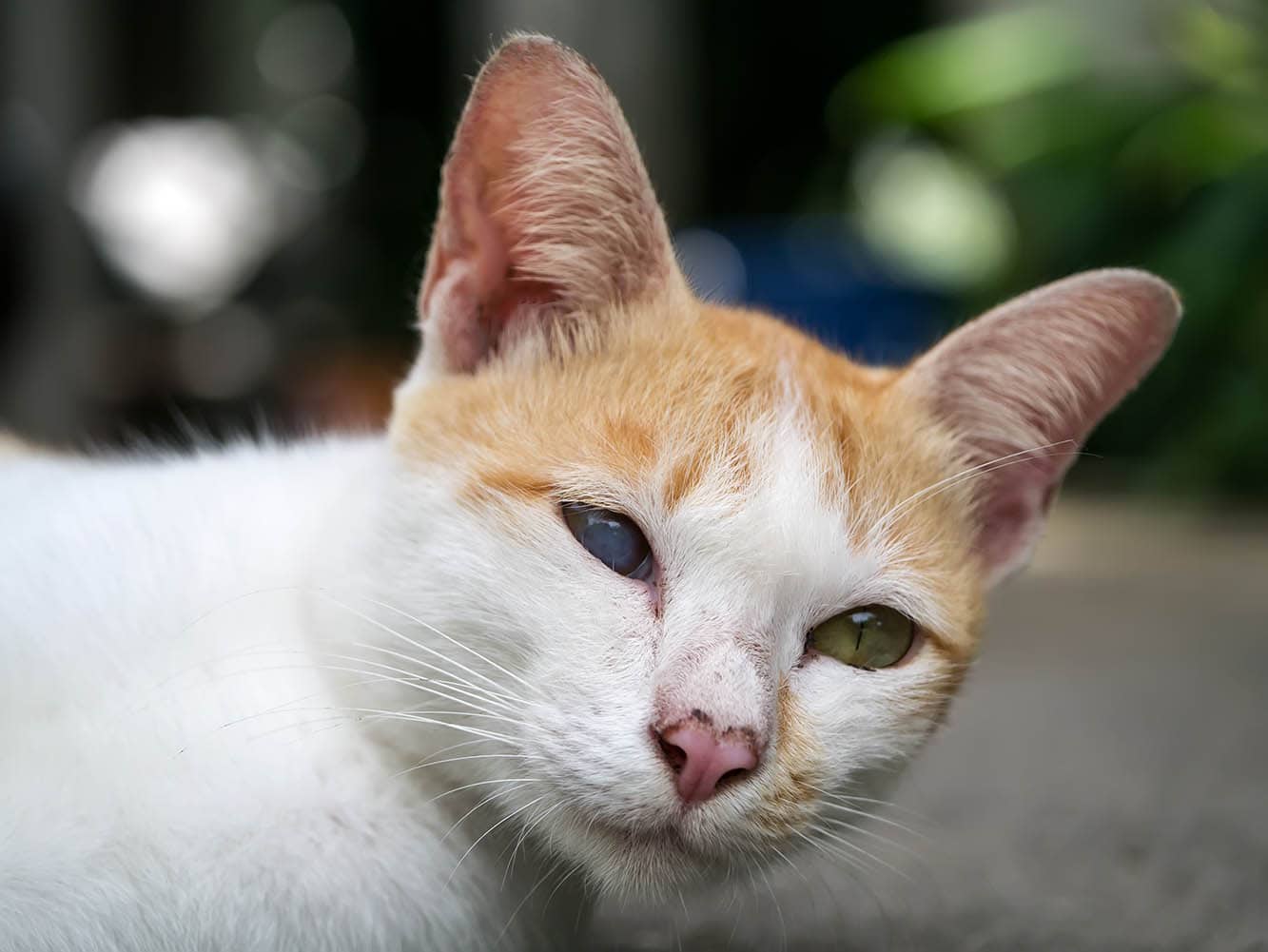
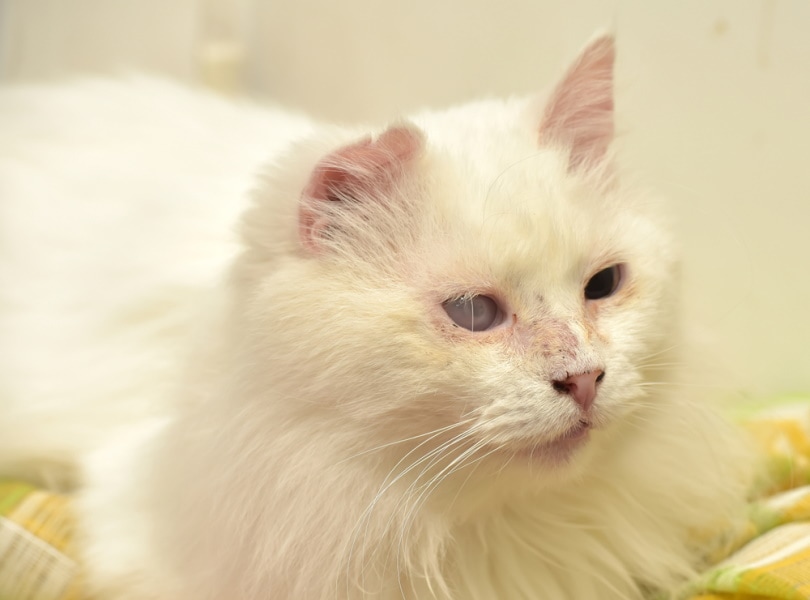
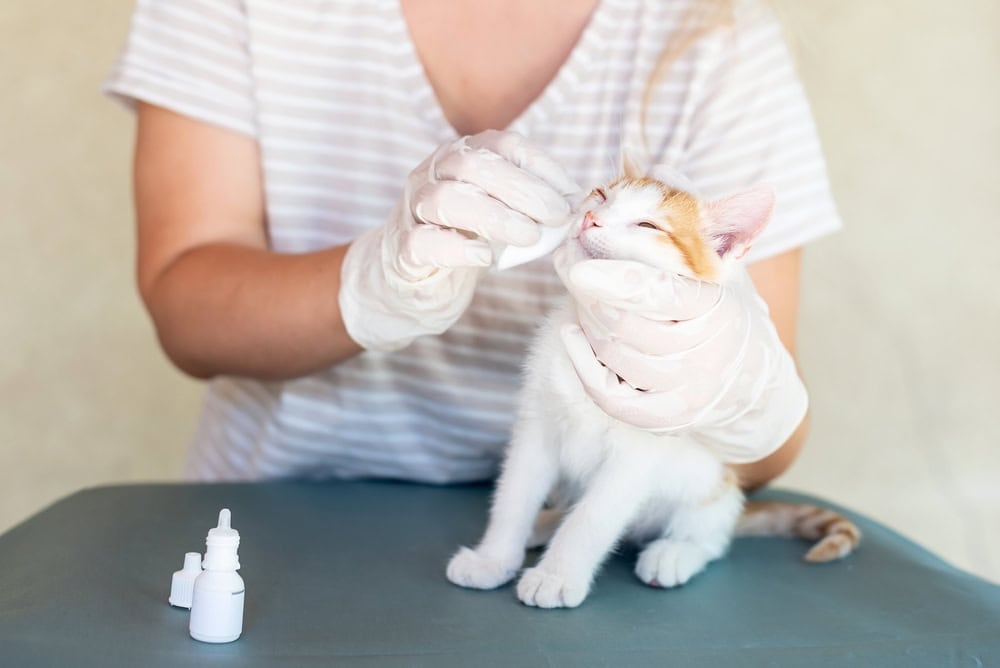
While not necessarily indicative of blindness or vision loss, changes to the appearance of your cat's eyes could indicate a potential issue that requires further evaluation. Red, squinty, cloudy, bulging, persistently dilated, or asymmetrical eyes should always prompt an examination by your veterinarian.
Causes of Blindness in Cats
- Retinal detachment: Retinal detachment in felines is frequently seen secondary to hypertension (high blood pressure), although a wide variety of causes are possible. The prognosis for return of vision is variable, and dependent on the underlying cause as well as how quickly veterinary treatment is sought. Hypertension is often present in cats with chronic kidney disease or hyperthyroidism.
- Uveitis: Anterior uveitis (inflammation of the iris and ciliary body) is common in cats and may affect vision if untreated. Uveitis may be caused by trauma or neoplasia, as well as viral, bacterial, or fungal infections.
- Progressive Retinal Atrophy: Progressive Retinal Atrophy (PRA) is a group of genetic, degenerative diseases affecting the retina. Night blindness is often noted early in the course of the disease, which tends to progress to complete vision loss within several months to years.
- Optic Neuritis: Inflammation of the optic nerve can occur secondary to a variety of causes, including infection, trauma, and brain inflammation. The resulting sudden blindness may be treatable depending on the underlying cause.
- Taurine Deficiency: Taurine is an essential amino acid required by cats to prevent retinal degeneration, heart disease, and other systemic abnormalities. This amino acid is present in sufficient amounts in commercial cat foods; however, deficiency may be seen in cats fed an imbalanced homemade diet.
- Cataracts: Cataracts impede vision when an area of the normally translucent lens of the eye becomes cloudy or opaque. Cataracts in cats may be caused by a wide variety of conditions, including uveitis, metabolic disease, or trauma.
- Glaucoma: Feline glaucoma may cause blindness in cats through the ocular pressure-induced destruction of the retina and optic disk. Glaucoma in cats is most often secondary to uveitis or ocular neoplasia.

Living With A Blind Cat
Once a diagnosis of blindness has been established by your veterinarian, you may wonder— what's next? Thankfully, cats are typically very skilled at adapting to life with vision loss, especially in a home where their unique needs are understood. If you have a blind cat at home, consider the following tips to help support them as they become accustomed to living with vision loss:
- Maintain a consistent environment. While change around the house is sometimes unavoidable, in general, keeping a similar set-up for your furniture, rugs, and other household fixtures will make it easier for your blind cat to navigate the house. Litter boxes, food and water bowls, and beds should also be kept in areas familiar to your feline. Lastly, keeping the areas your cat frequents free from clutter or miscellaneous objects can increase their confidence as they learn to get around without their sight to guide them.
- Prevent access to dangerous areas. Blocking off parts of the house that may be difficult for your blind cat to navigate—such as steep stairs, or any area they may fall from—will help keep them safe while they are adapting to vision loss.
- Support an indoor lifestyle. Even if your feline used to go outside before losing its vision, allowing unsupervised, outdoor access once vision loss has been identified can be dangerous. Keeping your blind cat indoors will help minimize their risk of injury and prevent them from getting lost. If you do choose to take your cat outside they will require direct supervision, as well as a leash and well-fitting harness to help keep them safe. Patios, catios, or other enclosed spaces may be other options for cats with a desire to be outdoors.
- Provide environmental enrichment. Blind cats require mental stimulation and enrichment similar to their seeing counterparts. If the environmental needs of a cat are not being met, the resulting stress may manifest as unwanted behaviors or even medical issues. Providing opportunities for your blind cat to play will help to keep them happy and healthy. Toys that make noise, as well as puzzle or treat-dispensing toys, may be good options to engage a cat with vision loss. Introducing a scratching post may also be a great, appropriate outlet for your blind cat.
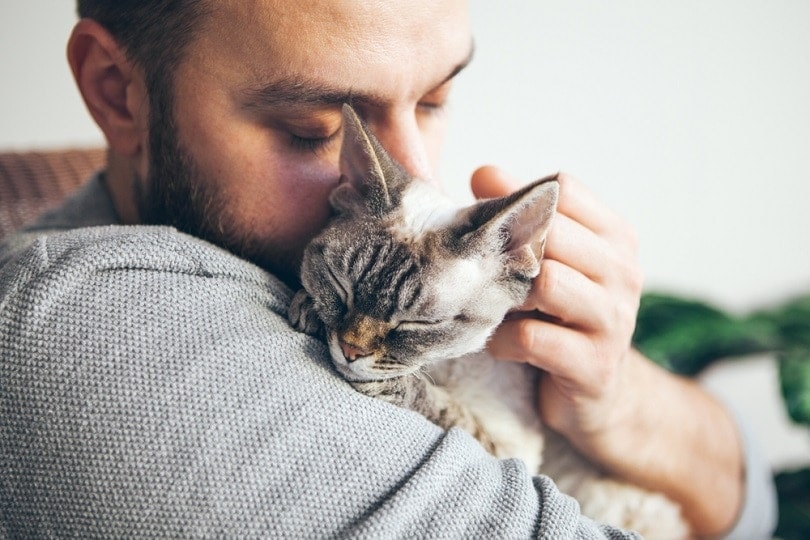
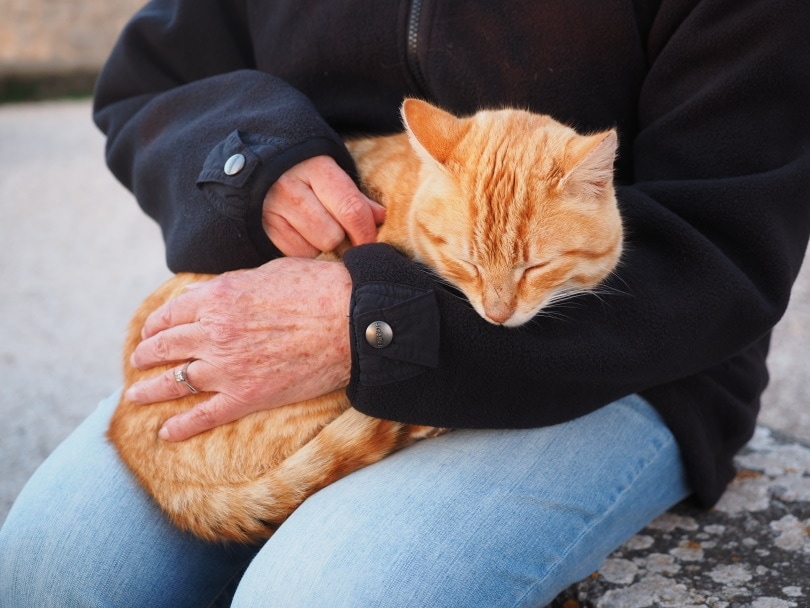
- Lastly, spending quality time with your feline—on their terms, as cats may have different preferences regarding human interaction—can help them to lead a fulfilled life.
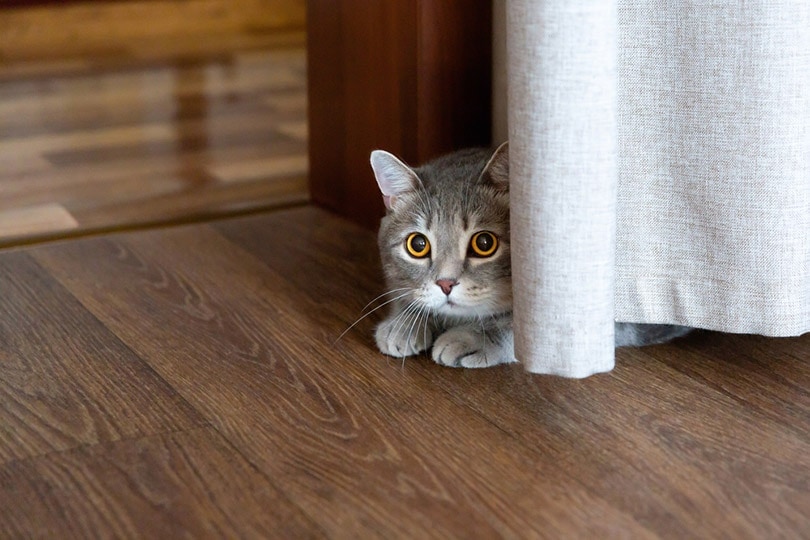
Assuming care for a blind cat often comes as a surprise; however, it is by no means an insurmountable feat. After working together with your veterinarian to identify vision loss and treat any underlying or persistent health issues, caring for your blind feline at home can be accomplished with love and a little extra support. Blindness is just one characteristic of your cat, and will not affect their ability to live a comfortable, happy life with your support and care.
Related Read: How to Care for a Tripod Cat: Tips & Health Advice
Featured Image Credit: Piqsels
Get Hepper In Your Inbox


Pet care tips from our vets and experts, straight to your inbox.
You may opt-out at any time. View our Privacy Policy for more information.
Dr. Leigh is a US-based veterinarian with over 9 years of experience. She is a lifelong animal lover who grew up with all kinds of pets, including dogs, hamsters, and fish. Leigh received her Doctor of Veterinary Medicine degree from the University of Minnesota and has specialized in shelter medicine and small animal clinical practice ever since. She enjoys small animal preventative medicine and surgery and loves helping pet owners by sharing her knowledge on a wide variety of veterinary topics. Leigh lives with her husband, two young children, and Hershey, her elderly pug mix. Outside of work Leigh likes traveling, reading, and hanging out with her family.
When Dr. Leigh was a child, her passion for animals started. She grew up tending to hamsters, guinea pigs, rats, fish, and dogs. She now shares her home with her husband, her two young children, and Hershey, her geriatric pug mix. When she's not working, Leigh loves spending time with her family, reading, and traveling.
Education
Leigh graduated from the University of Minnesota, where she received her Doctor of Veterinary Medicine degree. She has worked in both small animal clinical practice and shelter medicine since graduation.
Experience
Dr. Leigh has over 9 years of veterinary experience. She enjoys small animal preventative medicine and surgery and is passionate about helping pet owners through sharing her knowledge on a wide variety of veterinary topics.
Check out some of our top posts written by our veterinarian team:
Can I Put Vaseline on My Cat’s Paws? Is It Safe?
Join the conversation
Ask a question, share your story, or send private feedback.