Hepper is reader-supported. When you buy via links on our site, we may earn an affiliate commission at no cost to you. Learn more.
How to Train a Newfoundland Dog (8 Expert Tips)
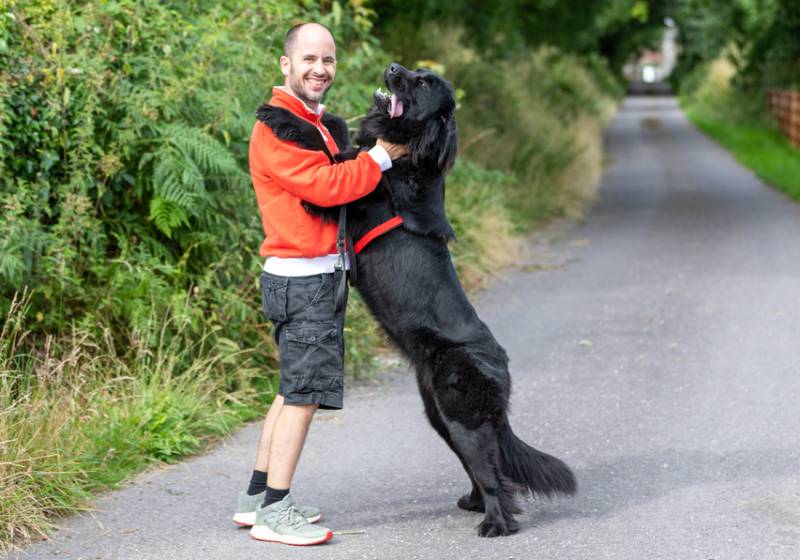
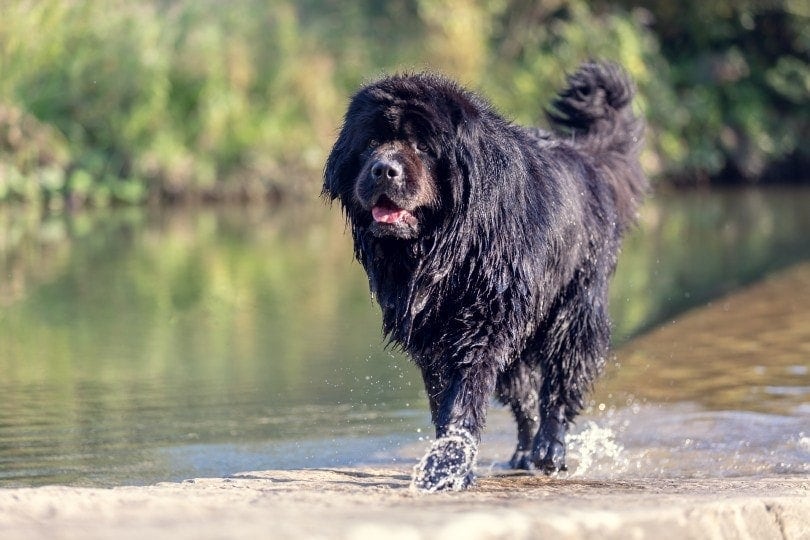
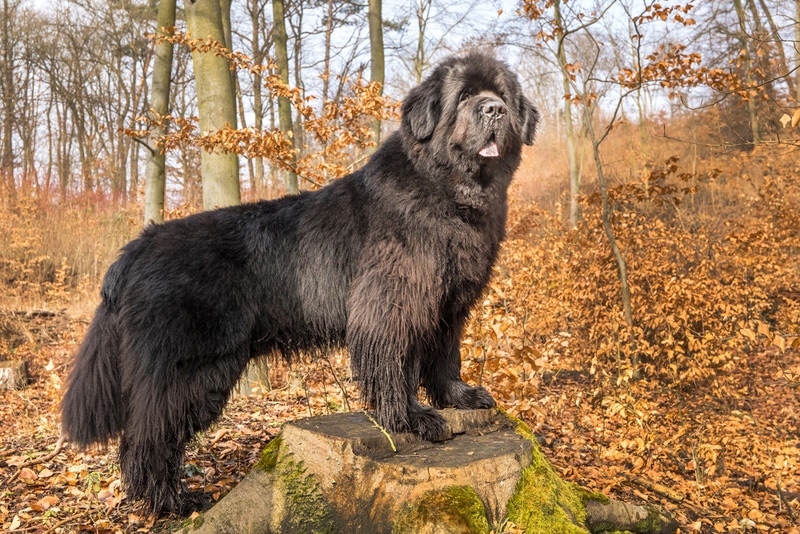
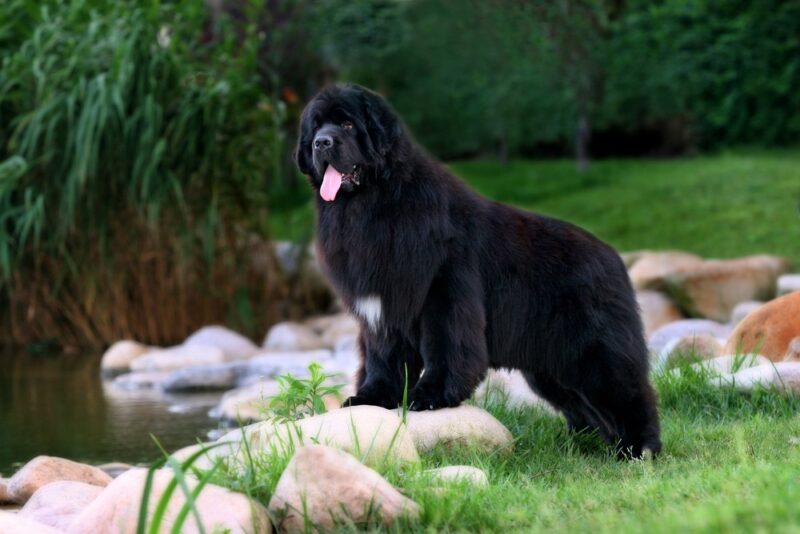
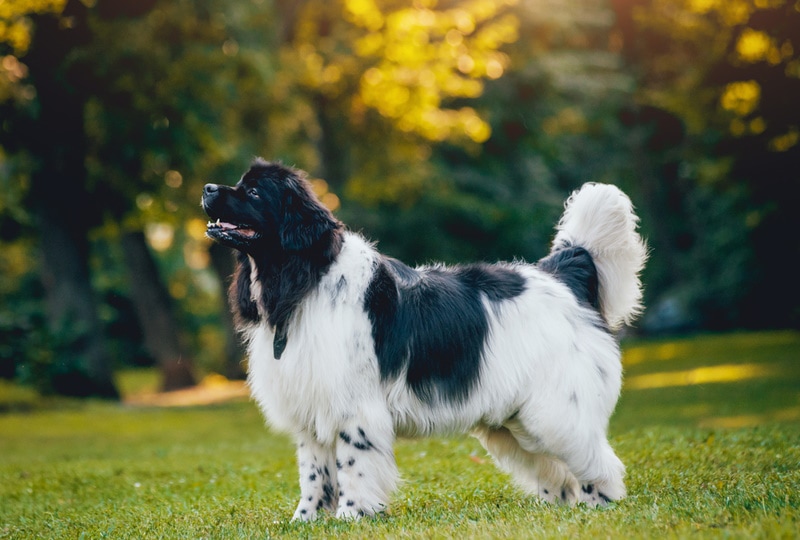
Newfoundland is a dog breed native to Canada. These large dogs are gentle giants who are very affectionate, loving, and caring. They are intelligent and eager to please their owners, which makes training them much easier.
However, people without experience in training dogs, especially Newfoundland dogs, may have some difficulties during training. As training with a Newfie can become tricky for some people, knowing things that will make the sessions flow smoothly is helpful.
In this article, we will share eight expert tips on how to train a Newfoundland dog that will help you to train your Newfie like a pro and help it to develop into a social and friendly furry companion.

The 8 Tips for Training a Newfoundland
1. Start Training While Your Newfoundland Is a Puppy
Like with most dog breeds, it’s best to start training while your Newfoundland is still a puppy. Reputable breeders typically give away Newfies after they reach between 10–12 weeks,1 as they need previous vet screenings.
After your Newfoundland gets home, you can slowly start introducing new textures, sounds, and provide safe socialization around kids and other animals. These dogs usually come from a late litter, so this period in your Newfies life through weeks 12–18 is crucial for building a bond with your pup while promoting positive behavior.
At this age, you can also introduce all other types of training your Newfie pup might need, from potty training to obedience.
If you need help with training your dog, we suggest speaking to an online vet for tips and tricks.
2. Build a Routine From a Young Age
Although they’re large dogs, even during their puppy stage, Newfoundlands are sweet babies who need love, guidance, and direction. Because of that, it’s your job as their pet parent to build a routine and provide a safe environment for all of your activities.
Potty training, nice leash walking, and getting familiar with the crate are some of the basic activities that should be included in your Newfies life during the first weeks the pup gets to your home. You can also consider training your Newfie basic obedience skills, such as lying down or sitting.
The earlier you start, the better.
The time and dedication you put into the training sessions with your Newfie will highly pay off, as you’ll have a gentle, loving, and caring dog who’s ready to protect you and your family.

3. Break Down the Training Sessions
Newfoundlands are generally active dogs, and they typically need extensive training sessions in their adulthood. However, during the puppy stage, the Newfoundlands can lack energy and concentration, which is why it’s best to break down the training sessions into smaller pieces.
Having multiple training sessions with your Newfie will allow you both to be more focused on the training and in a better mood, allowing your dog to learn quickly and connect with you more easily.
This tactic is very efficient as it ensures that you get your dog’s complete attention during the training session.
4. Ensure You Provide Enough Mental and Physical Stimulation In a Safe Environment
Newfoundland puppies are often true explorers and love to get to know the world around them. If not sleeping, you can often find them snooping around or trying to feel the world with their mouths.
Newfie puppies love to check out the things around them but can often be clumsy, slipping on tiles or hardwood floors. Due to their size, slipping could lead to joint injuries and cause further health problems.
As Newfoundland puppies require plenty of mental and physical stimulation, it’s your responsibility to provide the needed stimulation in a safe environment so that your puppy can learn and develop.

5. Consider the Tone of Your Voice During Newfoundland Training
During training, many people tend to forget that dogs aren’t just listening to them; they’re also looking at body language, hand movements, facial expressions, and even listening to your voice.
Newfoundland puppies are extremely sensitive to the way you talk during training sessions, and they can read the tone of your voice. Because of that, you should consider the tone of your voice during Newfoundland training.
While teaching obedience skills, try to remain firm yet gentle; use a euphoric, delighted tone to express your happiness.
6. Consider Enrolling Your Newfie Into a Puppy Class
Newfoundland puppies should socialize with humans and animals from a young age; if you don’t have other pets and there are no places for other dog-to-dog encounters, consider enrolling your Newfie into a puppy class.
The puppy class can be a great learning experience for your Newfoundland puppy as your Newfie will meet new friends while at the same time learning how to not get distracted by other puppies.
Your Newfie should be well-rested for the class to be able to concentrate better, and as long as you utilize the same practices at home, your furry friend will know how to behave around other canines.

7. Introduce Grooming Early
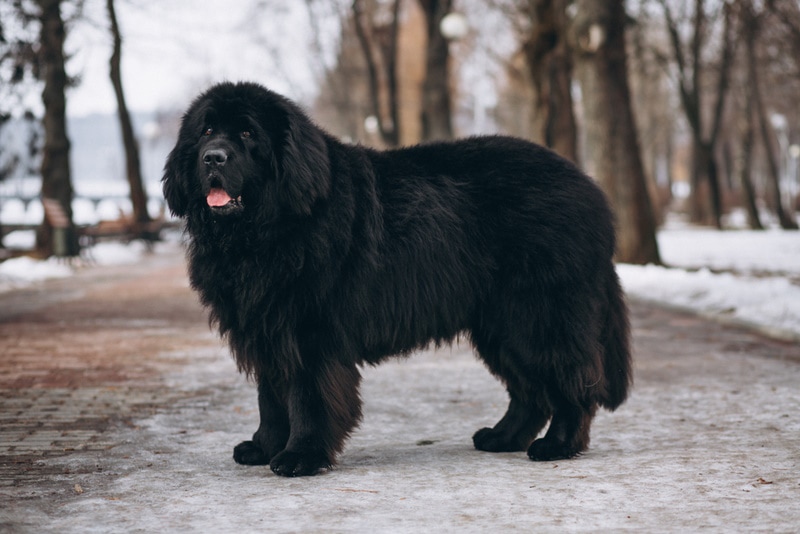
Adult Newfoundland dogs have heavy, double coats that often require excessive grooming to keep them healthy and in good shape.
Every Newfoundland is bound to need regular:
That’s why it’s essential to introduce grooming from an early age.
Introducing grooming early will allow your Newfoundland to get comfortable during the grooming sessions and learn how to behave for the session to flow smoothly. Try to keep each session short and entertaining while your Newfoundland is a puppy, and always reward your dog after a successful job.
8. Always Practice Positive Reinforcement
Newfoundlands are extremely gentle and loving dogs who form strong bonds with their owners. Your Newfie will love you and try to bond from day one, and you’ll be the person they rely on to.
Because of that, you should always remember to practice positive reinforcement and also be gentle with your Newfie puppy. That doesn’t mean you shouldn’t be firm, as your puppy needs you for guidance. Instead, combine firmness with love and affection to show your furry friend that your intentions are good for both of you.
When your Newfoundland puppy does a good job, always reward the behavior and give them your support and affection. This will strengthen your bong and help your puppy learn and develop new skills better.

Final Words
Newfoundland dogs are extremely intelligent and eager to please their owners, so they’re typically easy to train. However, for your Newfie to be well-behaved and friendly during adulthood, it’s your job to ensure your pup gets the needed training through consistency and positive reinforcement.
By using the tips on our list, you’ll know how to train a Newfoundland dog to learn quickly and pay close attention to you throughout your training sessions.
Sources
Featured Image Credit: D. Ribeiro, Shutterstock
Get Hepper In Your Inbox


Pet care tips from our vets and experts, straight to your inbox.
You may opt-out at any time. View our Privacy Policy for more information.

Visnja is a content writer that covers various topics such as DIY, pets, home improvement, travel, gardening, and more.
She is a young mom and a college student, who didn’t have enough time to balance her personal and work life, so after multiple years of working a regular 9 to 5 job, she decided to pursue her passion and make a living out of it. She has been writing for a couple of years, helping people find valuable and interesting information online.
Join the conversation
Ask a question, share your story, or send private feedback.