Hepper is reader-supported. When you buy via links on our site, we may earn an affiliate commission at no cost to you. Learn more.
Newfoundland Dog Breed Info, Pictures, Traits
Breed Overview
Height:
Weight:
Lifespan:
Colors:
Suitable for:
Temperament:
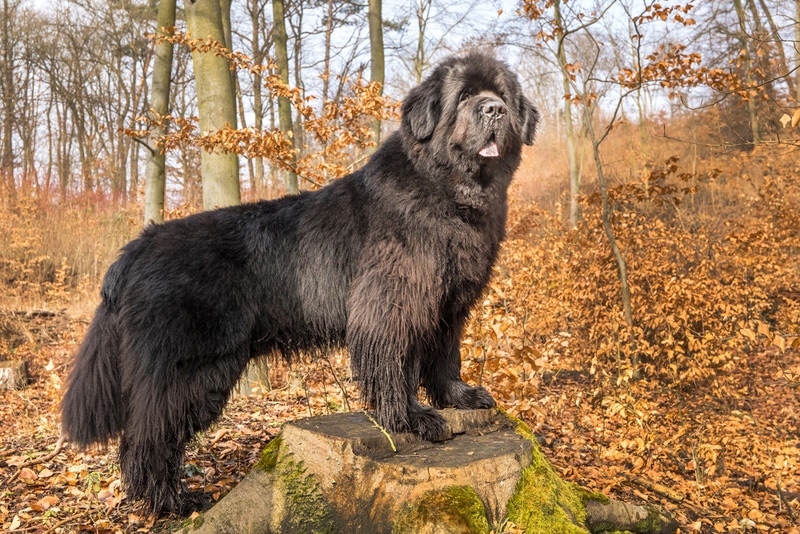
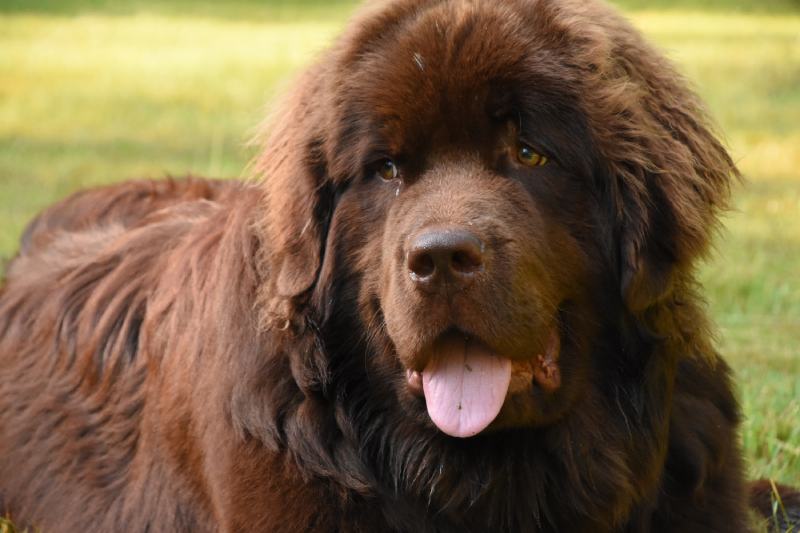
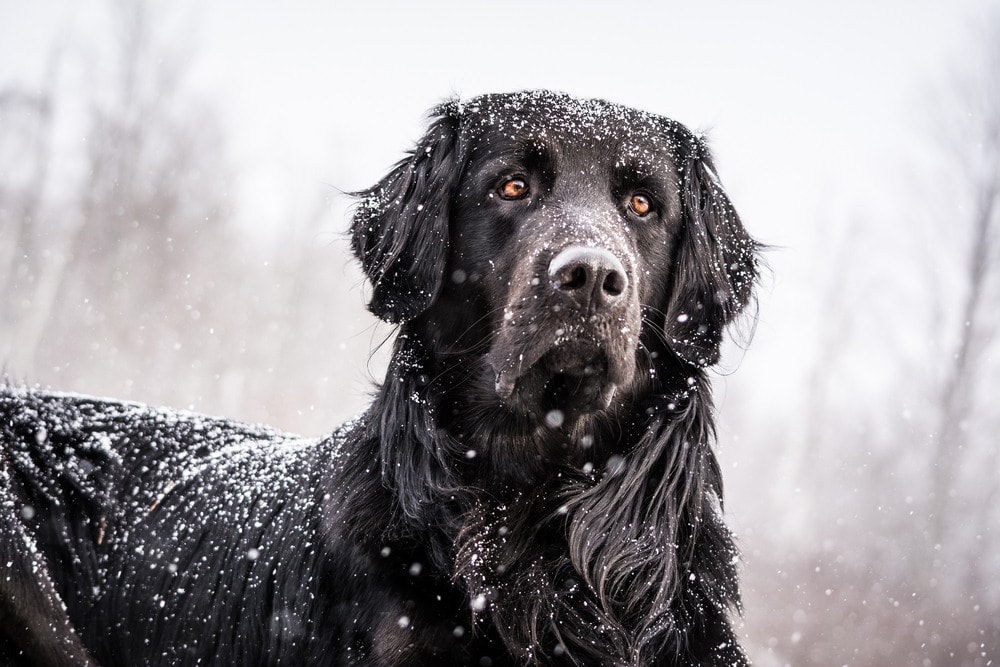
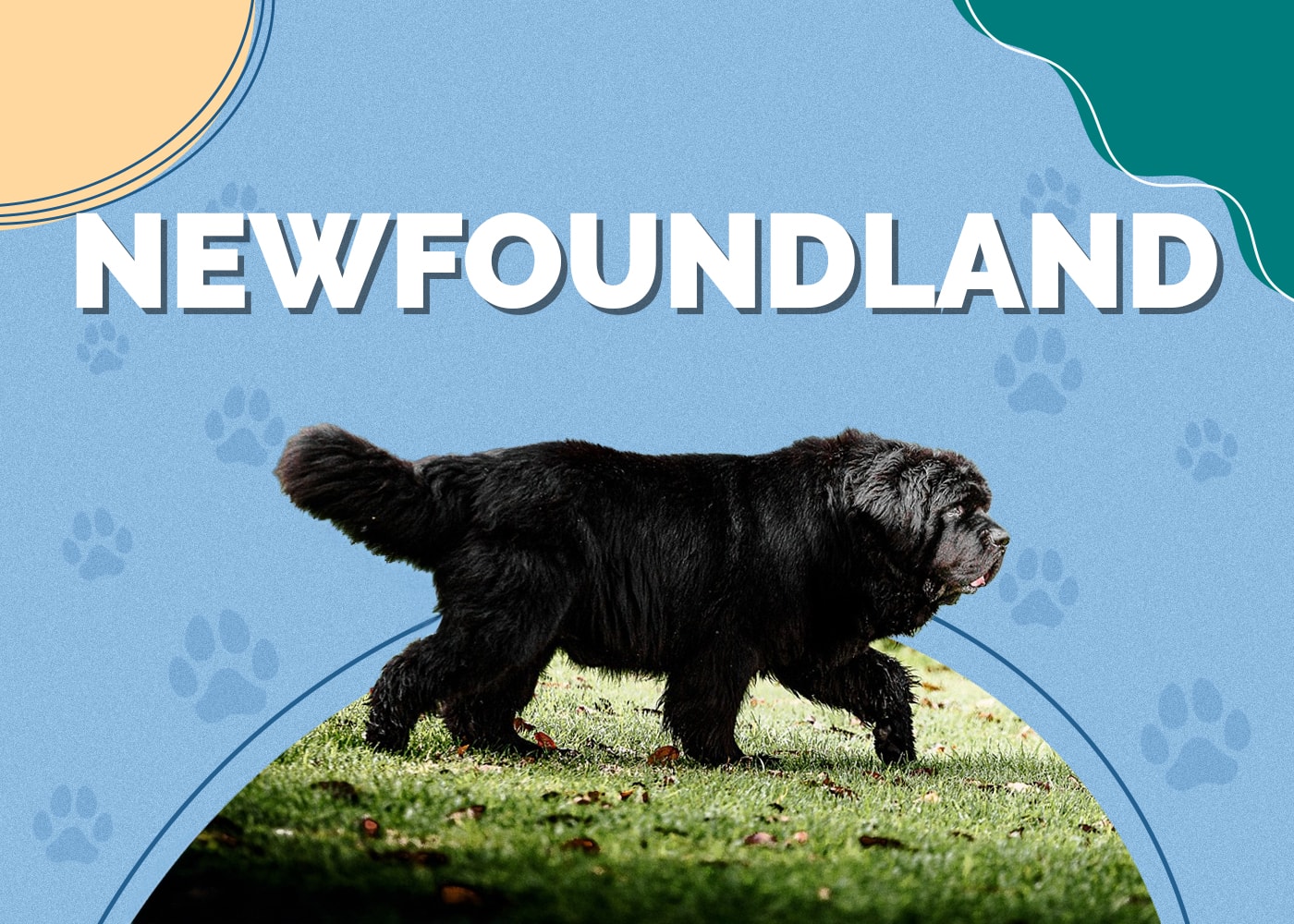
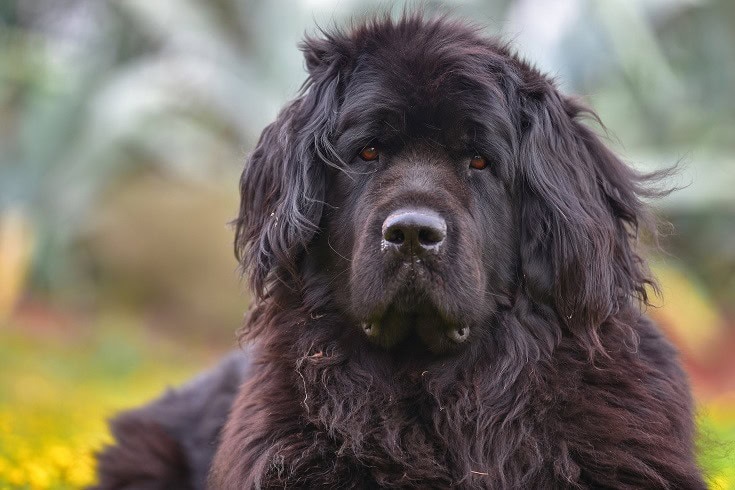
A gentle giant with a heart as big as their head, the Newfoundland is a working breed that thrives when they have a job to do. Noble, loyal, and intelligent, the “Newfie” makes the ideal calm companion for just about any household that doesn’t mind some drool (okay, a lot of drool).
It’s not just drool that you’ll have to put up with, however. These dogs will track all sorts of dirt and grime into your house, and they can destroy everything in their path when they get rambunctious.
Those are small prices to pay for this kind of companionship, though. If you’re thinking about adding this docile dog to your family, our complete guide will reveal everything there is to know about the Newfoundland.

Newfoundland Puppies
Newfoundland Characteristics
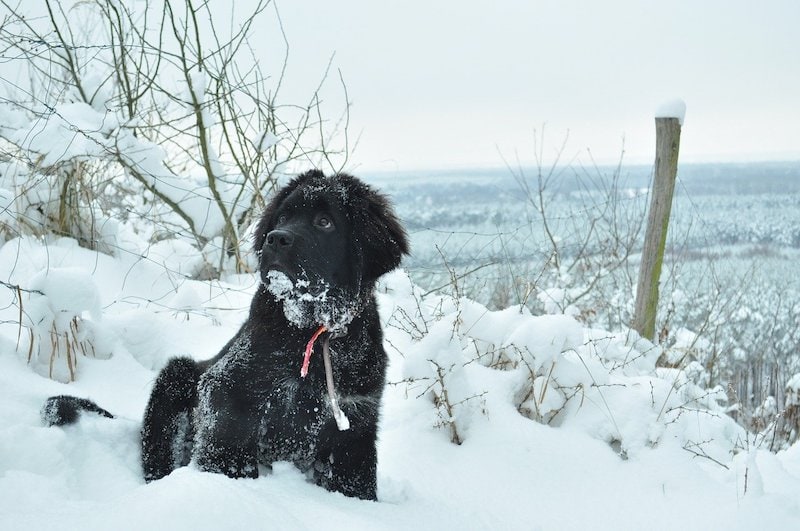
Newfoundland puppies are incredibly fat and fluffy, and they think the whole world exists just to play with them. Which is to say, they’re completely adorable. Don’t lose your head when you see one, however. Many people have brought home one of these adorable little pups only to realize that they weren’t ready to handle the full-grown dog they became.
We don’t think you’ll regret adopting one of these little fluffballs, but we do want you to know what you’re getting into. If you’re not prepared to deal with an occasionally filthy 100-pound lap dog, you have no business owning a Newfie. For those who are willing to sacrifice a little bit of their personal space, though, Newfies are among the most lovable companions on the planet.
3 Little-Known Facts About the Newfoundland
1. They’re Fantastic Swimmers
Newfies were originally bred as rescue and service dogs for the crews on fishing ships in Newfoundland, an island off the coast of Canada. While they’re no longer found on fishing boats very often, they’re still used as water rescue dogs.
As you might expect, their bodies have adapted to make them fantastic for cold water rescue. They have webbed feet and a thick, water-resistant double coat.
They’ll instinctually try to save a person who’s drowning, so if you start splashing around in your backyard pool, don’t be surprised if your canine lifeguard drags you out by the scruff of your neck.
2. They’re Truly Massive
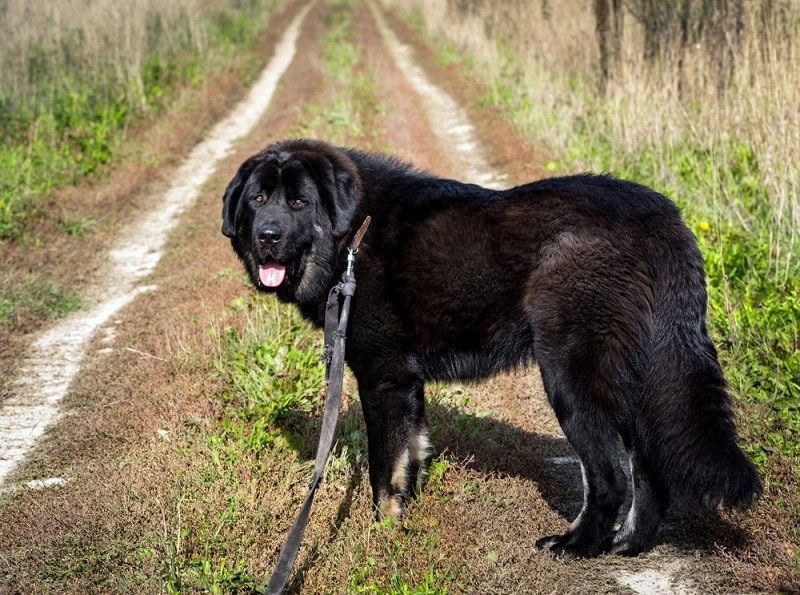
Male Newfoundland dogs can tip the scale at 150 pounds, which makes them one of the largest dog breeds on the planet. They’re incredibly powerful, too — after all, they were bred to pull people out of the water.
That’s why it’s extremely important that you train them properly. If your Newfie is poorly-behaved, they can easily drag you all over the neighborhood, and there’s little you can do to stop them.
Of course, they don’t realize how big they are. They think they’re lap dogs — a fact you’ll discover as soon as you sit on the couch.
3. A Fairytale Icon
The Newfoundland may have been the inspiration behind the Darling family’s nanny dog in Peter Pan. The author, J.M. Barrie, had a Newfie of his own named “Luath” that he loved, so naturally he decided to immortalize his dog on the page.
However, this is a manner of some dispute among people with too much time on their hands. You see, Barrie owned a different dog when he got the idea for Peter Pan — a Saint Bernard.
The only thing we know for sure is that, given his love for big pups, Barrie probably spent most of the money he made from Peter Pan on dog food.
Temperament & Intelligence of the Newfoundland 🧠
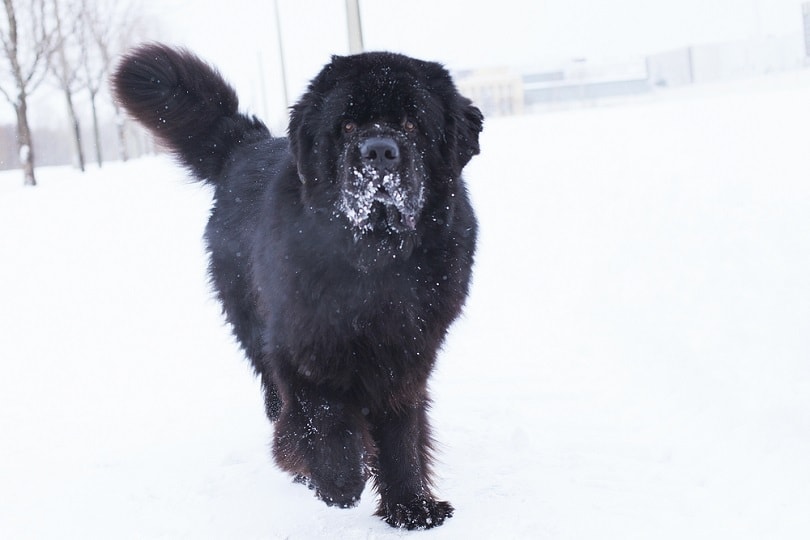
Despite their large and intimidating size, the Newfoundland is a total sweetheart. Peaceable, smart, trustworthy, and devoted, this breed is terrific with all members of your family.
And they do love to be around their families. This is not a dog that can be left alone for long periods, so if you don’t have the time to devote to your pooch, you should pick a more independent breed.
However, they can be protective and courageous when the time calls for it. They’re not prone to aggression, but they can certainly put on a good show if their families are threatened. There aren’t very many people willing to cross a 150-pound dog, either.
Newfoundlands are highly intelligent and can pick up obedience basics like a pro. They’re eager to please as well, which makes training them fairly easy.
However, they still need consistent, confident, and firm commands in order to really thrive. You don’t want to let them walk all over you, because they will walk all over you — literally.
Are These Dogs Good for Families? 🏡
Because of their peaceful nature, the Newfoundland is great for families with younger children. They truly are nanny dogs, and they’re extremely patient with and protective of little ones.
However, Newfies generally aren’t aware of their truly immense size. This is why it’s important to keep a watchful eye on your kids during playtime. A full-grown Newfie could easily knock a child over while in the middle of a zoomie, and they can injure them if they step or sit on them.
Additionally, teach your children how to behave accordingly around a new dog before you bring it home. This includes never bothering the dog when he’s eating and not moving quickly and erratically around the dog.
The fact is, these dogs are much more likely to be abused by children than to abuse them. However, don’t assume that they’ll have a gentle nature; you still need to socialize and train them from a young age.
Also, don’t assume these massive mutts are only suitable for homeowners. While they do need a fair amount of exercise each day, they’re generally happy to laze around the house when not working out. As a result, they do just as well in apartments as houses.
Does This Breed Get Along With Other Pets? 🐶 😽
Generally speaking, Newfoundlands get along well with other dogs. However, you still need to socialize them as puppies, as they can become dominant towards members of the same sex.
This can be mitigated somewhat by getting the dog fixed as soon as you can, but you still need to monitor them around other mutts. Get them to a trainer or behavioralist at the first sign of any aggression, because you do not want to break up a fight in which a Newfie’s involved.
They’re usually tolerant of cats and other small animals, but it’s best if you introduce them to the other animal while the Newfie is a puppy. It’s much harder to bring a fully-grown Newfie into your house unless you already know they’re non-reactive around cats.

Things to Know When Owning a Newfoundland
Now that you know a little bit more about your Newfoundland’s personality and intelligence, let’s discuss everything this dog needs in order to live life to the fullest.
Food & Diet Requirements
Your Newfoundland will do best on 4 to 5 cups of high-quality kibble that is divided into two separate meals every day. The breed is prone to obesity, so don’t leave their food out for them to free-feed.
We recommend a high-protein kibble, ideally one that uses high-quality meats instead of animal by-products. Watch out for ingredients that are filled with empty calories like wheat, corn, and soy, as these will do little more than fatten up your dog.
Look for a kibble with premium fruits and veggies, too. As a general rule, if it’s good for you, it’ll probably be good for your dog. That means foods like broccoli, apples, cranberries, and the like are all excellent for your pup.
Due to their massive size, Newfies can be prone to joint problems, so you might want to start them off on a glucosamine supplement at an early age. It’s not a miracle cure, but it can definitely help.
Bloat is another serious concern, so don’t let them wolf their food down, and limit their activity for about an hour after eating.
Exercise 🐕
Newfies are happy to spend most of the day laying around the house, so that often fools people into thinking they’re low maintenance dogs. The fact is, though, that they need quite a bit of exercise.
You should plan on giving them at least an hour of moderate activity per day. Walks are good, but not sufficient, so expect to need to play with them for a little bit too.
However, be careful not to overdo it with the workouts. Limit high-impact activities like running and jumping, as these put a lot of stress on the Newfie’s already-fragile joints. Swimming is fantastic exercise and it’s low-impact; plus, Newfies love it.
Be careful during the summer months, too. These are cold weather dogs, and as such, they can easily overheat once the mercury rises.
If you don’t exercise your dog enough, they can channel their excess energy into destructive behavior. Think about how much damage a 100-pound dog can do, and then double it; that’s the kind of devastation these dogs can wreak.
Training 🦮
The Newfoundland is a definite people-pleaser. This makes training fairly easy, but you should still start socializing and training them from day one.
They respond best to a firm and confident hand during training, but don’t be overbearing. These are surprisingly sensitive dogs, and punishing them is often counterproductive. Positive reinforcement works best for this breed.
If you’re not confident in your training abilities, by all means, consult a pro or join some training classes. Don’t give up, though, because you do not want these giants to become ill-mannered.
One of the biggest training issues Newfies have is separation anxiety. They don’t like being alone, and they may destroy your house every time you leave if you don’t nip it in the bud.
Grooming ✂️
Newfoundlands have a double coat that is water-resistant; while the undercoat is thick and soft, the outer layer is long and coarse. They shed moderately and will need to be brushed two to three times per week and bathed as needed.
You’ll need to trim their nails and clean their ears as needed. You should brush their teeth several times per week as well.
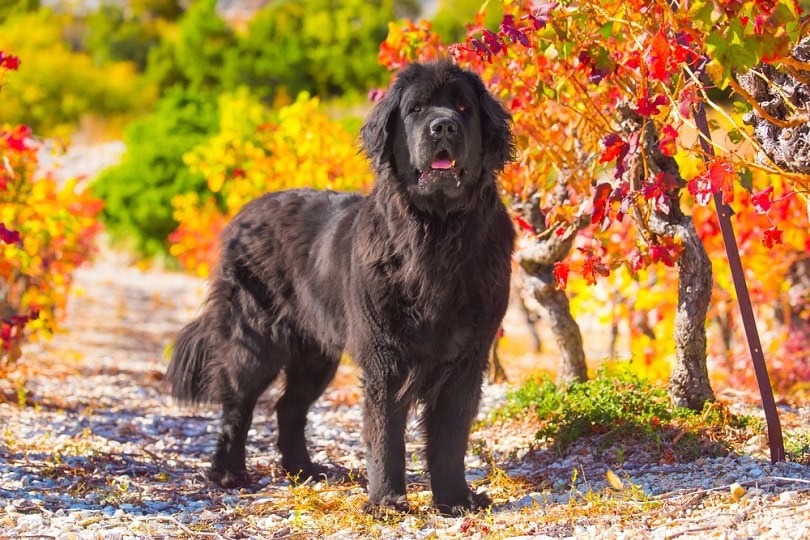
One of the biggest issues Newfies have is their propensity to drool. They’ll slobber all over the place; there’s no real way to stop this, so you just need to be prepared to clean up the mess.
Also see: Best Dog Shampoos - Reviews & Top Picks
Health and Conditions ❤️
Newfies are wonderful dogs, but unfortunately, like many large breeds, they’re prone to all manner of health issues. Some of the most notable are:
Male vs. Female
Male Newfies are significantly larger than females. Despite this physical difference, both genders have typically the same personality traits.

Conclusion
The Newfoundland is a big, brawny teddy bear that will make the perfect pet for almost any household. Gentle and kind, this breed needs to be properly trained and socialized from the start due to its massive size.
While they’re fantastic pets, they do have their fair share of challenges. They’re prone to a variety of health problems, and they need more exercise than you might expect.
If you can afford one, though, you’ll be rewarded with the love of a truly wonderful companion for your entire family. Also, you’ll be rewarded with drool — lots and lots of drool.
Related Read: 16 Newfoundland Dog Mixes (With Pictures)
Featured Image: YAN WEN, Shutterstock
Get Hepper In Your Inbox


Pet care tips from our vets and experts, straight to your inbox.
You may opt-out at any time. View our Privacy Policy for more information.

Nicole is a lover of animals of all sizes but is especially fascinated with the feline variety. She’s the proud mom of Baby, a Burmese, and works every day so he can relax in the sunshine or by the fire. She’s always had a cat in her home and has spent countless days with others, observing behaviors and softening up even the grouchiest of the lot. Nicole wants to share her kitty expertise with you so you and your cat can live happy, healthy, and care-free.
Join the conversation
Ask a question, share your story, or send private feedback.