Hepper is reader-supported. When you buy via links on our site, we may earn an affiliate commission at no cost to you. Learn more.
How to Train a Psychiatric Service Dog: 8 Vet-Reviewed Tips


In this article
Anyone who has ever owned a dog knows that they play an important role in their lives. But for some people, dogs are critical for helping them manage their daily activities.
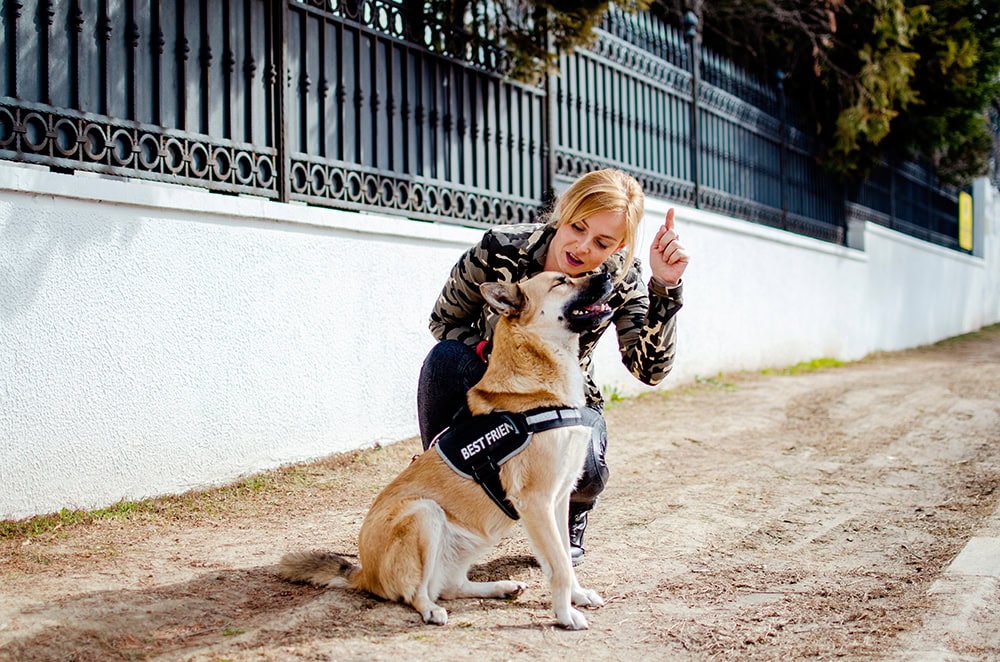
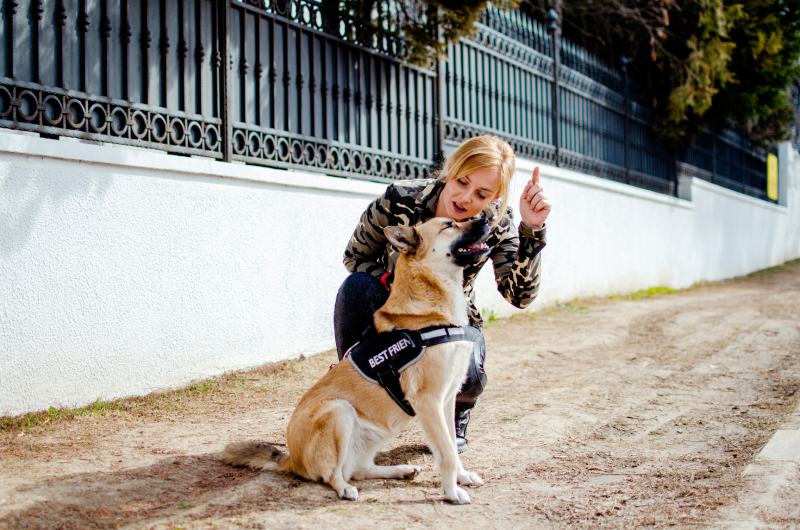
Individuals with depression, anxiety, PTSD, and autism, just to name a few, can gain invaluable support from psychiatric service dogs (PSDs).
But what goes into the training of one of these dogs? Here, we discuss how PSDs are trained and the dog breeds that make some of the best PSDs.

Service Dog Requirements
Before training your dog to be a PSD, you should be aware of the requirements:
- Eligibility: An individual is eligible for a service dog if they have a mental health condition that limits one or more important life activities.
- Training: The dog must be trained to perform specific tasks that will aid the individual with a disability.
- Behavior: A PSD must always be under the handler’s control.
- Verification: In some venues, the handler must answer questions about their dog, including:
- Disability: Is the service dog necessary because of a disability?
- Tasks: What tasks has the dog been trained to perform?
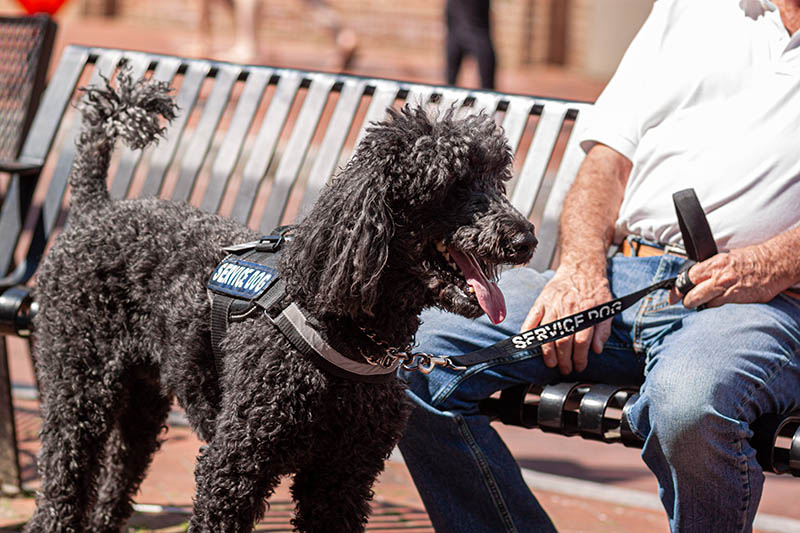
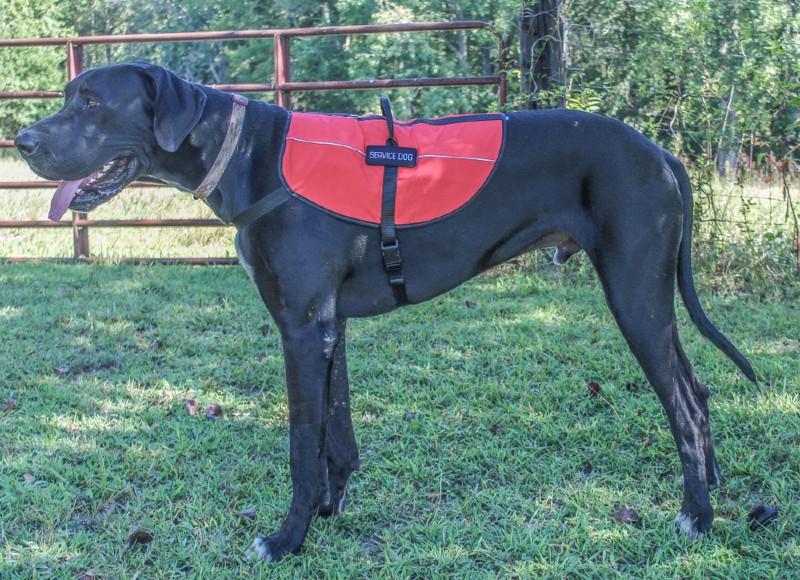
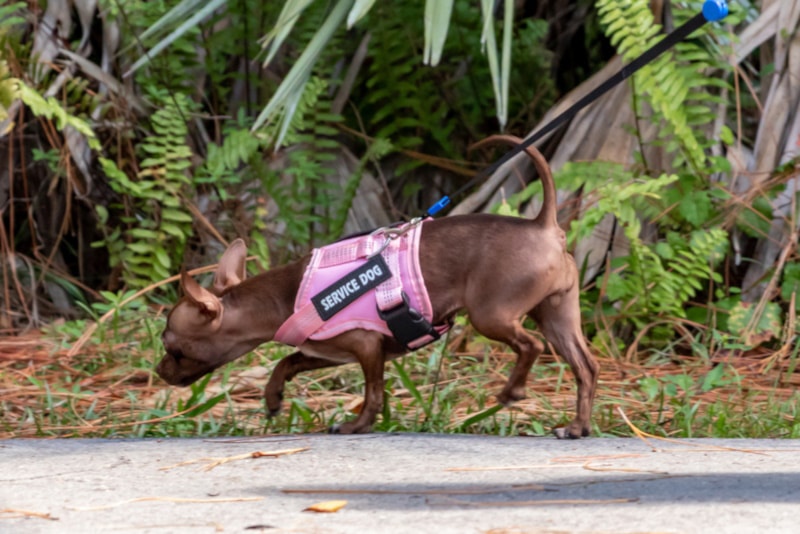
- Identification: This is optional but it can help avoid questions. Provide the service dog with vests and tags, and carry certificates and ID cards with you.
The 8 Tips for How to Train a Psychiatric Service Dog
1. Figure Out What Tasks Are Needed
Before doing anything, you need to have a firm idea of what tasks you’ll want the dog to do. A mental health professional or physician can evaluate the individual’s needs and how a PSD can help.

2. Get the Right Dog
To work as a PSD, the dog must have the right temperament and intelligence to handle the demanding tasks of a service dog. If you haven’t found a dog yet, you should only deal with reputable and established breeders who focus on service dogs.
Look for the following traits when choosing a dog:
- Attentive
- Alert
- Not easily startled
- Social
- Comfortable around people and other dogs
- Enjoys being held
3. Know That Socialization Is Everything
Socialization is essential, particularly for a service dog! This means taking the dog out to meet as many people and other animals as possible, especially during their most sensitive period for socialization, which is between 3 and 14 weeks of age. They must also be used to loud noises and crowds and be taken to multiple new environments, such as dog parks, coffee shops, banks, malls, hardware stores, and pet shops.
Doing this will enable the dog to become more comfortable and confident regardless of the situation. Dogs that are nervous and agitated in new places and around people will not make good service animals.

4. Start Training Basic Skills
Teaching basic obedience skills to the dog is essential to ensure their safety, and it helps build a foundation for more advanced training. These skills should include:
- Come
- Drop
- Heel
- Leave
- Sit
- Stay
5. Practice Public Access Skills
Once the dog has been taught basic obedience skills, you’ll need to take them to various new environments to practice their public access skills. This is similar to socialization, but you’ll be focusing on training the dog while in stressful and noisy environments.
The goal is to ensure that the dog is well-behaved, which is for their safety, as well as the handler’s and the public’s. Using basic obedience commands in public is an excellent way to test your dog’s patience and attention.

6. Do Individual Response Training
This is when specific training for the various tasks begins. The dog should have full basic training and public access skills, as these are necessary while performing their tasks.
The training should always be accomplished with repetition, patience, and positive reinforcement. Examples of tasks that the dog might need to fulfill are:
- Individuals with PTSD might be overwhelmed in an environment, and the dog will need to recognize that their handler needs to be led out to the nearest exit.
- Someone who needs their medication can have their dog retrieve it for them.
- If an individual with autism starts to have a meltdown, the dog can be trained to nudge or comfort the person to reassure them.
7. Be Aware That the Process Takes Time
The training process will be a lengthy one. While there aren’t any minimum requirements in the U.S., most experts recommend training for 120 hours over a 6-month period.

8. Pass the Public Access Test
The public access test for service dogs specifically tests how well-mannered your dog is in a public setting. The criteria for passing this test are:
- No sniffing behavior
- No aggressive behavior
- No hyperactivity
- No begging for food or affection
- No excessive barking or unruly behavior
- Able to handle new sights and sounds

Certifications & Registration
Identifying your dog as a service dog isn’t required by law, but you still might want to equip your dog with accessories and ID. Having documents and other physical proof can make things easier in areas where dogs aren’t customarily allowed.
Training Log
While training the dog, keeping a training log can help pinpoint any problem areas, and you can review their progress. A record can also prove that the PSD has received the appropriate training.
What Legal Rights Does Your PSD Have?
In the U.S., a PSD has the following legal rights according to the Americans with Disabilities Act (ADA):
- Air Travel: Under the Department of Transportation’s Air Carrier Access Act, a PSD can accompany owners inside the airline’s cabins free of charge.
- Public Access: PSDs can accompany owners into restaurants, stores, etc.
- Educational Facility: Under the Individuals with Disabilities Education Act, PSDs can accompany owners into public schools, universities, colleges, etc.
- Fair Housing: Under the Fair Housing Act, PSDs can live in housing even if there’s a no-pets-allowed rule.

How Can You Get a PSD?
There are three options for obtaining a PSD:
- Train the dog yourself: There are no rules with the ADA or the Department of Transportation that prevent owners from training their own PSD. It could take 6 months or up to a year, though, so it’s a time-consuming and challenging method.
- Work with a professional dog trainer: This tends to be the most common option. Working side by side with a professional can ensure that the dog gets the right training.
- Adopt a dog already trained: This is the fastest option, which can benefit someone needing a fully trained dog sooner rather than later. But they are also the most expensive option, with a service dog costing a few thousand dollars upward to $50,000.

What Dog Breeds Make the Best PSDs?
Almost any breed can be a PSD, provided that they have the right temperament and intelligence. The dog's size can be a factor, though; giant breeds might be more difficult to maneuver in public, and tiny breeds might struggle with certain tasks, depending on the handler’s needs.
Common breeds trained to be PSDs include:
- Border Collie
- Boxer
- Cavalier King Charles Spaniel
- Doberman Pinscher
- German Shepherd
- Havanese
- Labrador Retriever
- Lhasa Apso
- Miniature Schnauzer
- Poodle
What if Training Your Dog Isn’t Possible?
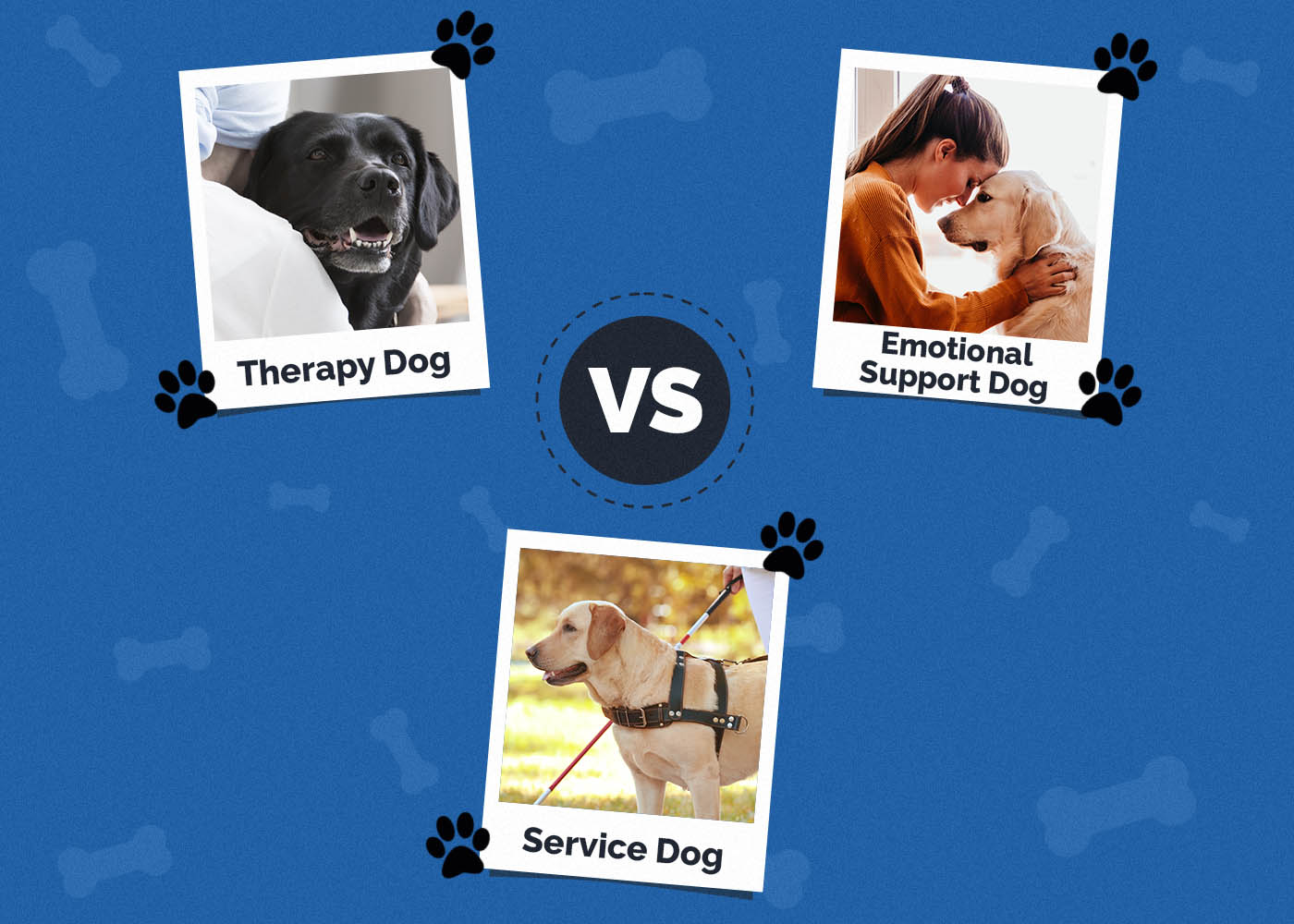
If a PSD is not possible for you at this time, you can consider getting an emotional support animal (ESA), which doesn’t need any specific training. However, they don’t have the same access privileges.
An ESA is protected under Federal Housing Regulations, though. This means you can't be charged any fees, deposits, or pet rent, and they can't be prevented from living with you. You still need a letter from a mental health professional that supports your need for an ESA. Additionally, ESAs do not have to be dogs but can also be cats, birds, rabbits, or almost any animal.
Final Thoughts
The longer that a dog is with a handler, particularly through PSD training sessions, the better they get and the stronger the bond between them.
Training your own PSD will take a long time and a great deal of patience, but with the right dog, it is quite doable and worth the whole process.
Featured Image Credit: Pearl PhotoPix, Shutterstock
Get Hepper In Your Inbox


Pet care tips from our vets and experts, straight to your inbox.
You may opt-out at any time. View our Privacy Policy for more information.
Kathryn was a librarian in a previous lifetime and is currently a writer about all things animals. When she was a child, she hoped to work in zoos or with wildlife in some way, thanks to her strong love for animals. Unfortunately, she's not strong in the sciences, so she fills her days with researching and writing about all kinds of animals and spends time playing with her adorable but terribly mischievous tabby cat, Bella. Kathryn is hoping to add to her family in the near future – maybe another cat and a dog.
Join the conversation
Ask a question, share your story, or send private feedback.