Hepper is reader-supported. When you buy via links on our site, we may earn an affiliate commission at no cost to you. Learn more.
Is Buttercup (Ranunculus) Poisonous to Cats? Keeping Your Cat Safe


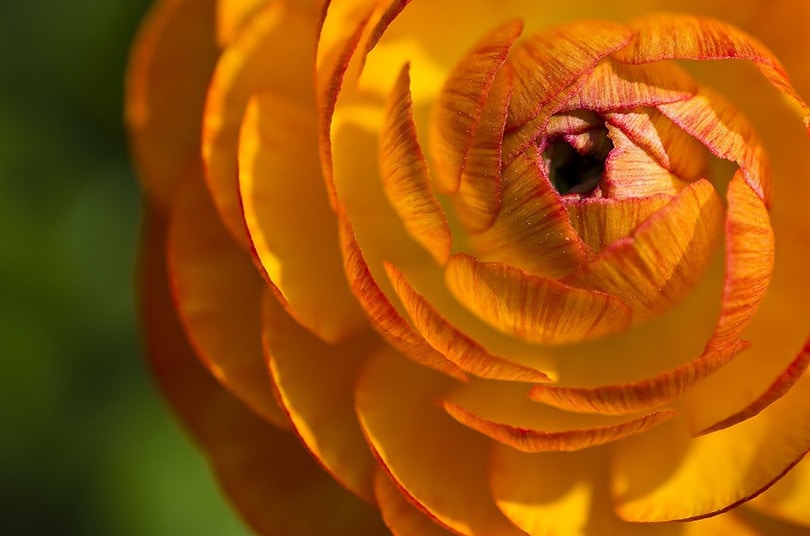
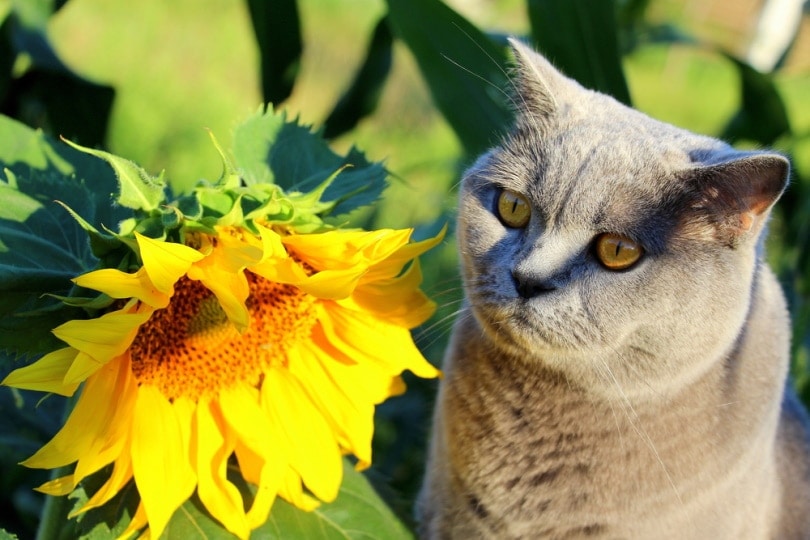
Spring is a wonderful time of year. The temperature starts to rise, and color begins to sprout all around. As much as we look forward to the change of season, we also need to be mindful and proactive in keeping our cats safe from the dangers that accompany it. As new flowers blossom in your yard, it's important to identify them since some are toxic to your cat and other pets.
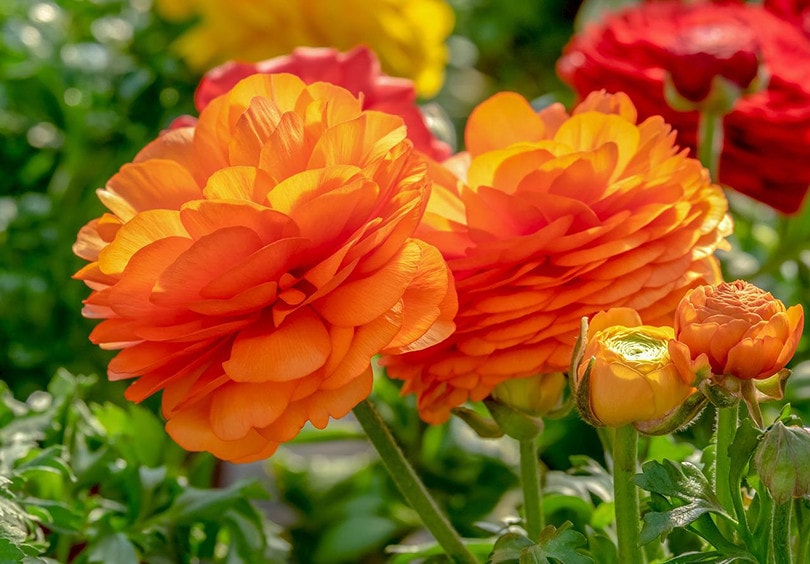
Although dainty and beautiful, Buttercups can cause a lot of damage to your cat's little body if they decide to munch on them for self-treatment or digestive purposes. Unfortunately, even this flower's pollen can cause harmful effects on your cat. Keep reading to find out more.

Why Do Cats Eat Plants?
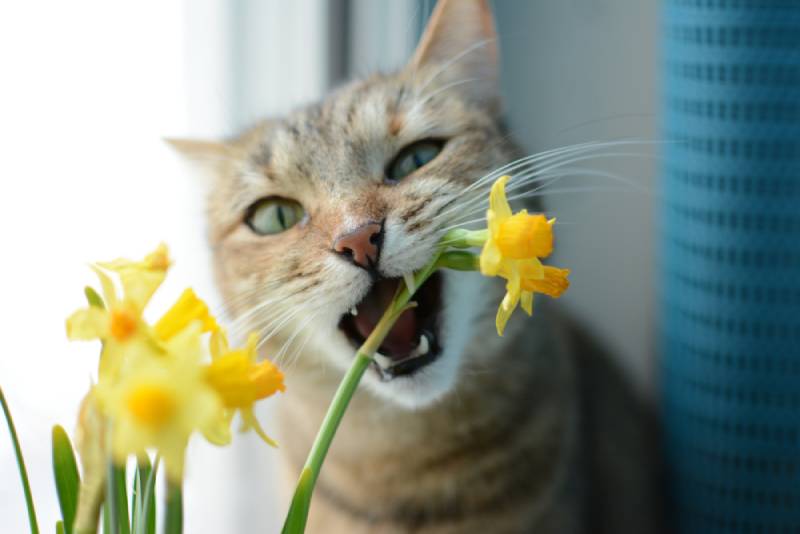
Carnivorous cats need a high-protein diet, primarily animal protein, so why do they sometimes eat plants, and are they at risk of poisoning? First, the age of a cat can have a role to play. Kittens with high energy levels often find just about anything to play with. If they see a flower blowing in the wind, they will try to catch it as they would with their feather wands during playtime with their owners.
Once caught, it's common for them to bite, chew, and shallow the plant. Boredom or curiosity in cats can lead to the same outcome. Another reason why cats eat plants is that it's instinctual and, therefore, common to see in cats of all ages.
Eating grass or plants around the yard can help with digestive problems and loosen undigested food. Greenery can also be used for medicinal purposes when a cat has an infection. For the most part, benefit from the fiber and nutrients from the plants and grass. However, if their choice is limited to an environment that contains a variety of toxic plants, they may eat whatever is around, which can have dire consequences.
Are All Plants Toxic to Cats?
Not all plants are toxic to cats, but what may not be toxic to your cat may be toxic to another pet and vice versa, so always research the plants around your house before allowing your pets to play around them.
Some plants may not be toxic enough to kill your cat if ingested, but they can still cause a reaction. They can cause allergic reactions in your cat, such as excessive licking and scratching due to itchy skin, while others may be toxic enough to cause organ failure.
The amount of plants your cat eats can affect the severity of their signs. Often, they'll have had to have eaten a large portion for it to be life-threatening. Unfortunately, some plants are so toxic that even a bite can send them to the emergency room.
Some toxic plants may not be poisonous throughout their structure. Sometimes, it may just be the bulbs that contain high levels of poison, while other times, all parts of the plant can be dangerous. If your cat eats a poisonous plant, check which part of the plant they chewed on and inform your vet; it will help them determine which treatment to use.
Other Poisonous Plants to Watch Out For
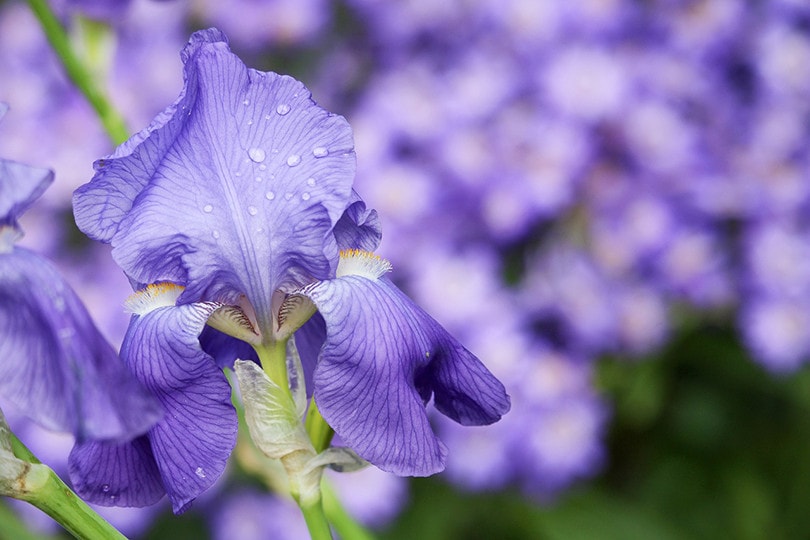
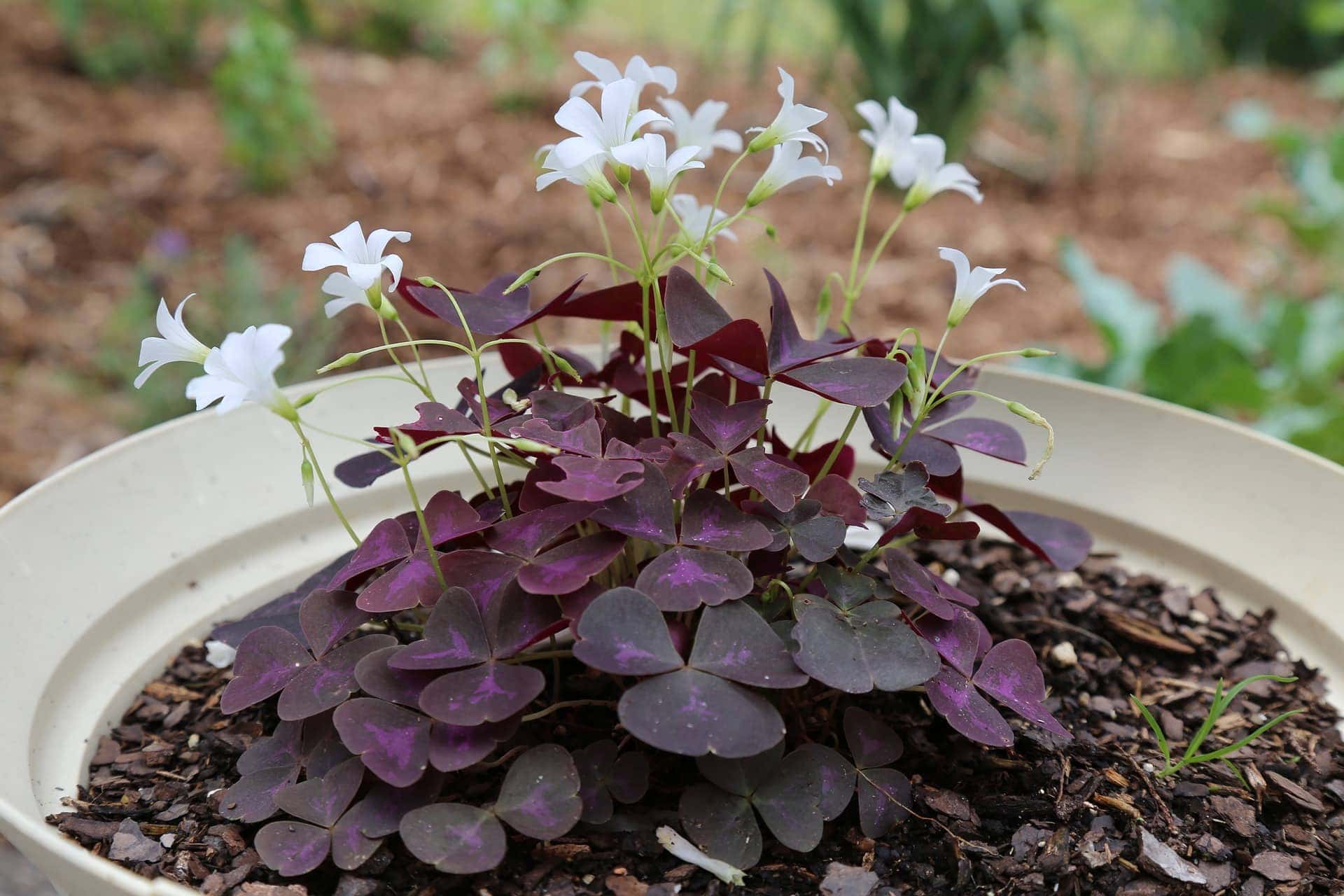
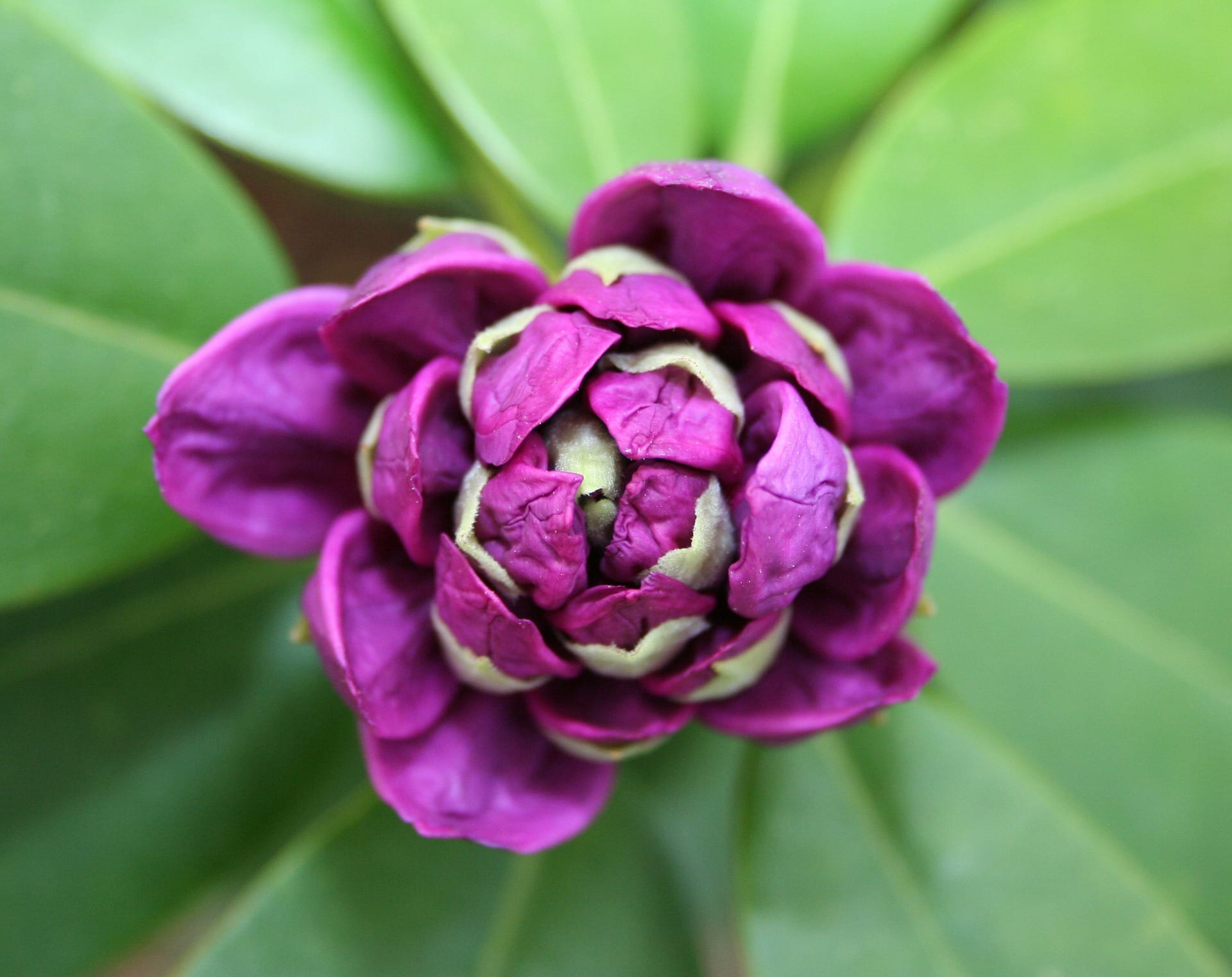
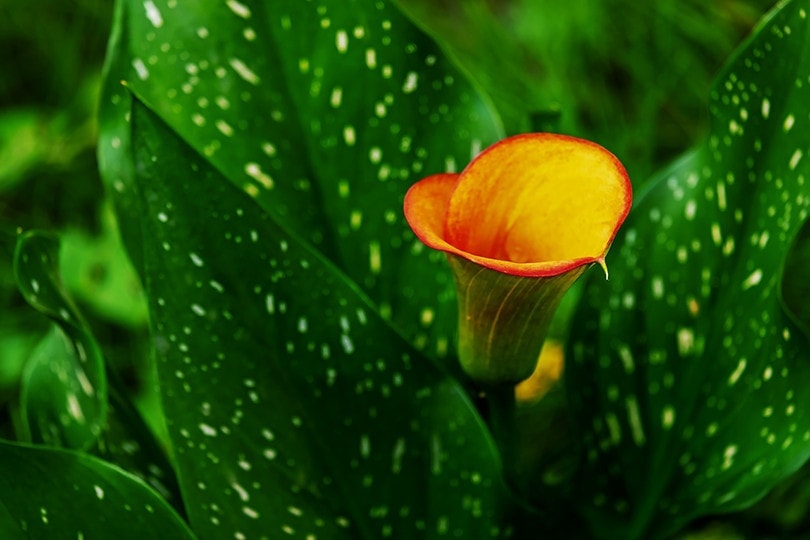
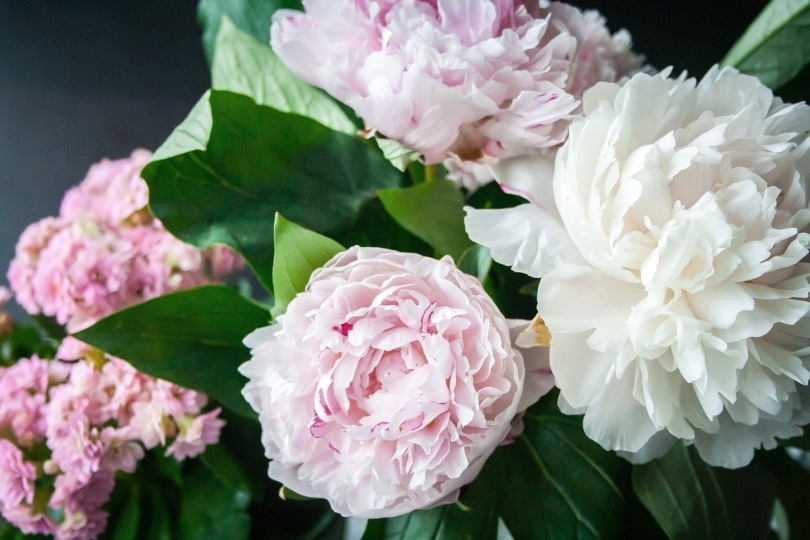
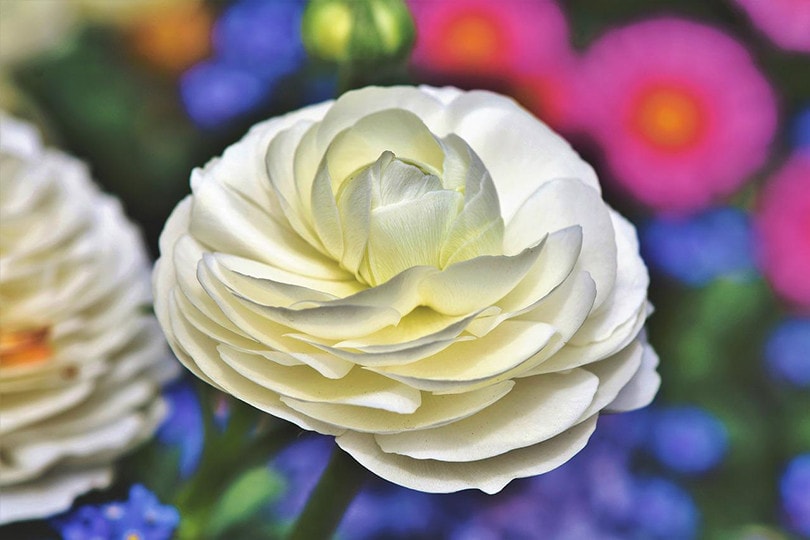
Although there are hundreds of plants that are toxic to cats, we’ve listed a few common ones below:
What Happens if My Cat Eats a Buttercup?
Thankfully, Buttercups have a bitter taste that deters cats from eating them. However, they produce pollen that can rub on your cat's coat. If your cat licks pollen off the flower or their coat while grooming, it can be an irritant.
Buttercups contain protoanemonin that is released when the plant is chewed. This substance is toxic to cats and affects their gastrointestinal tract. The highest density of the toxic is in the flower; however, the whole plant is dangerous to cats.
When chewed and ingested, a cat's mouth will swell and become red, and blisters can form. If the bitter taste didn't deter the cat from the plant initially, the discomfort usually does and stops them from ingesting more of the plant. Blisters and swelling can also form on your cat's face in all the areas that made contact with the chewed plant.
Other signs that can arise are excessive drooling, vomiting, diarrhea, depression, no longer eating, wobbly gait, weakness, tremors, bloodied urine, and seizures. The severity of the signs depends on how much of the Buttercup plant your cat ingested.
Symptoms are likely to occur within three hours of chewing or ingesting the Buttercup plant. If you've noticed a chewed-up Buttercup in your garden, check your cat for blisters or swelling in their mouth or face. Also, determine which part of the Buttercup was eaten.
Determining how much of the plant and which parts were eaten will help your vet treat your cat. However, whether you've caught your cat in the act of eating a Buttercup or noticed the signs, take them to the vet immediately. If you cannot get to your vet quickly, phone a pet poison hotline for advice on what to do to help your cat.
Cat Safety Around Buttercups
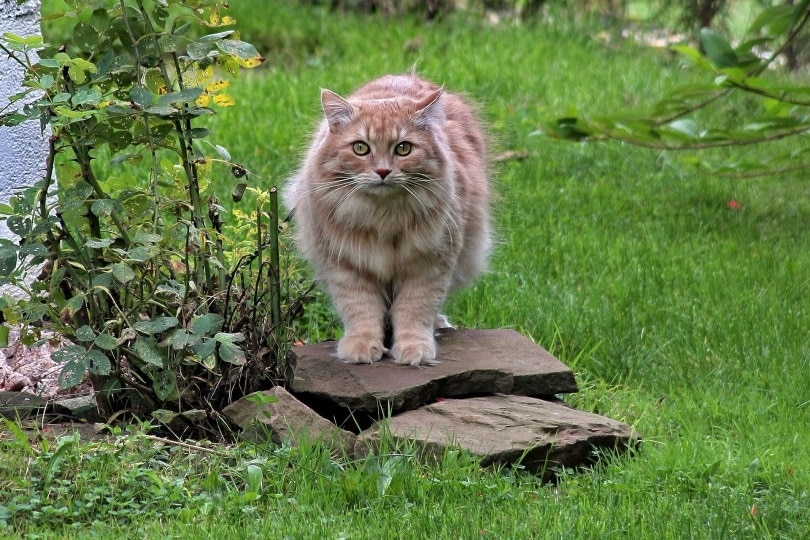
Your cat may be energized and eager to explore their colorful yard. However, sectioning your yard so your cat cannot play around your Buttercup flowers is necessary.
You could also spray strong-smelling substances around your Buttercups to deter your cat from playing around them. Cats hate the smell and taste of citrus, making it an excellent option to mix with water and spray on your plants without causing harm to them or your cat.
Another option is removing the Buttercups from your home and re-planting them in a pet-less friend's yard with their permission. A risk-free yard is safe for your cat to explore, play, and run in.
Conclusion
Buttercups are poisonous to cats. When they're chewed, the toxins are released and can cause swelling and blisters, along with more severe signs. Not all plants and flowers are toxic to cats, but it's your responsibility as a cat owner to distinguish which plants are and which aren't to protect your cat from accidental poisoning.
Related Reads:
Sources
https://www.petmd.com/cat/emergency/poisoning-toxicity/e_ct_outdoor_plant_poisoning
https://be.chewy.com/which-plants-are-poisonous-to-cats-a-complete-guide/
https://www.aspca.org/pet-care/animal-poison-control/toxic-and-non-toxic-plants/buttercup
https://www.manorvets.co.uk/en-gb/about-us/blog/june-2020/toxic-buttercups
Featured Image Credit: DanielWanke, Pixabay
Get Hepper In Your Inbox


Pet care tips from our vets and experts, straight to your inbox.
You may opt-out at any time. View our Privacy Policy for more information.
Keri-Beth is from South Africa and is a freelance writer who specializes in the pet niche. She has grown up with a range of pets, volunteered at countless pet shelters, and is highly passionate about pet care. Currently, Keri-Beth is raising two dogs - Benji, the Golden Cocker Spaniel, and Gracie, the Boerboel. With so much information out there, Keri-Beth has made it her mission to make pet care as easy and straightforward as possible.
In her spare time, Keri-Beth enjoys camping, photography, and spending time with her husband, who is a professional drummer. She not only has a heart for pets but people too.
Join the conversation
Ask a question, share your story, or send private feedback.