Hepper is reader-supported. When you buy via links on our site, we may earn an affiliate commission at no cost to you. Learn more.
Lapponian Herder | Dog Breed Info: Pictures, Traits & Facts
In this article
Breed Overview
Height:
Weight:
Lifespan:
Colors:
Suitable for:
Temperament:
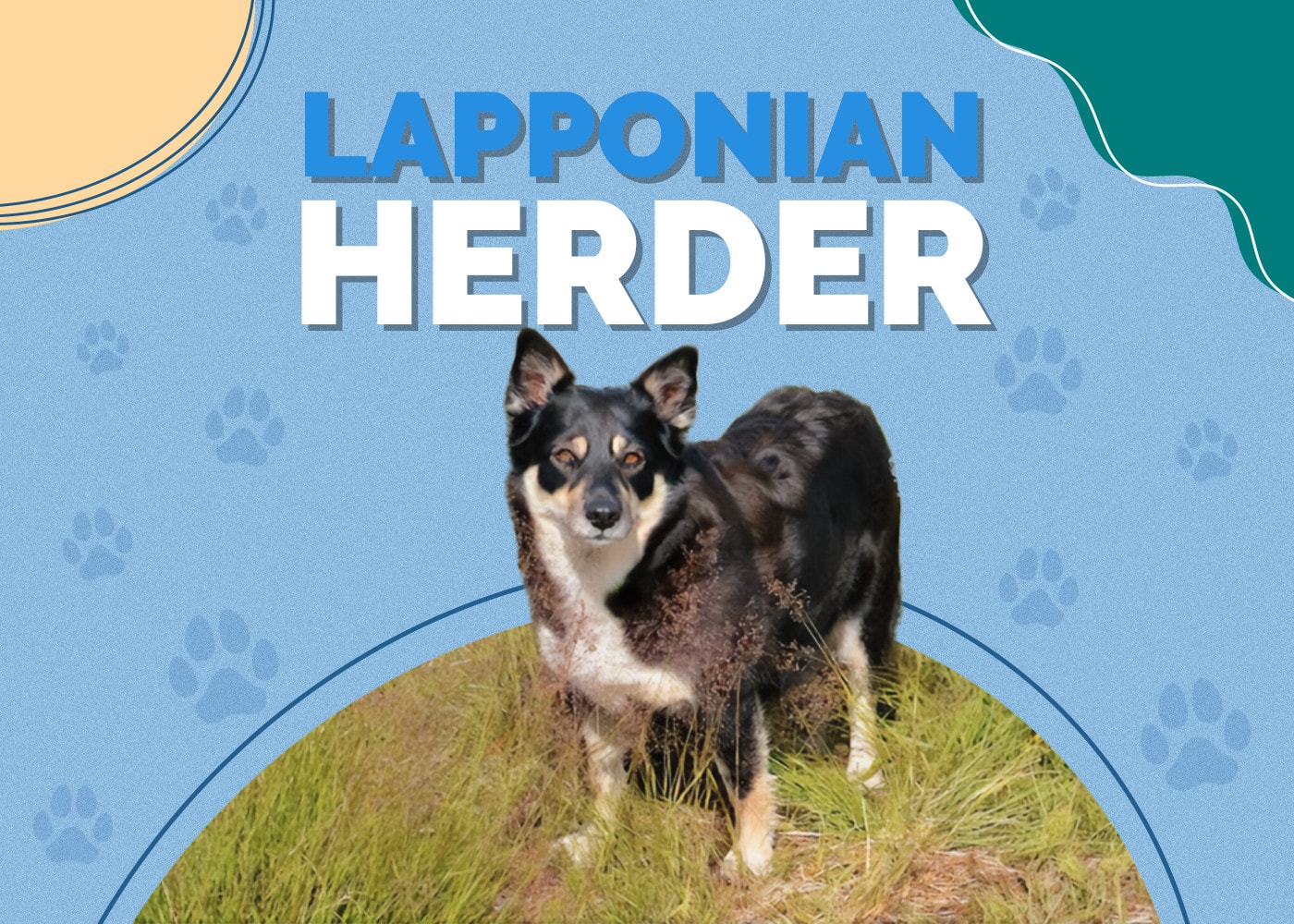
The Lapponian Herder is a purebred herding dog that originated in Finland and is part of the Foundation Stock Service at the American Kennel Club. They are independent and smart dogs that are devoted to their family and are an energetic yet calm breed.
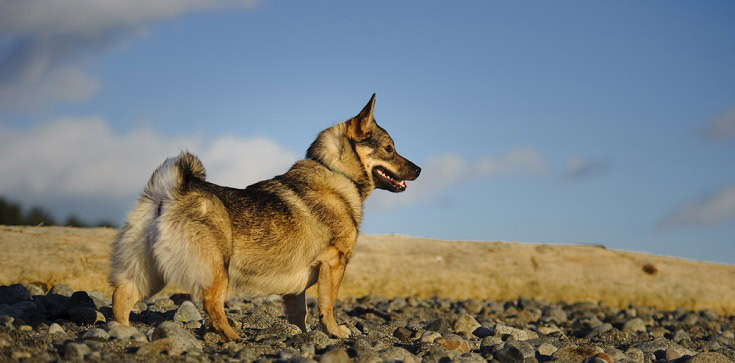
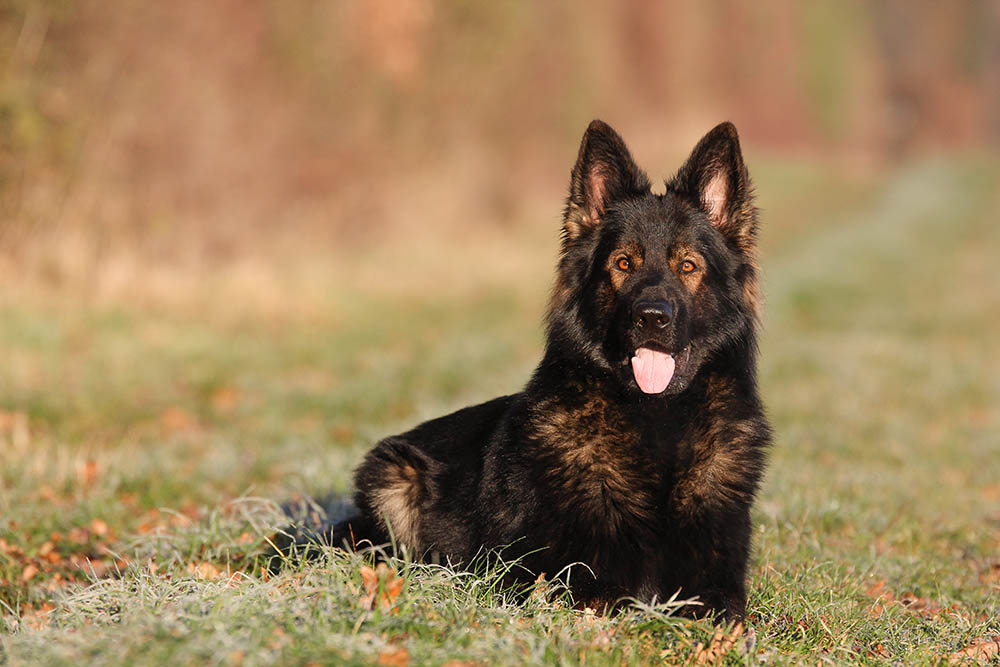
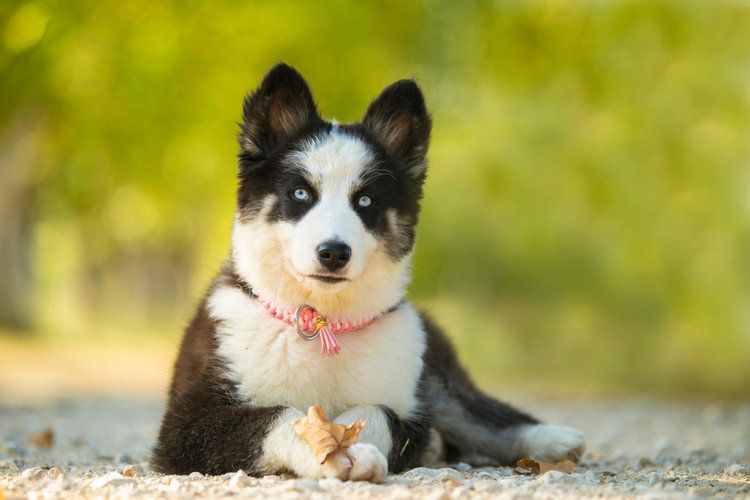
The Lapponian Herder is medium-sized and is a strong, muscular dog with a round head and long, tapered muzzle. Their ears are triangular and held erect, and the tail has a slight curl. The Lapponian has a double coat that is medium in length and is comprised of dense, coarse fur that is thicker on their thighs, chest, and neck. They tend to be black, gray, or liver-colored overall with lighter tan and white markings on the underside, chest, lower legs, and muzzle and in different places on the head (typically their “eyebrows”).

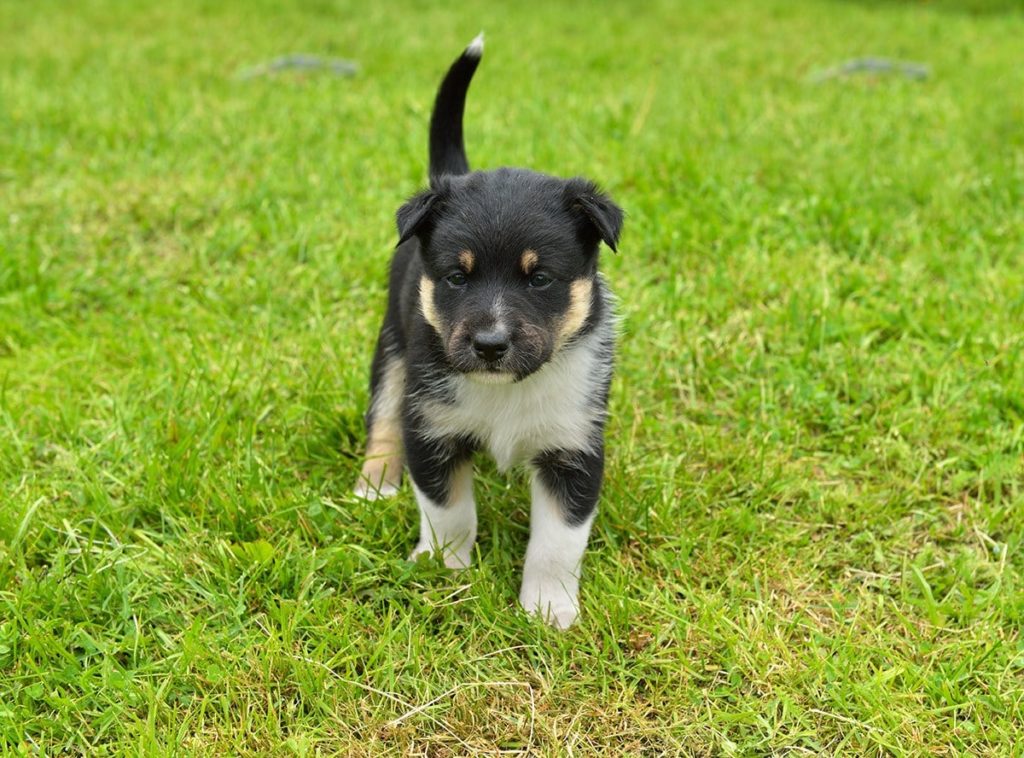
Lapponian Herder Puppies
Lapponian Herder Characteristics
The Lapponian Herder is a calm dog in the home and very energetic outside. It is eager to please and intelligent and, therefore, easy to train and is a healthy breed with a long lifespan. They are very friendly with their family but aloof with strangers.
Temperament & Intelligence of the Lapponian Herder 🧠
They are very friendly dogs with their family and are docile at home and very active when exercising or working outside. They do not seem to experience separation anxiety and, therefore, can be left alone for periods of time, but keep in mind that if they get bored, they will exhibit destructive behavior.
The Lapponian Herder is an exceptionally intelligent dog and is loyal and eager to please. They might be wary of strangers, but once they understand the stranger poses no threat, they will warm up.
Are Lapponian Herders Good for Families? 🏡
The Lapponian Herder makes a fantastic family pet as they love children and tend to be very patient and friendly. However, they are herding dogs, so they might attempt to herd smaller children by barking and nipping at their heels. As with any dog, there should be supervision with young children, and all children should be taught to respect dogs.
Do Lapponian Herders Get Along with Other Pets? 🐶 😽
The Lapponian Herder gets along very well with the other pets within the household. However, they might attempt to dominate other dogs, so socialization will play a key role while they are puppies.

Things to Know When Owning a Lapponian Herder:
Food & Diet Requirements
How often and how much your Lapponian Herder will eat will depend on your dog's size, age, and activity level. You should buy high-quality dry dog food (like this one), and the guidelines on the back of the food bag will help you figure out how much your dog should eat. Just be careful with the number of treats you give your dog and ensure that any human food you feed your dog is safe for it to eat. You can also consult your vet if you're concerned with your dog's health and weight.
Exercise 🐕
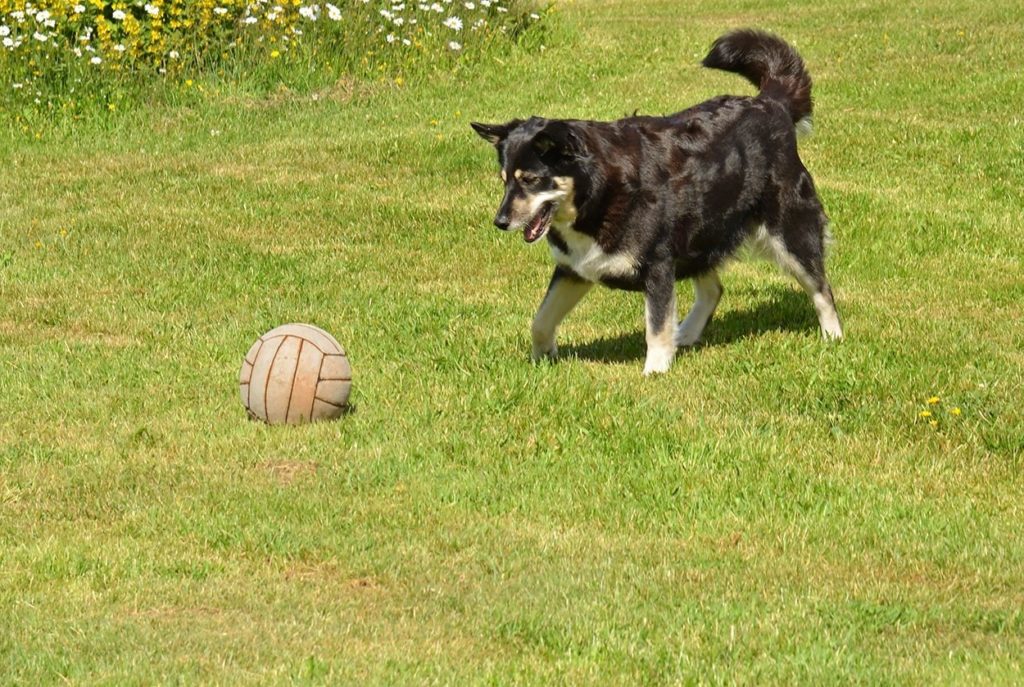
In addition to several daily walks, the Lapponian Herder will need lots of running and playtime, or they will become bored and destructive. These are working dogs that need to keep busy. Involving them in dog sports such as agility trials, herding events, search and rescue, or flyball will keep them happy, healthy, and calm.
Training 🦮
The Lapponian Herder is an obedient and highly intelligent dog that is eager to please and is, therefore, quite easy to train. They will enjoy performing tasks for you and are happy while working. Early socialization is very important for this breed as their wariness of strangers, and their tendency to dominate other dogs will be minimized.
Grooming ✂️
The Lapponian Herder has a double coat that is medium in length but only needs a weekly brushing since it is straight and doesn't tend to mat. However, they do shed a fair bit in the fall and the spring, so more regular brushing (probably every day) at these times will help reduce the amount of fur flying around. You should only give your Lapponian Herder a bath when absolutely necessary with a good dog shampoo (usually no more than once a month).
You should clean your dog’s ears at least once a month, and trim their nails every 3 to 4 weeks. Their teeth should be brushed regularly (about 2 or 3 times a week).
Health and Conditions ❤️
The Lapponian Herder is considered a primitive breed and therefore does not have the same amount of health conditions seen in purebreds. However, there is always the possibility for some typical health conditions such as:
Your vet will check your dog's hips and use x-rays if your dog shows gastric torsion symptoms. In addition to a complete physical exam, your vet will also run urinalysis and blood tests. Your vet will check your dog’s eyes, ears, and skin for any potential problems or when you see any symptoms.
Male vs. Female
One major difference between male and female Lapponian Herders is in size. Males are 19 to 21 inches and weigh 60 to 70 pounds, and females are 17 to 19 inches and weigh 55 to 65 pounds. The male usually averages 20 inches and the female 18 inches in height.
If you decide to have surgery for your Lapponian Herder, spaying your female dog will be more expensive and have a longer recovery time than neutering the male. Neutering or spaying your dog will potentially give them a longer life as it helps to prevent future health problems. It can also help dogs become less aggressive and less likely to roam.
The final difference between males and females is in behavior. It has been said that male dogs (particularly unneutered males) are more aggressive and territorial than females and that females are generally easier to train, but there are debates on this subject. However, the biggest impact on a dog's temperament and behavior is in how the dog has been raised and trained throughout its entire life.

3 Little-Known Facts About the Lapponian Herder
1. The Lapponian Herder is also called a “reindeer herder.”
They helped the Sami people (Indigenous people of the northern parts of Finland, Sweden, Norway, and Russia) to herd reindeer.
2. The Lapponian Herder barks to communicate while herding.
They can be quiet dogs but will bark alerts and while working and can be very vocal at these times.
3. The Lapponian Herder prefers to observe strangers instead of interacting with them.
They are wary and reserved with new people and would prefer to observe them over interacting with them. The Lapponian Herder should never be forced to meet a stranger if it doesn’t appear comfortable with the situation.
Final Thoughts: Lapponian Herder
The Lapponian Herder is a beautiful herding dog that is calm, loyal, and loving and will be the perfect dog for a very active family.
Finding one of these dogs in North America will prove a challenge, and having a puppy shipped to you from overseas is a very distinct possibility. You may search online for a Lapponian Herder breeder, and as long as you follow the tips mentioned earlier, you can speak to a breeder about purchasing one of their puppies. You can keep an eye for one of these dogs on rescue groups, but given the rarity of these dogs, you'll be in for a long wait. Attend dog shows, speak to local and national dog clubs, and post your interest in the Lapponian Herder on social media.
Perseverance in looking for one of these puppies will bring home an energetic working dog that will make a fantastic companion for the right family.
Featured Image Credit: Popova Valeriya, Shutterstock
Get Hepper In Your Inbox


Pet care tips from our vets and experts, straight to your inbox.
You may opt-out at any time. View our Privacy Policy for more information.

Nicole is a lover of animals of all sizes but is especially fascinated with the feline variety. She’s the proud mom of Baby, a Burmese, and works every day so he can relax in the sunshine or by the fire. She’s always had a cat in her home and has spent countless days with others, observing behaviors and softening up even the grouchiest of the lot. Nicole wants to share her kitty expertise with you so you and your cat can live happy, healthy, and care-free.
Join the conversation
Ask a question, share your story, or send private feedback.