Hepper is reader-supported. When you buy via links on our site, we may earn an affiliate commission at no cost to you. Learn more.
Lost Cat Behavior: How Do Cats Behave When They Go Missing



Sometimes, it can be difficult to differentiate between lost or displaced cats and feral cats. Fortunately, some clues can help you determine if a cat’s lost.
Keep in mind that these signs do depend on the cat’s natural temperament and may not apply to all lost cats. However, it’s still useful to be aware of potential signs that a cat can display. So, if you see a new cat in your neighborhood, try looking for some of these behaviors. They’ll help you decide what to do next.

Lost Cat Behavior
Cats that are lost will display a range of behaviors. For the most part, cats that aren’t afraid of humans are indoor cats. Here are some other specific behaviors and signs that may indicate that you’ve found a lost cat.
1. The Cat is Quiet
It’s very rare for lost cats to be vocal. They’d prefer to stay hidden and unnoticeable from any potential threats. On the other hand, feral cats and outdoor cats won’t be as afraid of meowing at you. Cats that aren’t spayed or neutered may be especially vocal during their mating season as they try to attract a mate.

2. The Cat Seeks Hiding Places
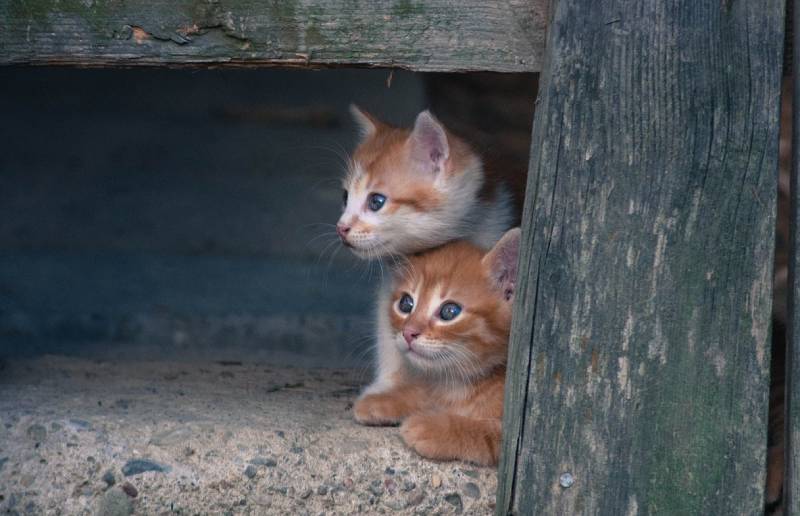
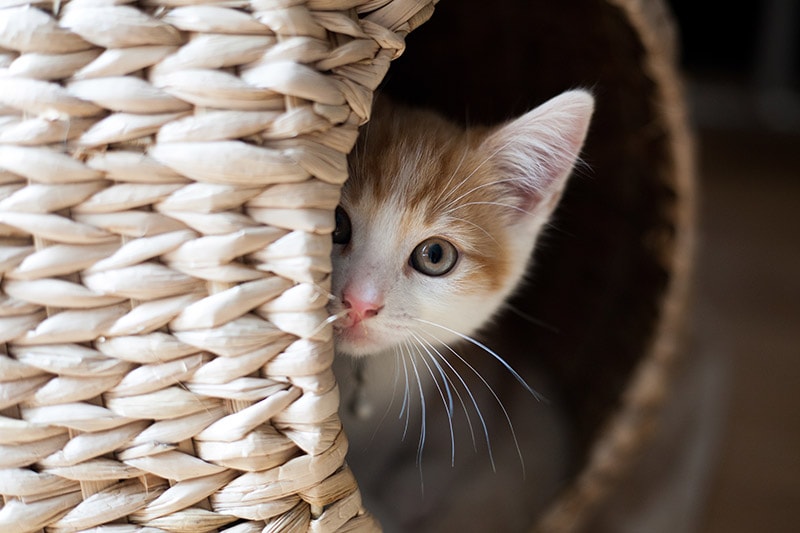
Lost cats can feel anxious and nervous and may choose to stay in hiding. Many indoor cats will choose to stay in hiding because the outdoor world is much vaster than the boundaries of their home.
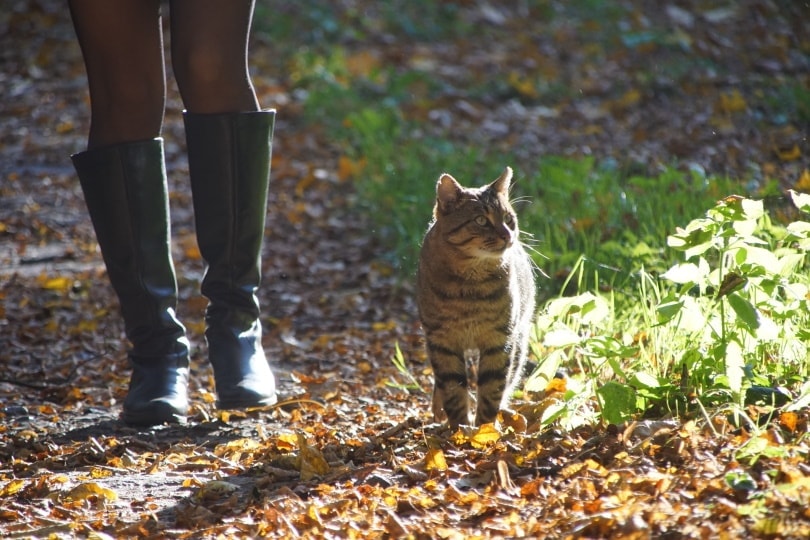
Outdoor cats and feral cats may hide from people, but they won’t be as fearful. These cats may even stare people down and only run away if the person closes the distance between them.
3. The Cat Won’t Roam Around
Cats are territorial and usually stick to roaming within the boundaries of their territory. If they’re in an unfamiliar area, they usually don’t feel confident and won’t leave their spot. Therefore, if you find a new cat in an area that tends to restrict itself to a confined area, it could be a possible sign that it’s lost.

4. The Cat Isn’t Afraid of People
Indoor cats may have developed a trusting relationship with people. Therefore, if a cat is bold enough to approach you, there’s a good chance that it’s a lost indoor cat.
You can test and see if a cat isn’t afraid of people by trying to lure it with treats or food. Examine its behavior to see if it’s acting particularly shy. It may be hesitant at first, but if it doesn’t mind your calm and quiet demeanor, it may choose to come out and eat the food you’ve laid out.
5. The Cat Displays Fearful Body Language
It’s always a good idea to check the cat’s body language for clues. Cats can display certain signs that they’re scared.
Cats that feel afraid may try to make themselves appear smaller and pull their ears back. If they’re agitated or feeling threatened, they may have dilated pupils. They can also arch their backs, and you may see their hair standing straight up. Some may even hiss at you if you try to walk close to them.

What To Do if You Find a Lost Cat
If you believe you’ve found a lost cat, you can try several things to determine if it has a home and help reunite it with its family.
First, approach the cat slowly and carefully. Since lost cats can be particularly nervous, they may try to run away with sudden movements. Use a gentle and quiet voice to try to lure it towards you. Treats and food can help coax them towards you.
Next, try to lure the cat inside a carrier. Place plenty of food and treats inside the carrier, along with a cozy blanket. If the cat is hesitant about entering the carrier, you can try laying out a humane cat trap. You can also call your local animal shelter to see if they can help with capturing the cat.

Any aggressive cats should be reported to your animal shelter. Trying to catch an aggressive cat risks your safety. Along with getting bitten or scratched, you can also get diseases transmitted to you, so it’s best to involve professionals.
Once the cat has been secured, take it to a veterinarian for a check-up. You can also go to an animal shelter to determine if the cat’s been microchipped.
If you can’t get a hold of the cat’s owner, file a found report with surrounding animal shelters. You can also leave the cat at an animal shelter. If you choose to keep the cat with you, make sure to leave your contact information with the animal shelters.

Final Thoughts
Cats have distinct temperaments that will cause them to act differently when they’re in a new environment. However, if you notice a new cat in your neighborhood, try and look for some signs or clues that it’s a lost or displaced cat.
If you have a hunch that you’ve found a lost cat, make sure to do your best to capture it and bring it to an animal shelter. From there, you can see if the cat’s been microchipped and take further steps to ensure that the cat reunites with its family.
Featured Image Credit: Youssef Abdelwahab, Shutterstock
Get Hepper In Your Inbox


Pet care tips from our vets and experts, straight to your inbox.
You may opt-out at any time. View our Privacy Policy for more information.
Jessica is a freelance writer who spends most of her day reading and writing while her fluffy Cavapoo, Nora, naps beside her. She loves and appreciates pets and animals because there’s so much to learn from them, and they do so much for people. As a dog mom, she understands the special relationship that pet parents have with their pets. So, she loves sharing helpful information that people can use to better understand their pets. When she’s not writing, you can find her walking dogs, tending to her plant babies, or drinking her nth cup of coffee.
Join the conversation
Ask a question, share your story, or send private feedback.