Hepper is reader-supported. When you buy via links on our site, we may earn an affiliate commission at no cost to you. Learn more.
How to Take Care of a Rabbit: 15 Expert Tips & Tricks

People have consumed rabbit meat since Roman times. Written records exist about raising them for food, even with mentions of keeping them in hutches, as many pet owners do today. Archaeological evidence also suggests early humans hunted them. Even though it’s unclear when we domesticated them, we’ve had a long relationship with our long-eared friends.
Rabbits are unique since many raise or hunt them for food. Others are content to bring them into the home as pets. Some people take rabbit care to the next level by selective breeding and showing them. Basic principles apply no matter what the situation.

The 15 Tips & Tricks on How to Care For Your Rabbit
1. Choose the Right Breed
You have many choices when it comes to getting a pet bunny. They vary in size from petite Netherland Dwarf Rabbits to the massive Flemish Giant. Therefore, it’s essential to research before you buy. Housing and care differ wildly based on what you get. We recommend buying only from reputable sellers who can assure you of the breed. Too many animals end up in shelters because of an unsuitable choice.
2. Baby Bunnies Are Born Helpless
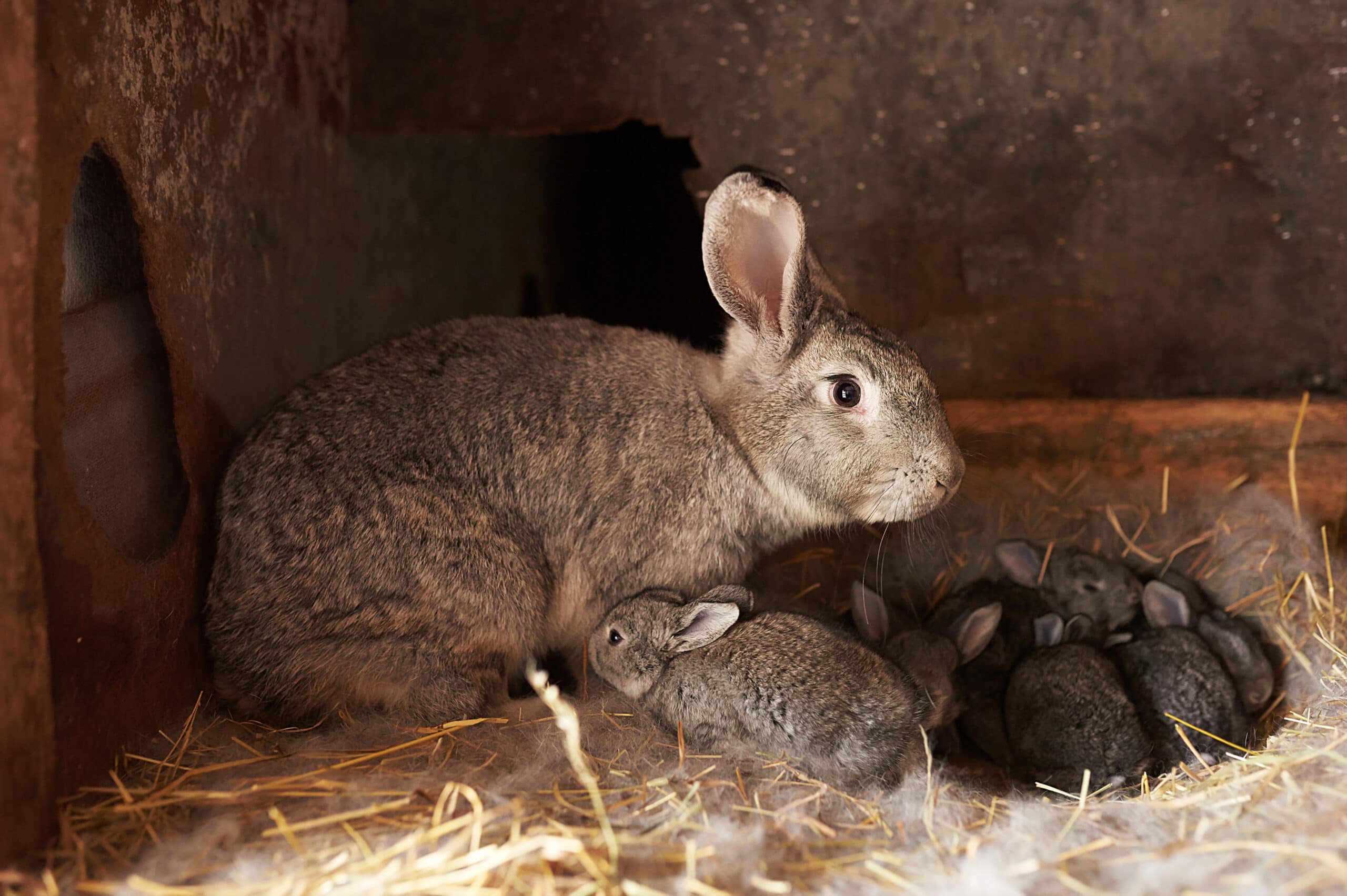
Baby bunnies are born altricial, essentially helpless. That’s an important factor to keep in mind if you want to raise rabbits. You’ll have to support the female by ensuring the little ones stay warm and the cage is clean. The other thing to keep at the forefront is that it doesn’t always happen the first time. Being receptive isn’t guaranteed with females. Good health is also imperative.
3. Understand Their Diet
Some people think rabbits are another kind of rodent. The confusion is understandable since the teeth of both animal groups grow their entire lives. However, several differences exist between the two, including diet. Rodents are often opportunistic feeders. Just ask anyone who has dealt with a pest issue—they eat anything they can find. Rabbits consume primarily plant matter.
4. Limit the Amount of Alfalfa You Give Your Rabbit
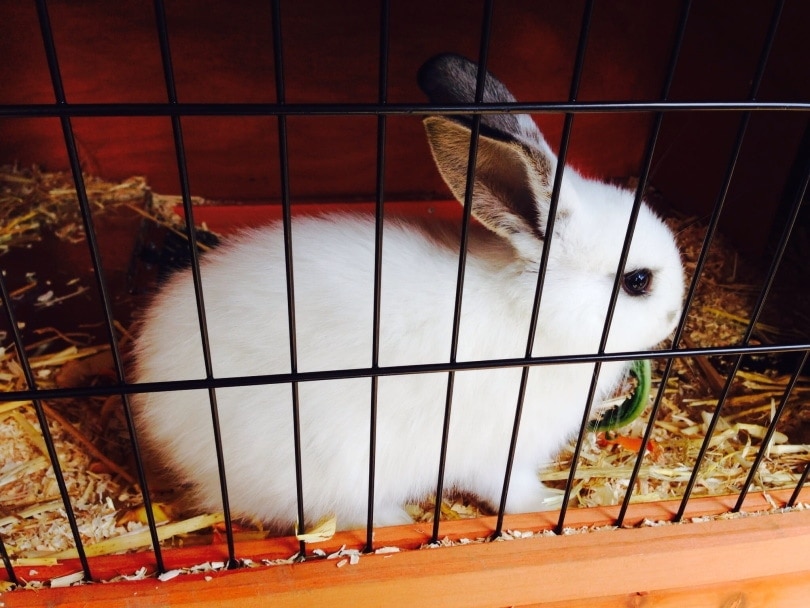
Timothy hay is the best choice for a staple food for your rabbit. It provides the necessary fiber and carbohydrates to meet its nutritional needs. On the other hand, alfalfa contains more calcium than a non-breeding bunny needs. Excess amounts in its diet could cause urinary stones. The same caution applies to some vegetables, including spinach and kale.
5. Chewing Is Instinctive to Bunnies, So Don’t Fight It
Pets sometimes have instinctive behaviors that conflict with human expectations. Cats scratching furniture is one example. A rabbit chewing on your dining room table is another. You won’t be able to change it. A better approach is to bunny-proof the places your rabbit has free rein. That includes electric cords and any potentially toxic materials.
6. Several Human Foods Are Toxic to Rabbits

Several things we can safely eat are toxic to rabbits and other pets. You’re probably familiar with the classic examples, such as chocolate and onions. Other foods you shouldn’t offer your bunny include iceberg lettuce, avocados, and meat. An herbivore, like a rabbit, doesn’t have the metabolic capability to digest animal-based proteins or other problematic ingredients.
7. Interactive Toys Offer Excellent Ways to Provide Mental Stimulation
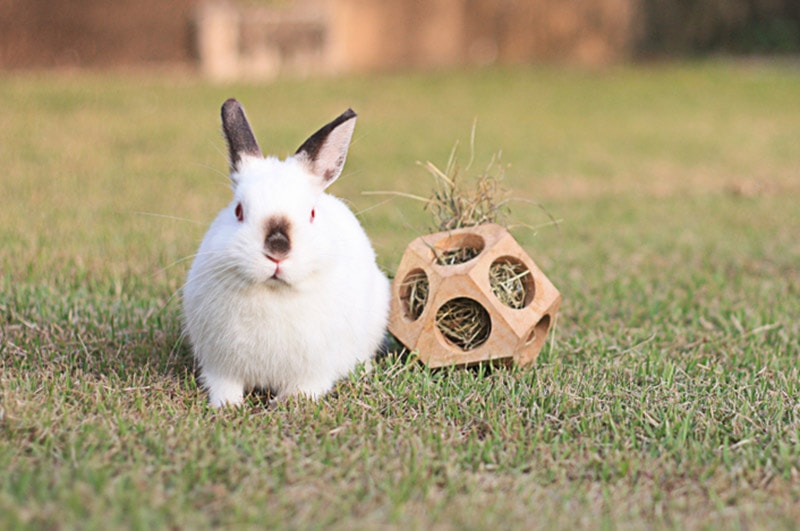
Rabbits are intelligent animals. They have to stay aware of their surroundings if they are to survive in a predator-prey world. Life in a cage and being fed food through a door might seem easy, yet it’s also boring. That’s why bunnies need mental stimulation. One of the best ways to provide it for your pet is through interactive toys. They mentally challenge a bunny. Your rabbit will be a lot happier for it.
8. A Happy Bunny Purrs
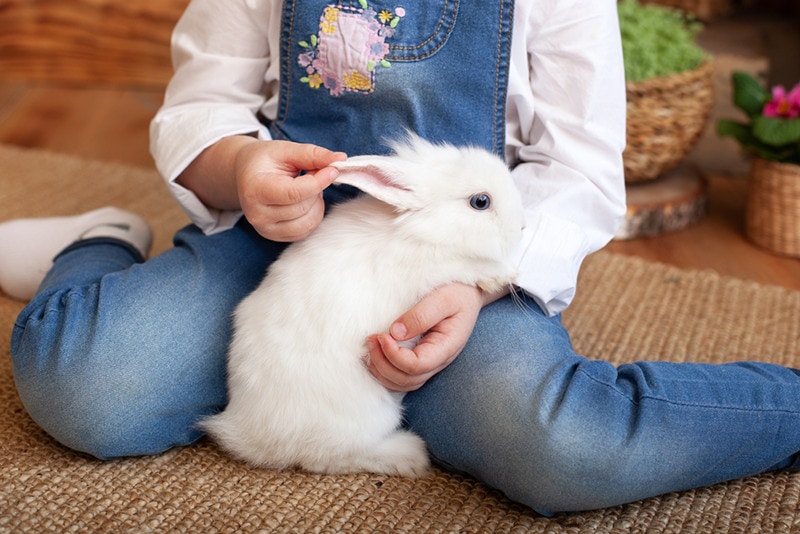
It may surprise you to learn that rabbits vocalize. We think of them as silent creatures, but they have a small but useful repertoire of sounds they make to help them survive. They may growl if they’re upset. They may also squeal to get what they want. However, rabbits can also purr, although it isn’t done the same way as cats. Instead, they rub their teeth together to produce a unique sound.
9. Limit Handling Your Rabbit Until It Gets to Know You
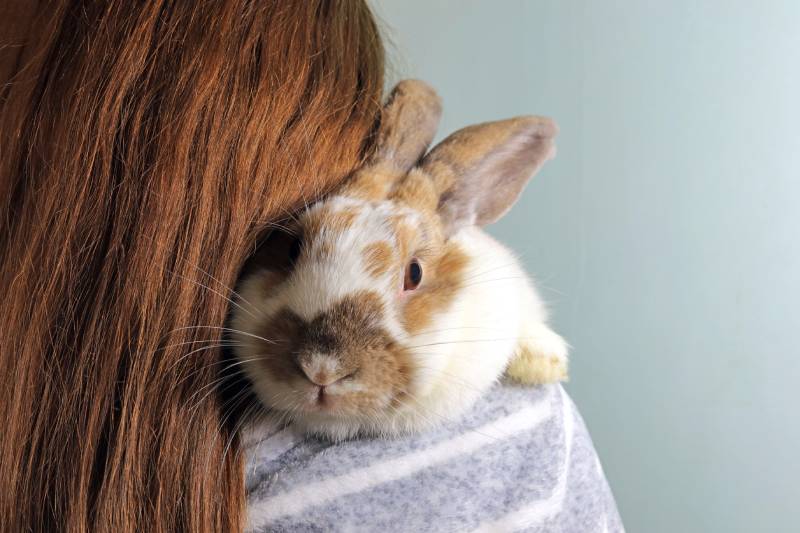
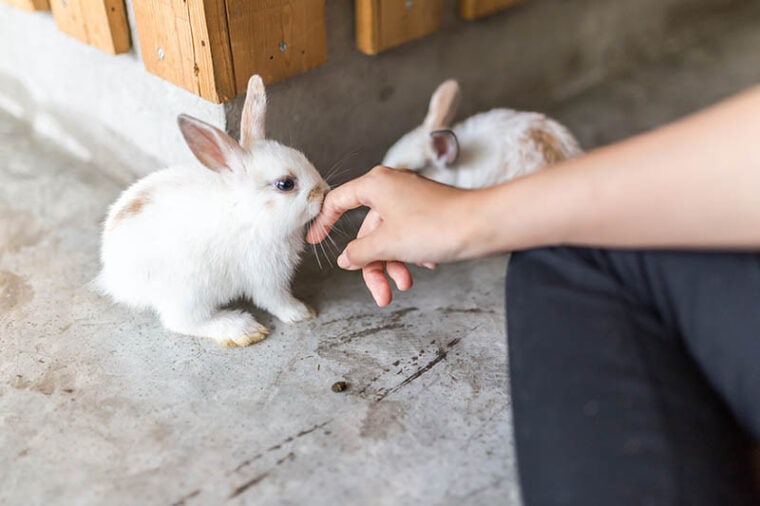
It’s essential to understand the rabbit’s natural history to relate to its behavior. Humans are apex predators, like bears and tigers. On the other hand, lagomorphs are prey. They get chased and eaten by animals bigger than them. Instinct tells them that handling feels like being caught. Their natural reaction is to kick and try to get away from you. It changes once your pet figures out it can trust you.
10. A Rabbit Marks Its Territory Not Unlike a Cat

Many animals use olfactory communication to avoid fighting with competitors. The chemical signal says a territory is occupied. Rabbits mark their territory in the same way that cats do, namely, rubbing their cheeks against their stuff. Bunnies are territorial, so don’t be surprised if it claims you as its own by rubbing against you, not unlike felines.
11. Find a Vet With Experience Treating Rabbits
If you’ve ever had an exotic pet, you know how difficult it can be to find a vet who can treat the animal. It might not be a major issue if you live in a big city or near a college of veterinary medicine. It’s another story if you live in the boonies. We strongly urge you to find a vet who can treat rabbits before you need to see one. It’ll save you a lot of hassle if you know ahead of time who to contact.
12. Understand Basic Rabbit Anatomy
We’ve discussed this fact earlier, but it bears repeating. Rabbits have four incisors, unlike rodents which have two. They also keep growing their entire life. In the wild, it’s a non-issue since an animal could find things to chew and keep them trimmed. As a pet owner, you must provide things for them to use, such as wood chews and toys that will serve the same purpose.
13. Spay or Neuter Your Pets
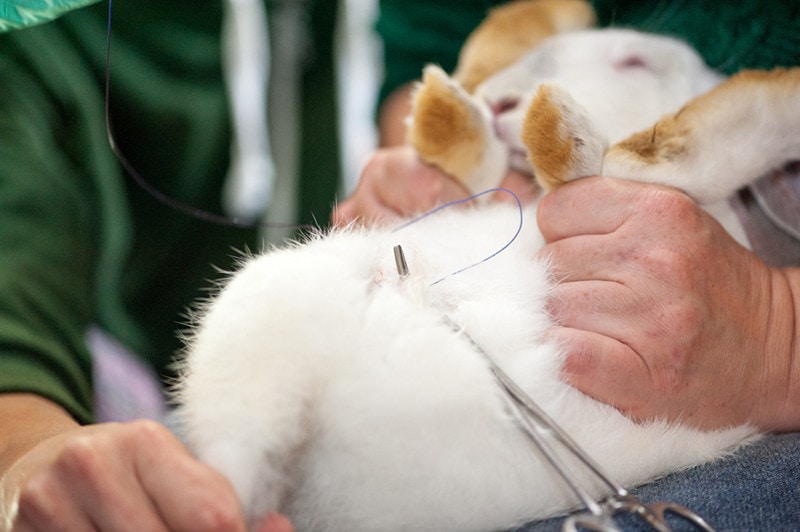
If you’re not going to breed your rabbit, we suggest discussing spaying or neutering with your vet. The surgery eliminates the risk of certain cancers, such as uterine and ovarian disease. It can also tame aggressive behavior that rears its ugly head before mating. An otherwise docile pet might bite and scratch during this time. The procedure eliminates the risk.
14. House Your Rabbit Inside
Of course, sometimes you have no choice but to keep your rabbit outside. You may have a large breed that you can’t bring inside because of its size and its cage. However, you’ll have a better relationship with your pet if you can house it inside your home. That will give you more time to interact with it to improve its mental health. It also provides a more stable environment for its physical well-being.
15. Provide Sanitary Living Conditions

Rabbits are survivors despite being prey species. They are relatively healthy animals as long as you provide the right living conditions. That means regular cleaning of its cage to prevent viral, bacterial, and fungal diseases. You must provide a healthy diet, including fresh food and water. Bunnies aren’t the easiest pets to maintain because of their needs. However, they are no less delightful companion animals.

In Conclusion
Rabbits make excellent pets, particularly if you provide the things they need. In return, you’ll get a cuddly animal that can bring unparalleled enjoyment to your life. However, bunnies are a commitment like any other pet. It’s a serious responsibility that anyone should consider carefully. They’re relatively long-lived, putting them in the category of a cat or dog.
Therefore, when you get a rabbit, you’ll have a pet for many years. We strongly urge you to research what it involves before you bring home a bunny.
See Also:
Sources
Featured Image Credit: ZouZou, Shutterstock
Get Hepper In Your Inbox


Pet care tips from our vets and experts, straight to your inbox.
You may opt-out at any time. View our Privacy Policy for more information.

Chris is an experienced pet writer specializing in science topics, with a particular passion for health and the environment. She has been a writer for over 15 years and lives with her husband and three cats in Michigan.
Beyond writing about cats and dogs, Chris loves to learn about wine. She has WSET 1 and 2 certifications and is currently pursuing her Certified Wine Specialist Award (CSW).
Join the conversation
Ask a question, share your story, or send private feedback.