Hepper is reader-supported. When you buy via links on our site, we may earn an affiliate commission at no cost to you. Learn more.
Will Rat Poison Kill My Cat? Vet Approved Safety Guide


In this article
If you suspect that your cat has ingested or come into contact with rat poison, make sure to contact your veterinarian or an animal poison control hotline right away. Rat poison can cause severe illness in cats and may even lead to death. Immediate treatment can help reduce these risks, so prompt action is crucial. Here’s what you can do if your cat has eaten rat poison.

What to Do if Your Cat Eats Rat Poisoning
Not all cases of ingesting rat poison are fatal. However, your cat can still get extremely sick if they’ve eaten rat poison, and prolonging seeking treatment can result in lifelong health issues. So, it is important to act quickly and have time on your side.
Contact your veterinarian or an animal poison control hotline for consultation. Some helpful information you can provide is the type of poison your cat ate, the amount, and any signs your cat may be showing. Animal Poison Control Center is available at (888) 426-4435 for guidance, there is a charge for this service. Certain products can be extremely dangerous to cats, so getting prompt medical advice is crucial. Here is what else you should know.
Common Types of Rat Poison
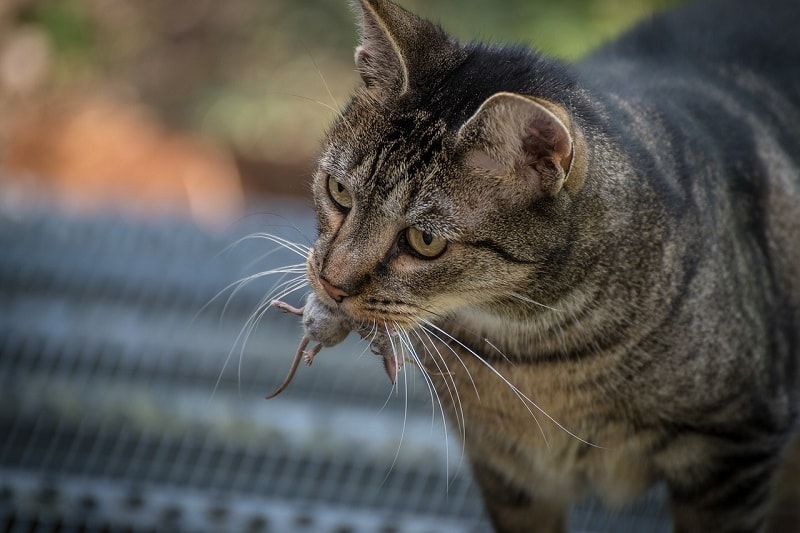
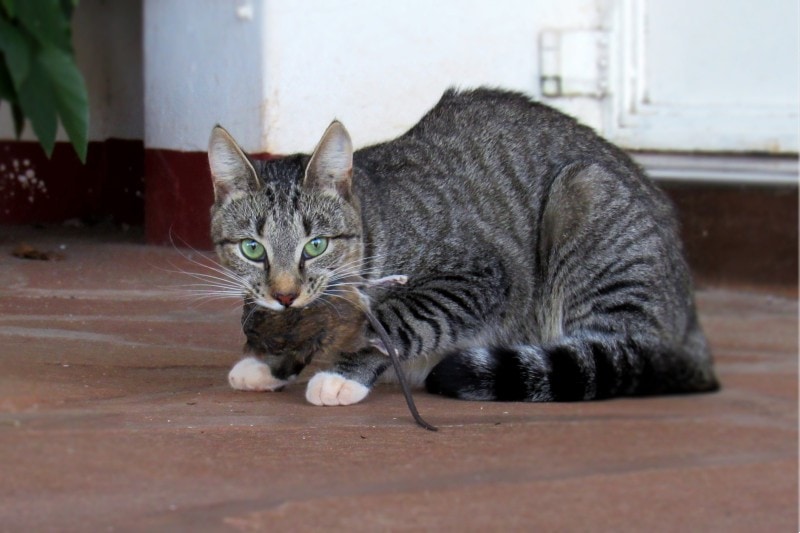
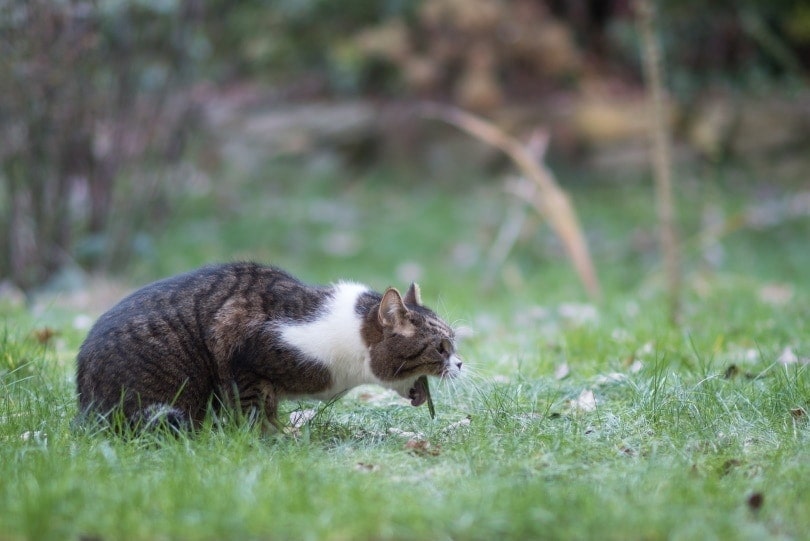
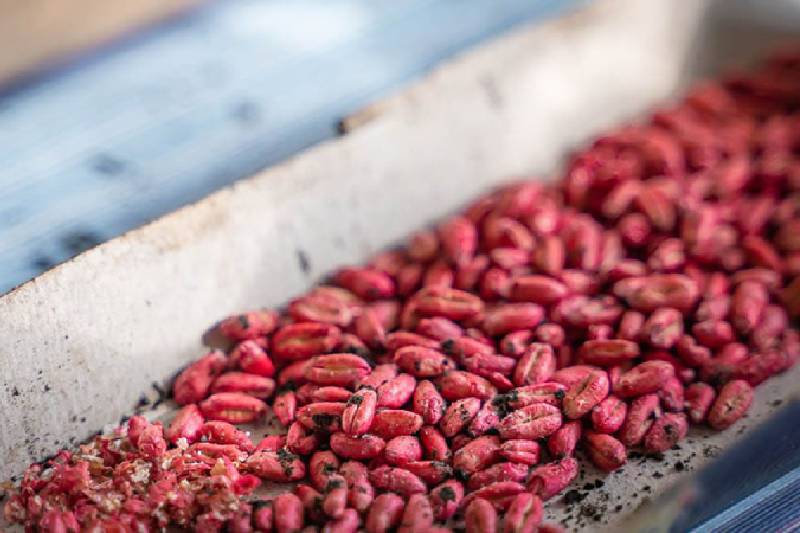
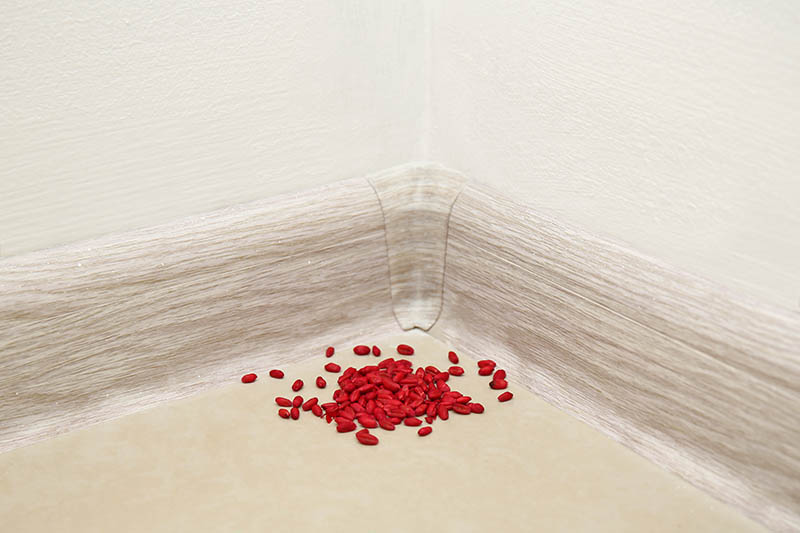
Cats can get sick from eating rat bait or, in very rare cases, from eating a rodent that has ingested rat poison. Different rat poisons can contain different kinds of ingredients. The three most common types that you’ll come across are anticoagulant rodenticides, bromethalin, and vitamin D3.
Anticoagulant rodenticides cause coagulopathies1, which refers to bleeding disorders that reduce the blood’s ability to clot, effectively causing an animal to bleed to death. Bromethalin is a toxin that negatively affects the nervous system by causing brain swelling and inhibiting brain function. Vitamin D3 is lethal by causing calcium accumulation in tissues such as the heart, lungs, kidneys, and blood vessels.
Signs of Rat Poisoning
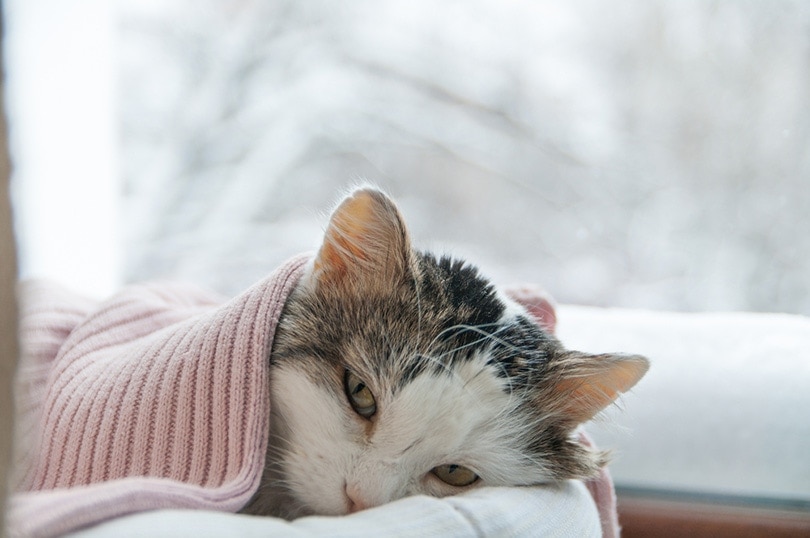
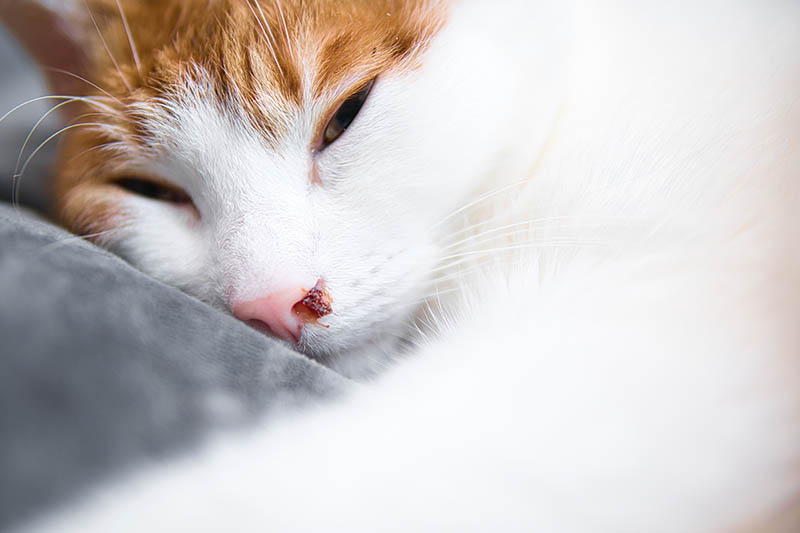
Your cat may experience different side effects depending on the type of poison and the amount they’ve eaten. If your cat eats an anticoagulant rodenticide poison, they can start to show signs of poisoning within 3-7 days. Bleeding won’t always be obvious. However, you may see bleeding from the nose, ears, mouth or bruising. It is more common for bleeding to be internal, in which case signs may be lethargy, weakness, and lack of appetite. You may also see pale gums, difficulty breathing, an enlarged abdomen, and bloody or dark stools.
Poisoning caused by bromethalin can result in neurological signs. Ingesting small amounts of bromethalin can cause an upset stomach, while more moderate cases can lead to incoordination and mild muscle tremors. Consuming a large amount of bromethalin can intensify muscle tremors, cause seizures, an inability to walk and even death. These signs can all start to show within 1–5 days of ingestion. Since there’s no antidote for bromethalin, it is best to get your cat treatment as soon as possible.
You can expect to see signs of vitamin D3 poisoning within 12–36 hours after ingestion. Your cat can show signs of an upset stomach, including vomiting and diarrhea. You can also see increased drinking and decreased appetite. More severe cases can result in kidney failure, abnormal heart rate, and difficulty breathing.
Treatment and Prognosis of Rat Poisoning
The treatment and prognosis of rat poisoning will depend on the type of poison and how much your cat has ingested. There are no home remedies that effectively address rat poisoning, so it is important to get your cat professional care right away. This is an emergency situation.
If caught early, veterinarians will work to decontaminate the gastrointestinal tract and to stabilize your cat’s condition. They may also provide medication to help alleviate side effects like nausea or decrease calcium and phosphorus levels in the body. Anticoagulant poisoning may be treated with vitamin K, an essential element in the clotting cascade.
Some cats may need hospitalization while others may be monitored at home. Some cats can reach full recovery after treatment, while some may develop chronic health issues that affect their kidneys and neurological functioning.

Conclusion
Cats typically won’t show signs of rat poisoning immediately, and by the time they start to show signs, typical treatment measures may be ineffective. So, it is important to prevent your cat from eating rat poison by keeping it out of their reach and supervising them anytime they’re in a new area. If you suspect your cat ate rat poison, get veterinary help right away, even if you don’t notice anything at the moment. It is better to be safe than sorry, and immediate treatment can help increase the chances of survival and full recovery.
Sources
Featured Image Credit: VVVproduct, Shutterstock
Get Hepper In Your Inbox


Pet care tips from our vets and experts, straight to your inbox.
You may opt-out at any time. View our Privacy Policy for more information.
Jessica is a freelance writer who spends most of her day reading and writing while her fluffy Cavapoo, Nora, naps beside her. She loves and appreciates pets and animals because there’s so much to learn from them, and they do so much for people. As a dog mom, she understands the special relationship that pet parents have with their pets. So, she loves sharing helpful information that people can use to better understand their pets. When she’s not writing, you can find her walking dogs, tending to her plant babies, or drinking her nth cup of coffee.
Join the conversation
Ask a question, share your story, or send private feedback.