Hepper is reader-supported. When you buy via links on our site, we may earn an affiliate commission at no cost to you. Learn more.
How Long Do I Keep My Cat Confined After Spaying or Neutering? Vet-Reviewed Facts & FAQ


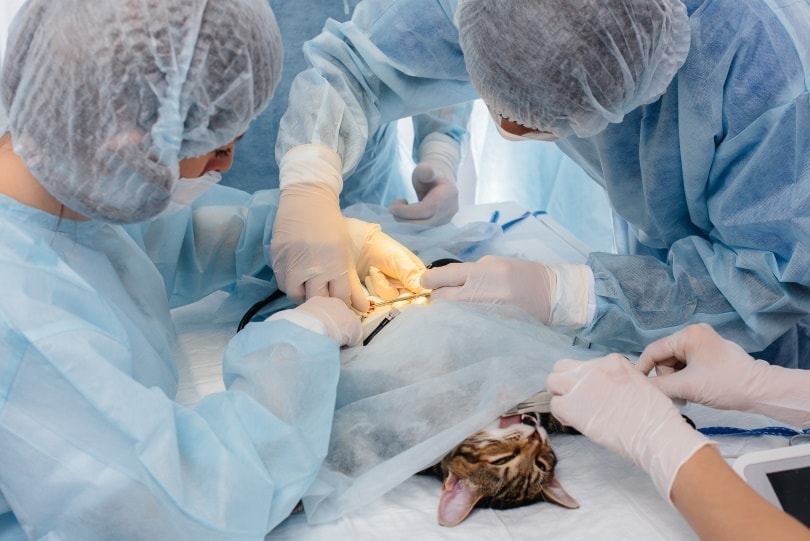
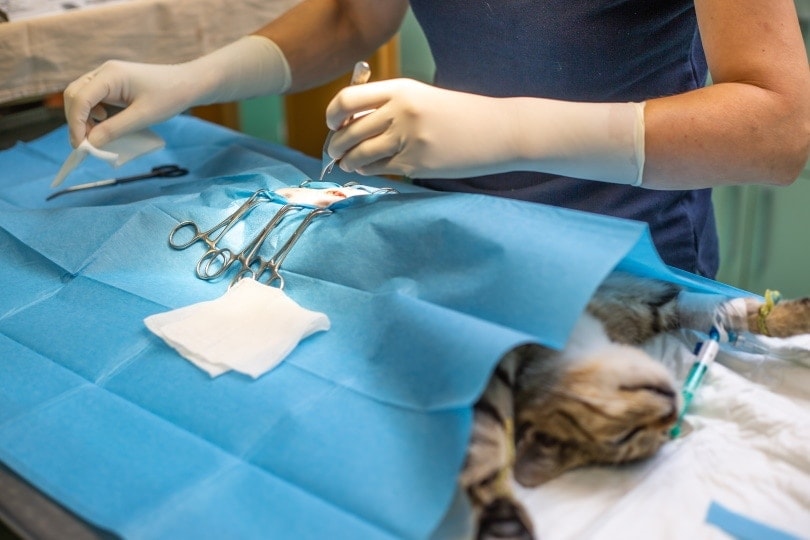
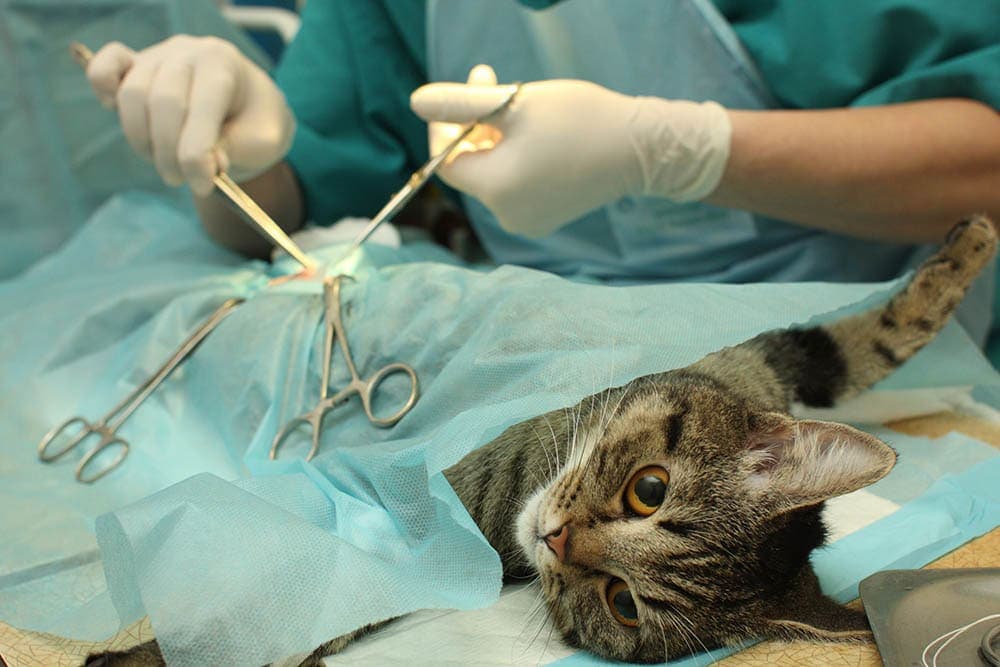
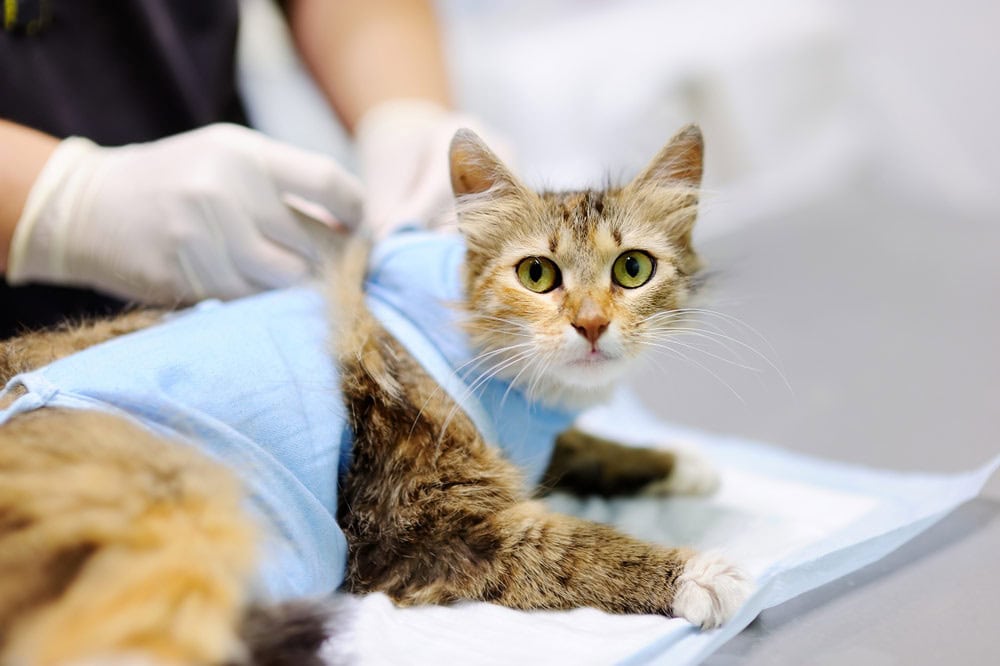
Spaying and neutering pet cats is an effective way to combat overpopulation, which has become a serious problem throughout the United States – let alone around the world. The process is typically safe, and cats don’t develop any long-term side effects after being spayed or neutered. However, there is a recovery process that cats must go through before they are back to their old selves after having surgery.
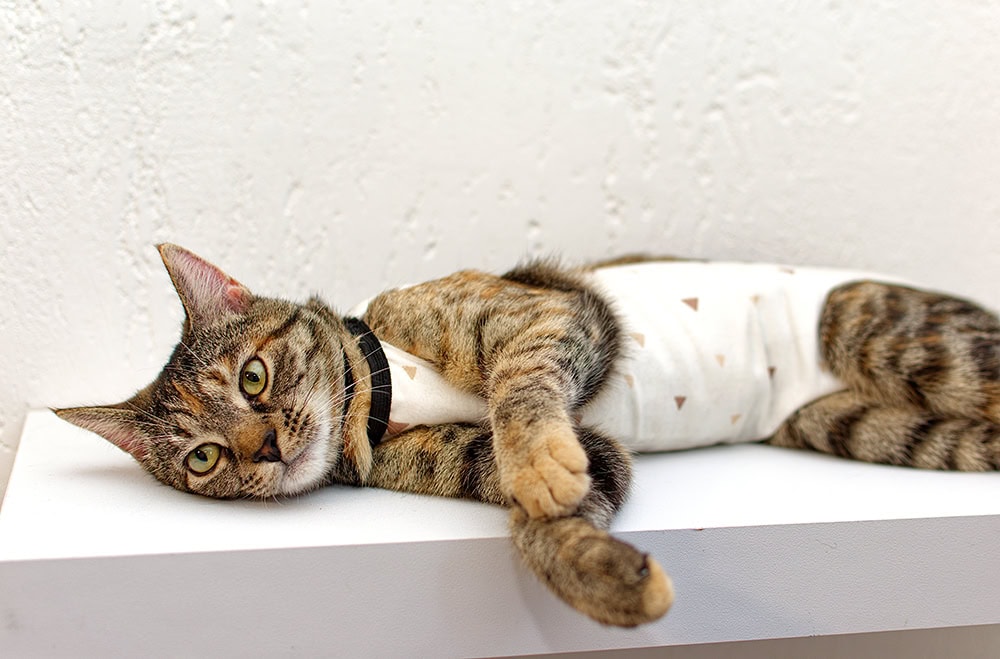
Keep your pet confined after having them spayed or neutered to ensure that they stay safe and heal properly during the recovery period. How long should a cat be confined after spaying or neutering surgery? You should keep the cat in the kennel for about 24 hours after surgery so the wound has a chance to heal. This article goes overall you need to know about what happens after the cat is spayed or neutered.

Why Should Cats Be Confined After Spaying or Neutering?
Cats must be confined after being spayed or neutered to keep the incision site created during surgery clean and closed. If the incision opens up, it could lead to serious health problems and the need for emergency care. Movement and activity can irritate the incision site and rip the incision open. Even if the incision opens just a little bit, an infection can develop quickly, leading to signs such as:
If any of these signs develop, you must call your veterinarian immediately. To minimize the chance that your cat's incision will open and avoid the development of an infection, keep them confined to a small space while they heal.
How Long Should a Cat Be Confined After Being Spayed or Neutered?
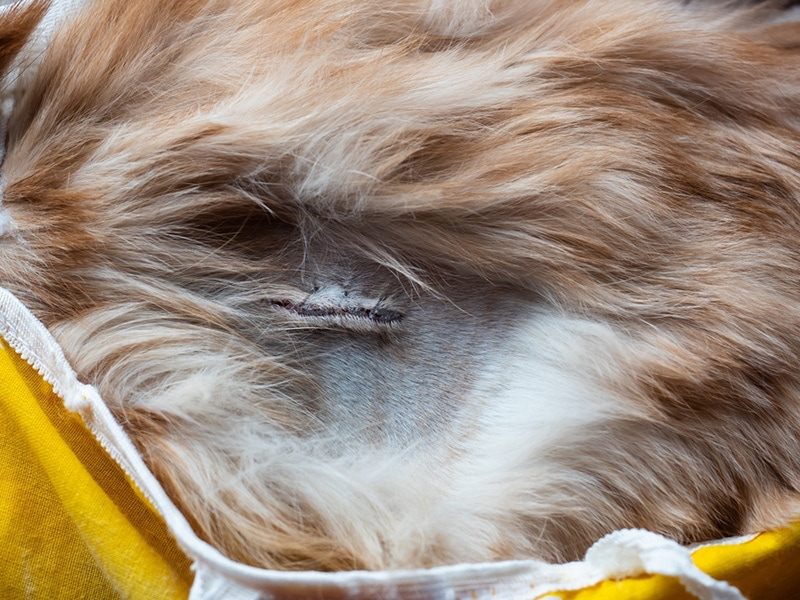
The idea of confining your cat after getting spayed or neutered is to let the incision site heal a little before any running, jumping, or even lots of walking starts happening. The skin at the incision site is held together only by the stitches and needs a chance to start fusing before the cat resumes normal activity. If the stitches are solely responsible for keeping the incision site closed, there is a good chance that the site will open up as your cat goes about its regular life throughout the house.
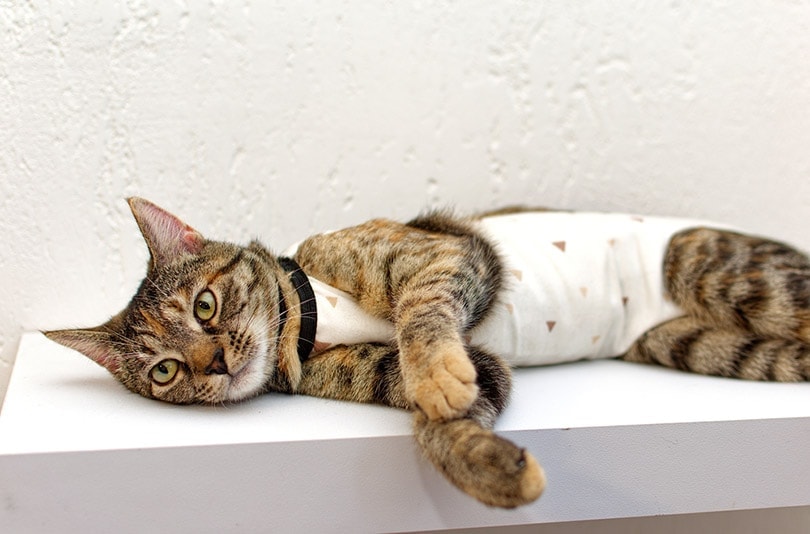
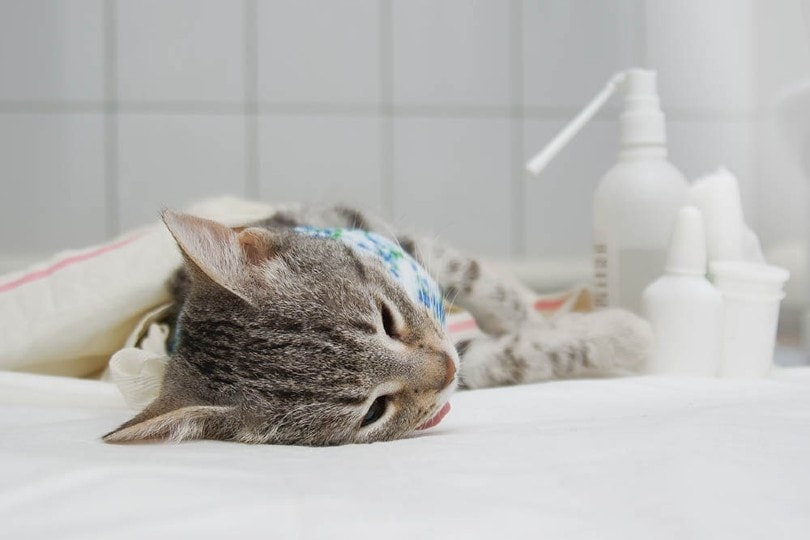
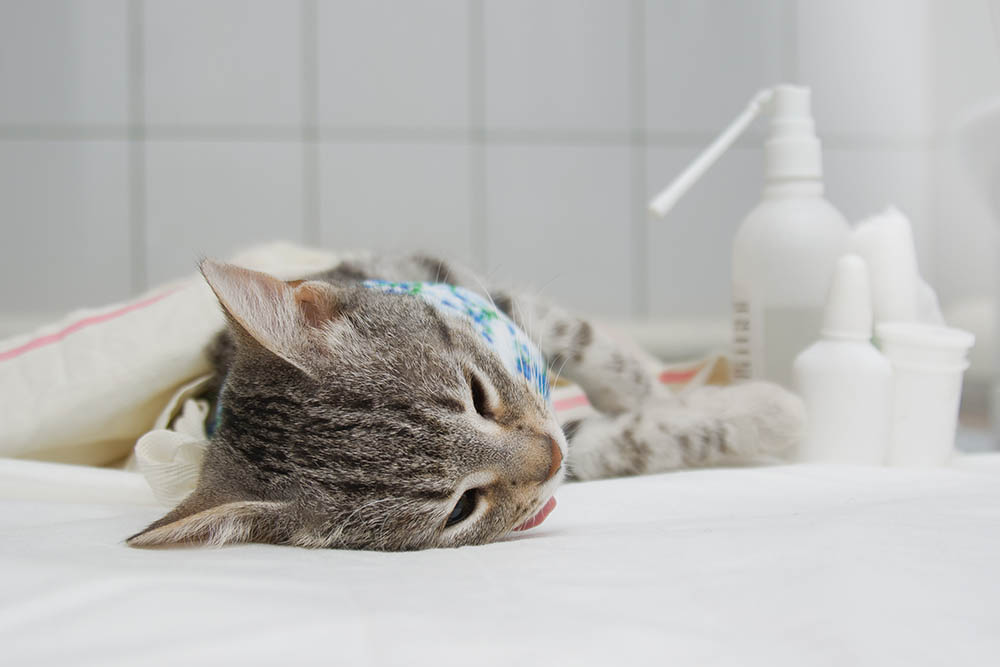
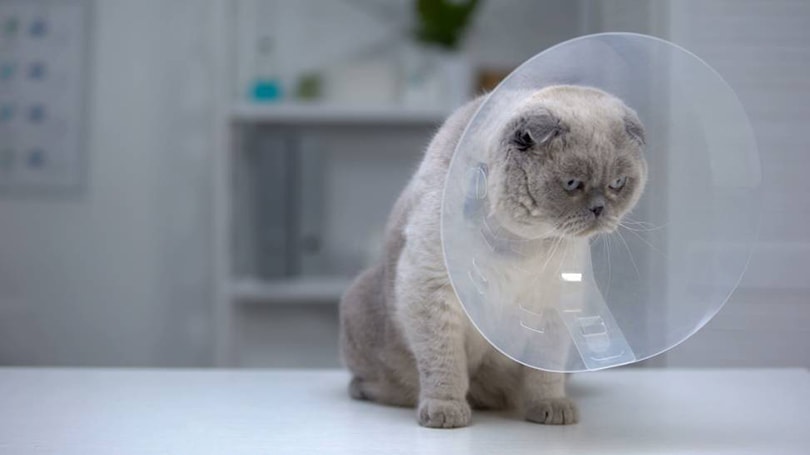
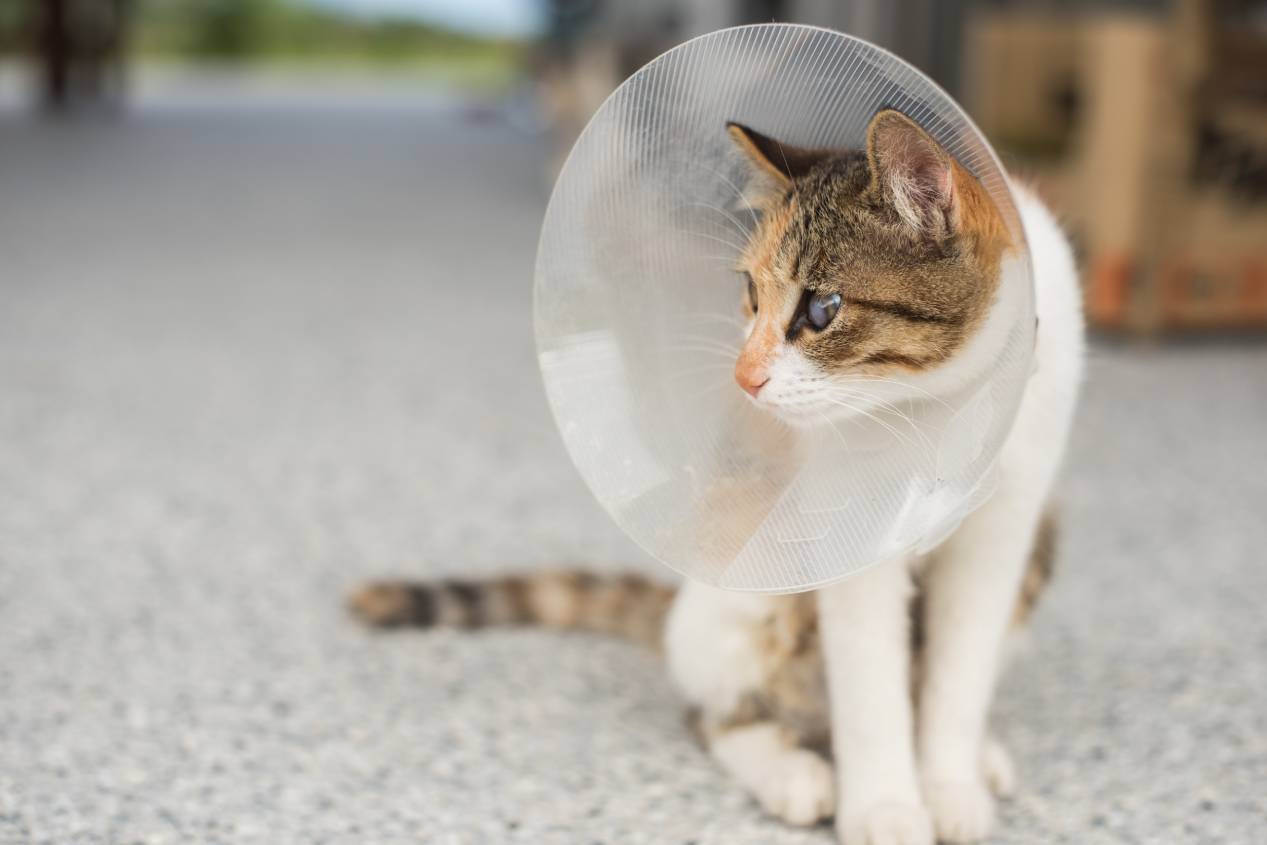
If your cat is kept in a kennel for at least 24 hours after surgery, their incision site will have a chance to heal. The vet will recommend that your cat wear a head cone to keep them from licking and irritating the incision as it heals. It is always a good idea to consult with your veterinarian before releasing your cat from containment. They can let you know what specific signs and symptoms to look for and let you know how the incision site should look based on things such as your cat’s physical health and how well the surgery went.
During these first 24 hours, your cat might have a reduced appetite or sensitive stomach, so you must wait at least 8 hours after the surgery to offer food. The vet might recommend offering only ¼ of its normal diet intake. The appetite will return to normal afterward.
Afterward, keep your cat confined for at least 10 days in a small, clean area with water, food, and a clean litter box. This is important to prevent running, climbing, jumping, and all the normal cat activities that could apply more pressure than the stitches can take. You must check the incision site daily and make sure it is clean and healing properly.

Some Final Thoughts
Having your cat spayed or neutered can be a stressful experience for everyone involved. The one who will feel the after-effects the most will be your kitty as they recover. Keeping your pet confined while they recover is a great way to ensure their safety and keep their stitches from separating. Confinement doesn’t have to be a bad experience for you or your cat. Using the recommendations outlined here should keep your cat from feeling alone or scared while confined.
See also:
Featured Image Credit: Sannikova Maria, Shutterstock
Get Hepper In Your Inbox


Pet care tips from our vets and experts, straight to your inbox.
You may opt-out at any time. View our Privacy Policy for more information.
Rachael has been a freelance writer since 2000, in which time she has had an opportunity to research and write about many different topics while working to master the art of fusing high-quality content with effective content marketing strategies. She lives off the grid in Hawaii with her husband, her garden, and her rescue animals including 5 dogs, a cat, a goat, and dozens of chickens. She is an artist at heart and loves to read, paint, and make jewelry in her spare time. As a vegan, Rachael is obsessed with helping animals in need both in her community and anywhere in the world where she feels she can make a difference. Animals also happen to be her favorite topic to write about!
Join the conversation
Ask a question, share your story, or send private feedback.