Hepper is reader-supported. When you buy via links on our site, we may earn an affiliate commission at no cost to you. Learn more.
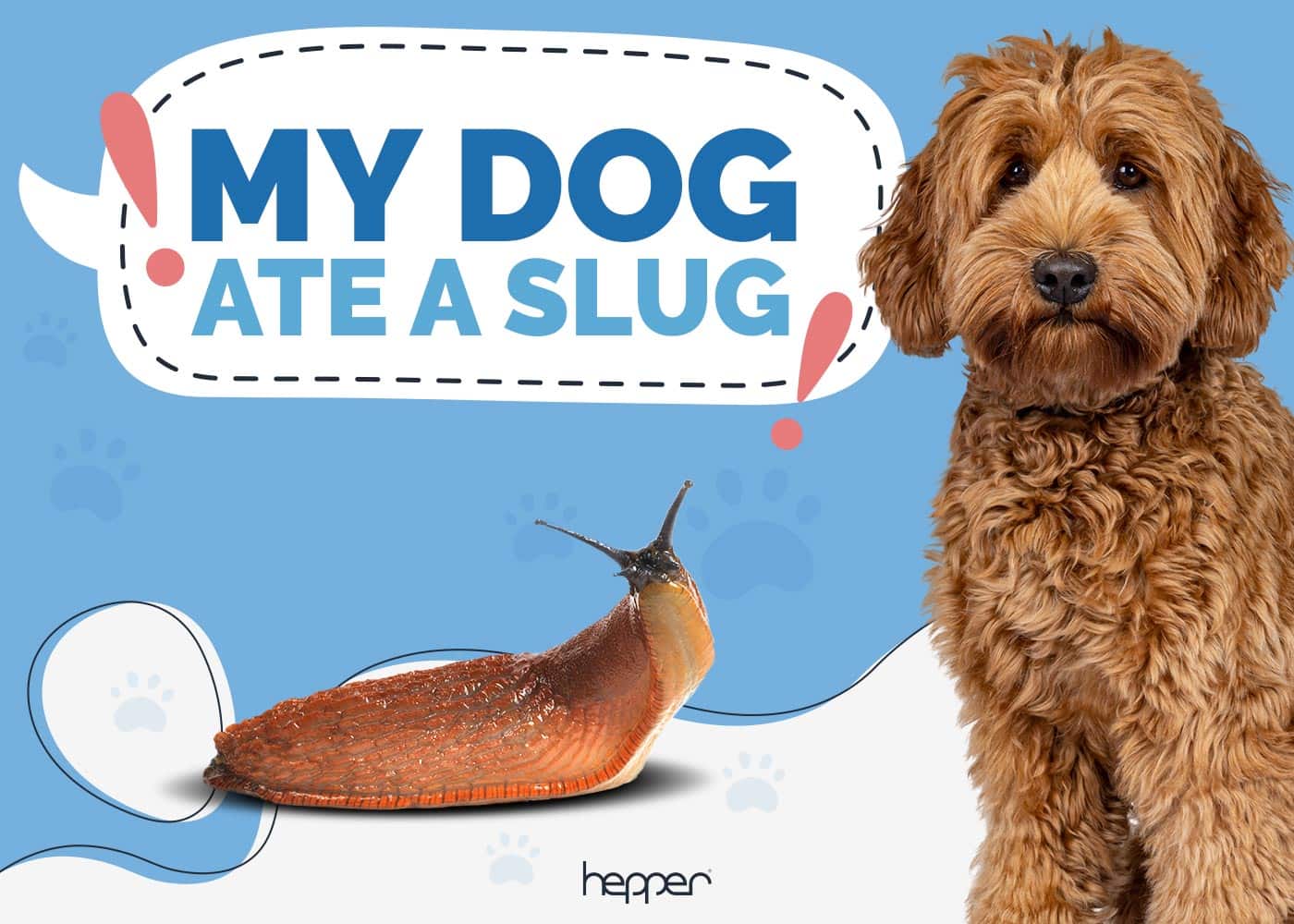
My Dog Ate a Slug: Here's What to Do (Vet-Approved Advice)


In this article
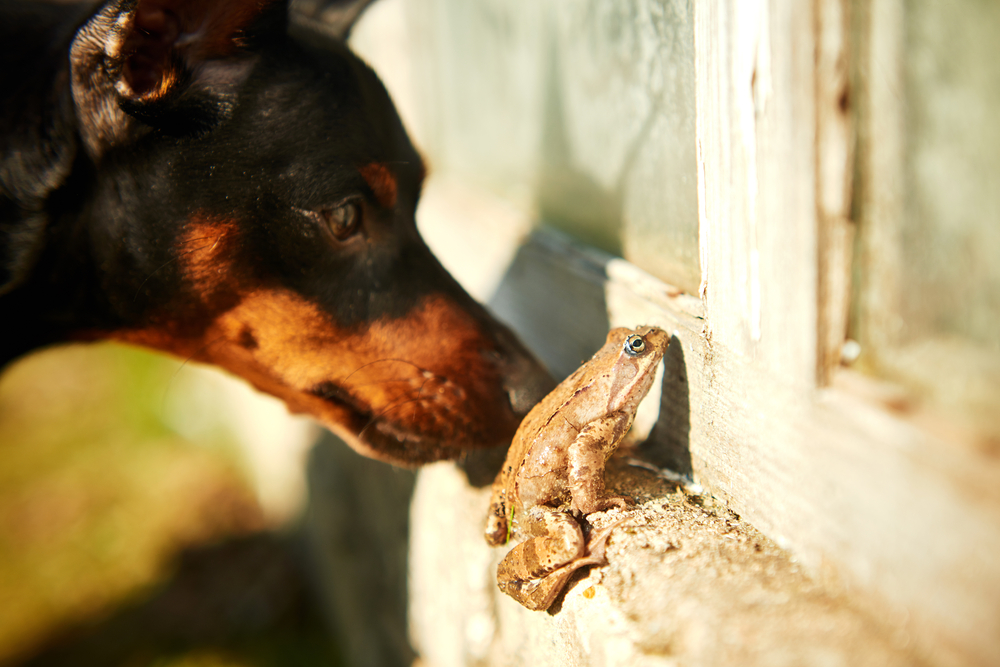
If you think your dog has eaten a slug and you’re worried about what to do next, the first thing to do is stay calm and don’t panic. In most cases, it's not overtly life-threatening if your dog accidentally ate a single slug.
While the slug itself is unlikely to cause much harm, it can carry lungworm parasites. Therefore, it’s best to contact your vet for advice if your dog has eaten a slug (or snail), especially if you are in an area where these parasites are known to be prevalent and your dog is not on any regular preventative medication.
Read on to find out more about these parasites and how you can reduce the risk of your dog eating slugs and their risk of picking up lungworm.

Slugs Can Cause Lungworm in Dogs
There are several species of lungworm, and dogs can become infected by two of them by eating slugs that contain the infective larval stage of the parasite. Dogs can get lungworm by swallowing slugs (or snails) that contain the larvae of Crenosoma vulpis (the fox lungworm) and Angiostrongylus vasorum.
The prevalence of these parasites depends on where you live. Crenosoma vulpis is widely distributed around the world in fox populations and in dogs that share the same environment. Angiostrongyus vasorum has in the past been a parasite of continental Europe, Africa, and South America, but its prevalence is spreading, especially in the UK and parts of Canada. Your vet will be able to assess the risk of these parasites in your area and may advise for your dog to be on regular lungworm preventative treatment, especially if they are prone to scavenging and eating things such as slugs and snails.
Generally when people refer to lungworm they are referring to Angiosytrongylus vasorum, and we will focus on this parasite, as it can cause serious disease in dogs. As well as eating an infected slug (or snail), dogs can also be infected by drinking from a water bowl that’s had an infected slug crawl through it or in it, or play with a toy that an infected slug crawled on. For this reason, if your unprotected dog eats a slug, seek advice from your vet about the best course of action. If you are in an at-risk area, they may recommend treatment effective against this parasite to prevent infestation and disease.
The Effect of Lungworm on Dogs
Lungworm caused by Angiostrongylus vasorum can be very serious, especially if not caught early.
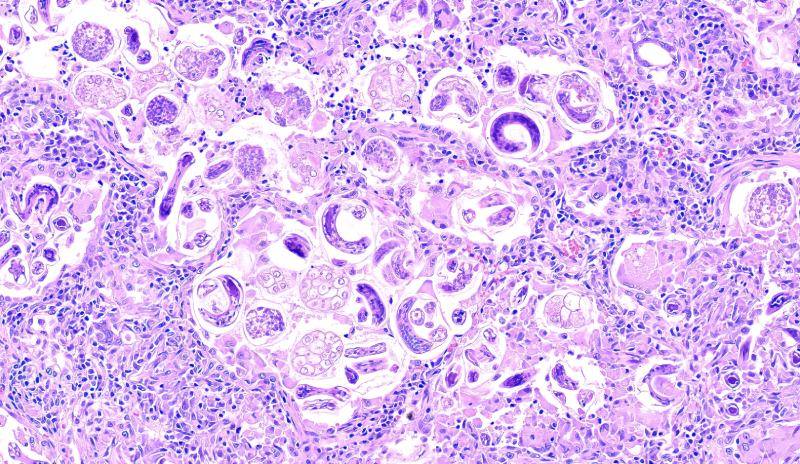
The adult worms actually reside in the heart and blood vessels of the infected dog where they lay eggs which get carried to the lungs. In severe cases, lungworm can cause heart problems, breathing issues, and pneumonia.
It can also cause bleeds anywhere in the body but especially in the lungs, eyes, spinal cord, intestine and eyes. While it isn’t 100% clear why this happens, it is thought that lungworms secrete a blood-thinning chemical that makes it difficult for your dog’s blood to clot after an injury or accident. This is called “parasitic coagulopathy” and can also cause your dog to vomit blood, have bloody diarrhea, and suffer from internal bleeding. If your dog appears to be bruising easily and the bruises last for several days, you should seek veterinary help immediately.
Occasionally, the larvae will also move to other organs like the kidneys and even a dog’s brain, where they can cause sudden death in a seemingly healthy dog.

What Are the Signs of Lungworm in Dogs?
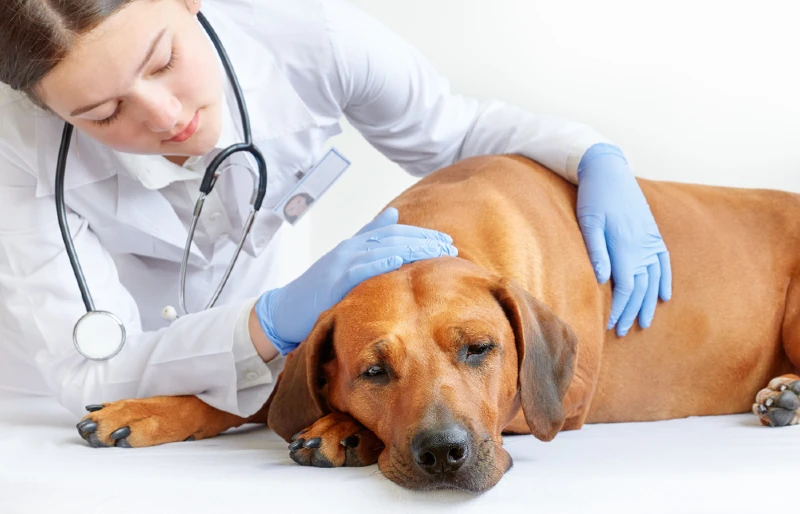
If you are worried your dog has lungworm, it’s imperative that you bring them to your veterinarian as soon as possible for treatment. The faster you do, the better your dog’s prognosis. Unfortunately, the signs of a lungworm can be quite non-specific and similar to signs of other conditions.
The signs may include:
Most signs of lungworm will begin to show 1 to 3 weeks after your dog eats an infected slug. At that point, the infection may be more serious and difficult to treat. That’s why if you’re sure they’ve eaten a slug, it's best to seek veterinary advice. Catching lungworm early gives your dog the best chance of making a full recovery and avoiding some of the more severe signs of lungworm infection.
Is There a Test for Lungworm?
Vets can diagnose lungworm by looking for larvae in your dog’s poop. There are also blood tests that can detect if your dog is carrying lungworm.
Depending on the signs your dog is showing, other tests may need to be performed, such as blood tests, chest X-rays, and bronchoscopy (when a special camera looks down your dog’s airways).
How to Prevent Your Dog From Getting Lungworm
Speak to your vet about regular lungworm preventative medication for your dog. They will advise you based on the risk in your area. Several highly effective options are available.
Prevention is better than cure, so here are other measures to prevent your canine companion from suffering this foul parasitic infection and keep them safe.
- Don’t leave your dog’s toys outside where slugs and snails can crawl on them overnight. Even snail slime can cause lungworm if the snail is infected.
- Don’t leave water bowls outside overnight. If you do, clean them well before your dog drinks from them.
- Look for and remove slugs (and snails) in your garden. They like damp, moist, dark places best.
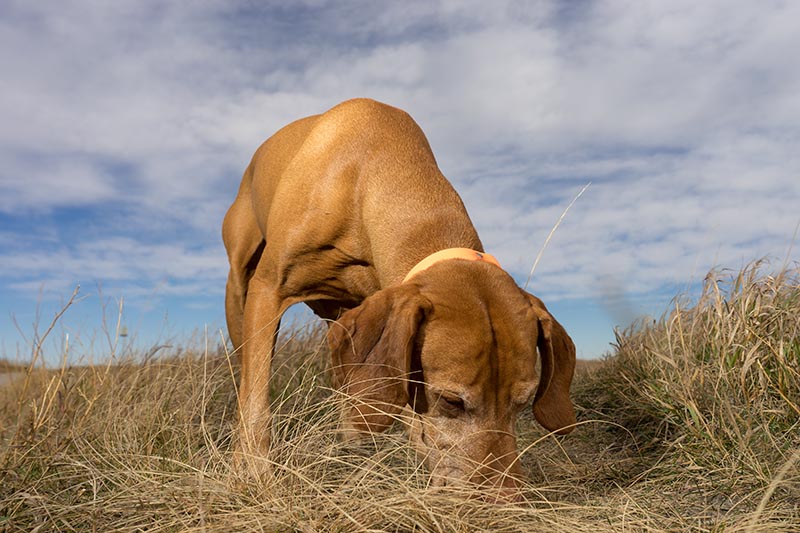
- When walking your dog, be vigilant about them eating anything. Slugs are attracted to rotting food, which can also make your dog sick.
- Remove dog poop from your yard right away. This can break the cycle of lungworm larvae being transferred from your yard to your pet.


Final Thoughts
If your dog ate a slug but you’ve been treating them with a preventative measure prescribed by your veterinarian, there’s no need to panic. Even if your dog isn’t being treated, not all slugs contain lungworm larvae, and it may not cause a problem. However, you should still seek advice from your veterinarian on the best course of action. The faster your dog gets treated for lungworm, the better, as it can cause serious health issues.
Sources
https://www.bluecross.org.uk/advice/dog/health-and-injuries/lungworm-advice-for-dog-owners
https://vethelpdirect.com/vetblog/2021/05/18/why-lungworm-is-a-threat-to-your-dog/
https://www.petmd.com/dog/conditions/neurological/c_dg_metaldehyde_poisoning
https://www.agriapet.co.uk/hub-agria-blog/2020/october/the-dangers-of-dogs-eating-slugs/
https://alvervets.co.uk/pet-advice/dogs-and-puppies/worm-control-in-dogs/
Get Hepper In Your Inbox


Pet care tips from our vets and experts, straight to your inbox.
You may opt-out at any time. View our Privacy Policy for more information.
Greg Iacono is a self-taught writer and former chiropractor who, ironically, retired early due to back problems. He spends his time writing scintillating content on a wide variety of subjects. Greg is also an accomplished video script writer known for his ability to take a complex subject and make it accessible for the layperson.
Join the conversation
Ask a question, share your story, or send private feedback.