Hepper is reader-supported. When you buy via links on our site, we may earn an affiliate commission at no cost to you. Learn more.
Oral Papilloma in Dogs: Causes, Symptoms, and Care (Vet Answer)

In this article
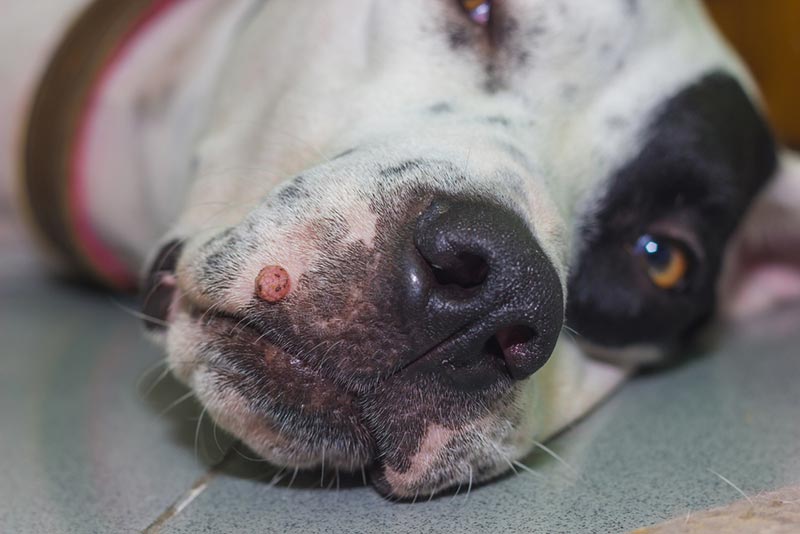
If your dog has a wart-like growth on its snout and is diagnosed with an oral papilloma, it may have you feeling concerned—and full of questions. The following article will discuss oral papillomas in dogs, including their causes, signs, and potential dangers associated with this condition. We'll also review frequently asked questions regarding oral papillomas, providing you with essential treatment, and prognostic information relevant to your canine companion.

What Are Oral Papillomas?
Canine oral papillomatosis is a common, self-limiting condition affecting dogs. This disease is characterized by the presence of oral papillomas; these wart-like growths are most frequently caused by a viral infection with canine papillomavirus-1 (CPV-1). Oral papillomas are primarily noted on the lips, however, they can also be found on the tongue, esophagus, and eyelids of affected dogs.
What Causes Oral Papillomas?
Oral papillomatosis in canines is caused by the CPV-1 virus, as noted above. This virus is primarily spread through direct contact between infected canines, however, indirect spread of the virus (from contaminated toys, food bowls, or bedding) is also possible.
Whether transmission occurs via a direct or indirect route, microabrasions (small cuts or scrapes) of the skin must be present for the virus to establish infection. The incubation period, or period from exposure to the development of symptoms, is approximately 4–8 weeks for viral papillomas.
Oral papillomas primarily affect dogs younger than 4 years of age, with no apparent breed or sex predilection. The majority of dogs infected with papillomaviruses will not experience symptoms, as their immune systems can effectively prevent the virus from significantly altering affected skin cells.
The specific factors which cause some dogs to develop papillomas, while others remain asymptomatic, are currently poorly understood; however, canines with a suppressed immune system may be at an increased risk of developing papillomas.
What Are the Signs of Oral Papillomas?
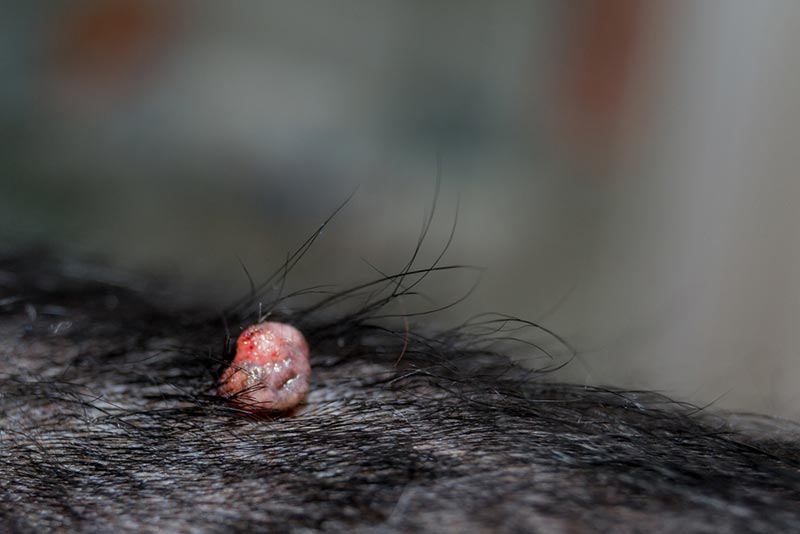
As discussed above, many dogs infected with CPV-1 will remain asymptomatic. For those that experience symptoms, visible growths are the most common observation. Papillomas may vary in appearance from small, white, nodules to larger, gray masses. These growths are often described as being cauliflower or wart-like and may appear on the lips, tongue, gingiva, throat, inside of the cheeks, or rarely, on the eyelids. Many dogs appear unbothered by these growths, however, dogs with large or extensive papillomas may experience the following symptoms
- Difficulty swallowing
- Bad breath
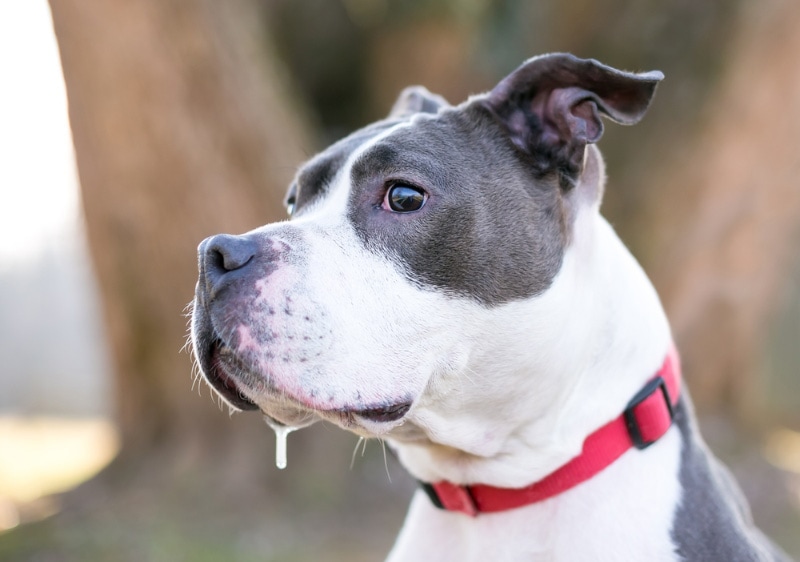
- Drooling
- Decreased appetite
- Face rubbing
In addition to the above-noted symptoms associated with oral papillomas, some dogs may develop secondary bacterial infections of these growths resulting in swelling, redness, or discharge.
What Are the Potential Dangers of Oral Papillomas?
By and large, oral papillomas are not considered dangerous. Dogs affected by papillomas will typically experience growth of the lesions for 1–5 months, after which time spontaneous resolution of the growths is common. Oral papillomas will typically regress within 8 weeks, however, prolonged periods of recovery taking up to 12 months have been noted in some dogs.
While the vast majority of cases of oral papillomatosis clear on their own, reports of both persistent and recurrent cases exist—these rare occurrences are thought to be the result of an ineffective immune response against cells infected by papillomavirus.
While oral papillomas most frequently resolve on their own without significant issues, rarely, cases of extensive papilloma growth can interfere with normal eating or breathing. Dogs that develop extensive or persistent papillomatosis may also be predisposed to developing oral squamous cell carcinoma, a type of cancer affecting the mouth.

Frequently Asked Questions (FAQs)
How is oral papillomatosis diagnosed?
Your veterinarian will likely diagnose oral papillomatosis based on the appearance and location of the growths in question, especially if they are noted in a young dog with a history of exposure to other canines. To obtain a definitive diagnosis, however, surgical biopsy and histopathology (microscopic examination of affected tissue) can be considered.
Can oral papillomas spread to humans?
Papillomaviruses are known to infect a wide variety of mammals, as well as both avian and reptilian species. These viruses are host species-specific, however, meaning that papillomavirus affecting dogs cannot infect humans, and vice-versa. While canine papillomaviruses are not transmissible to humans or other companion animal species, oral papillomatosis has been observed in both coyotes and wolves and is expected to be the result of the same virus affecting dogs, given their close genetic relationship.
How are oral papillomas treated?
The vast majority of canine oral papillomas do not require treatment, as they typically regress on their own without any intervention. Large, extensive, or persistent lesions, however, may require treatment. Traditional surgical removal, electrosurgery (surgery using electrical currents to cut through tissue), or cryotherapy (using freezing temperatures to destroy abnormal tissue) are all potential treatment options for oral papillomas.
Both oral and topical medications, such as azithromycin, interferons, or imiquimod have also been used for treatment, and may be considered for affected canines; studies detailing the effectiveness of various medical therapies are limited, however.

Conclusion
In summary, while oral papillomas can be annoying and unpleasant to look at, the majority of affected dogs will experience spontaneous resolution within several months. If you are concerned that your dog may have oral papillomas, a visit to your veterinarian is recommended for further evaluation, and to discuss whether treatment may be appropriate for your pet.
Sources
Canine Papillomaviruses - Veterinary Clinics: Small Animal Practice (theclinics.com)
Canine Oral Papillomavirus - an overview | ScienceDirect Topics
Therapeutic evaluation of homeopathic treatment for canine oral papillomatosis - PMC (nih.gov)
(PDF) Canine oral papillomavirus outbreak at a dog daycare facility (researchgate.net)
Featured Image Credit: nelladel, Shutterstock
Get Hepper In Your Inbox


Pet care tips from our vets and experts, straight to your inbox.
You may opt-out at any time. View our Privacy Policy for more information.
Dr. Leigh is a US-based veterinarian with over 9 years of experience. She is a lifelong animal lover who grew up with all kinds of pets, including dogs, hamsters, and fish. Leigh received her Doctor of Veterinary Medicine degree from the University of Minnesota and has specialized in shelter medicine and small animal clinical practice ever since. She enjoys small animal preventative medicine and surgery and loves helping pet owners by sharing her knowledge on a wide variety of veterinary topics. Leigh lives with her husband, two young children, and Hershey, her elderly pug mix. Outside of work Leigh likes traveling, reading, and hanging out with her family.
When Dr. Leigh was a child, her passion for animals started. She grew up tending to hamsters, guinea pigs, rats, fish, and dogs. She now shares her home with her husband, her two young children, and Hershey, her geriatric pug mix. When she's not working, Leigh loves spending time with her family, reading, and traveling.
Education
Leigh graduated from the University of Minnesota, where she received her Doctor of Veterinary Medicine degree. She has worked in both small animal clinical practice and shelter medicine since graduation.
Experience
Dr. Leigh has over 9 years of veterinary experience. She enjoys small animal preventative medicine and surgery and is passionate about helping pet owners through sharing her knowledge on a wide variety of veterinary topics.
Check out some of our top posts written by our veterinarian team:
Can I Put Vaseline on My Cat’s Paws? Is It Safe?
Join the conversation
Ask a question, share your story, or send private feedback.