Hepper is reader-supported. When you buy via links on our site, we may earn an affiliate commission at no cost to you. Learn more.
Dog Wart vs Skin Tag in Dogs: Differences & Pictures (Vet Approved)


In this article
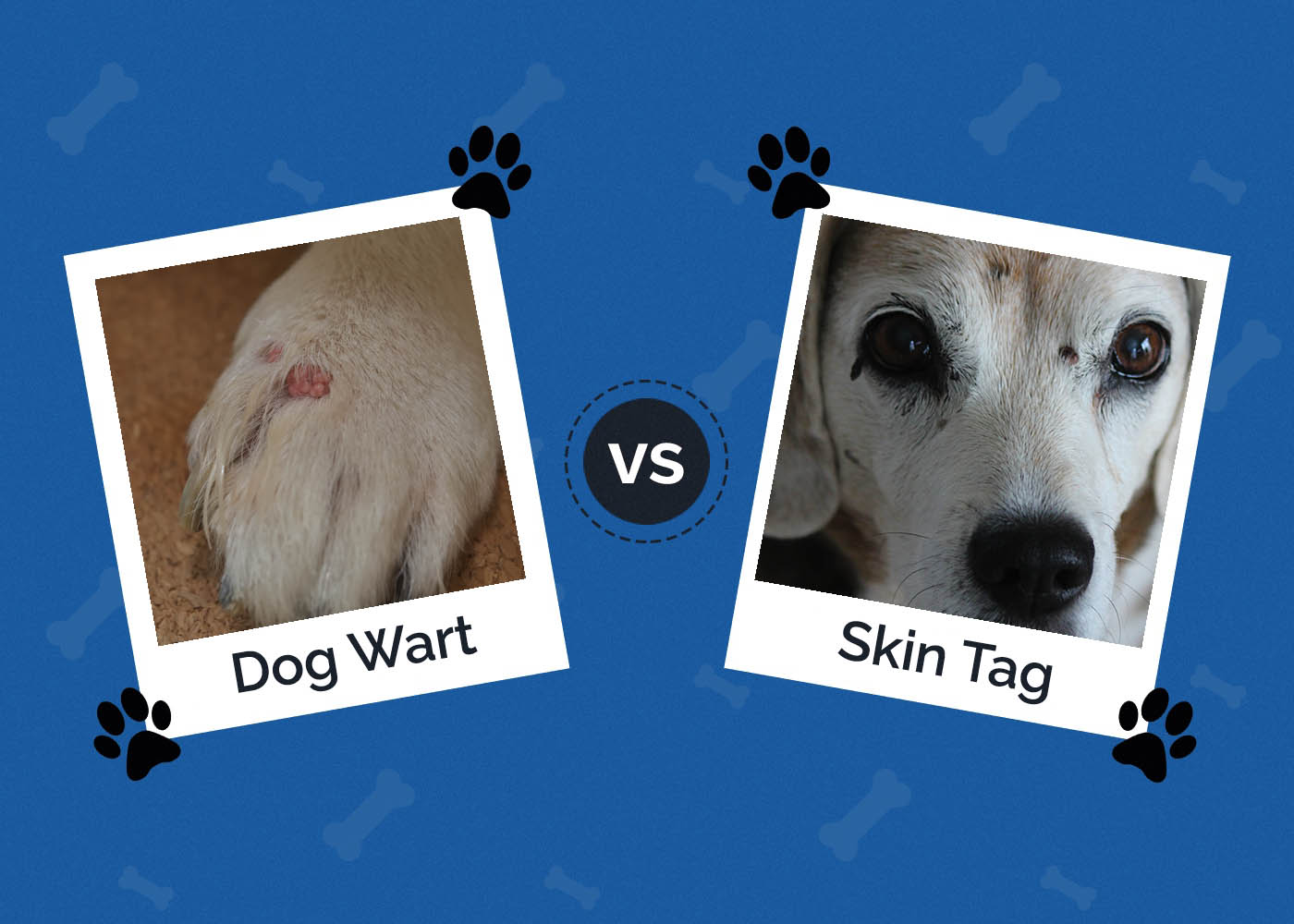
Finding any kind of lump or bump on your dog’s skin can be distressing, especially if you don’t know what it is or why it’s there. Two of the skin conditions dogs can experience are warts and skin tags. Fortunately, both of these are, in most cases, completely harmless, treatable, and don’t cause long-term problems for the dog. That said, it can be hard to tell them apart.
If you’re unsure whether it’s a wart or a skin tag you’re dealing with, we hope this guide will help shed some light on the situation.

At a Glance
Overview of Warts
Just like humans, dogs have the potential to develop skin warts—also known as canine viral papillomatosis1. Warts are caused by papillomaviruses, of which there are several different types. If a dog has a wart, it can be passed on to other dogs, but, fortunately, not to humans or your other pets.
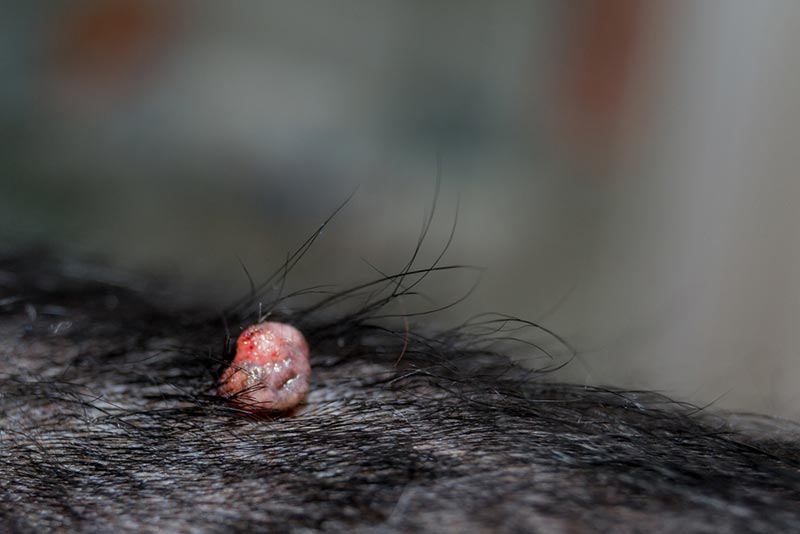
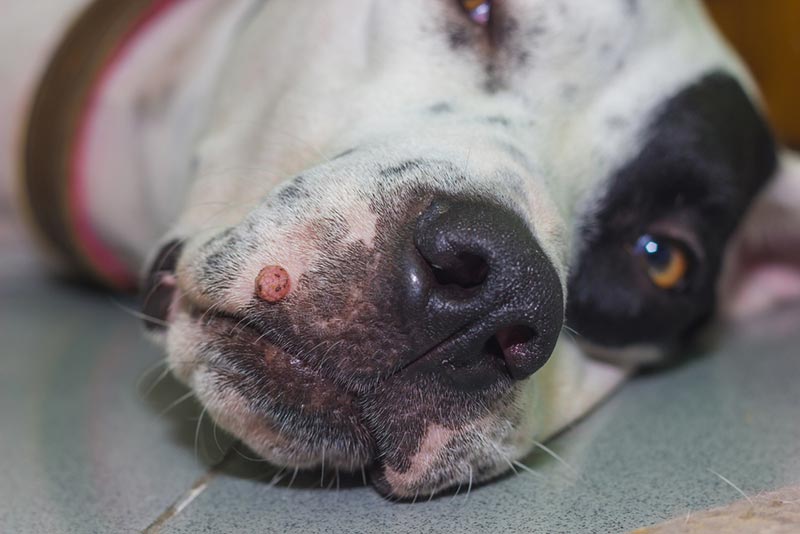
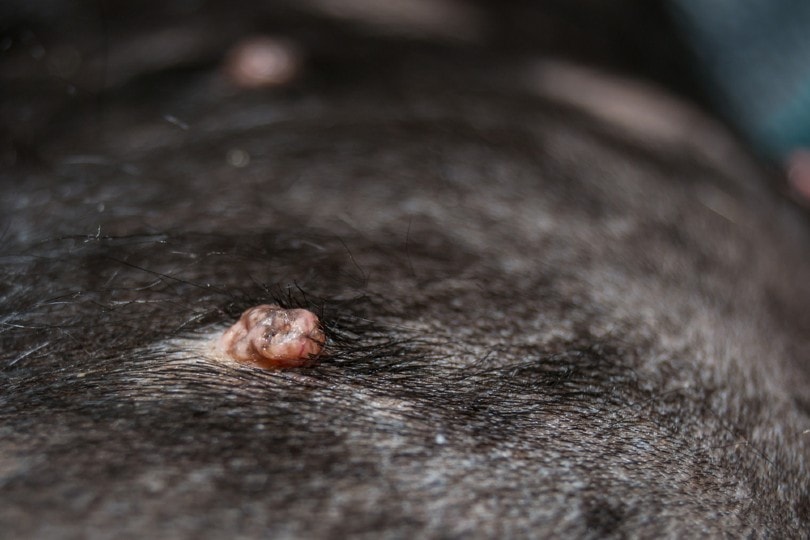
Warts present as small, round bumps on the skin that may look something like a head of cauliflower. In some cases, the wart may be a firm lump with a central dot (inverted papilloma) or appear as irregular, dark, scaly patches, though these kinds of wart are less common than the cauliflower-head type. Warts typically take on a darker color (though they may be lighter) than the dog’s regular skin color.
Where Can Warts Develop?
Warts can develop anywhere on the skin, including on the feet, inside the mouth, around the mouth, and around the eye area. They can be either individual or come out in clusters of various-sized warts, which gives them the look of a cauliflower head. Dogs with immune system issues or weak immune systems are more at risk of getting many warts at once.
How Do Dogs Get Warts?
Dogs contract warts from other dogs. Papillomaviruses are quite hardy and can survive for weeks after a dog has deposited them in an area. If a dog comes into contact with an area or object where papillomavirus is present, it can infect them via any wounds or cuts they may have. It can take between 1 and 2 months for a wart to show up post-infection.
Are Warts Dangerous?
Warts are usually not dangerous to dogs and go away on their own after a few months, but they can sometimes cause issues requiring treatment. Very rarely, they can become cancerous if they don’t go away on their own. Keep an eye on your dog’s wart and, if it hasn’t resolved after between 3 and 5 months, your vet may need to treat it.
How Are Warts Treated?
If warts are reducing a dog’s quality of life, for example, if they’ve got a lot of warts in the mouth (more common in young dogs) or they become infected, a vet may need to treat them. Treatment options include antiviral medications and, in some cases, removal.

Overview of Skin Tags
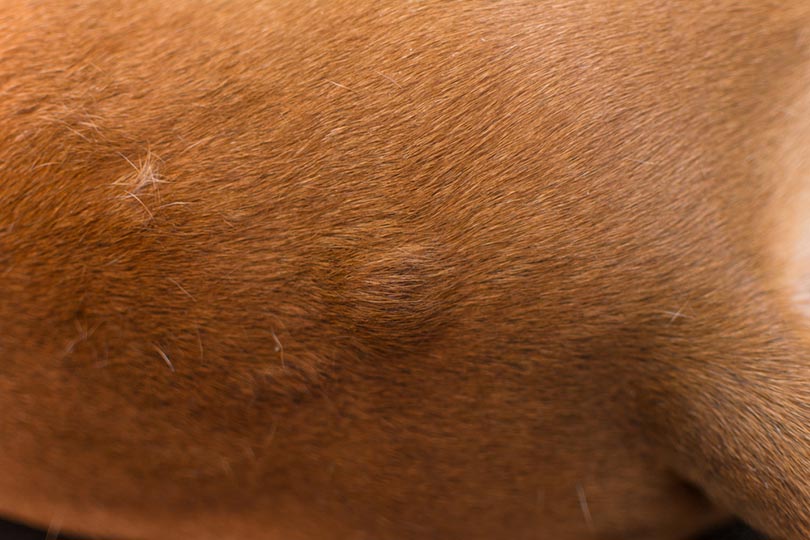
Skin tags are benign growths on the skin2. They typically appear as tear-shaped growths that are thin and clearly stick out from the skin and sometimes dangle. This is in contrast to warts, which are small, rounded, and sit against the skin rather than dangle.
Skin tags are the same color as the dog’s usual skin tone, whereas warts are often lighter or darker than the skin. They also come in different sizes, ranging from tiny to long and large. Skin tags can be anywhere, but they typically pop up in areas where there’s lots of friction (rubbing together), like the neck, chest, elbows, or between the legs. Skin tags are not contagious.

What Causes Skin Tags?
This isn’t known for certain, but it has been mentioned that it may have something to do with the rubbing motion in certain areas of the body. They are more common in senior dogs and large breed dogs, but any dog can develop them.
Are Skin Tags Harmful?
No, skin tags are completely benign. However, they can cause discomfort and bleeding in some cases, for example, if they get caught on something. Moreover, if you notice any unusual changes to your dog’s skin tags, like changes in color and size, bleeding or discharge, licking or scratching at the area, or more skin tags popping up in the same place, speak to your vet.
How Are Skin Tags Treated?
Skin tags usually don’t need treatment, but if the skin tag is causing your dog discomfort or other problems, your vet may surgically remove it.

FAQ
Does My Dog Have a Tick or Wart?
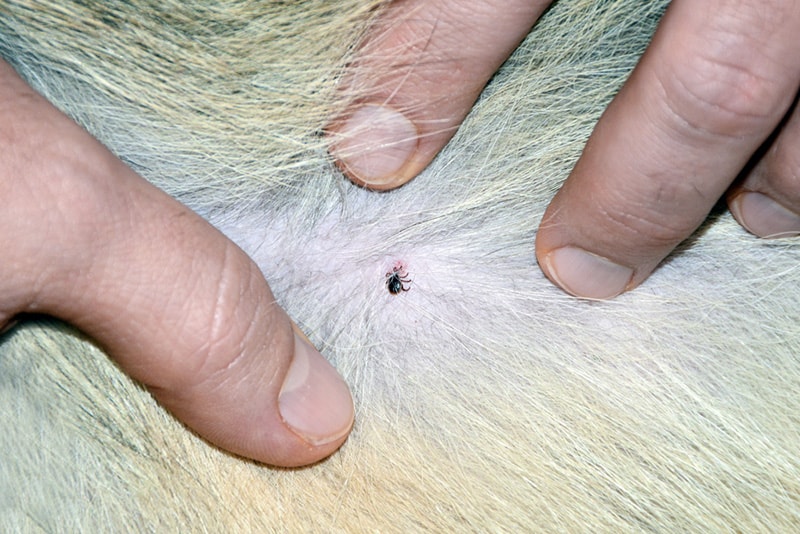
If your dog has a tick, it will be very easy to distinguish from a wart or a skin tag. Ticks are parasites with eight legs that attach themselves to a dog’s skin and feed on the blood. They have round or egg-shaped bodies and grow larger the more blood they consume. They are often brown, reddish, or black in color and you may see them crawling on the skin or coat.
It’s important to keep up with your dog’s regular tick treatments, as these parasites can spread diseases to dogs like Lyme disease. Speak to your vet if you’re unsure which tick treatment your dog should receive. If you spot any ticks on your dog, you can remove them with an inexpensive and easy-to-find tick remover.
What’s the Difference Between a Regular Wart and a Cancerous Wart?
Regular warts are small, round bumps on the skin, whereas cancerous warts are often larger, feel bumpier, and take on an unusual shape. They also tend to grow quickly and don’t go away on their own like warts often do. A cancerous lump can also change in terms of color and texture.
Can I Remove My Dog’s Skin Tag Myself?
Please never try to remove a dog’s skin tag, wart, or any kind of growth on the skin yourself, as this could be painful for your dog or even cause an infection. Removal procedures should only be carried out if necessary and only by a qualified veterinarian.
How Much Does It Cost to Remove a Wart?
Warts don’t always need to be removed—only if they’re causing your dog pain, discomfort, or any other problems. The cost for removal depends on the complexity of the procedure, how many warts need removing, and the vet clinic you go to, but it can cost anywhere between $150 and $1,000 to have a wart removed. Sometimes they are treated without surgery as well.
I’ve Found a Growth on My Dog, What Should I Do?
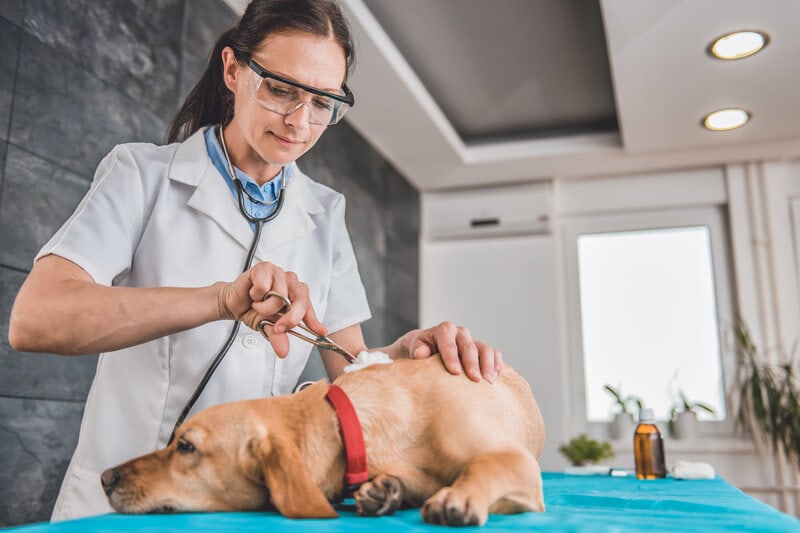
Finding a growth on your dog’s skin can be very scary and stressful. First of all, try to stay calm and remember that it may not be anything sinister at all. Skin tags and warts are fairly common in dogs and rarely cause long-term issues. Nevertheless, to put your mind at ease and rule out more serious conditions, you should get the new growth checked out by a vet.
Unless you’re a vet yourself, it can be quite difficult to identify different types of skin growths as they often look quite similar, so getting a vet’s input is always the best way to go.
Conclusion
To recap, skin tags and warts are both typically small growths on the skin, but the difference in appearance is quite clear if you look closely. While warts are usually round, raised bumps (though there can be different kinds) and have a noticeably darker or lighter tone, skin tags are often longer, stick out more, and remain the same color as the skin.
If you are concerned about any new growths or anything unusual about your dog’s skin, please get in touch with your vet to find out what’s going on.
Featured Image Credit: (L) yorkie-corgi, Shutterstock | (R) AT Bea, Shutterstock
Get Hepper In Your Inbox


Pet care tips from our vets and experts, straight to your inbox.
You may opt-out at any time. View our Privacy Policy for more information.
Kit Copson is a freelance writer and lifelong animal lover with a strong interest in animal care. She has parented various furry beings over the years and is currently a proud cat mom of two—one skittish but adorable Domestic Shorthair and very chilled (unless hungry) Siamese and a —and dog mom of one—an adopted Bichon Poodle cross. When not writing about or spending time with pets, Kit can be found doodling in her sketchpad, reading, or more often than not, drinking tea.
Join the conversation
Ask a question, share your story, or send private feedback.