Hepper is reader-supported. When you buy via links on our site, we may earn an affiliate commission at no cost to you. Learn more.
What Do Skin Tags Look Like on Dogs? Vet Approved Facts & FAQ


In this article
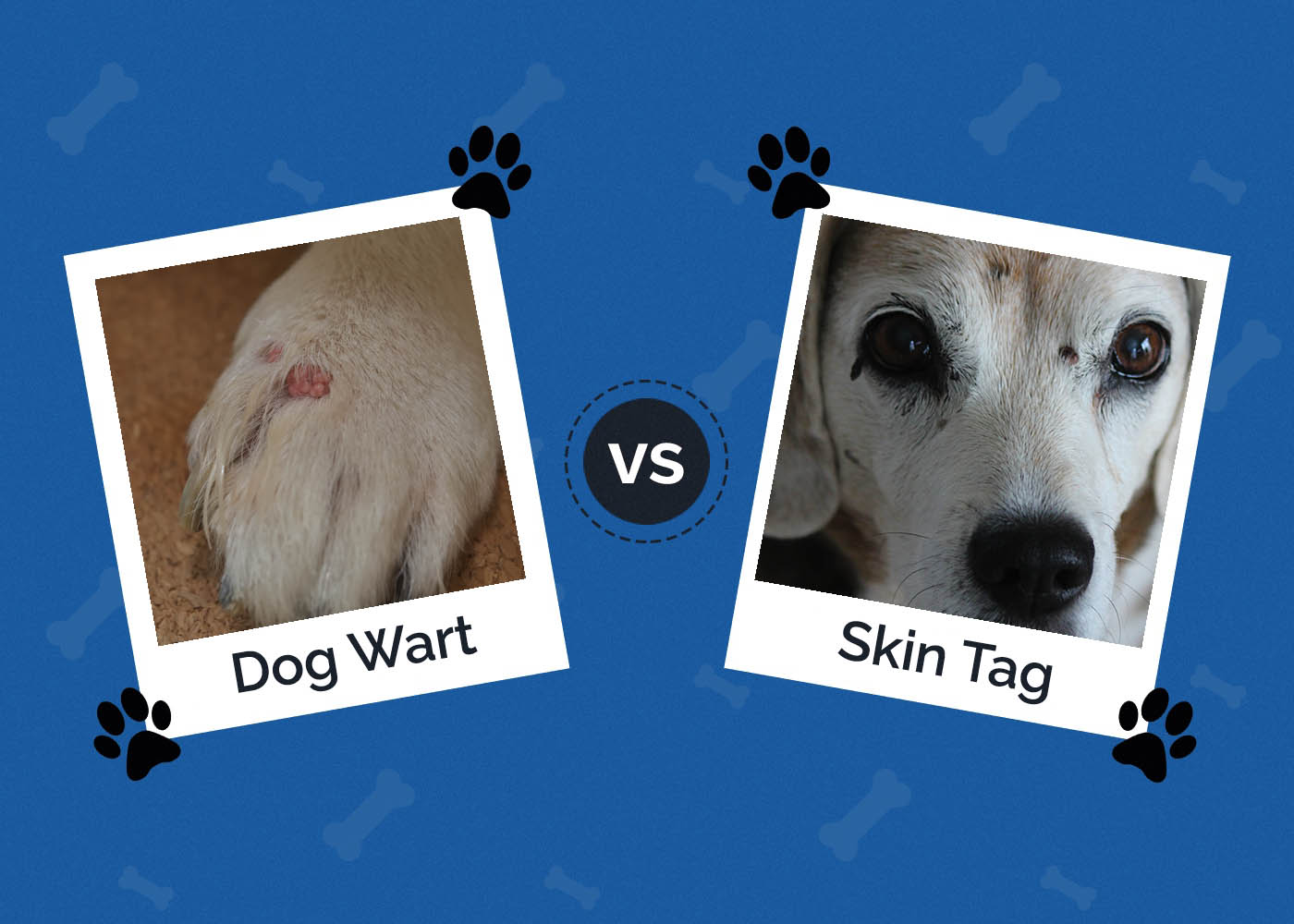
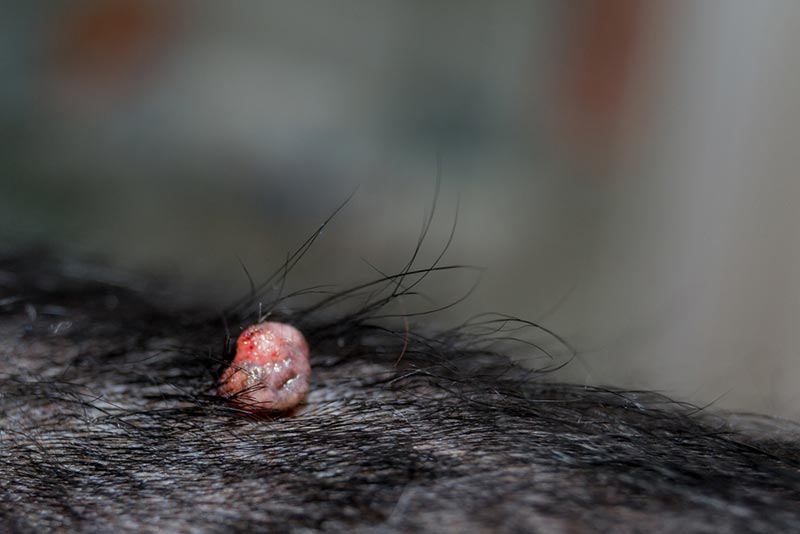
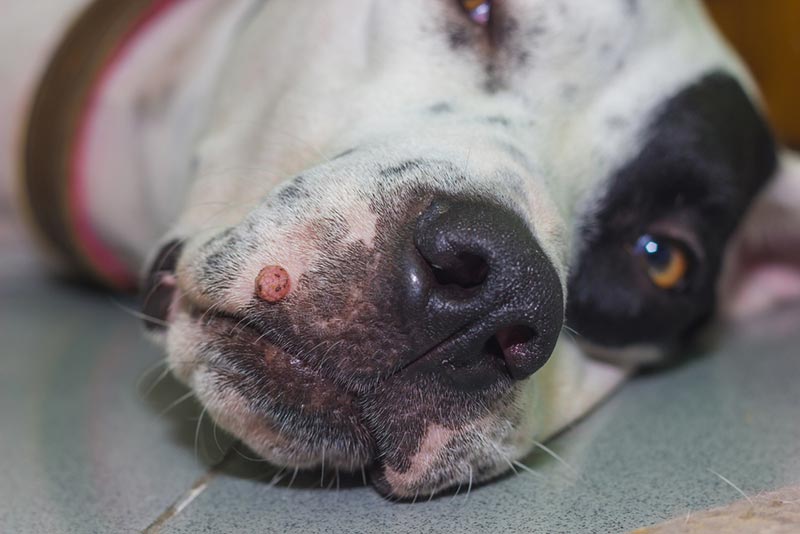
A skin tag is a growth that occurs on your pet’s skin. In many cases, there is no universal appearance for them, as it can vary from dog to dog. Many skin tags may look like ticks, for instance (except they will have no legs—that’s how you tell the difference).
Generally, skin tags look just like you’d imagine them. They appear to be pieces of skin that are growing off of your dog’s skin. They’re typically a bit “flappier” than a mole and aren’t quite as attached.
Most skin tags are absolutely harmless. However, they can be cancerous in some situations. Treatment is not always needed. However, you still usually need to speak with your vet about the possibility of it being a cancerous growth.

What Are Skin Tags?
Skin tags are simply growths on the surface of your pet’s skin. They are referred to under many different names, including fibroepithelial polyps and acrochordons. Usually, they are the same color as your dog’s skin, but they can sometimes be darker.
Usually, they are flat and connected by only a small amount of tissue. This feature is what makes them tags and not moles or warts. They look very similar to a clothing tag (though much smaller, usually).
Most dogs get skin tags at some point in their life, as do most people. However, most of them are completely harmless and don’t need any treatment.
What Causes Skin Tags?
Most of the time, we won’t know exactly what caused your dog’s skin tag. Usually, an underlying cause is not known or sought—as most skin tags are completely harmless. However, there are several potential explanations for why these small growths occur.
Treating Skin Tags in Dogs
Luckily, most skin tags do not need to be treated. Usually, a vet can look at a skin tag and determine that it is benign. Occasionally, a biopsy may be needed to ensure that the skin tag isn’t cancerous. If it is, your dog will likely need to be treated for cancer and the whole tag removed.
However, this is rarely the case. Most skin tags are harmless and left alone. As long as it isn’t causing your dog any problems, you can go about your life without worrying about it.
With that said, if the skin tag is extremely large or causes discomfort, the vet may recommend removal. In this case, your dog may need to go under a general anesthetic to keep them calm during the procedure. Some dogs may be calmed with medication—not general anesthesia. It depends on your canine and the location of the tag.
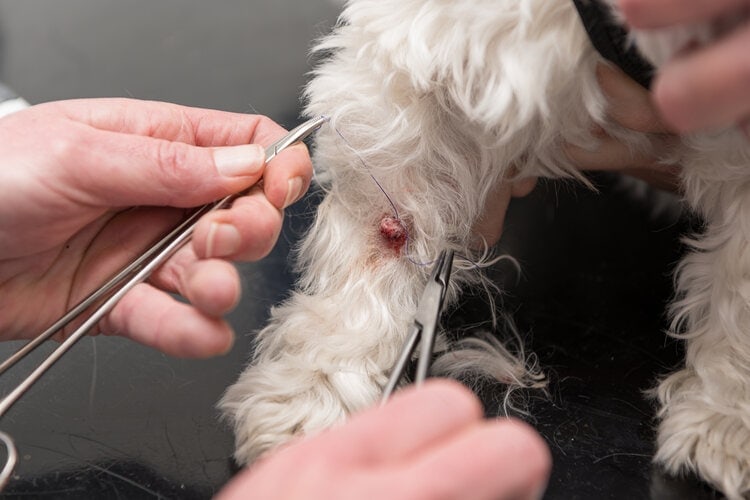
Often, the vet will simply tie it off or clip the skin tag away with surgical scissors. The resulting wound is usually very small and unnoticeable. In the case of very large skin tags, stitches may be required, though.
Rarely, cryotherapy may be recommended. Basically, this is where the skin tag is frozen off. It is similar to wart removal.
In Conclusion
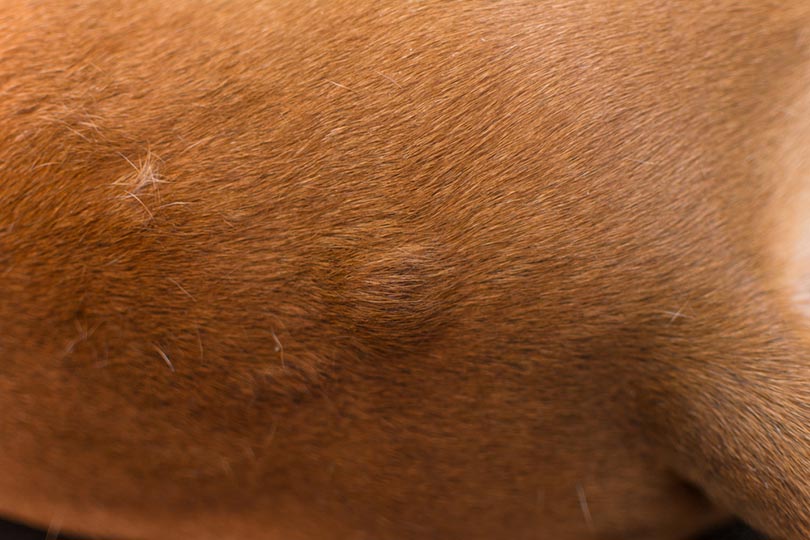
Skin tags can be difficult to visibly notice due to all of our dog’s fur. Usually, owners feel them first and then get a closer look. However, even then, it can be difficult to figure out exactly what a skin tag is.
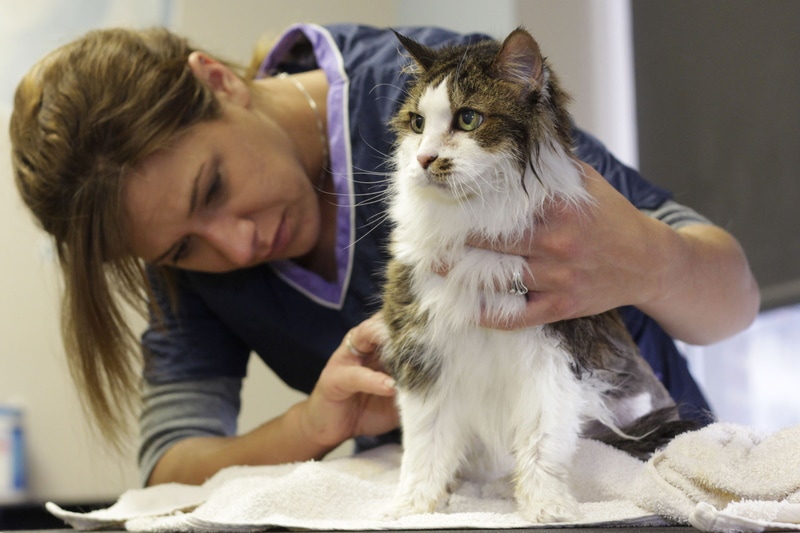
Luckily, vets are trained to recognize skin tags and determine if they are harmful or not. Therefore, if you think your dog has a skin tag, it is best to contact your vet for an appointment. It is vital that it gets checked to ensure that it is not cancerous, which requires prompt treatment.
Usually, though, skin tags can be left alone. They only need to be removed if they are causing your dog pain or discomfort. Usually, this involves putting your dog under a general anesthetic and cutting the tag off. It is a nearly painless and very simple procedure. Most dogs do not even need stitches.
Related Reads:
Sources
Featured Photo Credit: Parichart Patricia Wong, Shutterstock
Get Hepper In Your Inbox


Pet care tips from our vets and experts, straight to your inbox.
You may opt-out at any time. View our Privacy Policy for more information.
Kristin is passionate about helping pet parents create a fulfilling life with their pets by informing them on the latest scientific research and helping them choose the best products for their pets. She currently resides in Tennessee with four dogs, three cats, two fish, and a lizard, though she has dreams of owning chickens one-day!
Join the conversation
Ask a question, share your story, or send private feedback.