Hepper is reader-supported. When you buy via links on our site, we may earn an affiliate commission at no cost to you. Learn more.
Skin Tag on Dog: Vet-Verified Facts, Causes & Diagnosis



In this article
Dogs often experience various skin conditions that can leave pet owners puzzled and concerned. One such condition is the development of skin tags. While these small growths are generally harmless, understanding their causes, characteristics, and appropriate management is crucial for ensuring the well-being of your pet. If you notice skin tags developing on your dog, keep reading as we explain what they are, what causes them, and what you can do about them.

What Are Skin Tags?

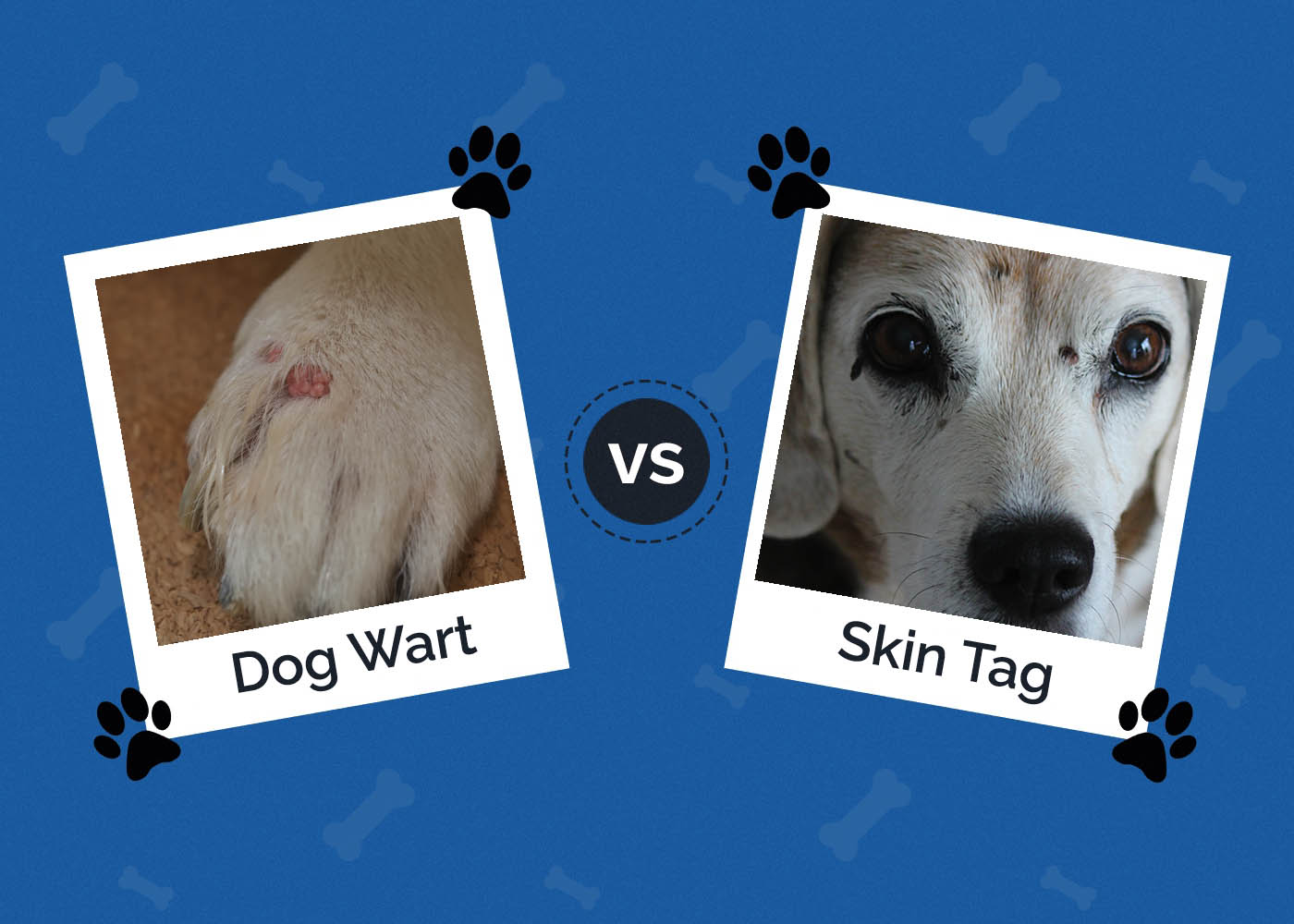
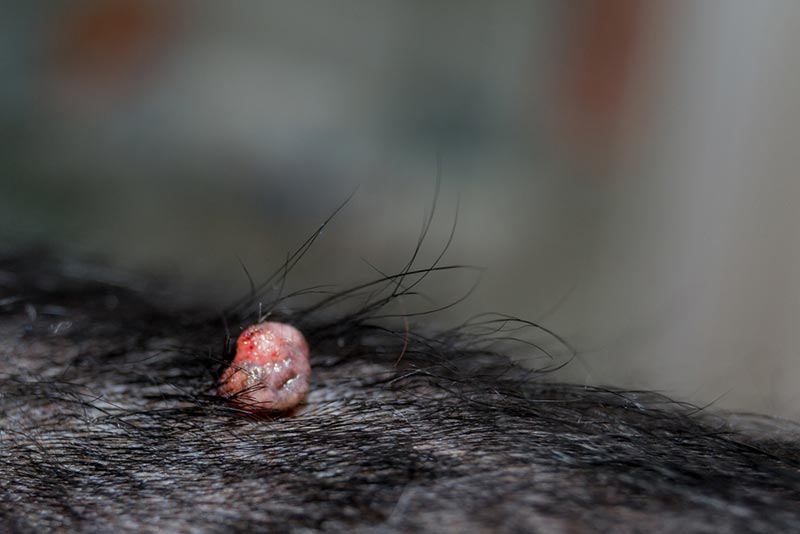
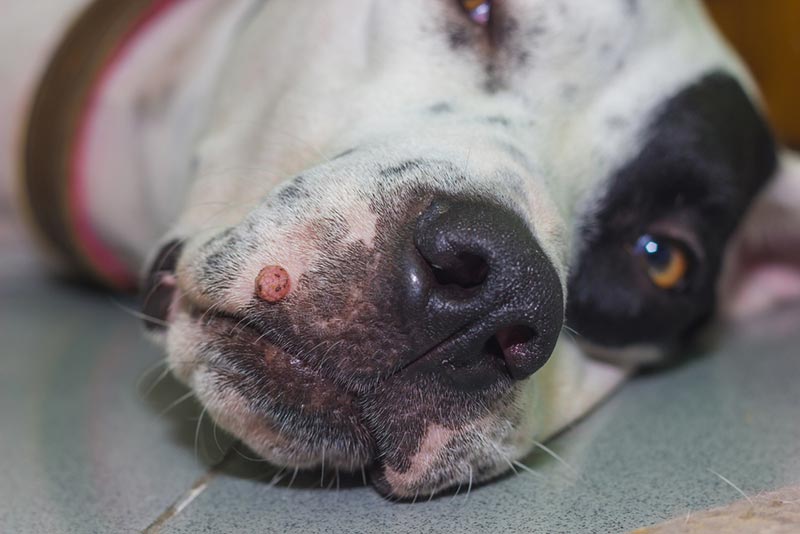
Skin tags on dogs are growths that typically appear as small, soft, hanging pieces of skin. These are often connected to the surrounding skin by a thin stalk, or peduncle. While they are generally harmless and painless, they can vary in size and may be mistaken for other types of skin abnormalities.
- Appearance: Skin tags are usually flesh colored and can range in size from a few millimeters to a centimeter or more, with a smooth or wrinkled surface.
- Location: Skin tags can develop in various locations on a dog’s body, including the neck, chest, underarms, groin, and around the eyes and mouth. However, they can occur anywhere on the body.
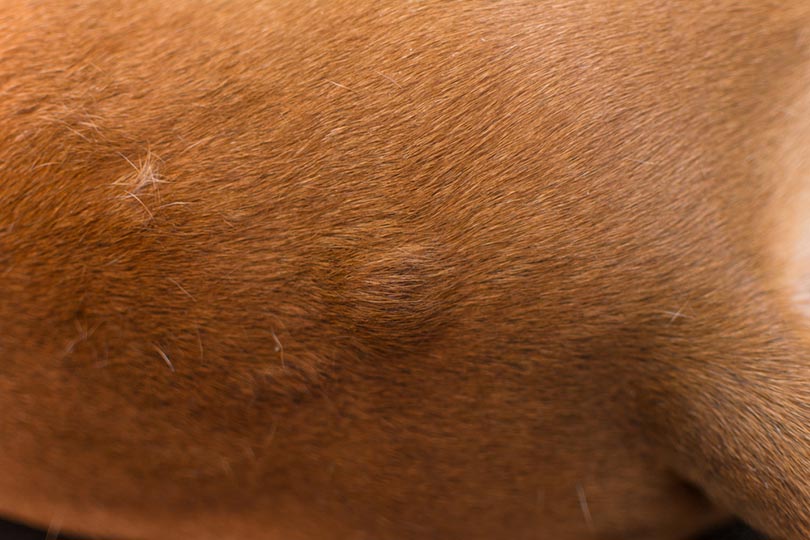
- Texture: These growths are typically soft and pliable to the touch. Unlike more concerning lumps or masses, skin tags are usually movable and don’t feel attached to deeper tissues.
- Number: Dogs can have one or multiple skin tags. It’s common for older dogs to develop these growths as they age.
What Are the Signs of Skin Tags?
- Slow Growth: Skin tags typically grow slowly over time. If you notice one having a sudden, rapid increase in size or change in color or texture, it’s advisable to consult with a veterinarian.
- No Discomfort: Skin tags are usually painless and don’t cause discomfort to the dog. If you observe signs of itching, redness, or swelling or if your dog seems bothered by a particular area, it may not be a simple skin tag, and a vet should evaluate the situation.
- No Hair Loss: Skin tags are generally not associated with hair loss in the surrounding area. If you observe bald patches or notice changes in the coat around a growth, it might indicate a different skin issue.
- Uniform Color: Skin tags typically have a consistent color, often matching the dog’s skin tone. If you observe variations in color, such as redness or dark pigmentation, it could be another type of skin condition.
- Mobility: Skin tags are usually mobile and can be gently moved or manipulated. If a growth appears firmly attached to underlying tissues or doesn’t move easily, it might be something other than a skin tag.

What Are the Causes of Skin Tags?
The exact causes of skin tags in dogs are not always clear, but several factors may contribute to their development.
Age and Breed
While skin tags can develop in dogs of any age and breed, they are more common in older dogs. Certain breeds, like Boxer, Beagle, and Cocker Spaniel, may also be predisposed to developing skin tags.
Friction or Irritation
Areas of the skin that experience friction or irritation, like skin folds, may be more prone to developing skin tags.
Obesity

Overweight dogs may be more susceptible to skin tags, especially in areas where there is skin-to-skin contact or increased friction.
Virus
In some cases, papillomavirus, which usually leads to warts, can cause a cluster of skin tags.

How Do I Care For a Dog With Skin Tags?
- Routinely inspect your dog’s skin during grooming sessions. Look for any new growths, changes in existing skin tags, or signs of irritation.
- Be gentle when grooming around areas with skin tags to avoid causing any discomfort to your dog. Use a soft brush to keep your dog’s coat clean and free from mats or tangles, which can sometimes occur around skin tags.
- Be mindful of your dog’s environment to minimize friction or irritation in areas prone to skin tags.
- If your dog is overweight, work with your veterinarian to establish a healthy diet and exercise routine. Maintaining a healthy weight can reduce the risk of skin issues, including skin tags.
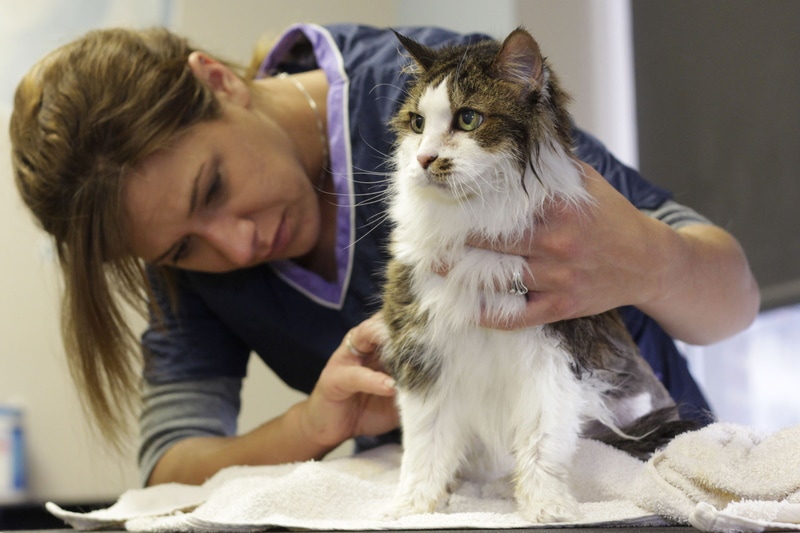
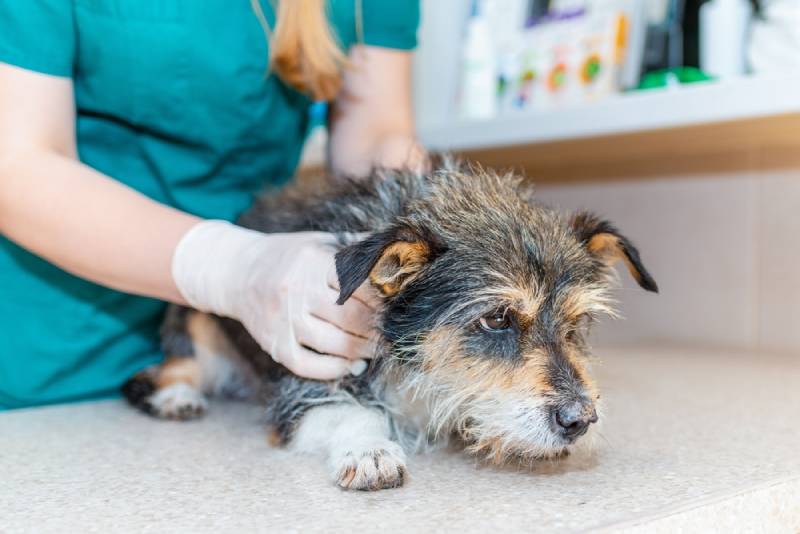
- Consult with a veterinarian if you notice any changes in the appearance of skin tags, the development of new growths, or that your dog seems uncomfortable.
- In some cases, a veterinarian may recommend removing skin tags, especially if they are causing discomfort, they are at risk of becoming irritated, or their appearance is a concern. Removal methods may include surgical excision, cryotherapy (freezing), or electrocautery.

Frequently Asked Questions
Can I Remove My Dog’s Skin Tags at Home?
Never attempt to remove your dog’s skin tags at home. Improper removal can lead to infection or other complications. Instead, consult with a veterinarian for professional advice and potential removal procedures.
Can Skin Tags on Dogs Be Prevented?
While it may not be possible to prevent skin tags entirely, maintaining your dog’s overall health through a balanced diet, regular exercise, and appropriate grooming practices may contribute to skin health.

Do Skin Tags on Dogs Ever Go Away on Their Own?
Skin tags are generally persistent and do not disappear on their own. If you’re unsure about growth, it’s advisable to consult with a veterinarian for a proper diagnosis.
Conclusion
If you have found one or more skin tags on your pet, there is generally no need for concern, as most are benign and present no danger to your pet. No one is sure why they appear, but most show up in areas where there is a great deal of friction, so reducing friction by providing a soft bed and other comforts might help. Keeping your pet from becoming overweight can also be helpful, as heavier dogs tend to lie around more, and additional friction can occur in the folds of skin.
However, if you notice that they are growing suddenly or appear inflamed or irritated, it’s time to call the vet.
Sources
https://www.petmd.com/dog/conditions/skin/skin-tags-dogs
https://www.hillspet.com/dog-care/healthcare/dog-skin-tags?lightboxfired=true
Featured Image Credit: Witthawat, Shutterstock
Get Hepper In Your Inbox


Pet care tips from our vets and experts, straight to your inbox.
You may opt-out at any time. View our Privacy Policy for more information.
Ed Malaker is a veteran writer who has contributed to a wide range of blogs that cover pets, tools, guitars, fitness, and computer programming. When he’s not writing, Ed is usually performing DIY projects around the house or working in the garden. He’s also a musician and spends a lot of time helping people fix their guitars and composing music for independent films.
Join the conversation
Ask a question, share your story, or send private feedback.