Hepper is reader-supported. When you buy via links on our site, we may earn an affiliate commission at no cost to you. Learn more.
How to Remove Candle Wax from Dog Fur (Safe, Quick & Easy)
In this article
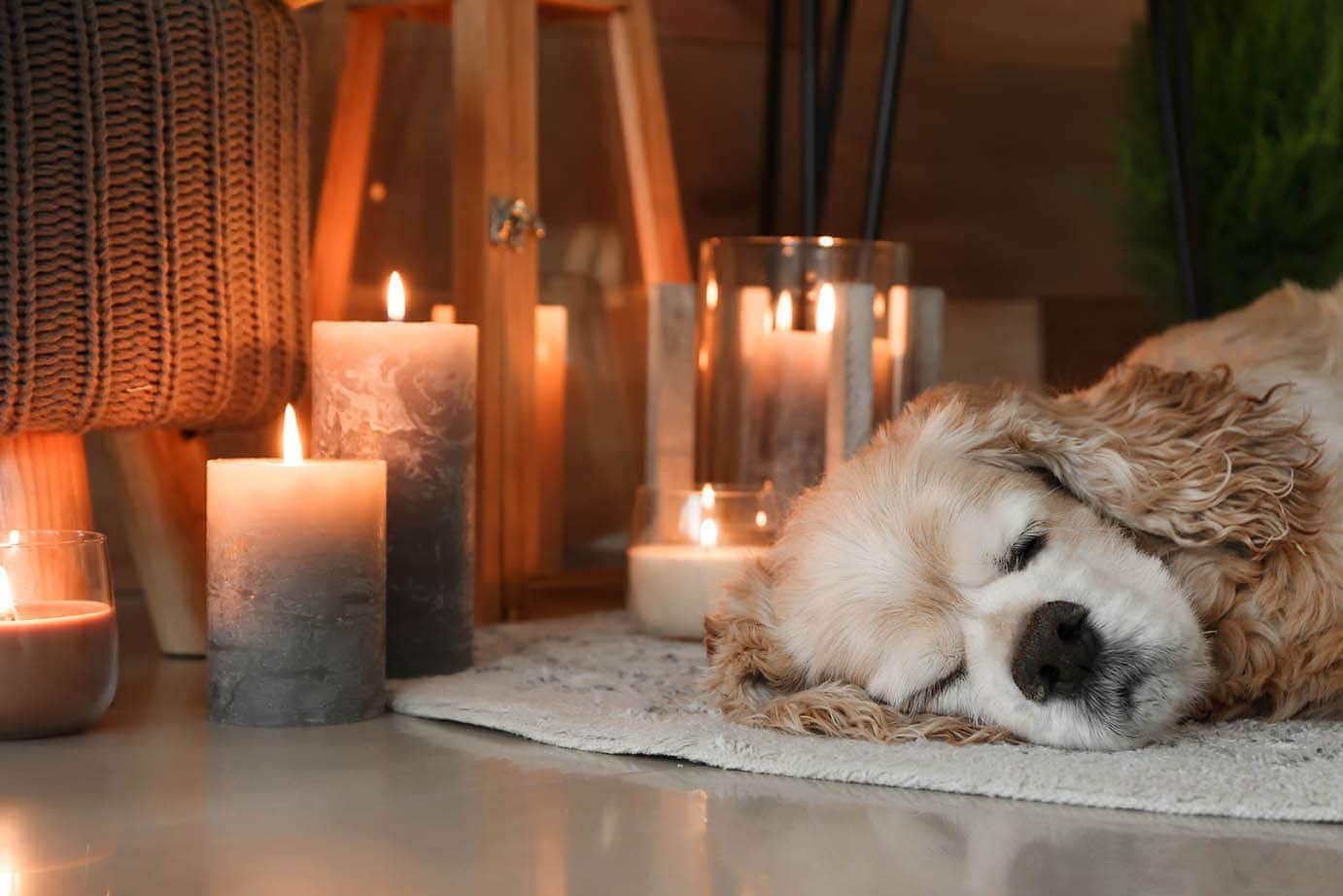
There are few situations where your dog may get candle wax on its fur. However, we all know how dogs are. Anything is possible when you let a dog in the same room with a candle!
In general, candle wax is quite challenging to remove from anything. When you throw a wiggly dog into the mix, things can get even more complicated. It can be challenging to remove candle wax from dog fur, especially if you go about it the wrong way.
This article will reveal a few steps and tips that can make the whole process more straightforward. It's vital to note that dogs have different fur types. It may be relatively easy to remove wax from a dog with fur on the oilier side, however, if your dog’s fur is dry, it can be rather tricky.
Still, the necessary steps and processes are the same.

How to Get Wax Out of Dog Hair
1. Gather Everything You Need
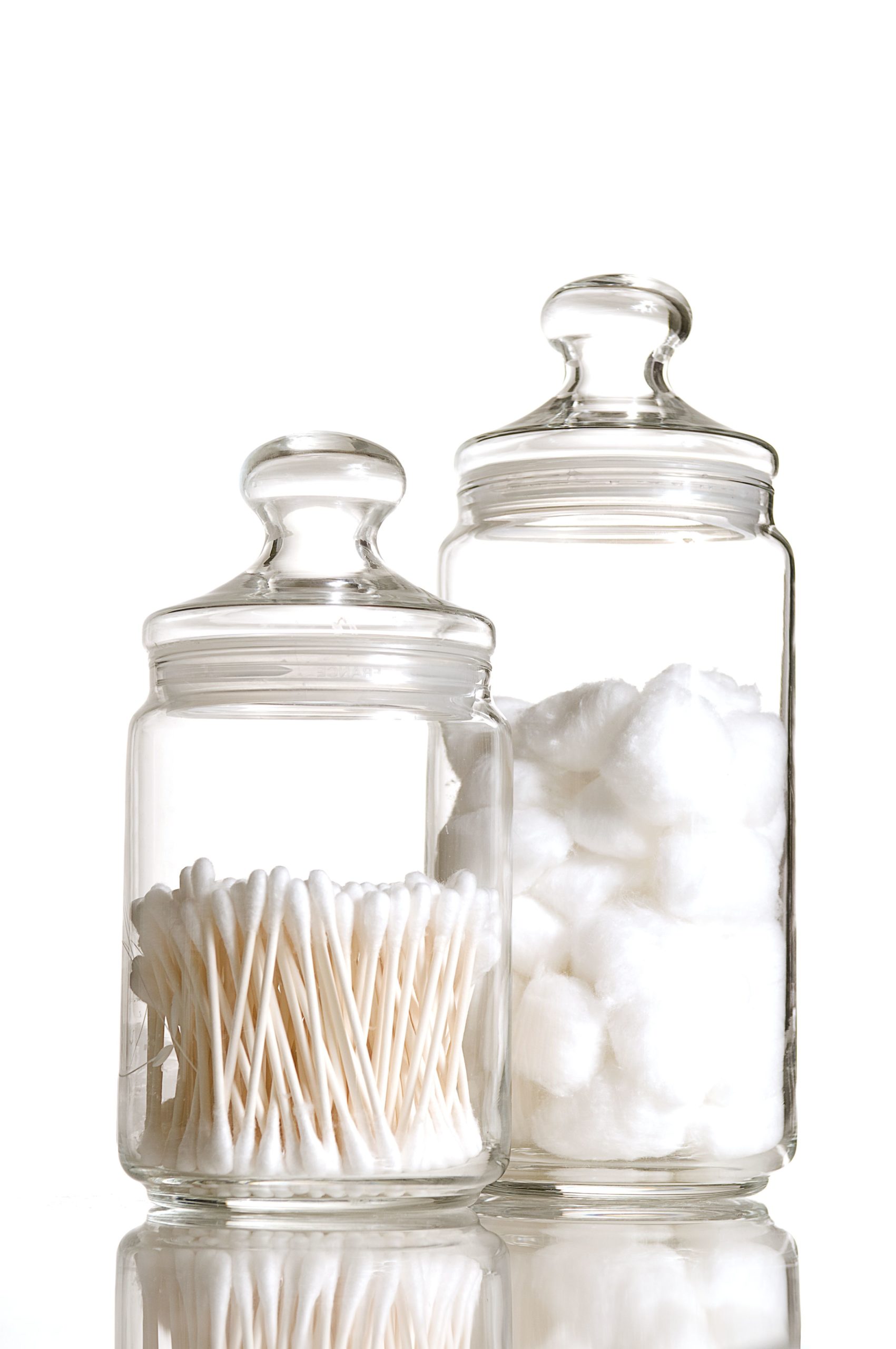
There are a few things you’ll need to make this process as quick and painless as possible. Firstly, you’ll need some oil. Mineral or baby oil works the best. However, you can also use oils you have around your kitchen as well. The oil helps loosen up the wax, so it is a must-have item. Then, you will need something to put the oil on. Cotton balls work, but you can use paper towels or a washcloth if that’s all you have available.
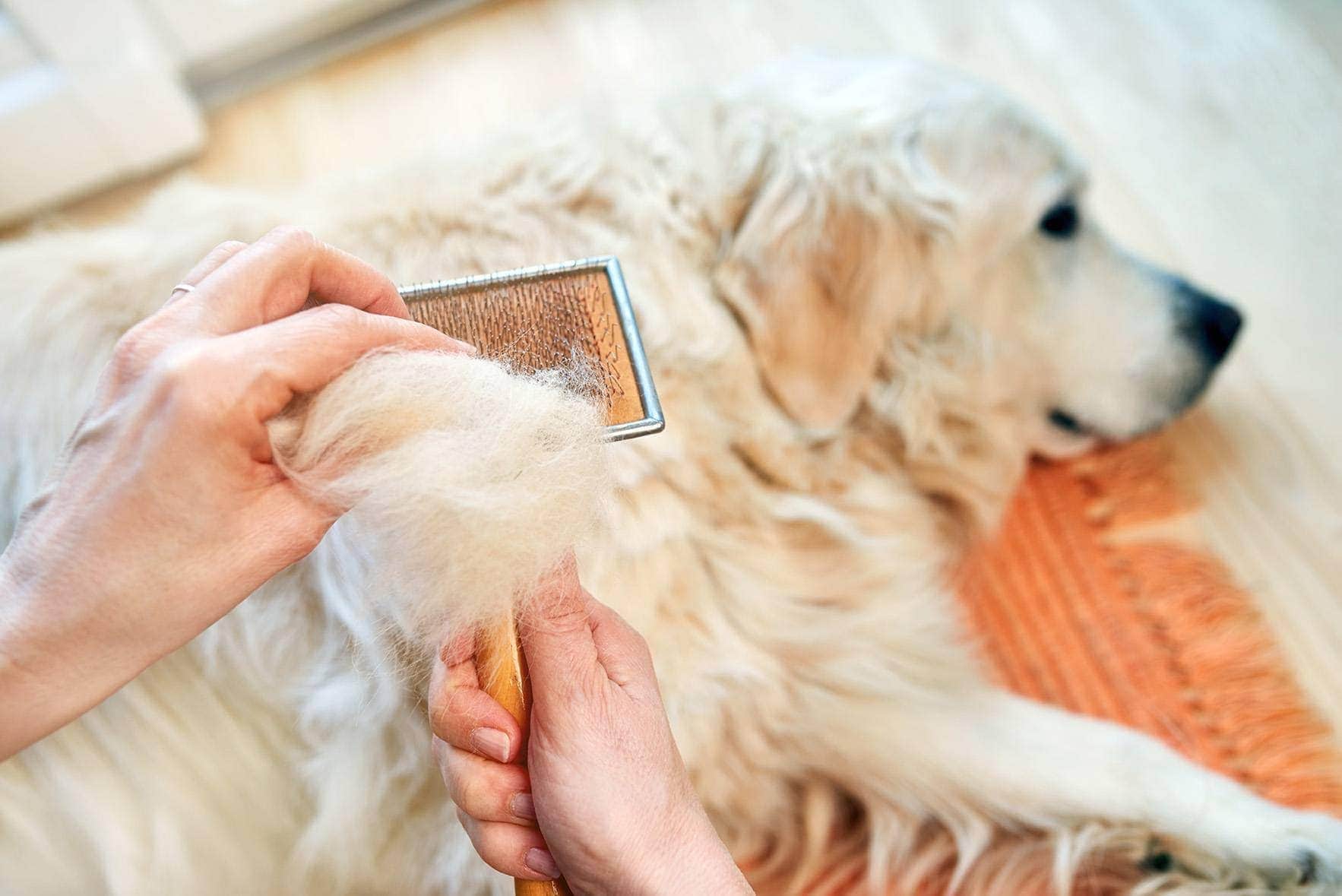
Next, grab your dog’s regular grooming items. Wide-tooth combs or hairbrushes are the best. However, if you don’t have those, grab whatever brushes you do have. Dog shampoo will also be used, but you can keep that near the bathtub for later.
2. Make Your Dog Comfortable
The hardest part of removing wax from your pet’s fur is to keep the dog still enough to get it all out. This process can be a bit time-consuming, which can be a problem when you have a hyperactive dog. Therefore, your next step should be to make your dog comfortable. You can lay your dog in your lap or place them on a table—if they’ll be comfortable there. If your dog likes to lay somewhere in particular, now would be an excellent time to take them to that spot.
You may want to grab a bone or another long-lasting chew to keep your pet entertained while you get to work. If your dog likes to chew on a particular treat for an extended period, now is the time to get them one.
Ensure you bring all of your supplies with you—except for the shampoo, as you won’t be using that until later.
3. Apply the Oil
Once your dog is comfortable and distracted, apply the oil to the affected part of their fur. If the oil is the spray-on kind, you can spray it directly onto your canine. If it isn’t, put it in a bowl and dip the cotton balls or paper towels into it. Rub the cotton ball over the affected area as many times as you need to. You should liberally apply the oil. You really can’t put on too much in this circumstance.
You don’t want to massage the oil into your dog’s skin, so use a small amount of pressure. If the wax is clumped up, massage the ball to help the oil penetrate. The hair and wax should be thoroughly dampened with the oil before you continue.

4. Start Combing
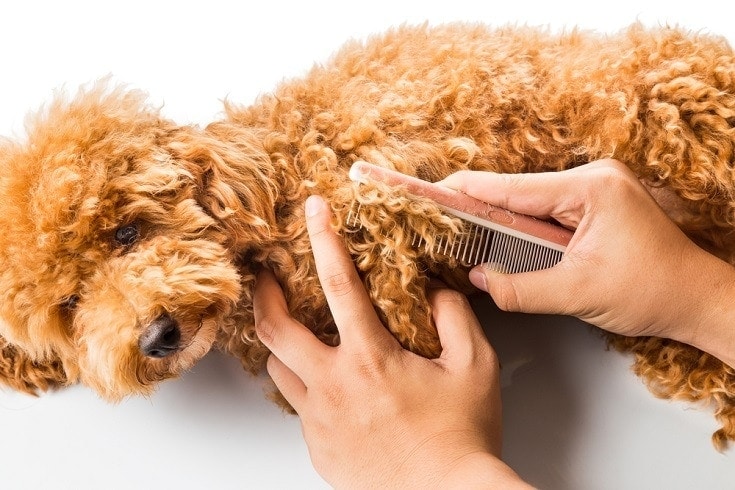
The oil should help the wax slide off the dog’s hair, making it much easier to remove. Once it is saturated, you can start combing to remove the wax from your dog’s fur. This process can take a long time, so patience is vital. You may have to give your dog a break in the middle. If you do, ensure that they are not licking the spot where the wax is. You don’t want them ingesting it or the oil still on their fur.
A wide-toothed comb is preferable for this process, as it allows the hair to pass through easily while removing much of the wax. The oil should loosen the wax, which will allow it to slide off of the hair effortlessly. However, the wax will likely break into small pieces, which means you will have to brush for quite a while to remove all of it.
Keep brushing until the wax is out. This is a relatively simple step, but it will likely take the longest.
5. Give Your Dog a Bath
Now that the wax has been removed, you’ll need to remove the oil. This can be done quickly with a bath, though you may have to wash your canine multiple times. The bath can also help remove small amounts of oil that you may have missed.
Most dog shampoos should work on the oil just fine. If they do not, you may need one explicitly formulated for oily fur since that is essentially what your dog has now.
If your dog typically has sensitive skin, their skin will probably be even more sensitive now. For this reason, we recommend using a shampoo designed for sensitive skin. There are many options on the market, and we have put together a list of our favorites here. Many are full of oatmeal to help relieve inflammation on your pet’s skin and contain a unique blend of aloe, chamomile, and sweet almond oil.

6. Prevent It from Happening Again
Now that you’ve cleaned your dog up, it is important to prevent it from happening again. If your dog knocked over the candle, consider placing it up higher. If it was a once-in-a-lifetime accident, you might not need to do much to prevent it in the future.
Either way, getting candle wax off from your dog's fur can be difficult and time-consuming. Prevention is the best medicine in this case.

FAQs: How to Get Wax Out of Fur
Is candle wax toxic to dogs?
Candle wax is typically made of paraffin, beeswax, and soy. None of these things are poisonous to canines and can be consumed without issue in small amounts. They can be softened by the digestive tract and usually do not create any blockages unless your dog eats a lot of wax. However, some of the additives in candle wax can be toxic.
It is often better to be safe than sorry unless you have a copy of the candle’s exact ingredients. Even if the candle contains a toxic ingredient, it likely won’t be concentrated enough to harm your dog unless they are smaller.
If they end up digesting a little bit through grooming, they will likely be fine.

Does vinegar remove candle wax?
Vinegar helps remove candle wax from textiles. However, vinegar isn’t always safe for our pet’s skin. For this reason, it is typically better to use oil. Oils shouldn’t be used on some textiles, like couches, as you’ll likely never be able to get them out. But, with a quick bath, you can remove candle oil from your canine’s fur with significant ease.
What candle scents are toxic to dogs?
There are a few candle scents that are very dangerous for canines. These include pine, wintergreen, cinnamon, citrus, peppermint, camphor, clove, bitter almond, garlic, horseradish, mustard, and pennyroyal. If your dog has one of these waxes on its skin, you should not let them consume it at all. It may also be dangerous if it stays on their skin for too long, so you should aim to remove it as quickly as possible.
This may be one of the situations where it may be necessary to trim your pet’s fur to remove as much wax as possible. Trimming is much faster and can prevent the essential oils from soaking through your pet’s skin.
Conclusion
The best method of removing candle wax from your dog's coat will be using oil of some kind. This helps soften the wax and remove it with relative ease. Then, all that's left is to give your pooch a good bathe afterward, and of course, do your best to make sure it doesn't happen again!
Featured Image Credit: Aquarius Studio, Shutterstock
Get Hepper In Your Inbox


Pet care tips from our vets and experts, straight to your inbox.
You may opt-out at any time. View our Privacy Policy for more information.

Kristin is passionate about helping pet parents create a fulfilling life with their pets by informing them on the latest scientific research and helping them choose the best products for their pets. She currently resides in Tennessee with four dogs, three cats, two fish, and a lizard, though she has dreams of owning chickens one-day!
Join the conversation
Ask a question, share your story, or send private feedback.