Hepper is reader-supported. When you buy via links on our site, we may earn an affiliate commission at no cost to you. Learn more.
Can You Catch a Cold from Your Cat? Vet Approved Facts


In this article
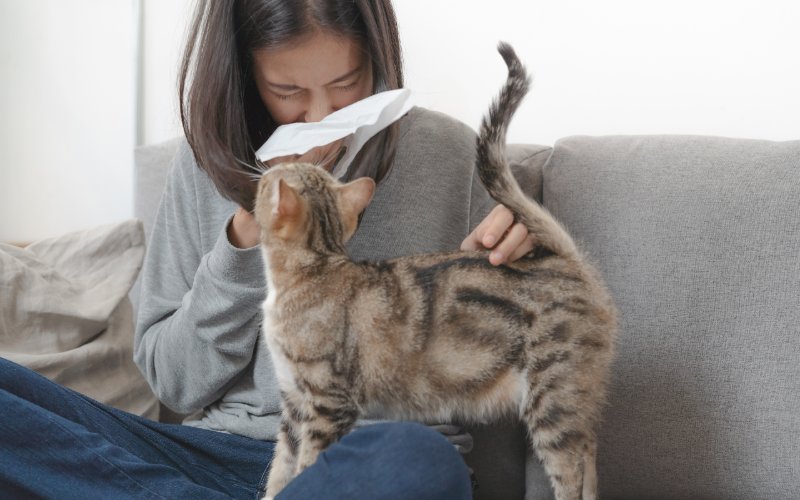
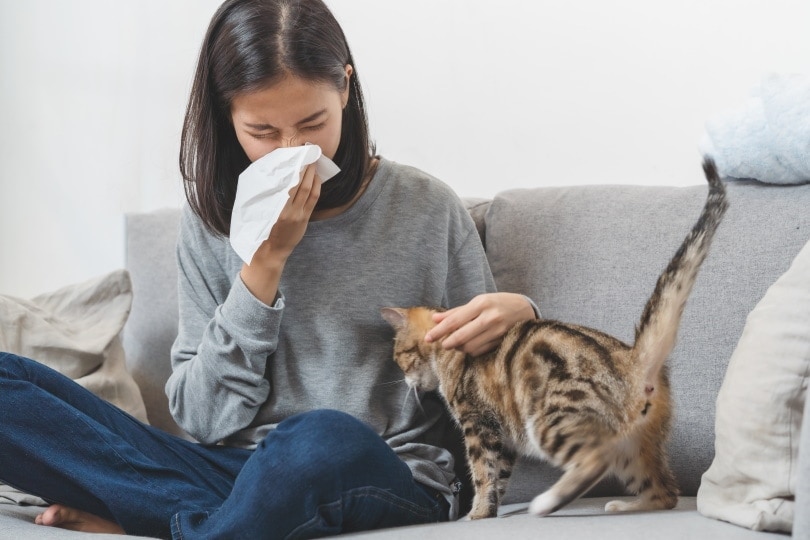
Your cat sneezed a minute ago, and your nose is feeling itchy. Oh no, you may be thinking, have I caught my cat’s cold? There is no need to fear; the viruses that give your cat a cold are not the same ones that give you a cold. That means that if you or your furry friend are feeling under the weather with a cold, you won’t be passing it to each other. That’s great! That means you’re in the clear, right? Well, not exactly.
Although you can’t catch your cat’s cold, there are things you can catch from your cat. To learn more about what your cat could pass to you as well as how to prevent it, keep reading below.

Which Diseases Can Pass from Cats to Humans?
Your cat’s cold should not spread to you, but something else might. Diseases that can pass between vertebrae animals (such as your pet) and yourself are called zoonoses.
Zoonoses make up a large portion of the diseases that affect humans today, as over 200 different kinds are currently known. One of the reasons that they're so prevalent is due to humanity’s close relationship with animals, whether our pets, our livestock, or our wild neighbors.
Zoonoses are serious diseases. Some can be passed to humans and then mutate into human-exclusive illnesses, others can lead to repeating outbreaks, and some can even cause pandemics.
For a list of total zoonoses, take a look at the Merck Veterinary Manual’s list.1

How to Prevent or Control Zoonotic Diseases
Methods for preventing and controlling a zoonosis will rely heavily on the specific disease. Still, certain practices are regarded as being effective for the prevention of most zoonoses. Safety guidelines for livestock can help to minimize the potential for foodborne zoonotic outbreaks via meat, dairy, and eggs.
Waste removal and drinking water must be heavily monitored. Likewise, protecting bodies of water in the natural environment is a good way to reduce the spread of zoonoses. Proper hygiene is also an effective combatant against zoonotic diseases, especially after a person has been in contact with animals.
Who Is at Risk of Catching Zoonotic Diseases?
Technically, anyone can catch a zoonotic disease due to humanity’s frequent contact with animals. Whether or not you have a pet, you are likely in regular contact with animals, people who own animals, animal products, or people who consume animal products.
People working in a marketplace or an agricultural business may be at higher risk due to their more frequent exposure to animals and animal by-products. Likewise, those who live in rural areas or otherwise have more contact with wild animals may be at higher risk.
How to Avoid Catching an Illness from Your Cat
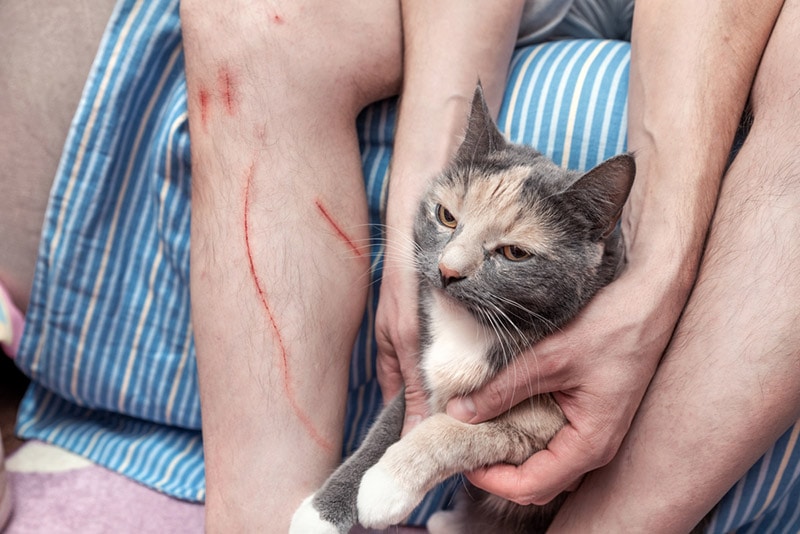
First, be aware of which diseases or infections your cat can pass to you. Some notable illnesses that can be transmitted from your cat to you include rabies, roundworm, ringworm, hookworm, giardiasis, salmonellosis, cat scratch disease, toxoplasmosis, and cat tapeworm.
It is also essential to be aware that cats may not always show symptoms of the disease when infected, so practicing good hygiene is a must. Thorough handwashing is necessary for anyone in the household who has handled cat or cat feces, especially before preparing food or eating. Likewise, disinfecting countertops before preparing meals is important, even if you think your cat has not been on the countertops recently.
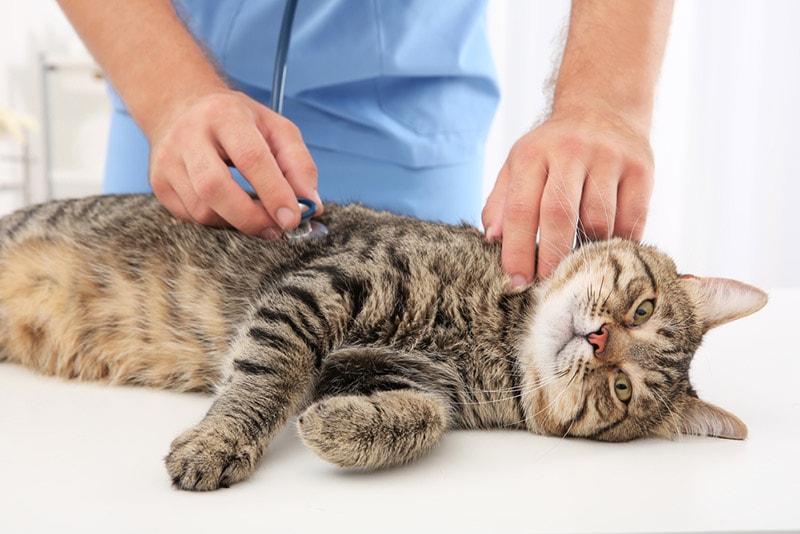
Do not allow your cat to drink toilet water or consume wild prey. This could give them an infection that they could pass to you. You can also schedule regular veterinary visits to ensure your cat is as healthy as possible. A routine exam will determine whether your cat carries any infectious diseases or parasites.
Signs of Upper Respiratory Infection in Cats
Even though your cat cannot pass a cold to you, it is still crucial to recognize the signs of an upper respiratory issue in your cat. We all want our cats to feel their best, after all!
Signs of an upper respiratory infection include most of your traditional cold-like symptoms: a runny nose, sneezing, coughing, and watery eyes. Other possible symptoms include ulcers in the mouth, nose, or eyes. Fever, lethargy, and loss of appetite may also occur.
Treating Upper Respiratory Infections in Cats
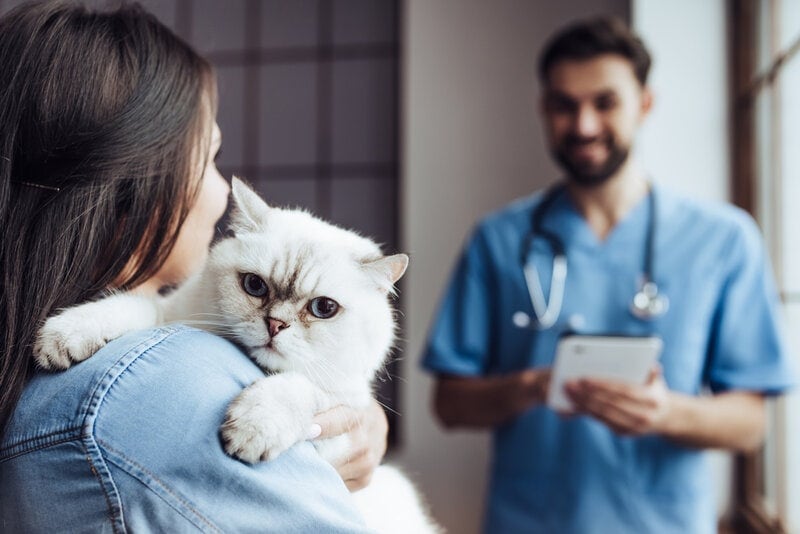
If you suspect your cat has developed an upper respiratory infection (or any infection, for that matter), you should first make an appointment with your veterinarian. The virus is not contagious to you, but it is contagious to other cats in your home. Even if you don’t have other cats in your home, there is always the risk of the infection progressing into something more severe without proper intervention.
Your veterinarian may prescribe medications to help alleviate some of the symptoms of your cat’s illness but don't give your cat any medication your vet has not already approved.
Final Thoughts
We hate to see our cats get sick. Thankfully, there are many instances where we cannot catch our cat’s illness, so we can focus entirely on caring for our pets until they feel better. However, there are some diseases that our cats can pass to us, and it's vital to consult your veterinarian to get the correct diagnosis and treatment plan.
Sources
Featured Image Credit: Pormezz, Shutterstock
Get Hepper In Your Inbox


Pet care tips from our vets and experts, straight to your inbox.
You may opt-out at any time. View our Privacy Policy for more information.
Pets are Jordyn’s passion, cats especially. Whenever she has the opportunity, she loves to learn about them and share her knowledge with everyone. She is devoted to her tabby cat named Jack and works hard to buy him his favorite treats and toys. Discovering new ways to better care for her pet is always on her to-do list, and she is eager to help pet parents everywhere who have similar pursuits. In her spare time, she loves to read, write, and take long walks. She has a creative spirit, which often helps her to come up with funny cat names.
Join the conversation
Ask a question, share your story, or send private feedback.