Hepper is reader-supported. When you buy via links on our site, we may earn an affiliate commission at no cost to you. Learn more.
How to Teach Your Dog to Play Nicely with Other Dogs in 10 Simple Steps


In this article
Dogs are social animals and love to play. Unfortunately, not all dogs know how to play nicely with others. This can lead to tension and fights between dogs. If you have a dog that doesn't know how to play well with others, don't worry! We're here to help.

Before We Begin
Before we begin, there are a few things you should keep in mind. First, it's important to remain calm and patient throughout the training process. Dogs can sense when their owners are tense or anxious, and this can make the situation worse. Second, be sure to have plenty of treats on hand to reward your dog for good behavior. Third, make sure there is at least one handler per dog. You might need an extra pair of hands to control the other dog. Never attempt to socialize two dogs all by yourself. Never attempt to try to socialize two dogs all by yourself. Finally, make sure you have a designated area to train in that is free of distractions.
Now that we've covered the basics, let's get started!

The 10 Simple Steps to Teach Your Dog to Play Nicely with Other Dogs
1. Have Your Dog Play with Other Dogs
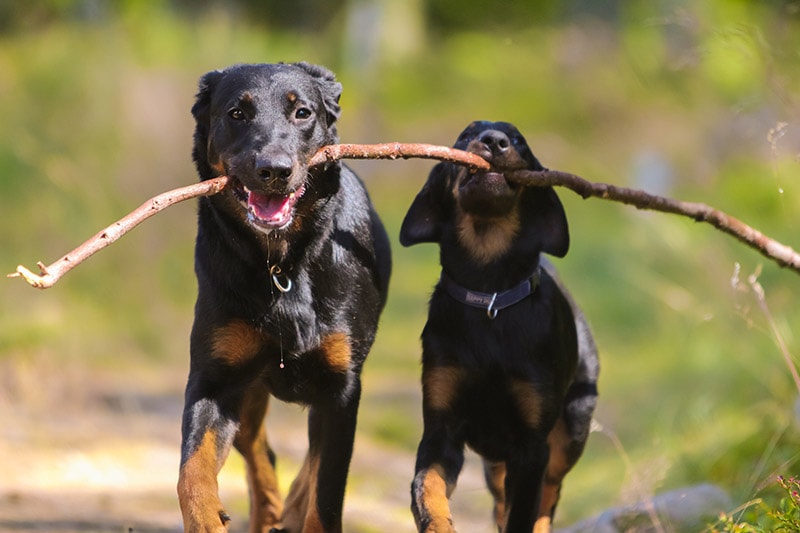
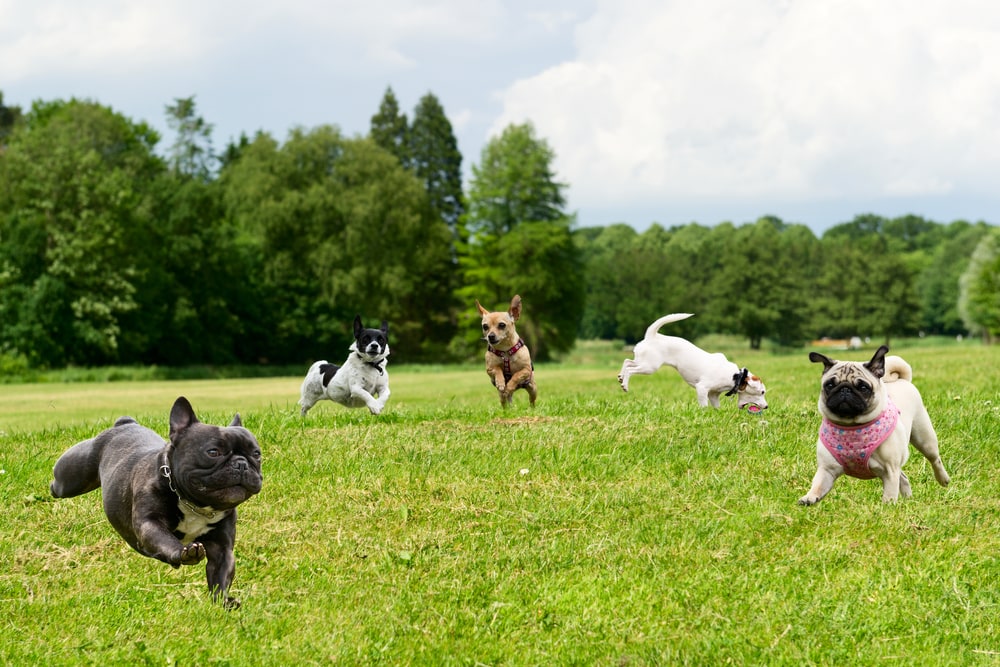
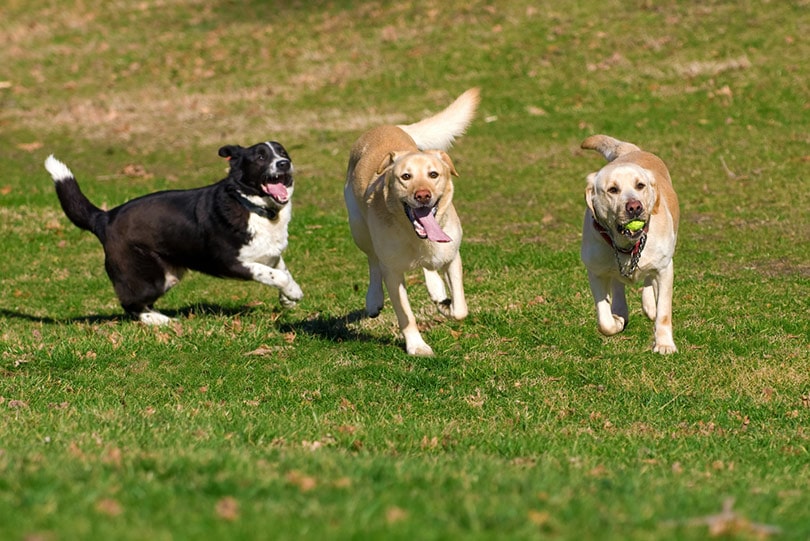
One of the best ways to get your dog comfortable around other dogs is to have him play with them. This can be done by taking your dog to a park or doggy daycare center where he can interact and play with other dogs in a safe and controlled environment.
2. Introduce Your Dog to Other Dogs Slowly
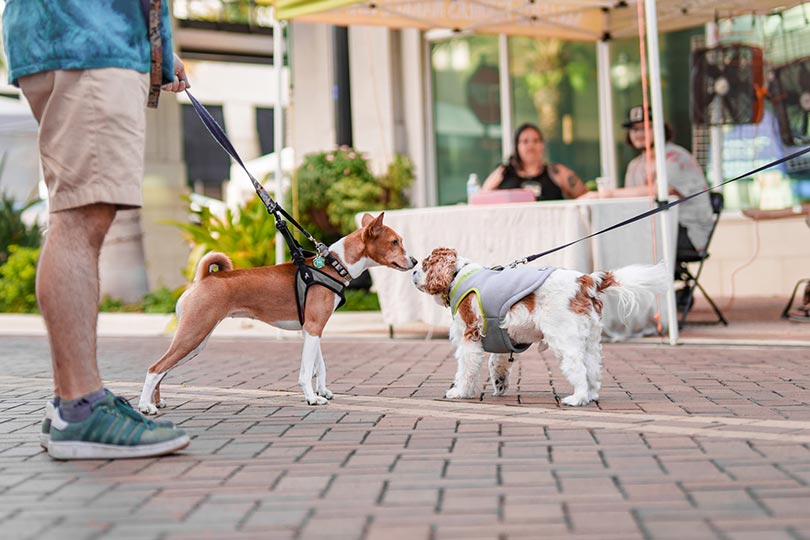
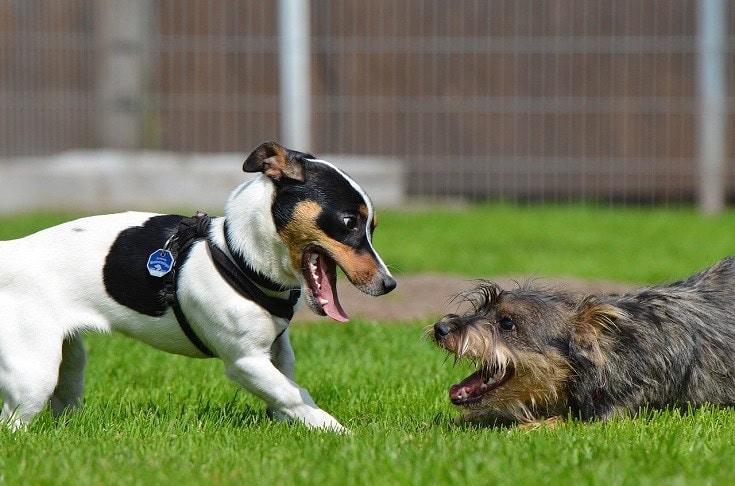
Introduce your dog to other dogs slowly and carefully. Start by bringing your dog to a park or other public place where there are other dogs present. Allow your dog to sniff around and get comfortable with the other dogs in the area. Once your dog seems relaxed, you can begin to introduce him to other dogs one at a time.
If you need help with training your dog, we suggest speaking with a vet online.
3. Encourage Positive Interactions
Once your dog is comfortable being around other dogs, it's time to start encouraging positive interactions. This can be done by giving your dog treats when he interacts in a friendly way with another dog. For example, if your dog sniffs another dog's rear end, give him a treat. If he approaches another dog in a calm and relaxed manner, give him a treat.
4. Discourage Negative Interactions
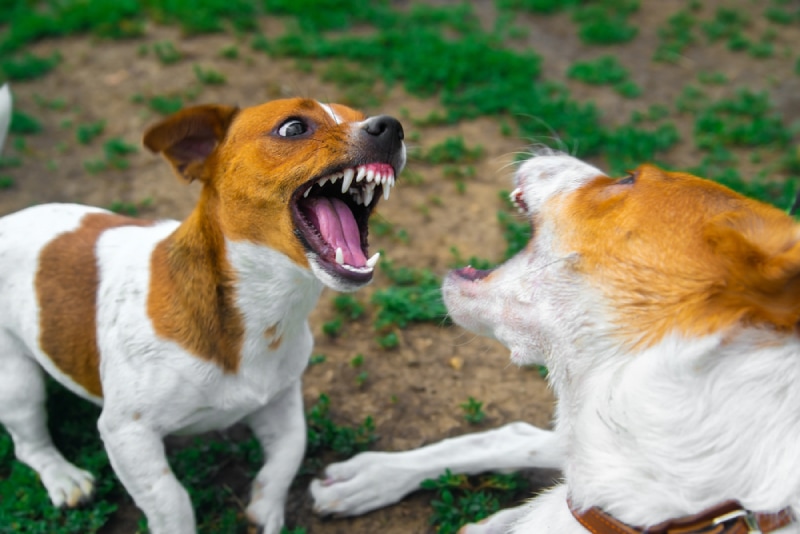
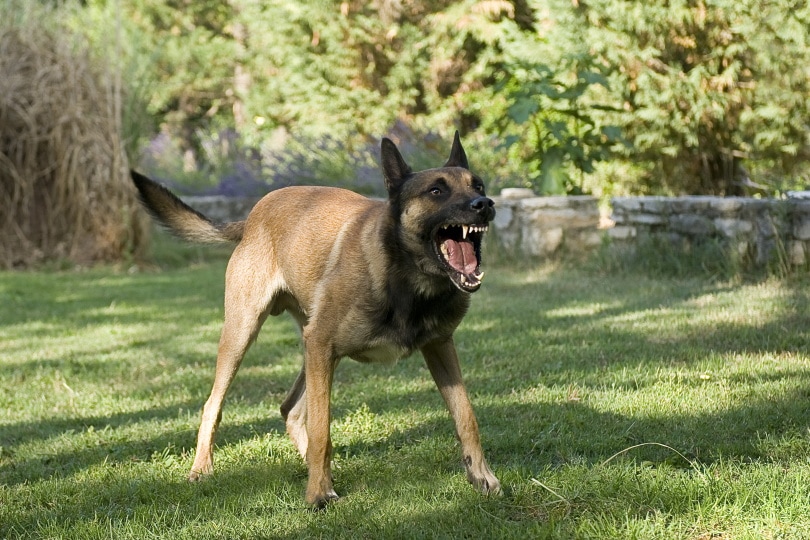
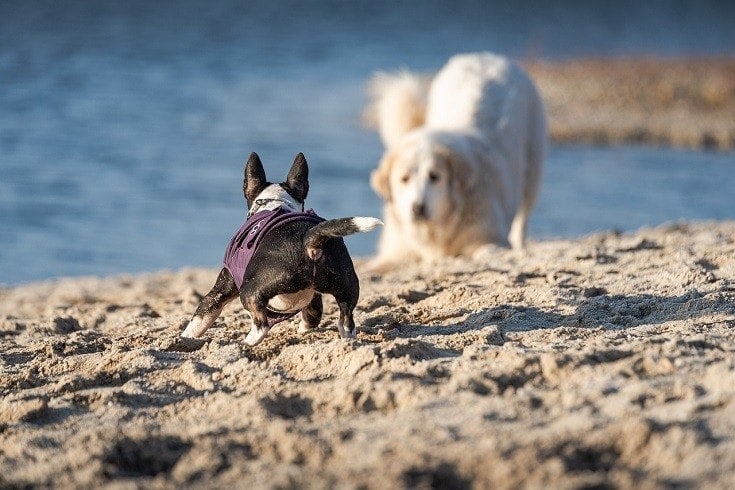
While you're encouraging positive interactions, it's also important to discourage negative ones. This means not rewarding your dog with treats when he exhibits aggressive or fearful behavior around other dogs. For example, if your dog growls at another dog, do not give him a treat. By doing this, you'll help teach your dog that good behavior is rewarded, and bad behavior is not.
5. Teach Your Dog "Time-Outs"
If your dog is having trouble learning how to play nice, it may be necessary to teach him "time-outs." This means removing your dog from the situation if he becomes too aggressive or fearful. For example, if your dog growls at another dog, put him on a leash and walk away from the situation for a few minutes. This will help your dog calm down and reset.
6. Be Consistent
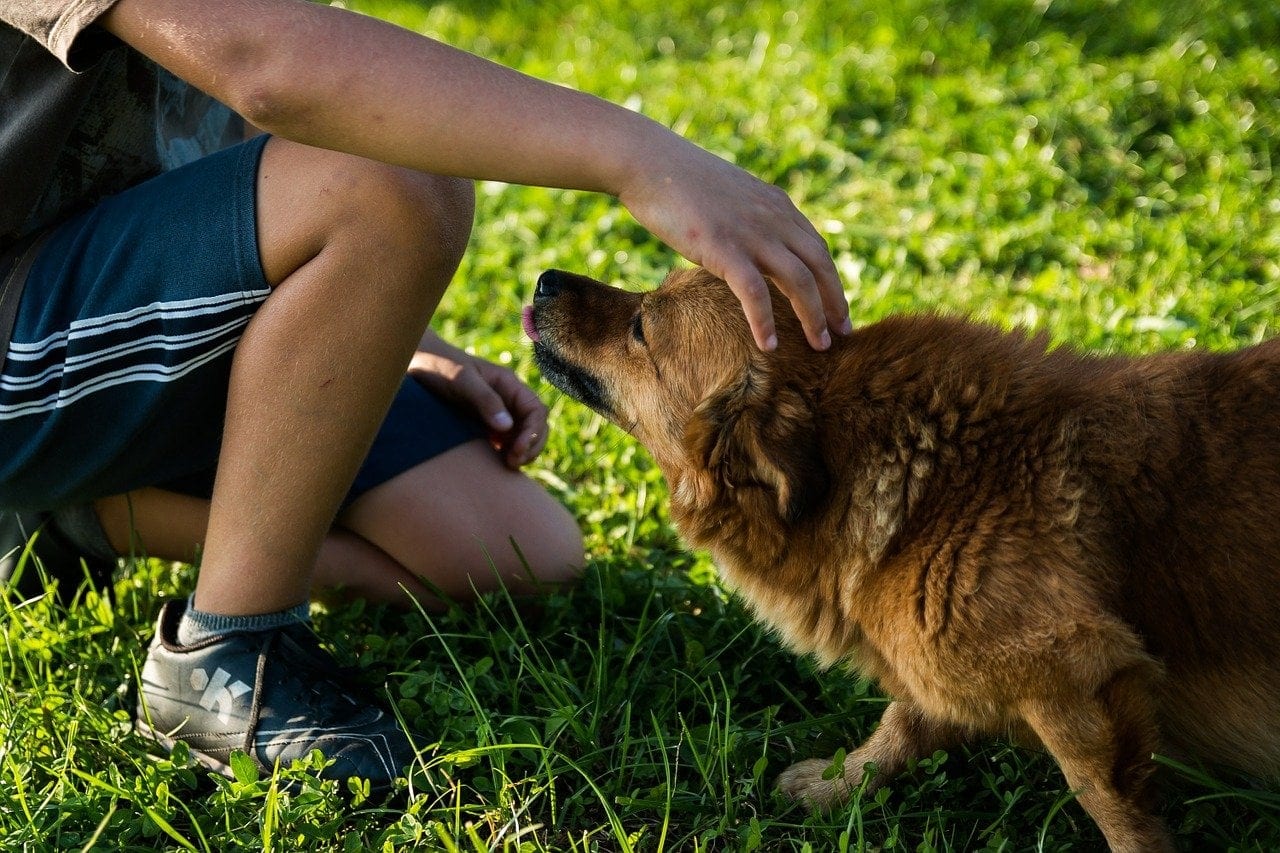
It's important to be consistent with your training. This means rewarding your dog for good behavior and discouraging bad behavior every time it happens. If you only do this occasionally, your dog will get confused and won't know what is expected of him.
7. Have Realistic Expectations
Don't expect your dog to become a perfect angel overnight. It takes time, patience, and consistency to train a dog to play nicely with others. Be prepared to put in the work and you'll see results!
8. Seek Help from a Professional
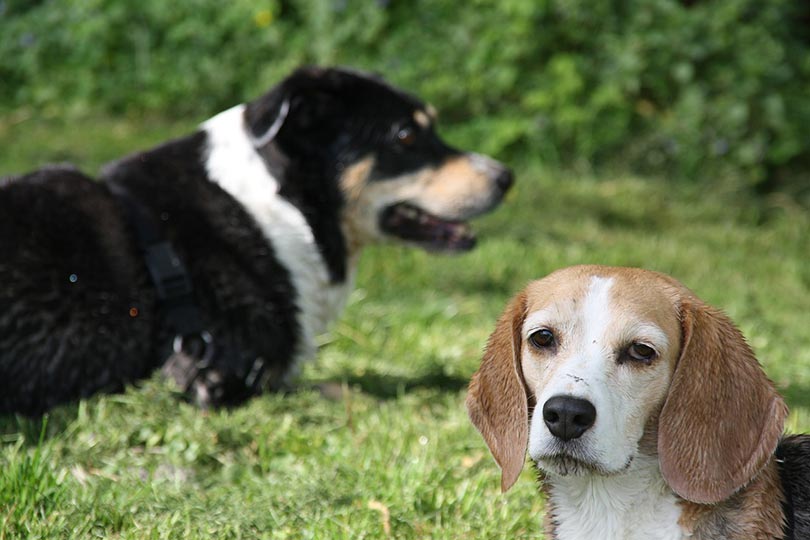
If you're having trouble training your dog to play nicely with others, don't hesitate to seek help from a professional. A qualified animal behaviorist or trainer can assess the situation and provide you with customized advice on how to best train your dog.
9. Be Patient
Remember to be patient. Training a dog takes time, so don't get discouraged if you don't see results immediately. With patience and consistency, you'll eventually teach your dog how to play nice with others!
10. Have Fun!
Training your dog should be a fun and rewarding experience for both of you. So, don't forget to have fun while you're doing it! By following these simple steps, you'll teach your dog how to play nice with other dogs in no time.
.

Dog Socialization FAQ
My dog is always barking and lunging at other dogs when we're on walks. What can I do?
If your dog is exhibiting aggressive behavior towards other dogs, it's important to seek professional help. A qualified animal behaviorist or trainer can assess the situation and provide you with customized advice on how to best train your dog. In the meantime, it's important to keep your dog on a leash and under control when you're around other dogs.
I'm not sure if my dog is ready to socialize with other dogs. How can I tell?
The best way to tell if your dog is ready to socialize with other dogs is to consult with a professional. A qualified animal behaviorist or trainer can assess your dog's personality and provide you with customized advice on when and how to socialize him.
My dog doesn't seem interested in interacting with other dogs. Is this normal?
Some dogs are naturally shyer and more reserved than others. If your dog doesn't seem interested in interacting with other dogs, that's perfectly normal. You can still help your dog socialize by slowly and carefully introducing him to other dogs one at a time.
I've been working on socializing my dog, but he still isn't comfortable around other dogs. What am I doing wrong?
Remember that socialization is a gradual process. It takes time, patience, and consistency to train a dog to feel comfortable around other dogs. Be prepared to put in the work and you'll eventually see results! If you're having trouble, seek help from a professional animal behaviorist or trainer for customized advice.
I'm not comfortable socializing my dog myself. Can I hire someone to do it for me?
Yes, you can hire a professional animal behaviorist or trainer to help socialize your dog. This may be a good option if you're not comfortable doing it yourself or if you're having trouble making progress.
How old should my dog be when we start socialization?
The best time to start socializing your dog is when he's a puppy. Puppies are typically more open to new experiences and less fearful than older dogs. It is easiest to start socializing your puppy as soon as it completes its vaccination schedule. However, it's never too late to socialize your dog! Older dogs can still benefit from being slowly and carefully introduced to other dogs.
My dog has never been around other dogs. Is it too late to socialize him?
It's never too late to socialize your dog! Older dogs can still benefit from being slowly and carefully introduced to other dogs one at a time. However, keep in mind that it may take longer for an older dog to learn to trust and be comfortable around other dogs. Be patient and consistent, and you'll eventually see results.
I'm moving to a new house and my dog will be the only dog. How can I socialize him so he's not lonely?
If your dog will be the only dog in your household, there are still ways you can socialize him. You can enroll him in dog obedience classes, take him to the dog park, or hire a professional dog walker to take him for walks in the neighborhood. By slowly and carefully introducing your dog to new experiences, you'll help him build confidence and learn to trust others.
Do you teach socialization before obedience?
Socialization is a life-long process that starts well before obedience. It's important for dogs to learn to trust and be comfortable around other dogs before they start learning commands. By slowly and carefully introducing your dog to other dogs, you'll help him build confidence and learn to trust others.
What are some common socialization problems?
Some common socialization problems include fearfulness, aggression, and shyness. If you're having trouble socializing your dog or you're not sure if he'll ever be comfortable around other dogs, seek help from a professional animal behaviorist or trainer.
What are the benefits of socializing my dog?
The benefits of socializing your dog include reducing fearfulness, aggression, and shyness. Socialized dogs are also better able to cope with new situations and changes in their environment.
Are there any risks associated with socializing my dog?
Yes, there are some risks associated with socializing your dog. If not done correctly, socialization can actually make fearfulness, aggression, and shyness worse.

Final Thoughts
Socialization is an important part of your dog's development. By slowly and carefully introducing your dog to other dogs, you'll help him build confidence and learn to trust others. So don't give up if you're having trouble! With a little patience and effort, you can socialize even the timidest dog. And the rewards are worth it- a well-socialized dog is a happy dog!
Related Reads:
Featured Image Credit: Stanimir G.Stoev, Shutterstock
Get Hepper In Your Inbox


Pet care tips from our vets and experts, straight to your inbox.
You may opt-out at any time. View our Privacy Policy for more information.
Nicole is a lover of animals of all sizes but is especially fascinated with the feline variety. She’s the proud mom of Baby, a Burmese, and works every day so he can relax in the sunshine or by the fire. She’s always had a cat in her home and has spent countless days with others, observing behaviors and softening up even the grouchiest of the lot. Nicole wants to share her kitty expertise with you so you and your cat can live happy, healthy, and care-free.
Join the conversation
Ask a question, share your story, or send private feedback.