Hepper is reader-supported. When you buy via links on our site, we may earn an affiliate commission at no cost to you. Learn more.
Common Siamese Cat Health Problems: 5 Vet-Reviewed Issues


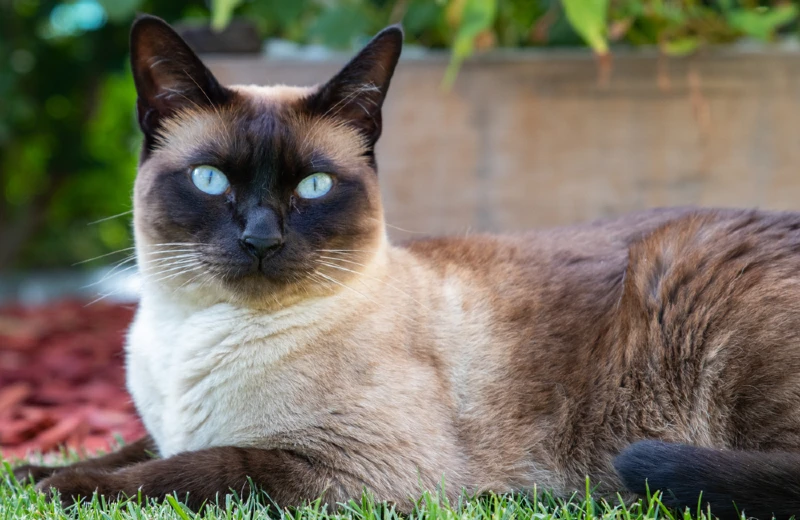
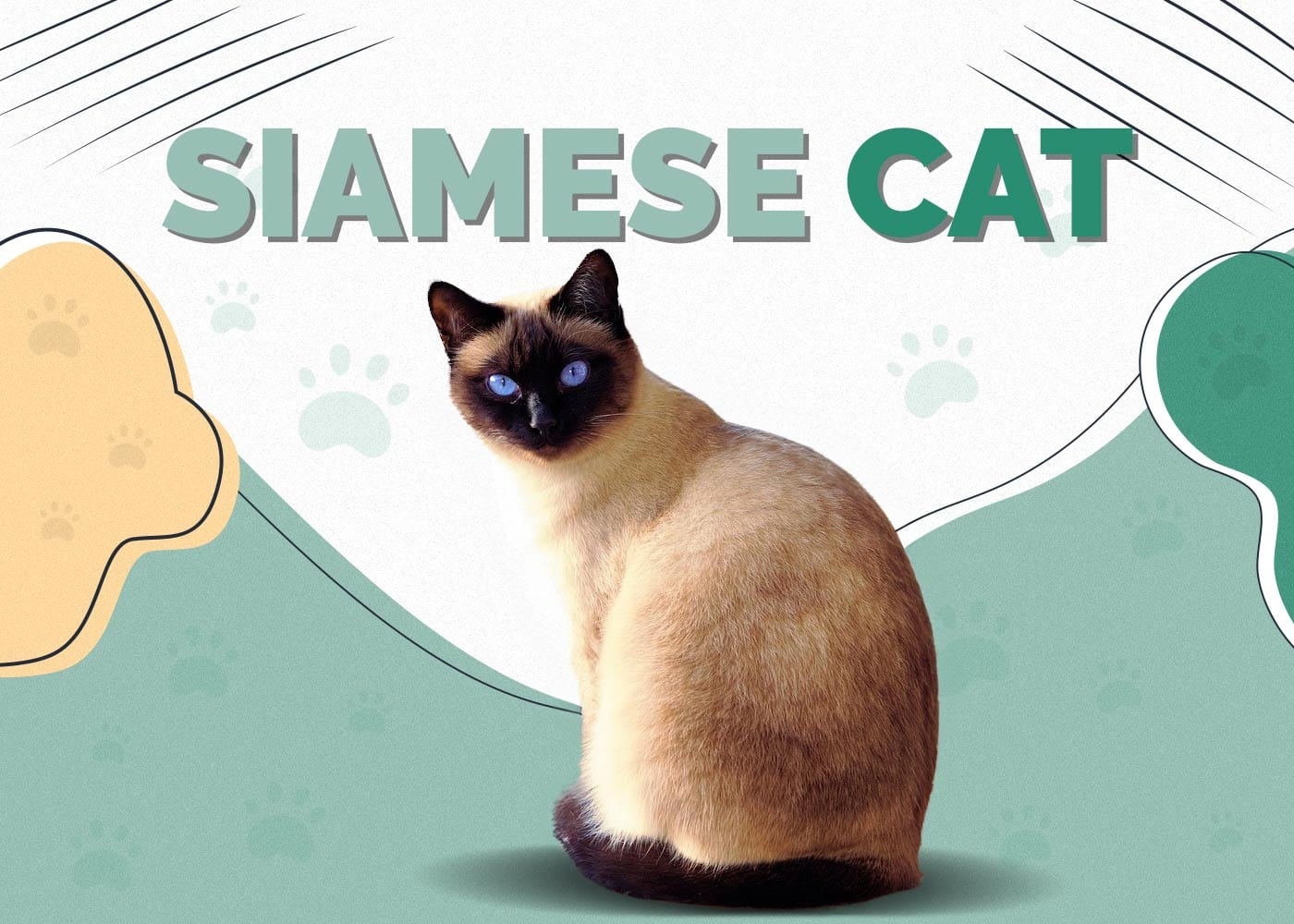
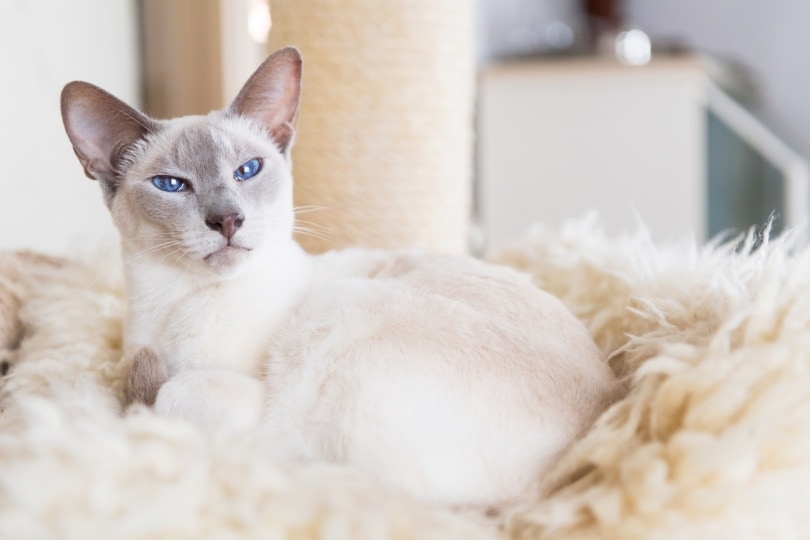
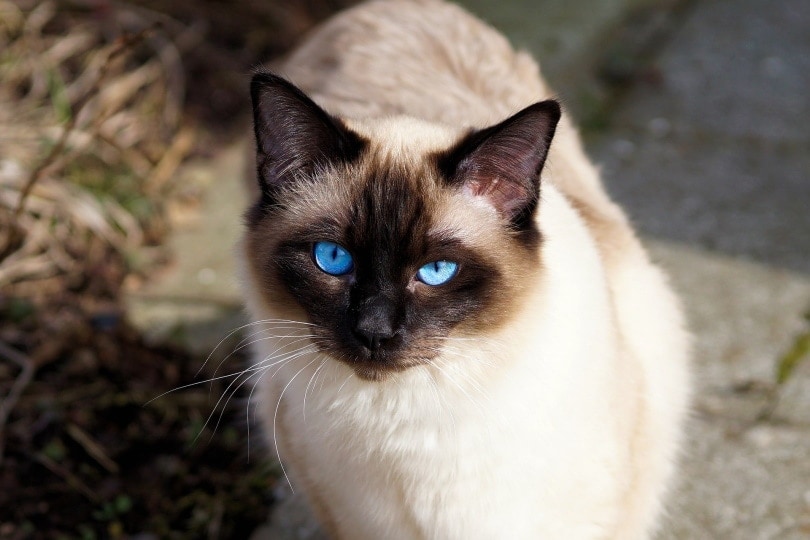
With their stunning blue eyes and deep colorful pointing, Siamese cats make wonderful companions due to their sociability and friendly natures. If you're thinking of adding one of these special creatures to your family, you might be wondering if the breed is prone to developing any health issues and, if so, how serious these problems might be. There are five diseases that Siamese cats regularly develop, including progressive retinal atrophy and mediastinal lymphoma. Below we provide a quick introduction to several common Siamese cat health issues.

The 5 Common Siamese Cat Health Problems to Watch For!
1. Feline Hyperesthesia Syndrome
Cats suffering from Feline Hyperesthesia Syndrome (FHS), also known as Twitchy Cat Disease, frequently have uncontrollable muscle contractions and exhibit behavioral changes. The skin on the lower back of kitties suffering from the condition often twitches when touched and for no apparent reason. Other symptoms of the syndrome include large dilated pupils, jumping, running, and lots of meowing. In particularly sensitive cats, even a gentle stroke can cause pain. Tiredness and tail-chasing are also commonly seen symptoms.
Kitties suffering from an attack of FHS can sometimes become aggressive if you continue to touch or stimulate them. So it's best to leave the cat alone until the episode is over. No one is sure what causes the condition, but veterinarians think it might be linked to dermatological, neurological, and even psychological factors. There's no evidence, however, that the disease is related to a specific genetic trait. Many cats with the condition respond well to treatment, including medication.
2. Urinary Tract Infections
Siamese cats tend to develop urinary tract infections (UTIs) at a higher rate than other breeds—Himalayan and Persian kitties are the two other families specifically at risk for developing urinary tract issues. There are several triggers that may cause a cat to have problems urinating, including bladder stones and cystitis. Most feline urinary conditions are categorized as Feline Lower Urinary Tract Disease (FLUTD).
Cats suffering from a UTI often have difficulty passing urine, so you'll frequently see them straining to go or spending a bit too much time hanging out uncomfortably in their litter box. Bloody urine and pain during urination are other common symptoms to be on the lookout for. While UTIs in cats are very treatable, animals need to be seen by a veterinarian as quickly as possible to ensure the condition doesn't progress.
3. Lymphoma
Lymphoma strikes Siamese cats at disproportionately high rates, leading many to suspect some sort of genetic propensity to develop the condition. Lymphoma is essentially a cancer of the lymphocyte cells. But to keep things in perspective, lymphoma is actually the most common form of feline cancer.
The disease can strike virtually any organ, but some of the most common sites in cats include the kidneys, lymph nodes, and abdomen. The most common symptoms include weight loss, lack of desire to eat, and vomiting. Older cats have a higher risk of developing the condition. While the disease tends to be fast-moving and aggressive, up to 60–80% of cats with the disease enter remission after chemotherapy. Keep in mind that the condition is highly likely to return within six months to two years, even after treatment and remission.
4. Amyloidosis
Amyloidosis is a disease in which a clear wax-like substance full of protein binds to a cat's inner organs—most often the liver and kidneys, but it can occur anywhere in an animal's abdomen. It occurs disproportionately in Siamese and Oriental Shorthair cats. Symptoms include jaundice, weight loss, vomiting, weakness, and lack of energy. The condition is most often found in kitties older than seven.
Treatment depends on the stage of the disease and how much damage has been done. Cats suffering from chronic amyloidosis often need to be admitted to the hospital to receive help for their struggling kidneys. Unfortunately, amyloidosis is a progressive condition that can lead to death when the liver, kidneys, or heart are involved. But there are several things pet owners can do to extend and improve their cat's life, such as switching to a kidney-friendly diet high in moisture, encouraging water consumption, and most importantly, giving lots and lots of love.
5. Gum Disease
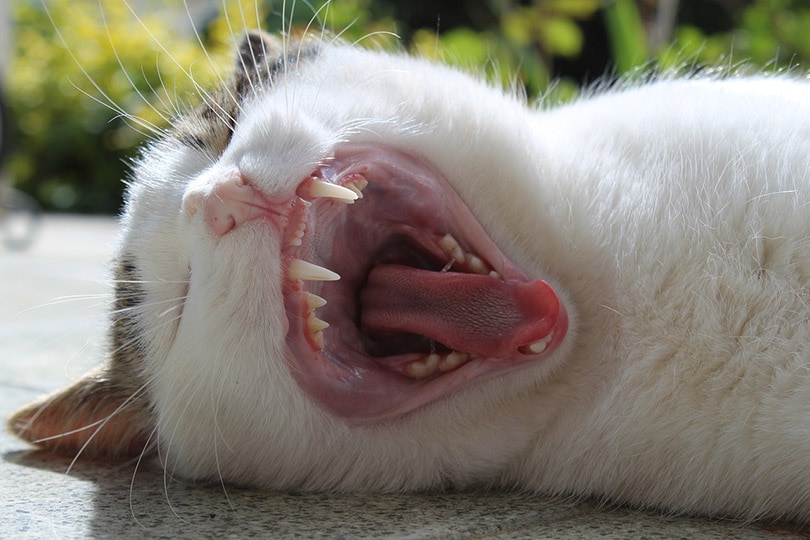
Gum disease doesn't just affect humans! Cats often suffer from tooth and gum problems, just like we do. And Siamese cats are prone to developing gingivitis and periodontitis at a young age. Other breeds with a tendency to have gum problems include Maine Coon and Burmese cats. But believe it or not, the condition can be found in most cats over the age of 2! Cats with the disease often have bone and attachment loss as well as periodontal pockets.
Cats suffering from periodontitis often have red, swollen gums and find it difficult to chew. X-rays are often the best way to get a clear understanding of the extent of the damage since most of the destruction takes place hidden under the gum line. Tooth brushing is a great way to strengthen the human-animal bond and limit the build of up decay-causing plaque. Make sure to use a toothpaste created explicitly for veterinary use, as human toothpaste often contains fluoride, which is extremely harmful to cats.
Final Thoughts
While it may seem as if adopting a Siamese cat will lead to tons of health issues, it's important to remember that most pure-bred cats are more likely to have health problems due to the selection and breeding process than moggies. But many owners find their Siamese cat's sunny personality more than worth the risk!
You might also be interested in: Do Siamese Cats Purr? Breed Facts & Other Vocalizations
Sources
Featured Image Credit: BearFotos, Shutterstock
Get Hepper In Your Inbox


Pet care tips from our vets and experts, straight to your inbox.
You may opt-out at any time. View our Privacy Policy for more information.
Lorre Luther a reformed lawyer from the United States, she moved to the Netherlands to follow her dream and become a writer. Currently living in Rotterdam, Lorre enjoys traveling and reveling in the astonishing beauty of our planet. As an animal lover, Lorre is convinced that cats are smarter than humans.
Join the conversation
Ask a question, share your story, or send private feedback.