Hepper is reader-supported. When you buy via links on our site, we may earn an affiliate commission at no cost to you. Learn more.
5 Siberian Cat Health Problems: Vet-Approved Prevention & Treatment


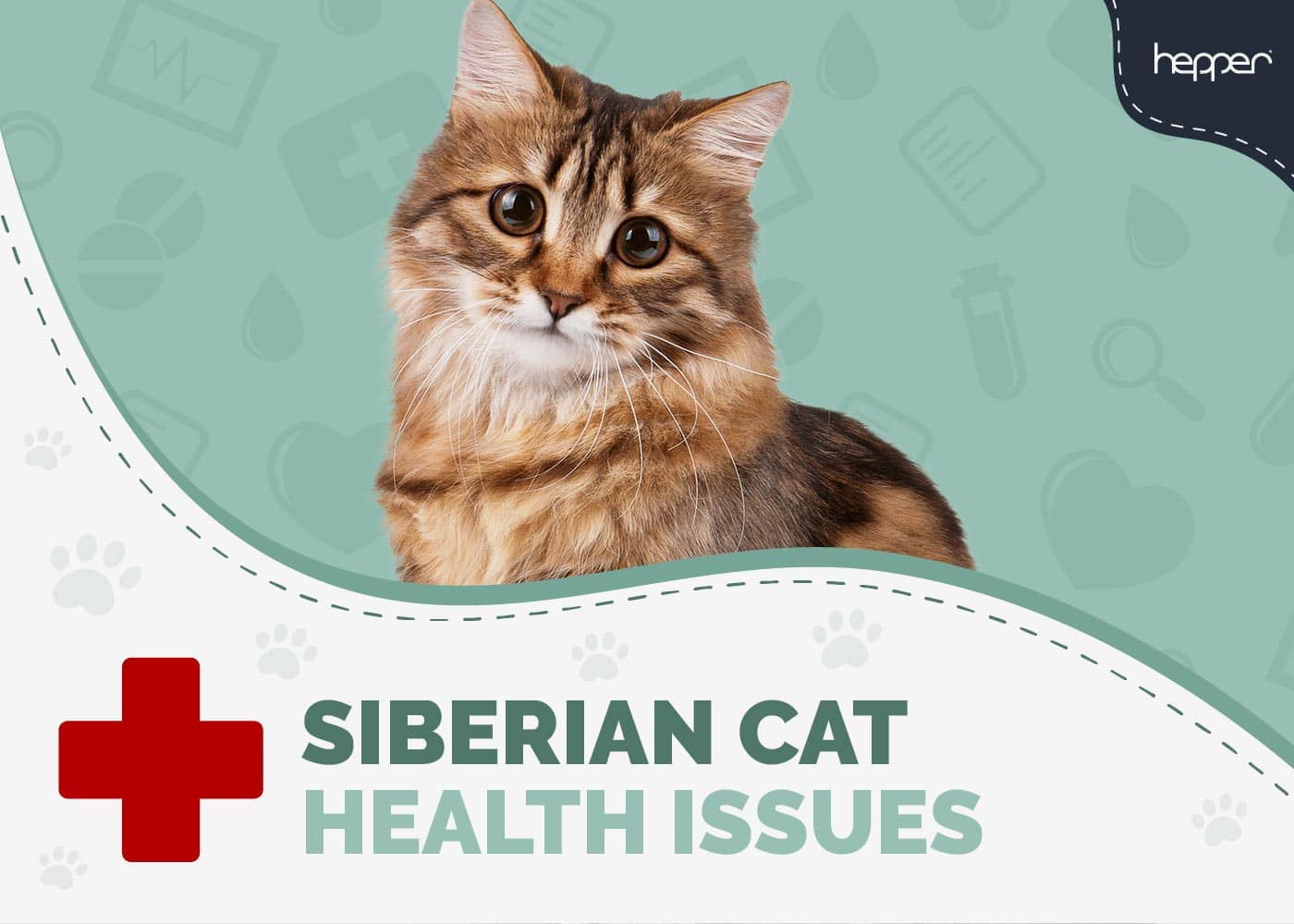
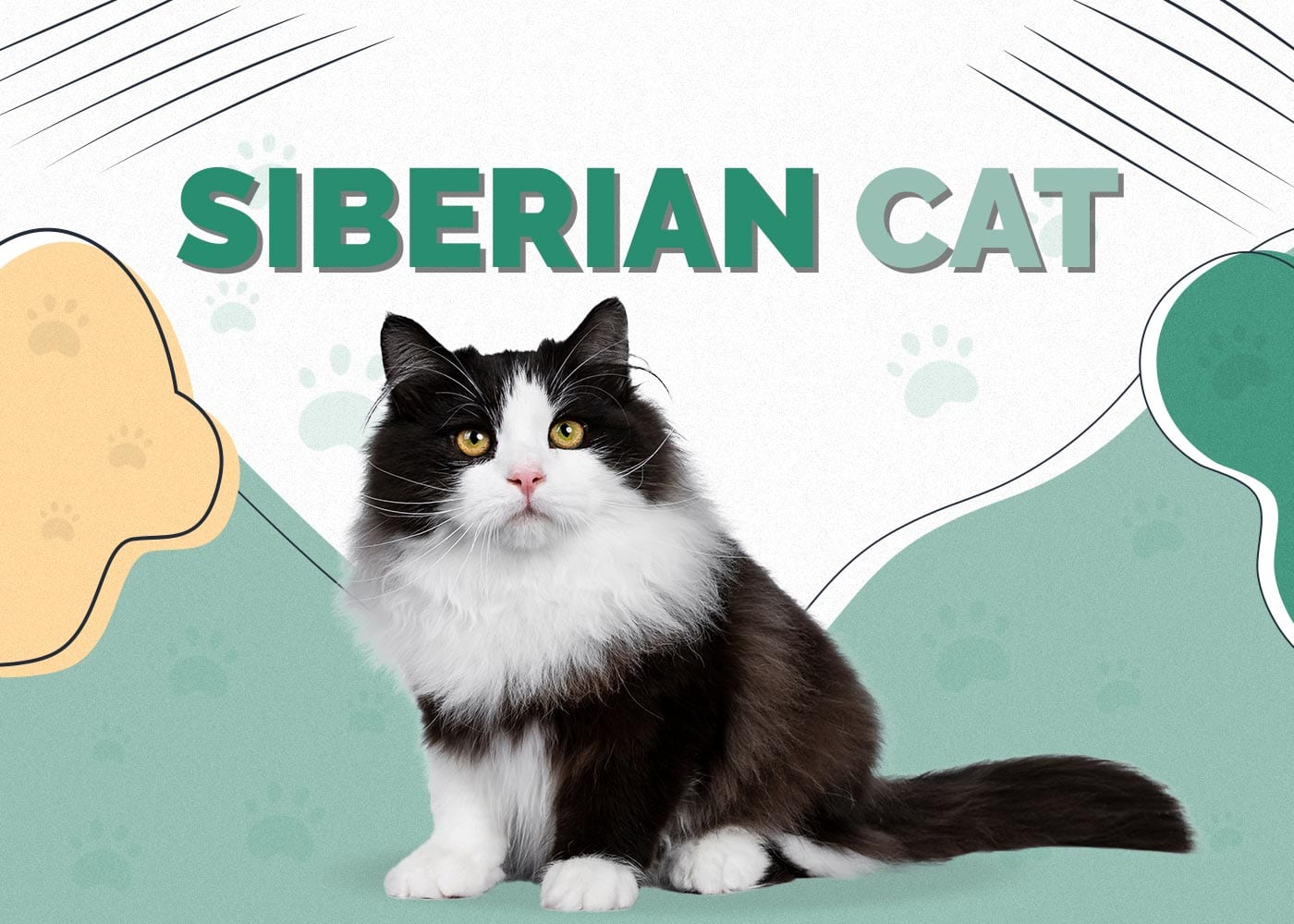
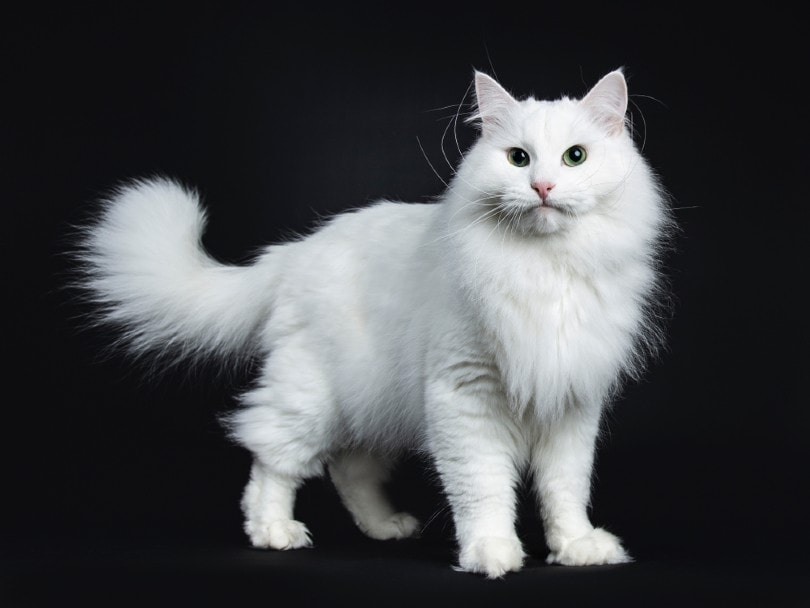
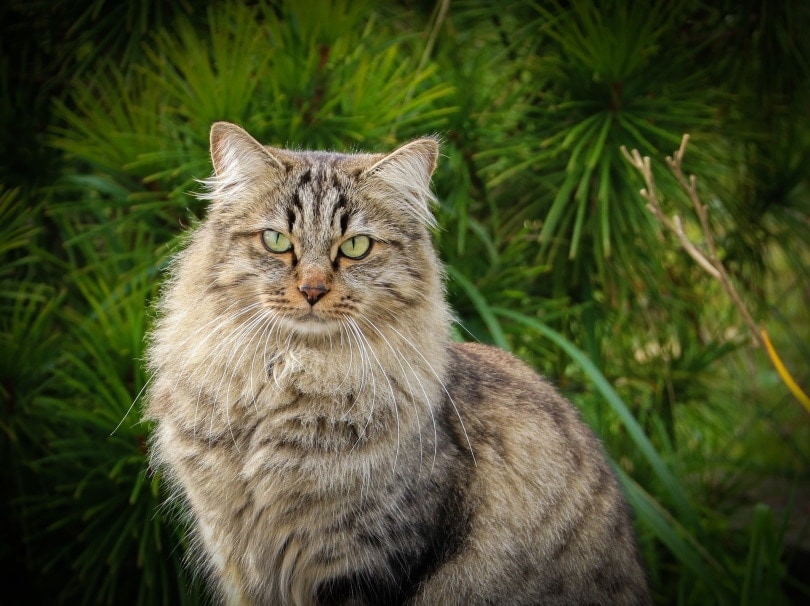
Siberian cats make wonderful companions for any household. They are playful, outgoing, friendly, intelligent, and inquisitive. They are also loyal and affectionate and do well with active families and other cat-friendly pets. The Siberian cat has an adorable face with a luxuriously thick coat that surprisingly doesn’t shed too much, and they love to cuddle with their humans.
Siberian cats can live 12–15 years, but they are predisposed to certain medical conditions. If you're considering adding a Siberian cat to your family, there are a few health problems that these cats are prone to. It doesn't mean a Siberian cat will definitely develop any of these conditions. Still, it's a good idea to familiarize yourself with the possibilities to know what to watch for.

The 5 Common Health Issues of Siberian Cats
1. Periodontal Disease
Siberian cats are prone to tooth and gum disease due to the accidental breeding of Siberians and other cat breeds. Dental disease is common, and it’s important to know the signs and what to look for. Ignoring these problems will more than likely lead to expensive teeth extraction, not to mention being painful for your cat.
Try getting into a dental routine. If you expose your Siberian cat to this early on, your cat will get used to it. Brushing your Siberian cat’s teeth will keep periodontal disease at bay, and you should aim to brush your cat’s teeth daily. We know that’s probably not realistic for some, but if you can, aim for at least 4–5 times a week.
If your Siberian cat will have no part of it no matter how hard you try, you can still keep up a dental hygiene routine by providing dental treats and chews.
2. Feline Lower Urinary Tract Disease (FLUTD)
FLUTD is inflammation of the bladder and urethra. The disease is sometimes caused by bladder stones, bacterial infections, or even a tumor. FLUTD is a serious condition, and prompt treatment is key in preventing the disease from progressing to a dangerous or even fatal level.
Signs to watch for are urinating outside the litter box, blood in the urine, foul-smelling urine, excessive licking of the genital area, difficulty urinating, or the inability to urinate. If your Siberian cat cannot urinate, it’s imperative that you seek medical attention immediately.
3. Polycystic Kidney Disease (PKD)
Polycystic Kidney Disease is genetically inherited among Siberian cats. Multiple pockets of fluid form in the kidneys, called cysts. The cysts are already formed at birth in cats with a predisposition to the disease, and it can ultimately lead to kidney failure over time. The cysts are small initially but grow throughout the cat’s life, which can disrupt the kidneys’ function.
This disease is caused by an autosomal dominant gene abnormality, and cats born with this gene will automatically have PKD. While there is no cure or specific treatment, medications, special diets, and fluid therapy help manage the symptoms. Symptoms include increased thirst, frequent urination, decreased appetite, weight loss, lethargy, vomiting, and diarrhea.
4. Hypertrophic Cardiomyopathy (HCM)
Hypertrophic cardiomyopathy is a disease of the heart muscle. This hereditary disease causes the heart to become enlarged, and there’s no way to predict what age the disease will rear its head. Some cats may die as early as 1 year of age, and others may not have complications until 6–8 years old. It only takes one gene to cause HCM, and there’s no way to predict what cat will develop it. A cat with HCM will experience fluid in the lungs, blood clots, and eventually, heart failure.
5. Cancer
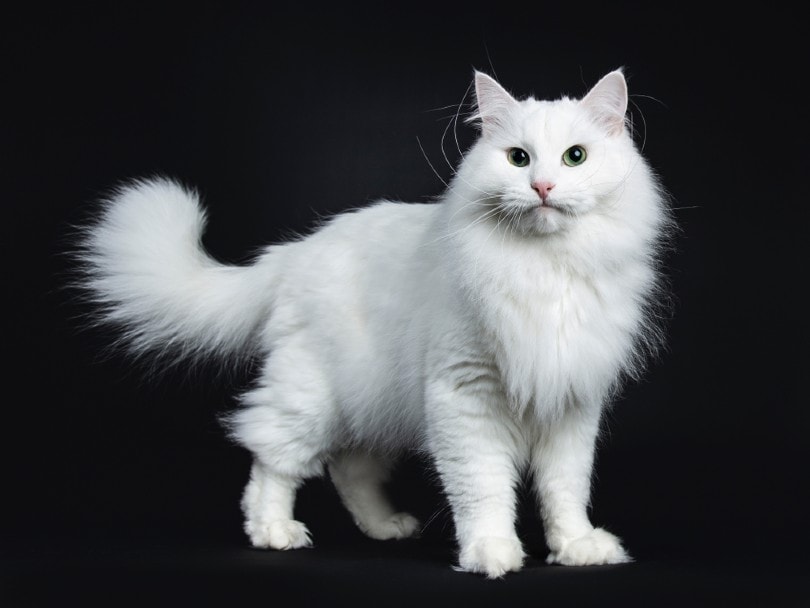
Hereditary cancer is usually found in solid white Siberian cats. Solid white Siberian cats have a higher risk of developing cancer due to being descendants of Gesha Olenya Krasa and Dolka Olenya Krasa, which are pedigree ancestors of Siberians. The cancer-causing gene is called oncogenes, but if the cat has this gene, it doesn’t necessarily mean that cancer will develop. Feeding your Siberian a healthy diet and taking it for regular checkups could keep cancer from developing in the first place.
Over time, visits to the vet can really add up. If you're looking for a good pet insurance plan that won't break the bank, you may want to look at Lemonade. This company offers adjustable plans customized to your pet's needs.
Final Thoughts
Remember that not all Siberian cats will develop these diseases and conditions, but it’s good to know what they are prone to, just in case. If you acquire your Siberian through a breeder, ensure that the breeder is reputable.
Reputable breeders will try and breed out certain conditions by avoiding breeding two cats with known genes of any disorders. If you adopt a Siberian from a rescue or animal shelter, be sure to keep these possible conditions in mind so that you’ll know when to seek treatment for your Siberian.
Sources
https://articles.hepper.com/norwegian-forest-cat-vs-siberian/
https://vcahospitals.com/know-your-pet/cystitis-and-lower-urinary-tract-disease-in-cats
https://vcahospitals.com/know-your-pet/kidney-disease-polycystic-kidney-disease-in-cats
http://www.siberianresearch.com/breeding-decisions/cancer.html
https://www.bioguardlabs.com/breed-related-disease-siberian-cat/
https://excitedcats.com/how-to-find-a-reputable-cat-breeder/
Featured Image Credit: Just-Mila, Shutterstock
Get Hepper In Your Inbox


Pet care tips from our vets and experts, straight to your inbox.
You may opt-out at any time. View our Privacy Policy for more information.
Rachel Giordano is a writer and musician out of Pensacola, Florida, living there with her partner and their two dogs, Aero, a Border Collie/Sheltie mix, and Sophie, a Boston Terrier. Rachel has a Bachelor of Arts degree in communication and enjoys writing about all types of animals. When Rachel’s not dedicating her time to writing about animals, she enjoys writing thriller/suspense novels. A writer by day and a musician by night, she's passionate about educating the public about the requirements and needs of all types of animals.
Join the conversation
Ask a question, share your story, or send private feedback.