Hepper is reader-supported. When you buy via links on our site, we may earn an affiliate commission at no cost to you. Learn more.
9 Side Effects of Microchipping a Dog: Our Vet Answers

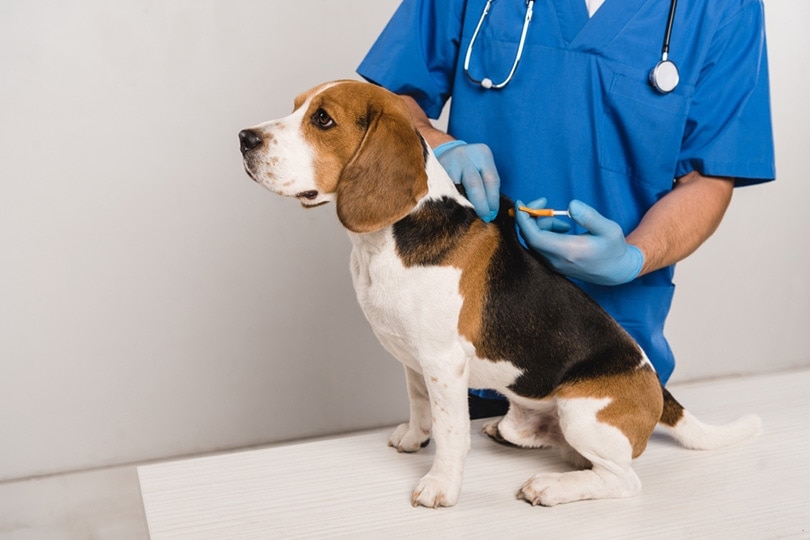
Microchipping is used as a way to identify your dog and reunite them with you should they ever become lost or get stolen. Many of our beloved pets go missing every year. If your dog is microchipped, they are much more likely to be reunited with you if they can be identified by their microchip. Tags and collars can get lost or be removed whereas microchips are a permanent fixture.
Although there are many benefits to microchipping your dog, there are some side effects too. It is important for owners to be aware of these side effects before getting their dogs microchipped so that they are able to look after their dogs properly if any issues occur.

What Is a Microchip?
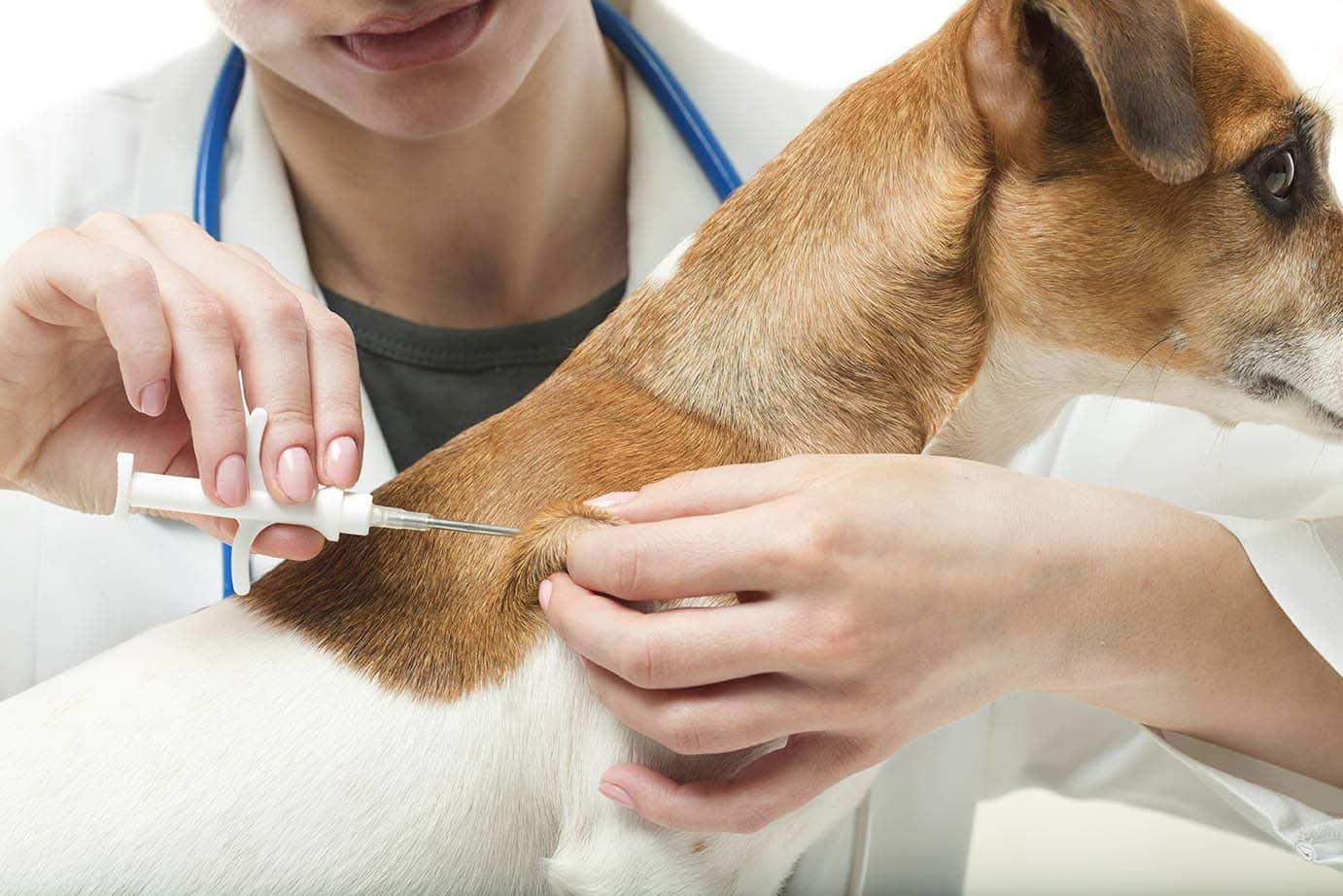
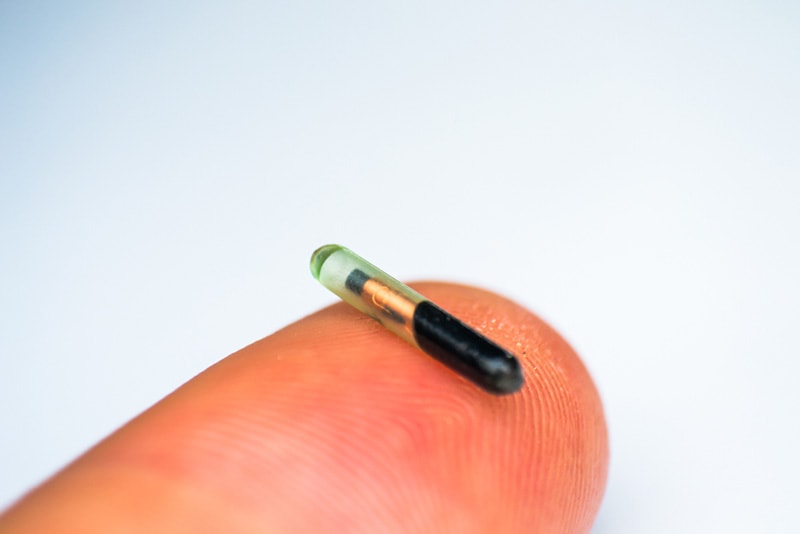
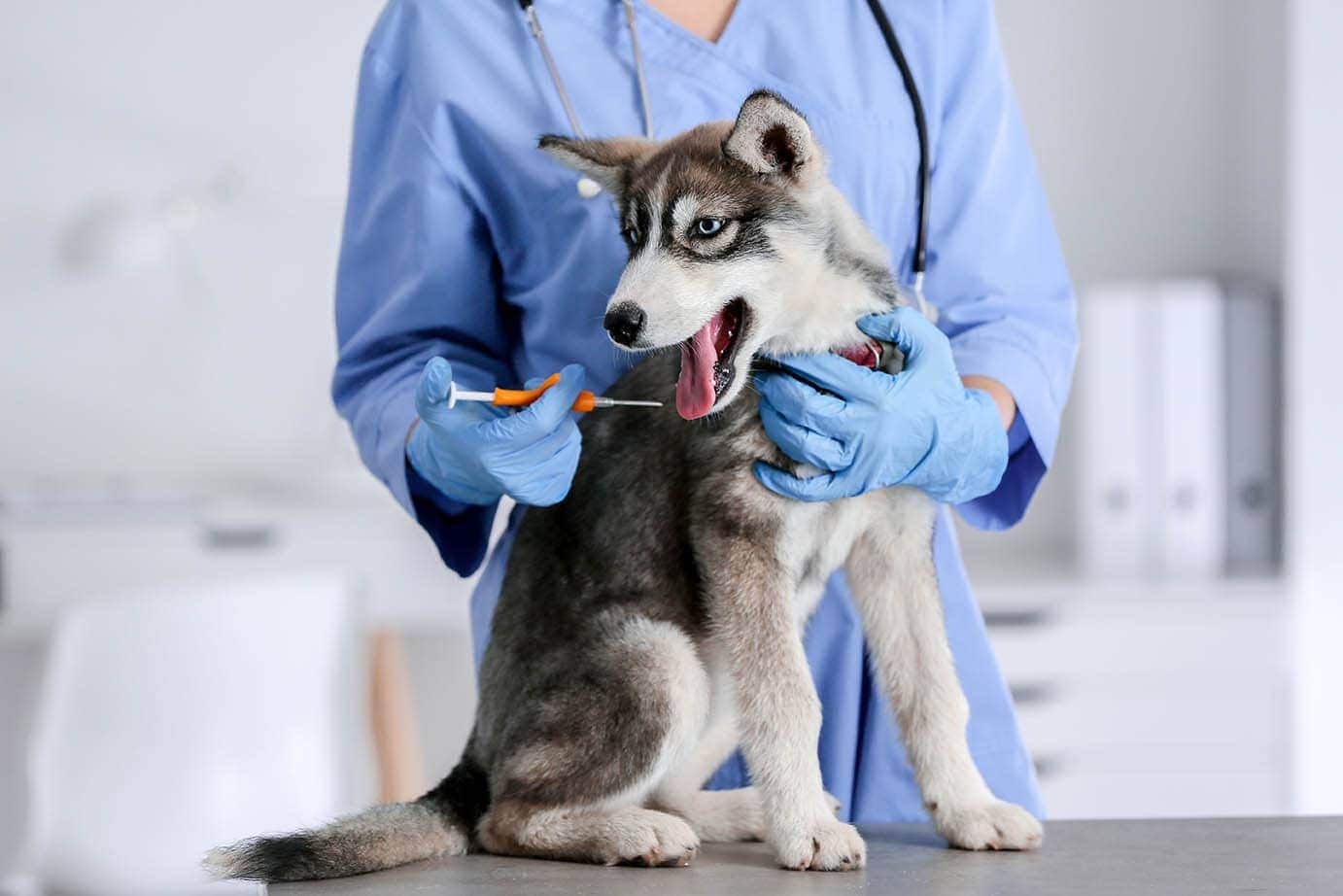
A microchip is a tiny electronic device encased in a glass cylinder, approximately the size of a grain of rice. The microchip is implanted under the skin of dogs using a sterile needle. It is made up of an integrated circuit that uses passive radio frequency identification technology.
How Does Microchipping Work?
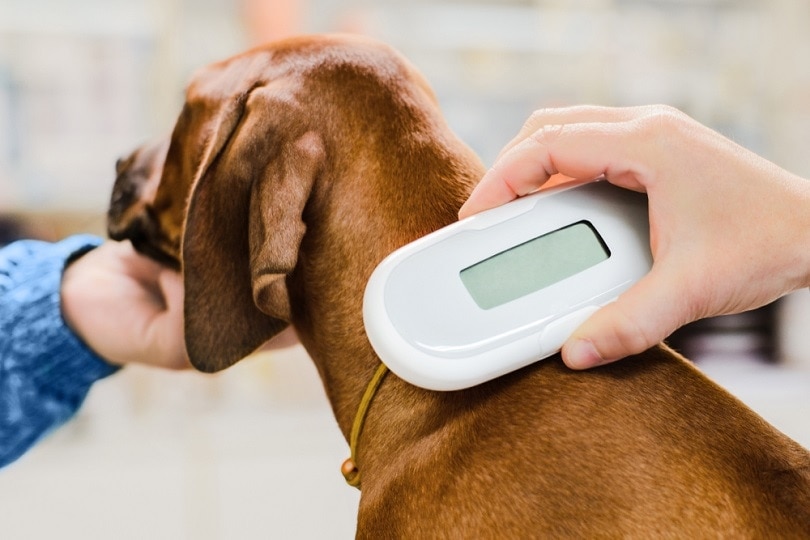
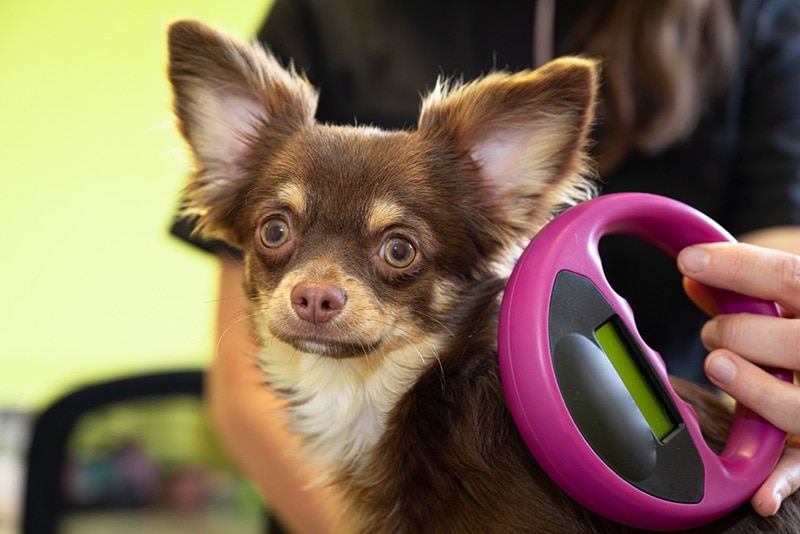
Each microchip has a unique code which is assigned to your animal when they are given the chip. The microchip is activated by the scanner when the scanner is held in close proximity. Radio waves are emitted to communicate with the chip. The microchip transmits the unique identification number to the scanner. This number is linked to your personal details on a database. Anyone with a scanner, for example, a veterinary practice or a dog shelter, can scan dogs and look up their owner's details from the database.
It is important that owners always keep their details up to date on the database. If you move or change your telephone number, it is vital you update your details so that you can be contacted should your dog be found.
The 9 Potential Side Effects of Microchipping
1. Pain
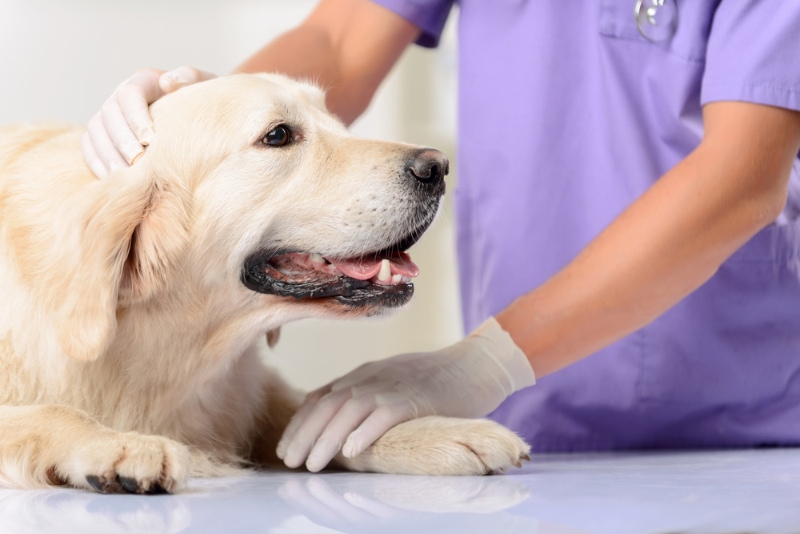
Your dog may feel some pain when the microchip is implanted. This does not usually last long and most dogs cope well with it, but it is worth noting that they will experience some discomfort. The microchip is approximately the size of a grain of rice, therefore the needle that is used to implant the chip is larger than the microchip. It is a bigger needle than the ones used for routine vaccinations.
2. Bleeding
Occasionally the microchip needle can catch a small blood vessel in the skin on its way in. This can cause some bleeding in the area. The bleeding is not severe and usually stops within a couple of minutes. It can be alarming for owners to see if they are not expecting it.
3. Failure of the Microchip
Just like any other technology, microchips can fail. This is a very rare occurrence, but it can happen. Your vet will always scan the microchip before implanting it to ensure that it scans correctly and that the identification number matches the packet and the documents. They will also scan the microchip once it has been implanted to ensure it is picked up by the scanner in the correct location.
Despite this, there are still some faulty microchips that either are not picked up by the scanner or stop working after some time.
4. Migration of the Microchip
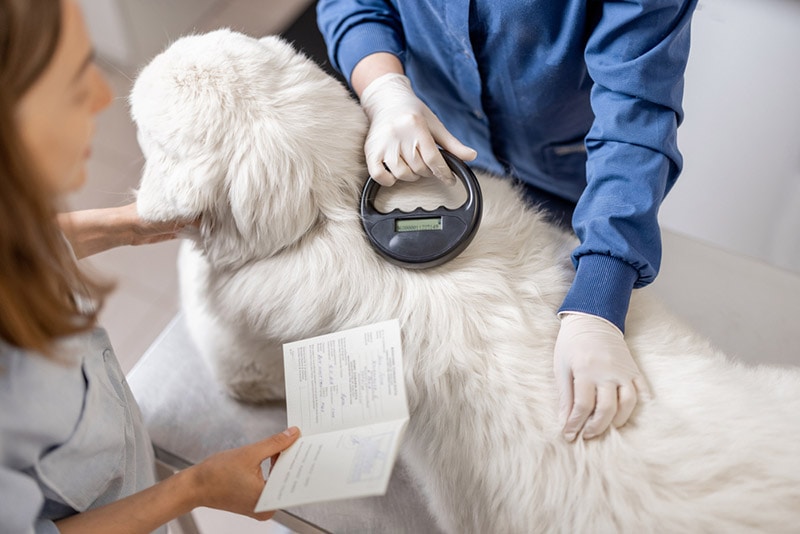
It is possible for the microchip to migrate to a different location after being implanted. This is because the microchip is implanted under the skin, and it is not anchored down to anything. Usually, the dog's body forms a fibrous capsule around the microchip, keeping it in place. Sometimes there isn't an opportunity for this to occur, so the microchip is able to move about as the dog moves. It usually moves downwards due to gravity, however, the microchip could end up anywhere.
This is why your vet will scan the whole of your dog's body searching for the microchip if the chip isn't in the usual place between the shoulder blades. If the microchip migrates, it is completely harmless and does not hurt your dog in any way. If your dog's microchip is not picked up where it should be, migration of the chip is much more likely than the microchip being faulty.
On very rare occasions, microchips can migrate to locations where they are not picked up by a scanner. If this is the case, and your vet has checked your dog's body all over and tried several different scanners, then it is possible to re-chip your dog. If your dog’s microchip does migrate, your vet will record this on your dog’s clinical records so that all vets know where to scan to read your dog’s microchip.
5. Hair Loss
This is a very rare side effect that occasionally occurs in dogs that have sensitive skin. At the injection site and a small area around the site, the hair can fall out leaving a small bald spot. There are normally no other clinical signs seen, however, if your dog already has skin issues it is more likely that there will be concurrent lesions from the underlying skin disease.
Hair usually grows back within a few months and there are normally no further issues.
6. Infection
When the microchip is implanted, the skin is pierced. This allows infection to become established. It is very rare for the microchip site to become infected, nevertheless, it does sometimes happen. It is not the actual microchip that causes the infection, but the needle used to insert the microchip, if it becomes contaminated.
Alternatively, the hole, however small, can become infected from contamination with pathogens. There can be an abscess underneath the skin, or a systemic infection can spread from elsewhere in the body.
Veterinary staff are highly trained in practices of hygiene and sterility. The incidence of infection is very rare and if it does occur, it normally resolves very quickly with antibiotic treatment. It is rare for there to be long-term issues with infections.
7. Local Reaction
There can be a local reaction to the microchip soon after implantation. A swelling or hematoma may develop over the injection site. This is common after the microchip has been implanted as the body will react to the foreign material inside. This is a normal reaction and does not cause your dog any harm.
Any procedure that involves piercing or cutting the skin, such as a needle injecting something or a scalpel blade making a surgical incision, will cause a local inflammatory response. You may not even notice the swelling as it may be very mild. Your dog is unlikely to be bothered by it. Usually, the swelling goes down after a few days.
Some dogs react worse than others. This can be dependent on their general health status, if they have concurrent disease present, or if they are on medication. Often, if the dog is wriggling about or moves just after the needle pierces the skin, this can make the reaction worse. This is because local tissue around the injection site can get traumatized accidentally.
8. Damage to the Spine
There have been a small number of reports of dogs being paralyzed due to a microchip being implanted into the spinal cord. These are extremely rare and very unlikely to happen. This occurrence is down to operator error, and it is likely that an individual who hasn't been trained correctly may do this sort of thing accidentally. From the limited reports of this incident, dogs do seem to make a good recovery following surgical removal of the microchip.
9. Cancer
There have been some reports of tumors developing around the implantation site of the microchip. There has also been a lot of scaremongering recently, associating microchips with the development of tumors. A lot of this information is anecdotal or does not have any scientific background and is simply hearsay. If you do read this sort of information, check the source and the author. If it is not backed by scientific research or written by a veterinary professional, it is unlikely to be completely accurate.
Although there are reports of cancerous growths at the site of microchip implants in both dog and laboratory rodents, the number of these reports is very small. There has not been any cause-and-effect relationship identified between the implantation of microchips and the development of tumors. There are many complex factors that contribute to the development of tumors, so it is likely that there are many small changes that eventually led to the presence of the tumor.
The risk of your dog developing a tumor is a lot lower than their being stolen or getting lost and not being able to be returned to their owner due to the fact that they cannot be identified.
Removal of Microchips
If a microchip has been deemed to have failed, and it is not being picked up by several different scanners, there is no need to remove the microchip. If, however, the microchip is associated with some sort of pathology, it is important to remove it.
Unfortunately, some people remove microchips to commit fraudulent activity. The only valid reason to remove a microchip is if it is detrimental to your dog's health for some reason. If the microchip is removed, it is very important that another one is implanted so that your dog can still be identified.
Conclusion
When microchipping your dog, there are a few potential side effects that owners need to be aware of. The benefits of having your dog microchipped far outweigh the potential risks. The side effects are not very common and should not put owners off getting their dogs microchipped.
Sources
Featured Image Credit: LightField Studios, Shutterstock
Get Hepper In Your Inbox


Pet care tips from our vets and experts, straight to your inbox.
You may opt-out at any time. View our Privacy Policy for more information.
Dr. Emma is an experienced vet who is always happy to share her knowledge and expertise with our readers. Her passion is surgery but she will happily talk about anything animal related. Dr. Chandley graduated from The Royal Vet College and since then she has worked in general practice in the UK. She has completed a postgraduate certificate in Small Animal Surgery and has also gained Advanced Practitioner status in the same discipline. She enjoys developing her skills in clinical pathology, animal behavior and nutrition as well.
Emma is an experienced veterinarian who is always happy to share her knowledge and expertise with our readers. She is passionate about surgery but will happily talk about anything animal related.
Experience
Since graduating, Dr. Emma has worked in general practice in the UK. She has completed a postgraduate certificate in Small Animal Surgery and has also gained Advanced Practitioner status in the same discipline. She also has expert knowledge in small animal medicine with a special interest in Endocrinology, although surgery is her passion. She enjoys developing her skills in clinical pathology, animal behavior, and nutrition as well.
Education
Emma received her degree from the Royal Vet College, University of London. She obtained her postgraduate certificate from the British Small Animal Veterinary Association and Nottingham Trent University.
She was granted Advanced Practitioner status by The Royal College of Veterinary Surgeons.
Join the conversation
Ask a question, share your story, or send private feedback.