Hepper is reader-supported. When you buy via links on our site, we may earn an affiliate commission at no cost to you. Learn more.
Acupuncture For Dogs: Benefits & Effectiveness (Vet Answer)

In this article
Acupuncture is a component of traditional Chinese medicine that has been practiced for thousands of years and is currently used to treat a wide variety of ailments in humans. If your canine companion is suffering from a medical condition, however, you may wonder—could acupuncture benefit my dog? Sadly, there is not a concrete answer to this topic, however, the following article will relate the history of acupuncture in veterinary medicine, how acupuncture works, and the benefits and risks of treatment. We will also discuss tips on finding a veterinary acupuncturist and what you can expect from treatment—making a foray into alternative medicine for your dog a straightforward endeavor.

What Is Acupuncture?
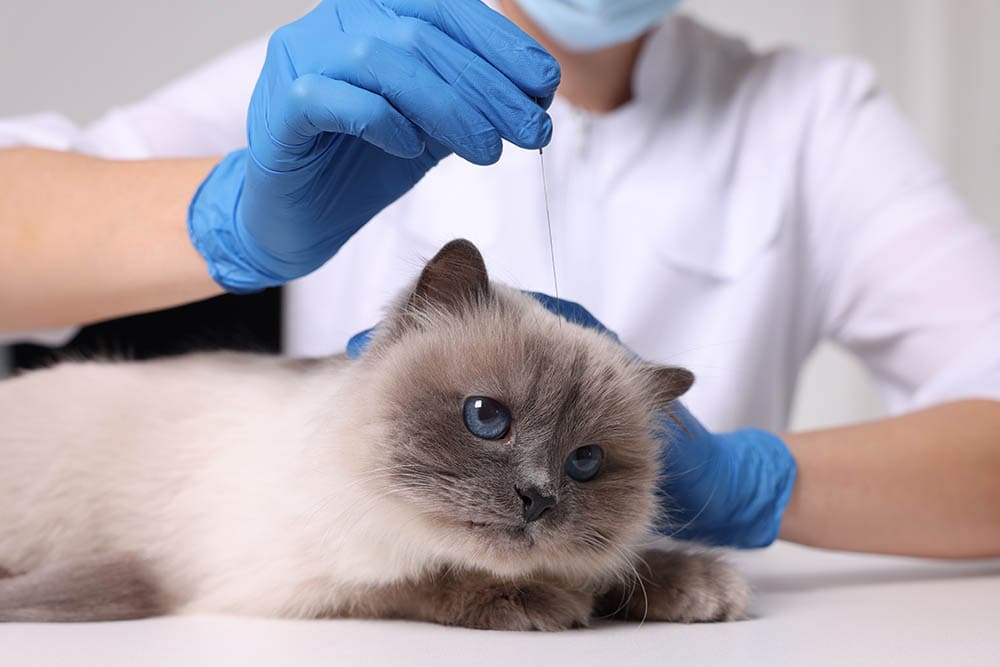
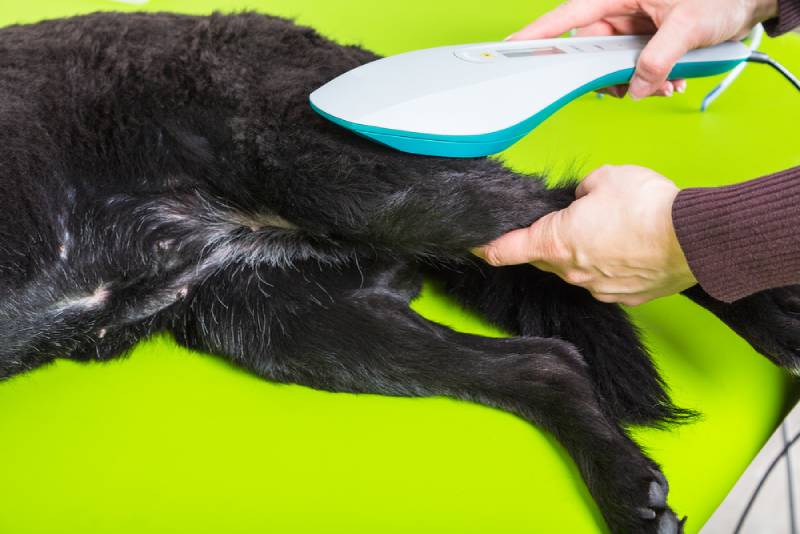
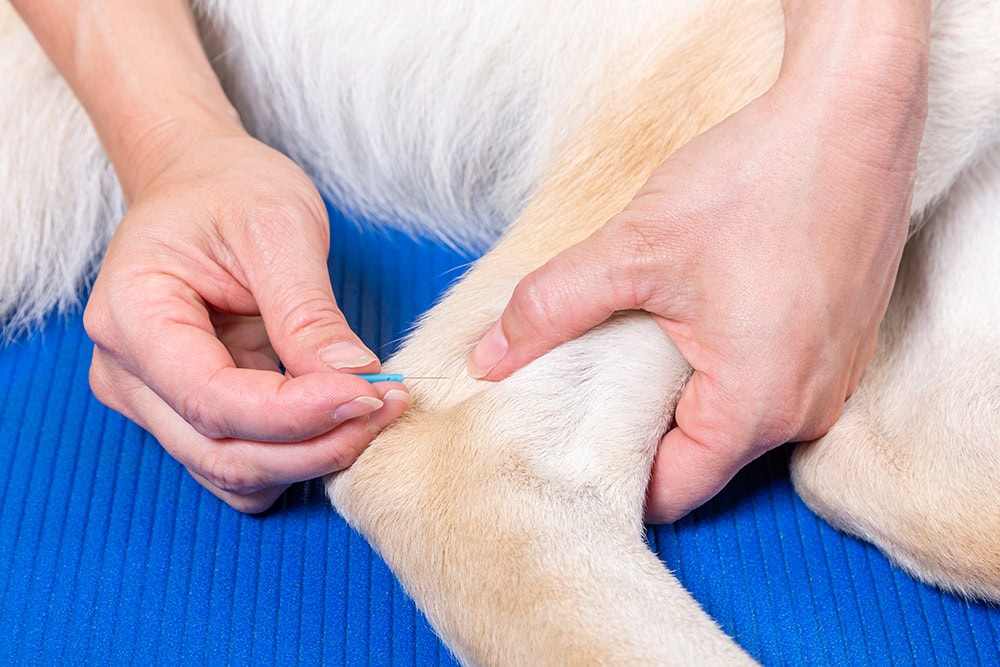
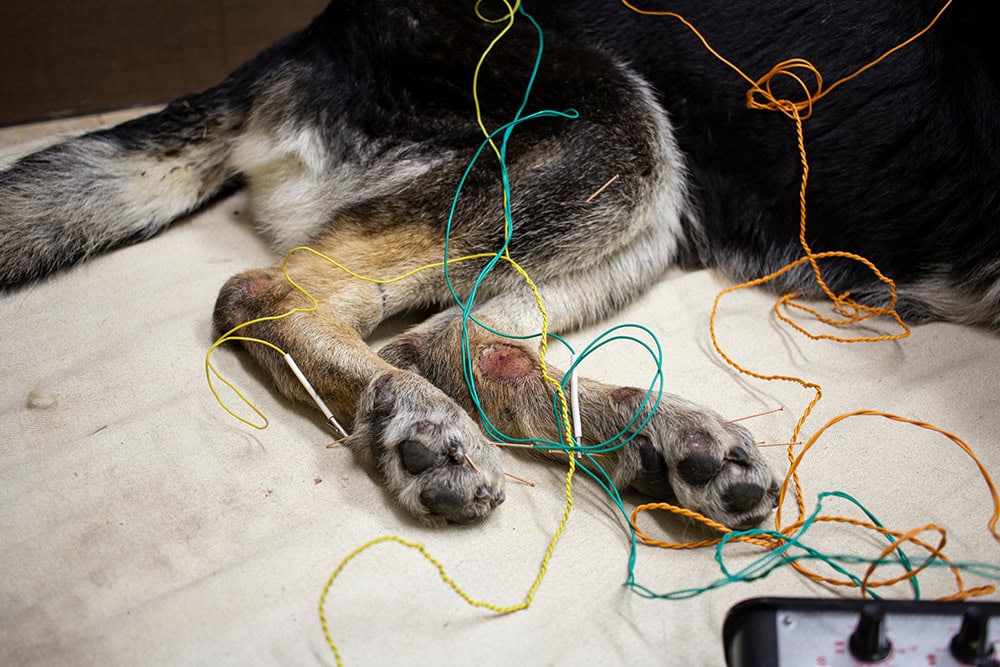
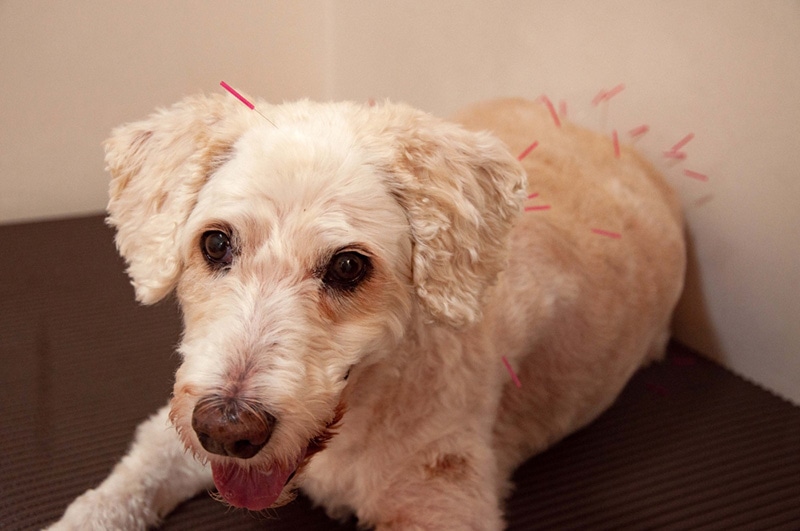
The practice of acupuncture involves the insertion of small, thin, needles into the skin at specific points on the body. The needles are then activated through either subtle movement, heat, or electrical stimulation. This is believed to induce biochemical changes that may in turn improve physical and emotional well-being. In addition to the insertion of needles, specific acupuncture points may also be stimulated with heat, pressure, friction, suction, or impulses of electromagnetic energy.
Acupuncture in Veterinary Medicine
In China, acupuncture has been used to treat animals for over 2,000 years. Sun Yang (also known as Bole Zhenjing), a Chinese veterinarian authored one of the first veterinary acupuncture texts, Bole's Canon of Veterinary Acupuncture in the mid-7th century BC.
From its early roots in China, veterinary acupuncture has expanded globally, becoming an increasingly popular treatment modality for a wide range of medical conditions. According to the American Veterinary Medical Association (AVMA), veterinary acupuncture entered onto the United States veterinary scene in the 1970s and experienced further growth in the mid-1990s. Several events of note highlighting acupuncture's acceptance into mainstream veterinary medicine in the United States include:
How Does Acupuncture Work?
The goal of acupuncture is to stimulate specific points on the body to induce a physiologic effect; this occurs via stimulation of the central and peripheral nervous systems. These physiologic effects may be both local and systemic. Examples of local effects induced by acupuncture include activation of the clotting cascade, vasodilation, and smooth muscle relaxation.
The systemic effects of acupuncture are mediated by the release of endorphins, serotonin, and cortisol, among other hormones. The specific points on the body used by acupuncturists to induce these effects are associated with nerve endings, lymphatics, veins, and areas rich in mast cells.
Which Canine Conditions Are Best Treated with Acupuncture?
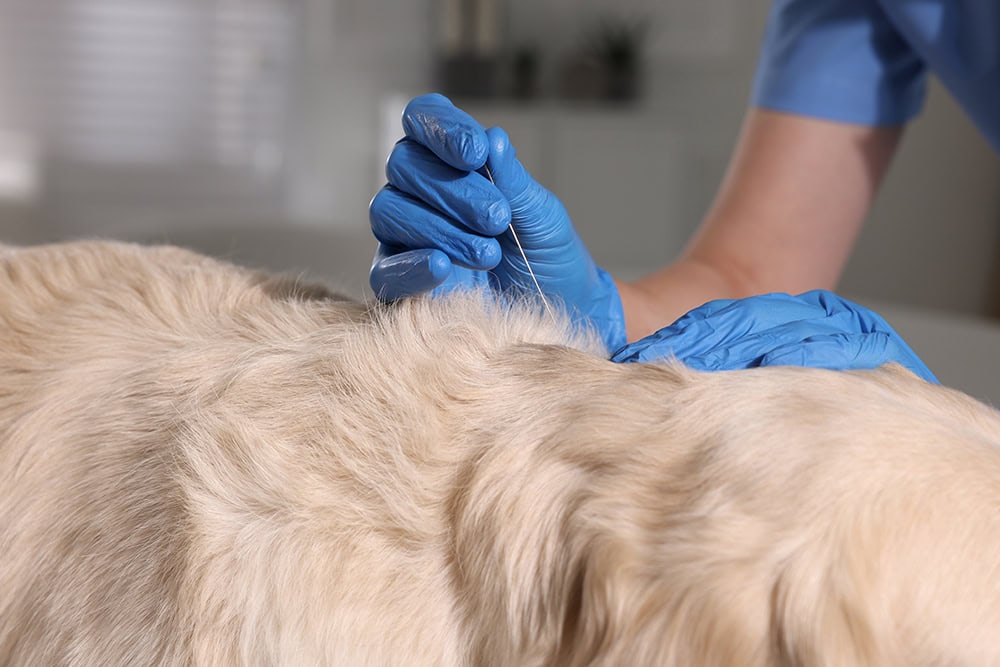
According to IVAS, acupuncture may be indicated for medical conditions involving paralysis, noninfectious inflammation, and pain. Common medical conditions of companion animals, including dogs, which may benefit from acupuncture include:

Benefits and Effectiveness of Acupuncture
Specific benefits attributed to acupuncture may include pain relief, improved wound healing, changes in blood pressure, appetite stimulation, and improved immune system function. However, the majority of veterinary literature details the effectiveness of acupuncture with regard to pain control.
According to a 2017 study, dogs suffering from neurologic and musculoskeletal diseases that were treated with acupuncture saw reduced pain and improved quality of life. Additionally, the most recent AAHA Pain Management Guidelines acknowledged acupuncture to be an effective adjunct treatment in controlling post-operative pain in cats and dogs, as well as in managing intervertebral disc disease. They did not, however, note a benefit in the management of osteoarthritis in dogs, stating that additional work is needed to more fully evaluate acupuncture's role as part of an effective pain control plan.
Risks and Side Effects of Acupuncture
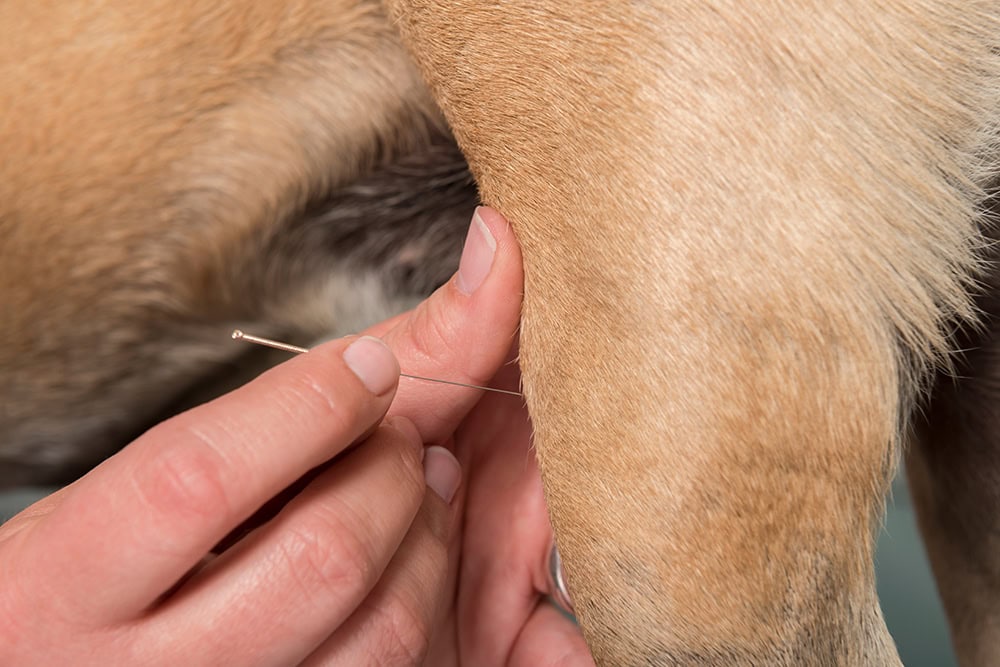
Acupuncture is considered to be safe, with a low risk of adverse effects when performed by a licensed veterinarian with advanced training in acupuncture. Minor side effects that may be experienced by your dog include soreness, tiredness, increased water intake, muscle spasm, and mild bleeding. When experienced, these adverse effects typically resolve quickly. More serious side effects such as infection, dermatitis, or broken needles occur rarely.
Where Can My Dog Receive Acupuncture Treatment?
Before considering acupuncture for your canine companion, a discussion with your primary veterinarian is recommended. This individual will have the most complete knowledge of your dog's history and current medical conditions and will be able to offer advice as to whether acupuncture may be beneficial for your pet.
If your veterinarian feels that acupuncture may be an appropriate complementary treatment for your dog, locating a practitioner in possession of both a veterinary medical license and certification in veterinary acupuncture is essential. Your veterinarian may be able to refer you to a veterinary acupuncturist in your area; otherwise, several websites exist that can help you locate a provider near you:
What To Expect During Acupuncture Treatment
Once you have located a veterinary acupuncturist, an initial consultation will likely be recommended to allow your veterinarian time to discuss your pet's history and perform an examination. This visit will facilitate the creation of a treatment plan to address your pet's specific needs.
Number of Treatments
The duration and number of treatments that may be recommended will vary based on your pet's specific medical condition; however, treatments are generally scheduled on a weekly basis for 4–6 weeks. Acute injuries may require more frequent treatments, while chronic conditions or disease processes can be managed on a weekly schedule as noted above. It may take several treatments to appreciate improvement in your pet's condition.
Pricing
Understanding the cost associated with veterinary acupuncture is important before initiating treatment for your pet. The most accurate estimate of costs associated with acupuncture for your dog can be obtained from the clinic or veterinarian that will be providing this service. The cost of veterinary acupuncture can vary widely based on geographical location, experience and credentials of the provider, as well as any additional treatments that are recommended for your pet's specific condition. You can expect to pay as little as $60 and as much as $300+ per session.
Conclusion
Veterinary acupuncture is a safe and well-tolerated form of complementary medicine that may be especially useful as a component of multimodal pain management. Considering acupuncture treatments, especially as a complement to more traditional Western medicine, may offer improved comfort and healing for the canine in your life.
Featured Image Credit: msgrafixx, Shutterstock
Get Hepper In Your Inbox


Pet care tips from our vets and experts, straight to your inbox.
You may opt-out at any time. View our Privacy Policy for more information.
Dr. Leigh is a US-based veterinarian with over 9 years of experience. She is a lifelong animal lover who grew up with all kinds of pets, including dogs, hamsters, and fish. Leigh received her Doctor of Veterinary Medicine degree from the University of Minnesota and has specialized in shelter medicine and small animal clinical practice ever since. She enjoys small animal preventative medicine and surgery and loves helping pet owners by sharing her knowledge on a wide variety of veterinary topics. Leigh lives with her husband, two young children, and Hershey, her elderly pug mix. Outside of work Leigh likes traveling, reading, and hanging out with her family.
When Dr. Leigh was a child, her passion for animals started. She grew up tending to hamsters, guinea pigs, rats, fish, and dogs. She now shares her home with her husband, her two young children, and Hershey, her geriatric pug mix. When she's not working, Leigh loves spending time with her family, reading, and traveling.
Education
Leigh graduated from the University of Minnesota, where she received her Doctor of Veterinary Medicine degree. She has worked in both small animal clinical practice and shelter medicine since graduation.
Experience
Dr. Leigh has over 9 years of veterinary experience. She enjoys small animal preventative medicine and surgery and is passionate about helping pet owners through sharing her knowledge on a wide variety of veterinary topics.
Check out some of our top posts written by our veterinarian team:
Can I Put Vaseline on My Cat’s Paws? Is It Safe?
Join the conversation
Ask a question, share your story, or send private feedback.