Hepper is reader-supported. When you buy via links on our site, we may earn an affiliate commission at no cost to you. Learn more.
12 Sphynx Cat Health Problems: Vet-Approved Prevention & Treatment


Sphynx cats are known for being healthy and hardy, but that doesn't mean they're immune to health problems. In this blog post, we'll discuss the most common Sphynx cat health problems and how you can prevent and treat them.

The 12 Common Health Issues of Sphynx Cats
1. Respiratory Problems
One of the most common Sphynx cat health problems is respiratory problems. Because they lack fur, Sphynx cats are prone to upper respiratory infections, asthma, and allergies. The best way to prevent these problems is to keep your cat indoors and away from other animals. If you must take your Sphynx outside, make sure to do so in a carrier or on a leash.
If your Sphynx does develop respiratory problems, the best course of treatment is to take them to the vet as soon as possible. The sooner you catch and treat these problems, the better.
2. Obesity
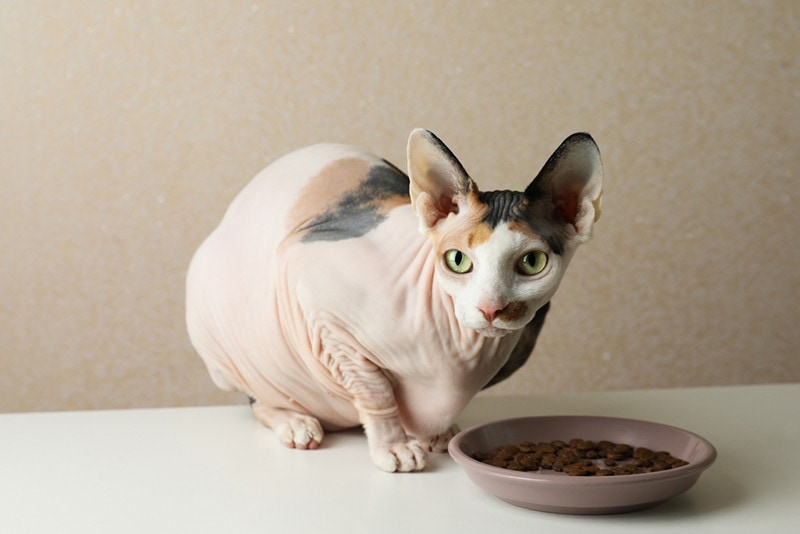
Another common Sphynx cat health problem is obesity. Because they lack fur, Sphynx cats tend to burn fewer calories than their furry counterparts. This can lead to weight gain and other health problems such as diabetes.
The best way to prevent obesity in your Sphynx is to feed them a healthy diet and give them plenty of exercise. If your cat is already overweight, you'll need to work with your vet to develop a weight loss plan.
3. Hairballs
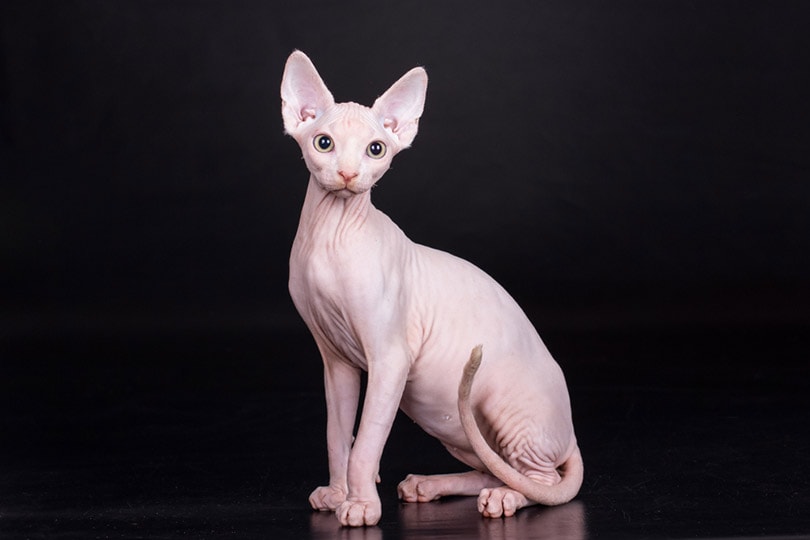
Sphynx cats may not have fur, but that doesn't mean they don't get hairballs. In fact, because they lack fur, Sphynx cats are more likely to suffer from hairballs than other cats. The best way to prevent hairballs is to brush your cat regularly and give them a high-quality diet.
If your Sphynx does get a hairball, the best course of treatment is to give them a special hairball remedy prescribed by your vet.
4. Heatstroke
Another common health problem in Sphynx cats is heatstroke. Because they lack fur, Sphynx cats are very sensitive to heat and can easily overheat. The best way to prevent heatstroke is to keep your cat indoors during hot weather and make sure they have access to fresh, cool water at all times.
If your Sphynx does suffer from heatstroke, the best course of treatment is to take them to the vet as soon as possible.
5. Eye Problems
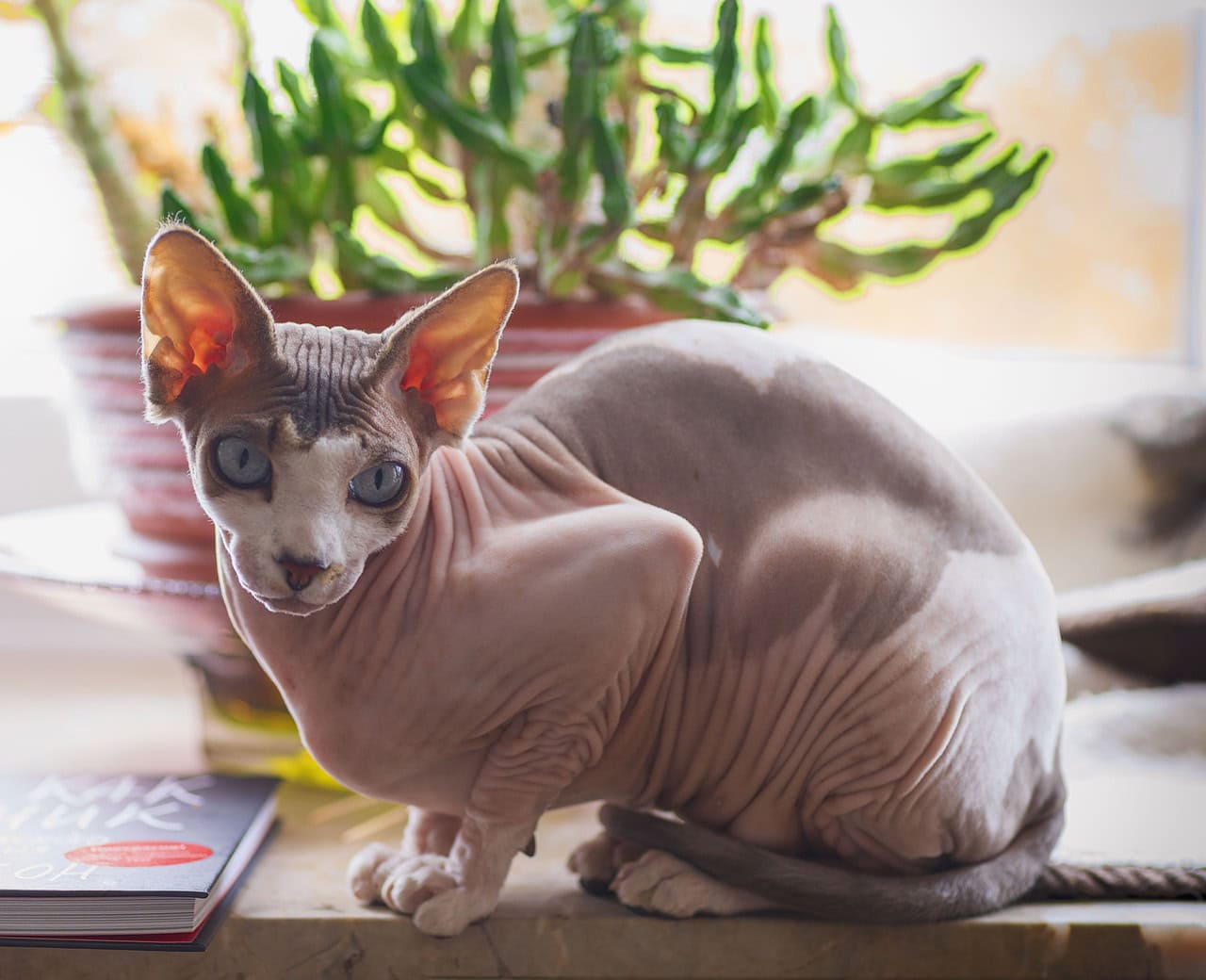
Another common health problem in Sphynx cats is eye problems. Sphynx cats are susceptible to a condition called conjunctivitis, which is an inflammation of the eye. They are also at risk for corneal ulcers and other eye infections.
To prevent these problems, it's important to keep your Sphynx's eyes clean and free of debris. You should also avoid letting your cat outdoors, as the UV rays can damage their eyes. If your Sphynx does develop an eye problem, take them to the vet as soon as possible for treatment.
6. Skin Problems
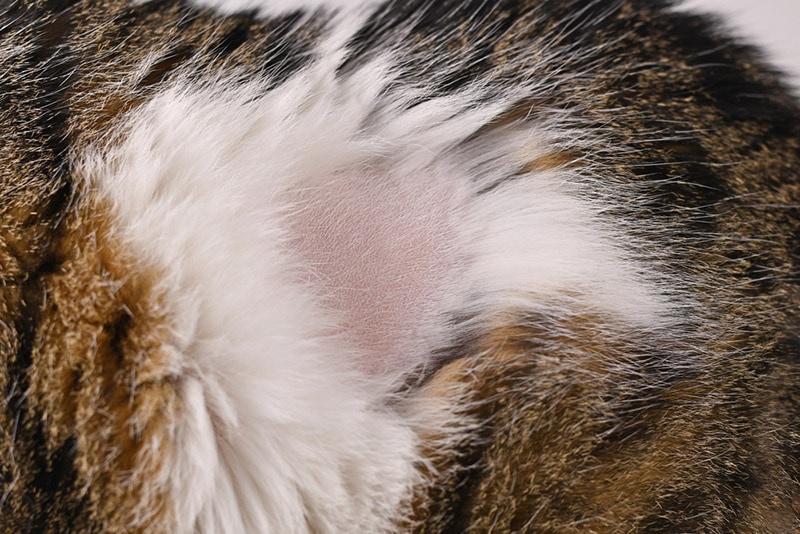
Sphynx cats are also prone to skin problems. Because they have no fur, their skin is very sensitive and can be easily irritated. The most common skin problems in Sphynx cats include allergies, rashes, and hot spots.
To prevent these problems, it's important to keep your Sphynx's skin clean and free of irritants.
7. Sunburn
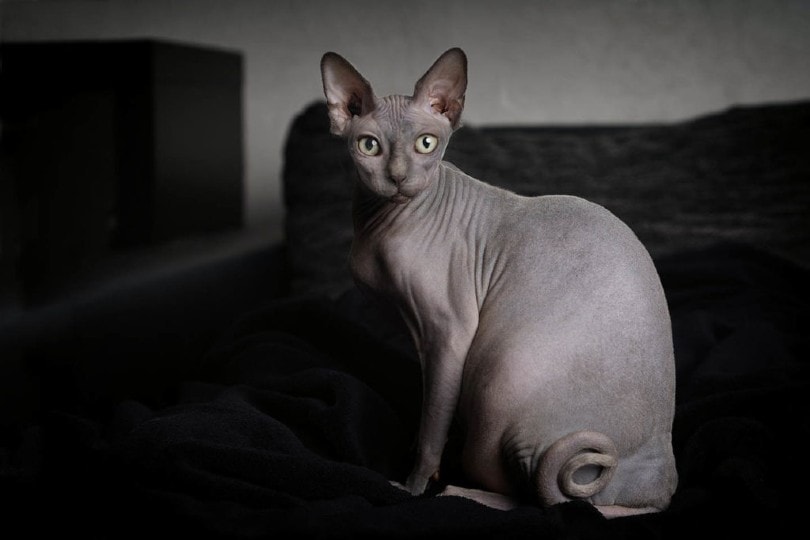
One of the most unique Sphynx cat health problems is sunburn. Because they have no fur, their skin is very sensitive to the sun's UV rays. If your Sphynx spends too much time in the sun, they can develop a painful sunburn.
To prevent this problem, it's important to keep your Sphynx indoors and out of the sun. If you must take your Sphynx outside, make sure to do so in a carrier or on a leash. If your Sphynx does get sunburned, take them to the vet as soon as possible for treatment.
8. Hypothermia
Another unique health problem in Sphynx cats is hypothermia. Because they have no fur, their bodies are not able to regulate their temperature as well as a cat with fur. If your Sphynx gets too cold, they can develop hypothermia.
To prevent this problem, it's important to keep your Sphynx indoors and out of the cold. Make sure they have plenty of warm beds and blankets in each room.
9. Behavioral Problems
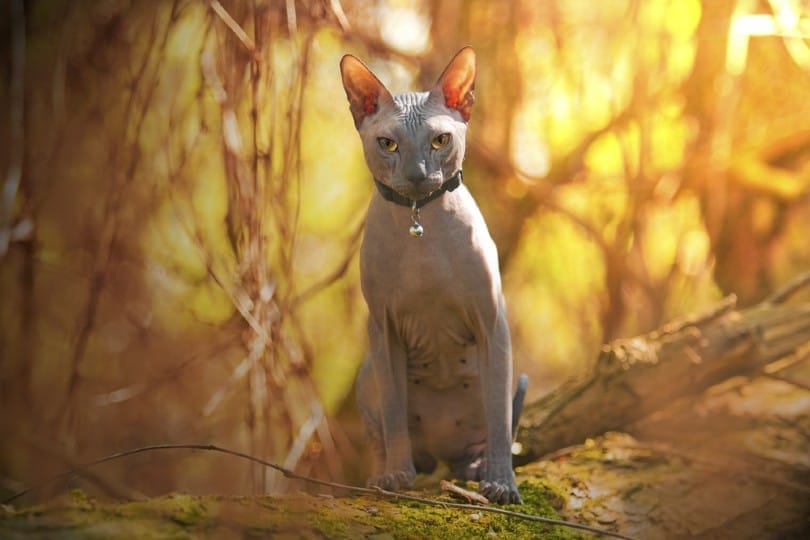
Sphynx cats are also prone to behavioral problems. They can be easily stressed and anxious. The most common behavioral problems in Sphynx cats include biting, scratching, and excessive meowing.
To prevent these problems, it's important to keep your Sphynx's environment calm and stress-free. These behaviors, if they are unlike your cat, can be a sign that your cat is sick or in pain. Some cats show how they're feeling more in their behavior than in their physical symptoms.
10. Heart Problems
Sphynx cats can also be prone to heart problems. Because they lack fur, their hearts can't regulate their body temperature as well, which can lead to arrhythmias and other heart problems. The best way to prevent these problems is to keep your Sphynx indoors and away from extreme temperatures. If you must take your Sphynx outside, make sure to do so in a carrier or on a leash.
If your Sphynx does develop heart problems, the best course of treatment is to take them to the vet as soon as possible.
11. Dental Disease
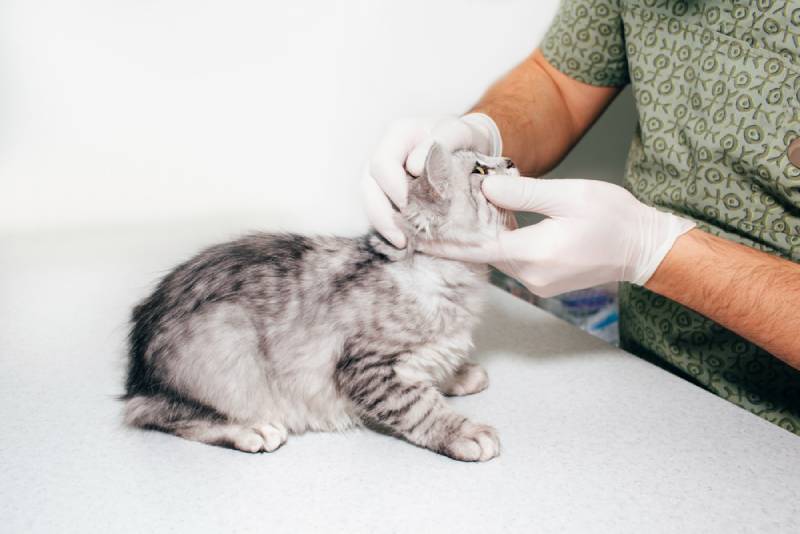
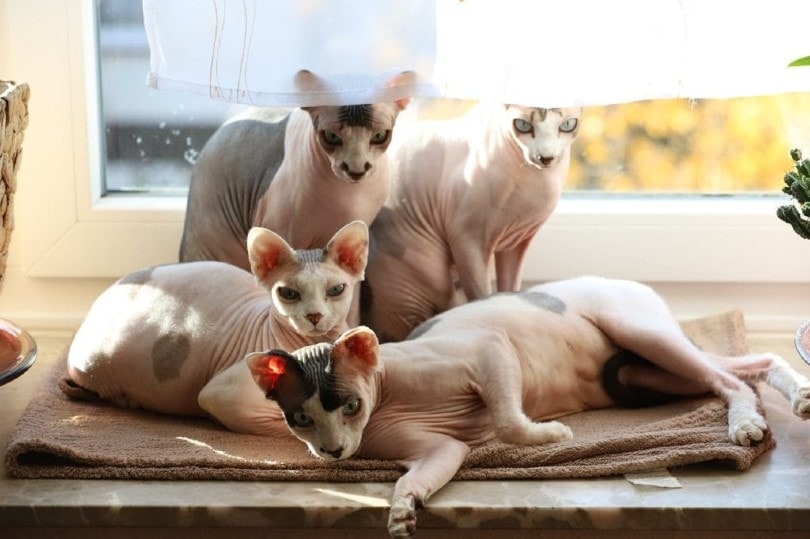
Another common health problem in Sphynx cats is dental disease. Their teeth are more susceptible to plaque and tartar build-up than some other breeds. The best way to prevent these problems is to brush your Sphynx's teeth regularly and take them to the vet for regular dental check-ups.
The same gene that causes hairlessness can also cause their teeth to turn black. This can lead to periodontal disease and other oral health problems.
If your Sphynx does develop dental disease, the best course of treatment is to take them to the vet as soon as possible.
12. Loneliness
Sphynx cats are very social creatures. They need to be kept warm, but they also need time to explore, climb, get attention from their humans and even play with other cats. Avoid the urge to keep your cat bundled up at all times and have some beds your cat can choose to go in and out of themselves. They'll make sure to snuggle up when they get too cold or sleepy.
When to See Your Vet
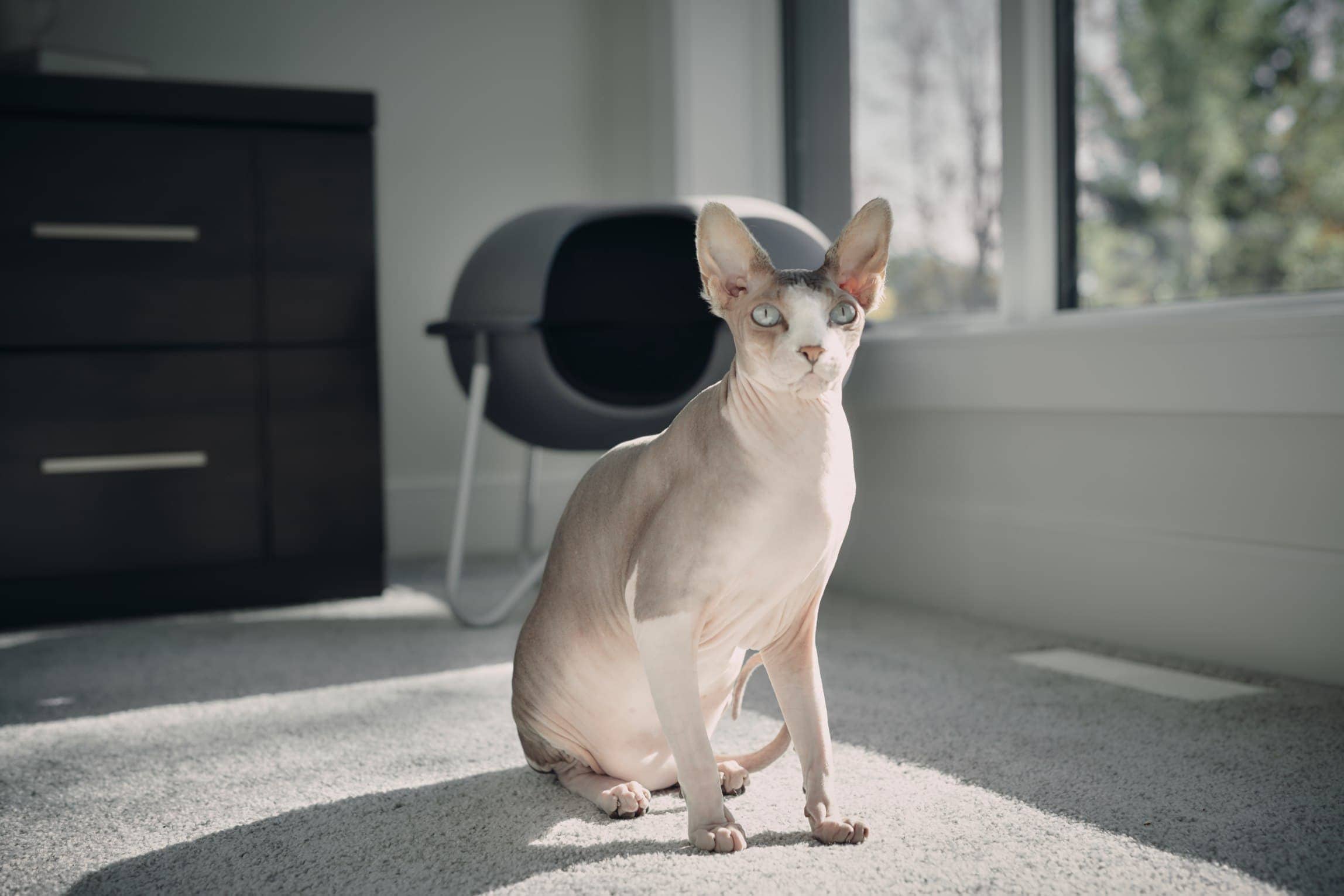
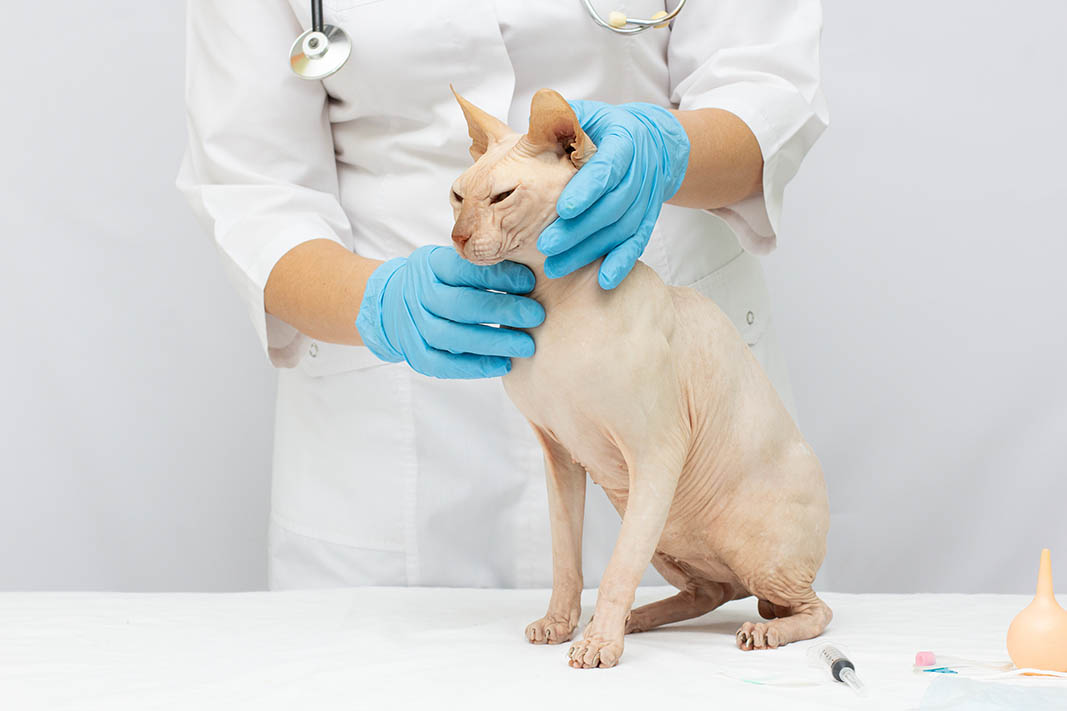
If you think your Sphynx may be sick, it's important to see your vet as soon as possible. The sooner you catch and treat health problems, the better.
Signs You May Need to See Your Vet
If you notice any of these signs, make an appointment with your vet right away. Your Sphynx will thank you!
Keeping Your Sphinx Cat Healthy
Healthy Diet
One of the best ways to keep your Sphynx cat healthy is to feed them a healthy diet. Sphynx cats are obligate carnivores, meaning they require a diet that is high in protein and low in carbohydrates. The best way to ensure that your Sphynx is getting a balanced diet is to feed them high-quality, grain-free cat food.
Regular Exercise
Another important way to keep your Sphynx healthy is to make sure they get regular exercise. Even though they are small, Sphynx cats are very active and need to burn off excess energy. The best way to do this is to provide them with plenty of toys and playtime.
Dental Care
As we mentioned before, Sphynx cats are prone to dental problems. The best way to prevent these problems is to brush your Sphynx's teeth regularly and take them to the vet for regular dental check-ups.
Stimulation
In addition to exercise, Sphynx cats also need mental stimulation. The best way to provide this is to give them plenty of toys and puzzles to keep their minds active.
Keeping Cats Indoors
The best way to prevent Sphynx cat health problems is to keep your cat indoors and away from other animals. If you must take your Sphynx outside, make sure to do so in a carrier or on a leash.
Skin Care
Because Sphynx cats have no fur, their skin is very sensitive. The best way to care for their skin is to use a mild, unscented soap and avoid using any harsh chemicals.
Temperature Regulation
Another important aspect of Sphynx cat care is temperature regulation. Because they lack fur, Sphynx cats are more susceptible to extreme temperatures. The best way to keep your Sphynx comfortable is to keep them indoors and away from drafts.
Preventative Medicine
We recommend that you take your Sphynx to the vet at least once a year for a wellness exam. This will help your vet catch any potential health problems early on.
By following these simple tips, you can help keep your Sphynx healthy and happy for years to come.
A Word About Hypoallergenic Cats
While Sphynx cats are considered to be hypoallergenic, they are not completely allergy-free. Some people may still experience allergic reactions to their saliva or dander. If you think you may be allergic to Sphynx cats, we recommend that you consult with an allergist before getting one.
Conclusion
Sphynx cats are generally healthy and hardy, but they are susceptible to some health problems. By being aware of these problems and taking steps to prevent them, you can help keep your Sphynx healthy and happy for years to come.
Get Hepper In Your Inbox


Pet care tips from our vets and experts, straight to your inbox.
You may opt-out at any time. View our Privacy Policy for more information.
Nicole is a lover of animals of all sizes but is especially fascinated with the feline variety. She’s the proud mom of Baby, a Burmese, and works every day so he can relax in the sunshine or by the fire. She’s always had a cat in her home and has spent countless days with others, observing behaviors and softening up even the grouchiest of the lot. Nicole wants to share her kitty expertise with you so you and your cat can live happy, healthy, and care-free.
Join the conversation
Ask a question, share your story, or send private feedback.