Hepper is reader-supported. When you buy via links on our site, we may earn an affiliate commission at no cost to you. Learn more.
16 Great Tank Mates for Cory Catfish: 2026 Compatibility Guide
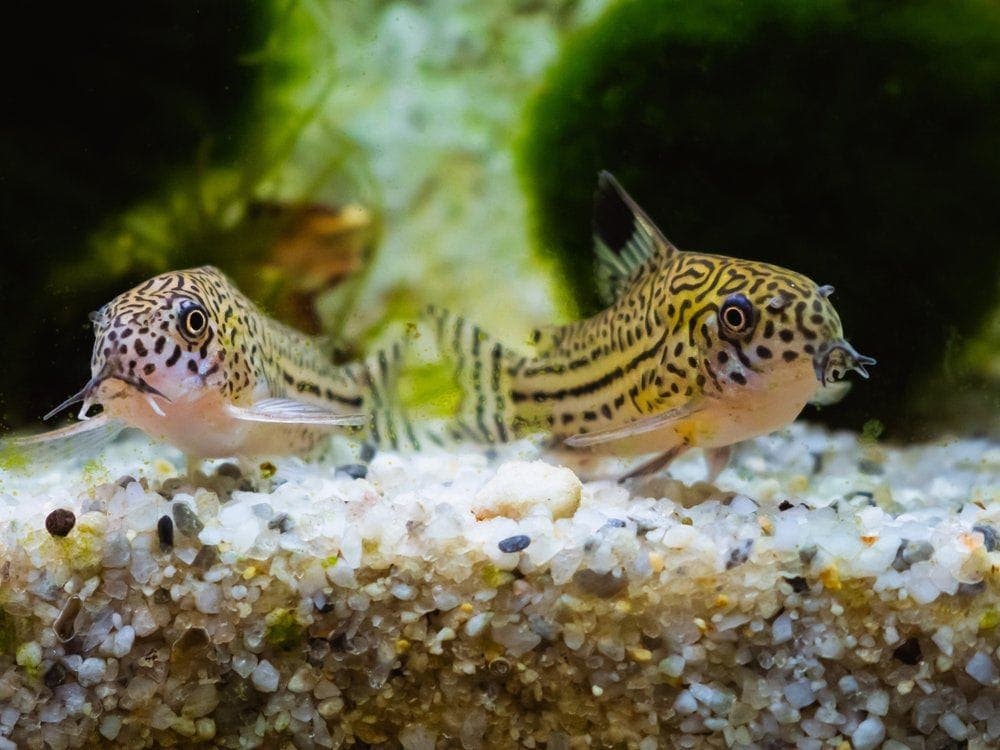
Corydoras catfish, corys, or cory catfish for short, come in a wide variety of colors and are one of the easiest freshwater fish to keep. A popular choice for first-time aquarium keepers, corys are entertaining, gentle fish who keep to themselves and love to scavenge along the bottom of a tank.
Corys prefer to live in groups of at least five, but their peaceful nature also means they can live happily with a wide variety of other tank mates. If you’re looking to build a diverse freshwater aquarium, cory catfish are a great species to build around.
Here are the 16 best tank mates for cory catfish, as well as some reasons why giving your corys tank mates can be beneficial.

The 16 Tank Mates for Cory Catfish Are
1. Neon Tetra (Paracheirodon) — Most Compatible
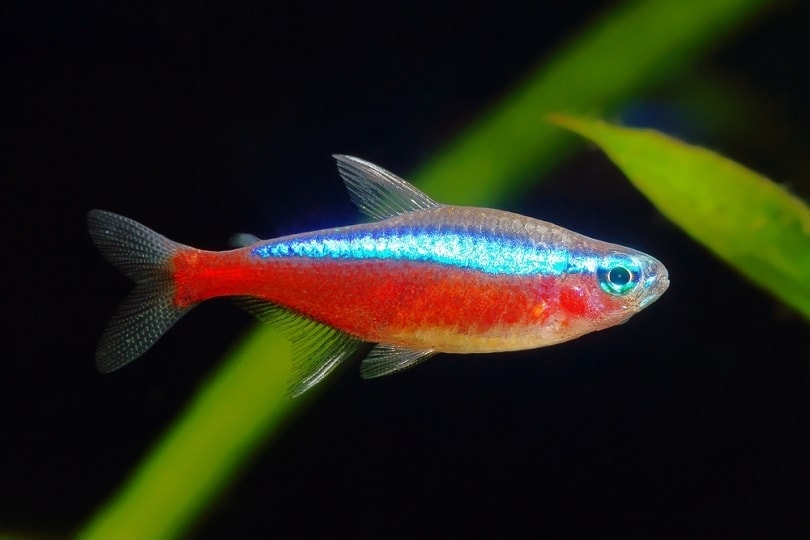
| Size: | 1.5 inches (4 centimeters) |
| Diet: | Omnivore |
| Minimum tank size: | 10 gallons (38 liters) |
| Care level: | Medium |
| Temperament: | Peaceful |
In the wild, cory catfish and neon tetras are often found swimming together, making neon tetras a natural choice of tank mate for your corys. Like corys, neon tetras are peaceful, non-aggressive fish. Neon tetras need to live in a school of 15 to 20 fish, so make sure your aquarium is large enough to accommodate the tetras and corys safely.
2. Harlequin Rasbora (Trigonostigma heteromorpha)
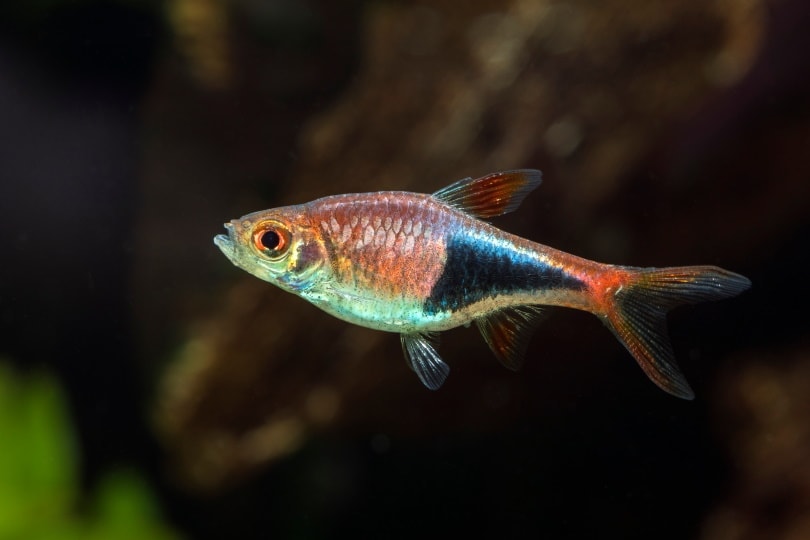
| Size: | 1.75 inches (4.5 centimeters) |
| Diet: | Omnivore, leaning more carnivore |
| Minimum tank size: | 10 gallons (38 liters) |
| Care level: | Medium |
| Temperament: | Peaceful |
Harlequin rasboras are another peaceful, colorful species that make excellent tank mates for cory catfish. Like corys, harlequin rasboras are hardy and non-aggressive. They are schooling fish who need to live in a group of at least six, although they prefer 10 to 20 friends. Many other rasbora species are also compatible with corys and each other.
3. Swordtails (Xiphophorus helleri)
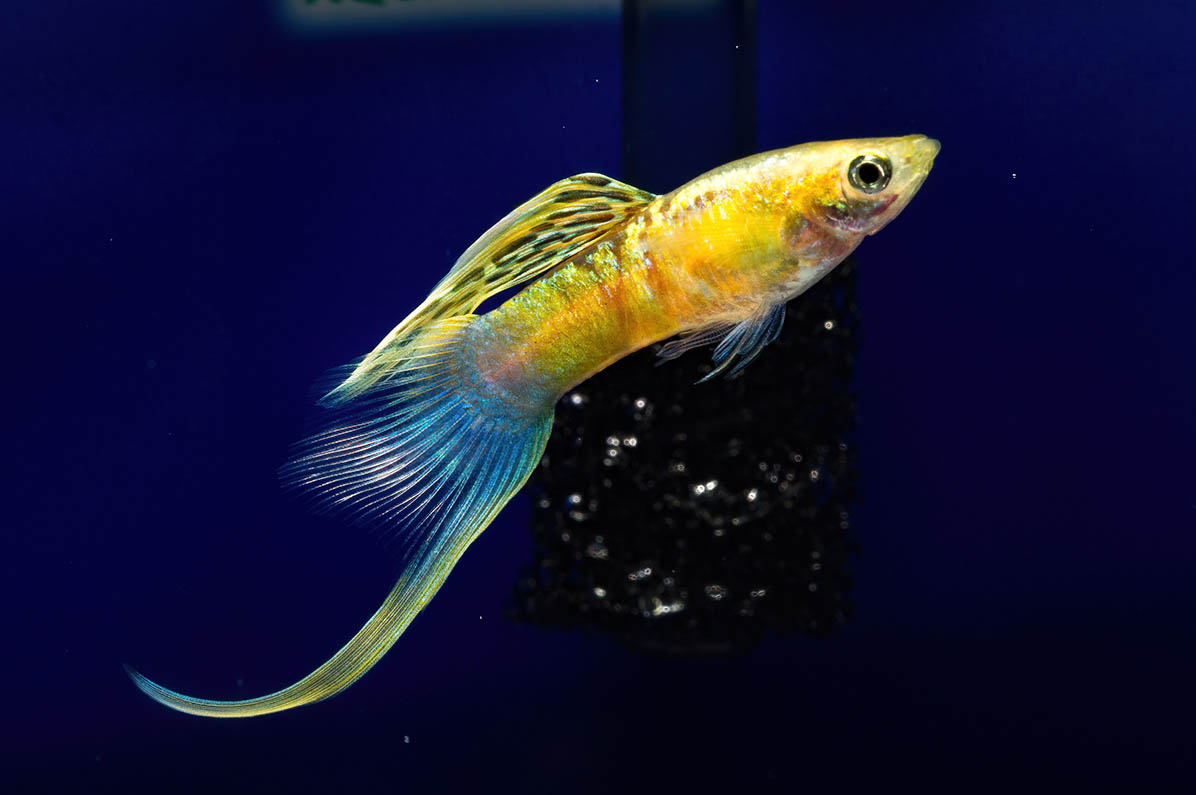
| Size: | 3–4 inches (8–10 centimeters) |
| Diet: | Omnivore |
| Minimum tank size: | 20 gallons (76 liters) |
| Care level: | Easy |
| Temperament: | Peaceful |
Swordtails are larger fish than the two cory tank mates we already discussed. They need to live in a group of about five, so you’ll need a larger tank to keep corys and swordtails together. Swordtails and corys don’t usually occupy the same levels of the aquarium, another reason that they make compatible tank mates.
4. Nerite Snail (Neritina natalensis)
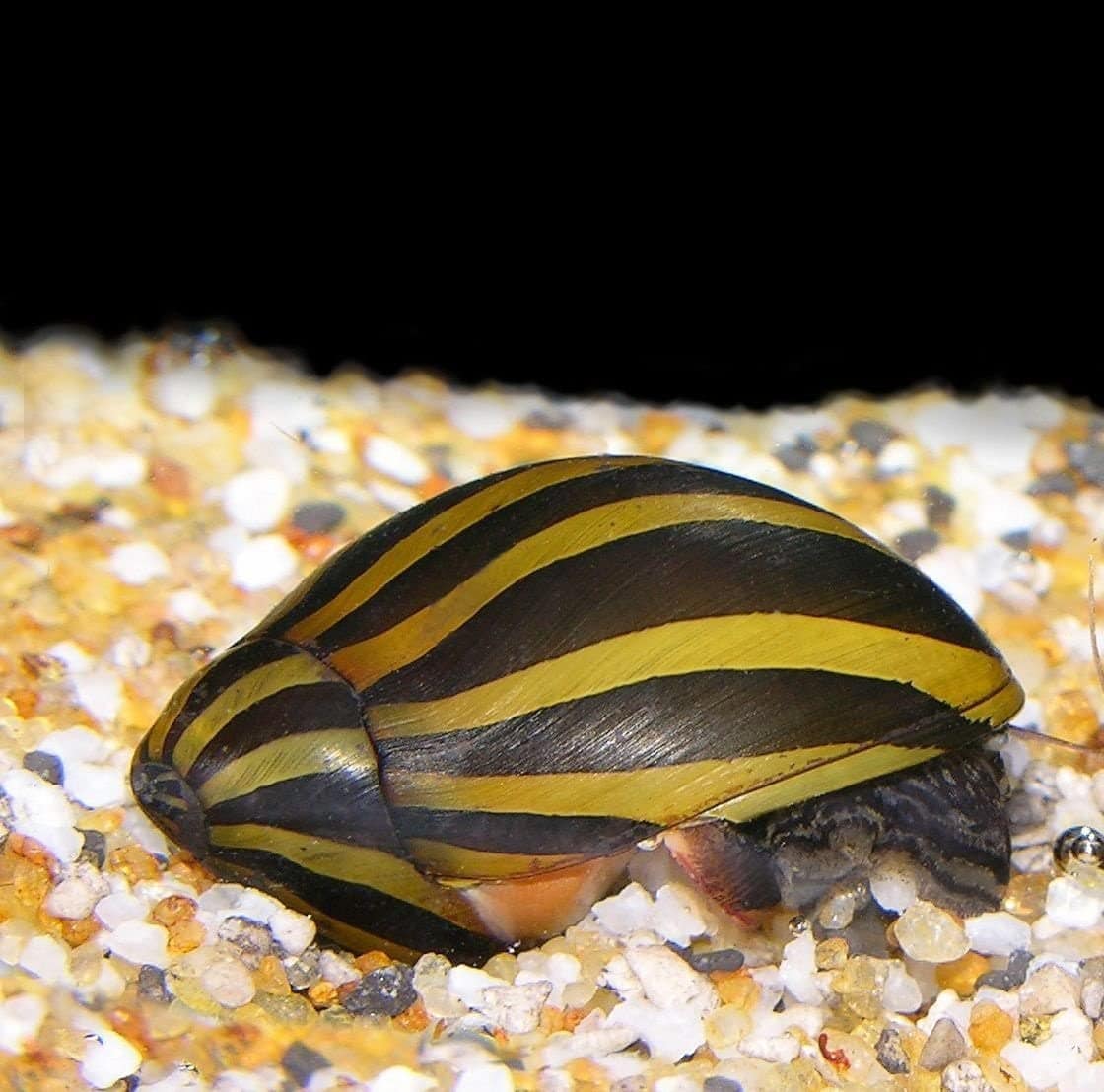
| Size: | 1 inch (2.5 centimeters) |
| Diet: | Herbivore |
| Minimum tank size: | 5 gallons (19 liters) |
| Care level: | Easy |
| Temperament: | Peaceful |
If you’re looking for a non-fish tank mate for your cory, snails such as the nerite snail are a good option. Nerites are peaceful and easy to care for, with beautifully patterned shells. They won’t bother your cory catfish, but even more importantly, the corys won’t try to eat the nerites! Keeping a nerite snail in your aquarium is one of the best ways to help keep your tank clean because they eat algae and other waste.
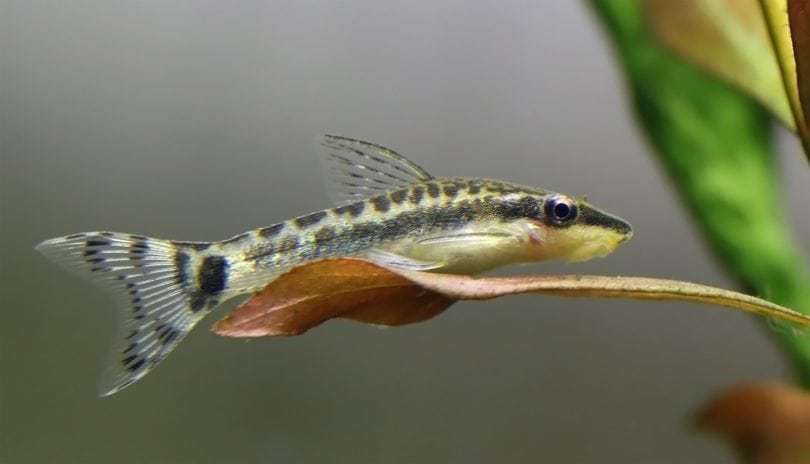
5. Otocinclus Catfish (Otocinclus macrospilus)
| Size: | 2 inches (5 centimeters) |
| Diet: | Herbivore |
| Minimum tank size: | 10 gallons (38 liters) |
| Care level: | Medium |
| Temperament: | Peaceful |
If snails don’t appeal to you, but you like the idea of an algae-eating aquarium inhabitant, otocinclus catfish, or oto cats, might be just what you’re looking for. Oto cats and corys are both bottom-dwelling catfish species, but their peaceful natures allow them to co-exist as tank mates. Oto cats are fantastic at keeping tanks free of brown algae. Because they can be fragile, these catfish don’t pair well with many other fish, so mellow corys are ideal tank mates for them.
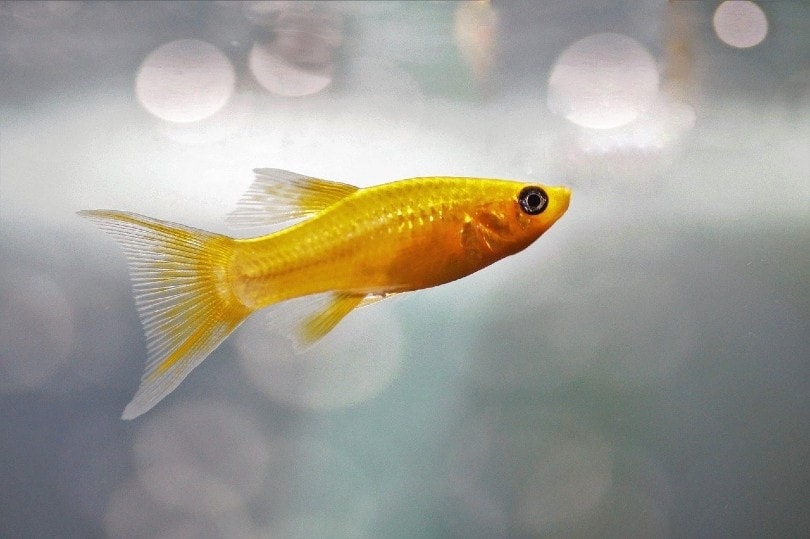
6. Mollies (Poecilia)
| Size: | 4 inches (10 centimeters) |
| Diet: | Omnivores |
| Minimum tank size: | 10 gallons (38 liters) |
| Care level: | Easy |
| Temperament: | Peaceful |
Mollies come in many different varieties, all of whom make compatible tank mates with cory catfish. Mollies and corys live in different levels of your aquarium, but you’ll need to make sure the tank is large enough to give both species plenty of space. In a too-small tank, mollies and cory catfish still won’t be dangerously aggressive but may chase each other more than they would in a larger tank.
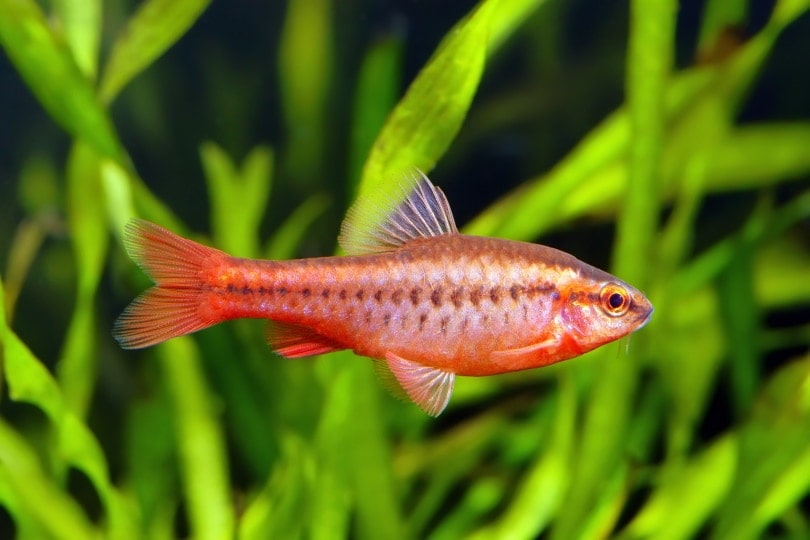
7. Cherry Barb (Puntius titteya)
| Size: | 2 inches (5 centimeters) |
| Diet: | Omnivores |
| Minimum tank size: | 25 gallons (95 liters) |
| Care level: | Easy |
| Temperament: | Peaceful |
Cherry barbs make brightly colored, easy-to-care-for tank mates for cory catfish. They prefer to live in groups of five to six fish. Cherry barbs are shy fish who don’t do well with aggressive tank mates, making corys their ideal neighbors as well! Make sure your tank has plenty of hiding spaces to make cherry barbs feel safe and at home.
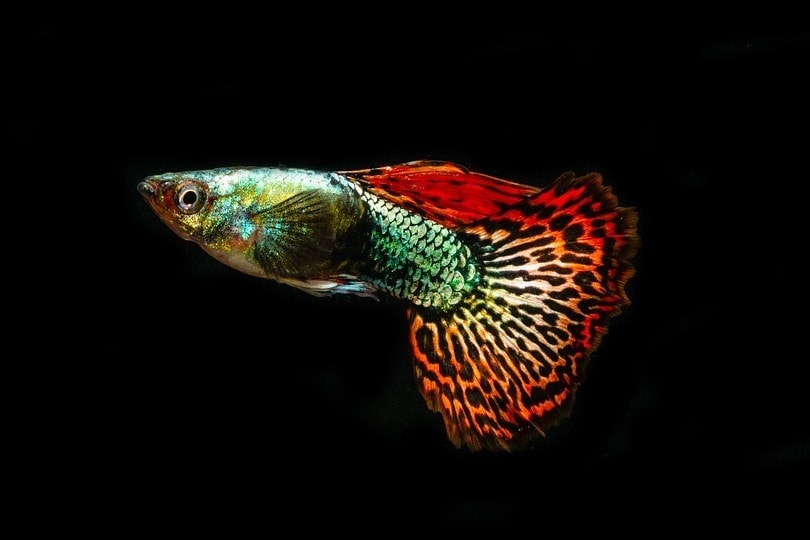
8. Fancy Guppy (Poecilia reticulata)
| Size: | 2 inches (5 centimeters) |
| Diet: | Omnivore |
| Minimum tank size: | 10 gallons (38 liters) |
| Care level: | Easy |
| Temperament: | Peaceful |
Fancy guppies are among the most well-known pet fish species. Beautifully colored and patterned, fancy guppies have personalities compatible with the cory catfish. Fancy guppies are easy to care for, however, if males and females are kept together, expect them to be active breeders. Male guppies are sometimes aggressive toward each other. Keeping only females is recommended if you prefer not to deal with numerous guppy babies!
9. Angelfish (Pterophyllum scalare)
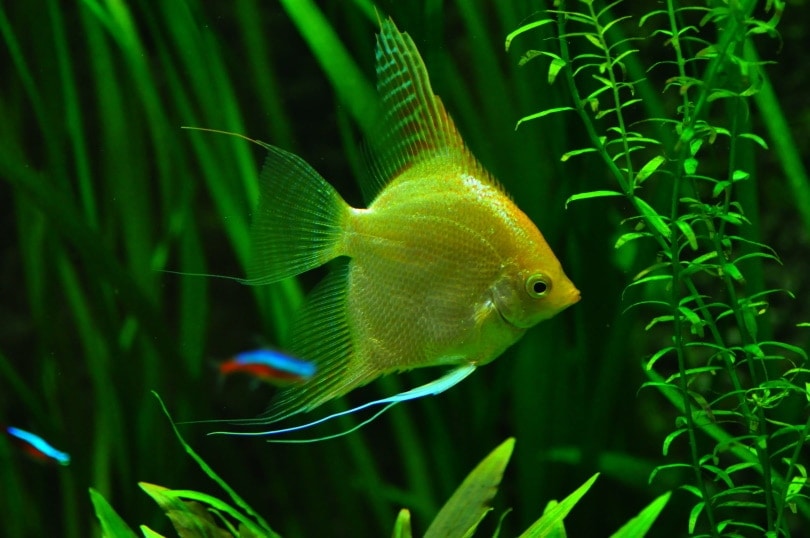
| Size: | 6 inches (15 centimeters) |
| Diet: | Omnivores |
| Minimum tank size: | 30 gallons (114 liters) |
| Care level: | Easy |
| Temperament: | Usually peaceful, may get territorial when breeding |
Angelfish are larger than cory catfish and require a larger tank to give both species enough space. Generally peaceful, angelfish may make snacks of smaller fish species. While they can co-exist with corys, be careful about bringing other small species of fish into your tank if angelfish are present. Angelfish can live alone or in a small group.
10. Platy (Xiphophorus)
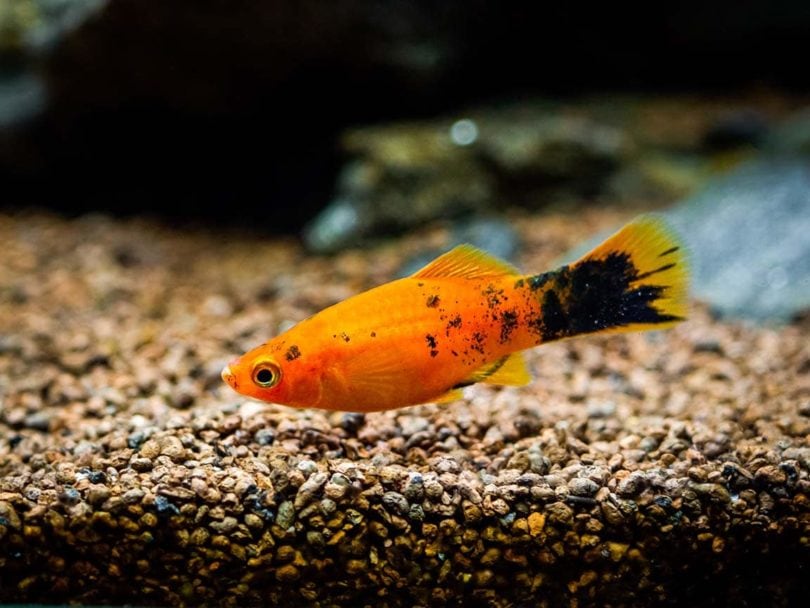
| Size: | 3 inches (8 centimeters) |
| Diet: | Omnivores |
| Minimum tank size: | 10 gallons (38 liters) |
| Care level: | Easy |
| Temperament: | Peaceful |
One of the oldest species of pet fish, platies are also one of the easiest and best choices for community tanks. Platies and cory catfish get along well and make fine tank mates. Because platies and corys both get along with so many different kinds of fish, you can include both species in a diverse tank setup without concern. Platies look similar to the more easily recognized goldfish but are easier to care for.
11. Zebra Danio (Danio rerio)
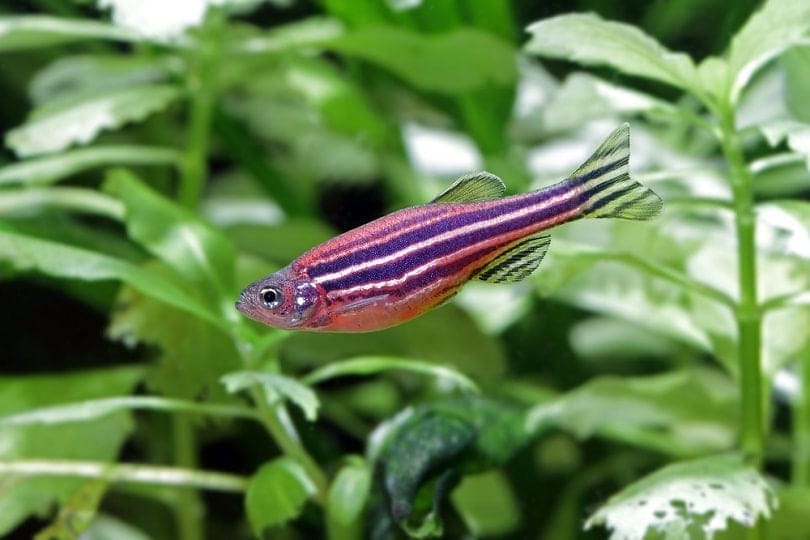
| Size: | 2 inches (5 centimeters) |
| Diet: | Omnivores |
| Minimum tank size: | 10 gallons (38 liters) |
| Care level: | Easy |
| Temperament: | Peaceful |
Zebra danios, also called zebrafish, are a striking option to share a tank with your cory catfish. Tough, energetic swimmers, and tolerant of a range of water temperatures, zebrafish are popular pet fish in their own right, especially for beginners. They live at all levels of an aquarium and should be kept in groups of at least six, or they may be aggressive toward each other.
12. Amano Shrimp (Caridina)
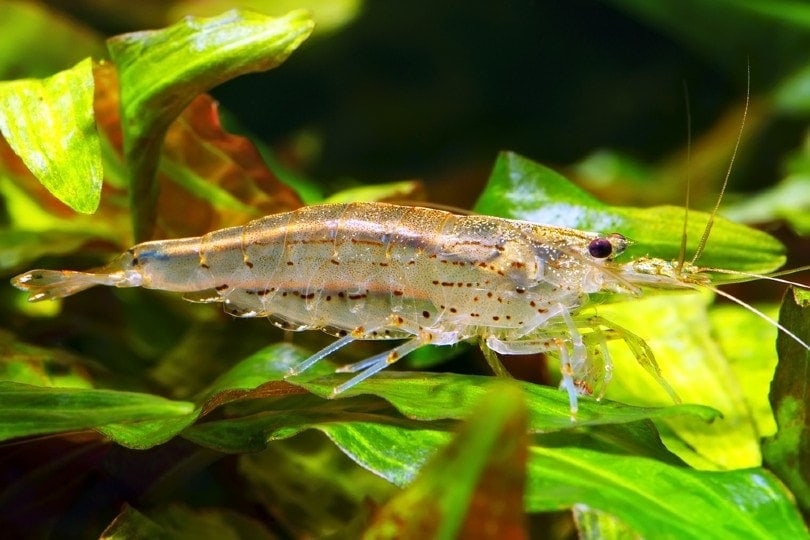
| Size: | 2 inches (5 centimeters) |
| Diet: | Omnivores |
| Minimum tank size: | 10 gallons (38 liters) |
| Care level: | Easy |
| Temperament: | Peaceful |
Another non-fish tank mate for your cory catfish is the amano shrimp. Easier to care for than other freshwater shrimp, the amano excels at keeping tanks clean and free of algae. Both cory catfish and amano shrimp hang out in the bottom of the tank but get along well enough to share the space. You can keep a few amano shrimp together but they may get competitive with each other over food.
13. Honey Gourami (Trichogaster chuna)
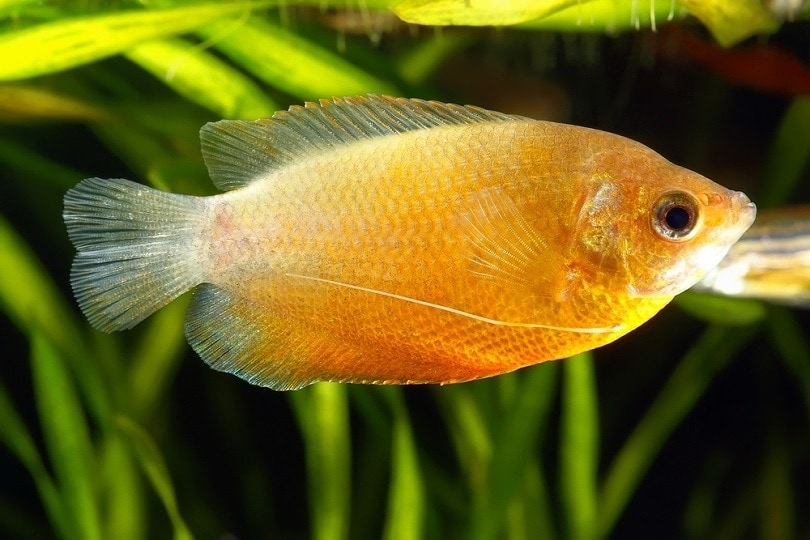
| Size: | 2 inches (5 centimeters) |
| Diet: | Omnivores |
| Minimum tank size: | 10 gallons (38 liters) |
| Care level: | Easy |
| Temperament: | Peaceful |
Honey gouramis are beautiful, easy-keeping fish. Shy by nature, honey gouramis like to live in pairs and will keep their distance from other tank inhabitants. Non-confrontational corys make good neighbors for the honey gourami too. Make sure your tank has plenty of rocks, plants, and other spots for the honey gourami to hide and feel safe.
14. Red Cherry Shrimp (Neocaridina)
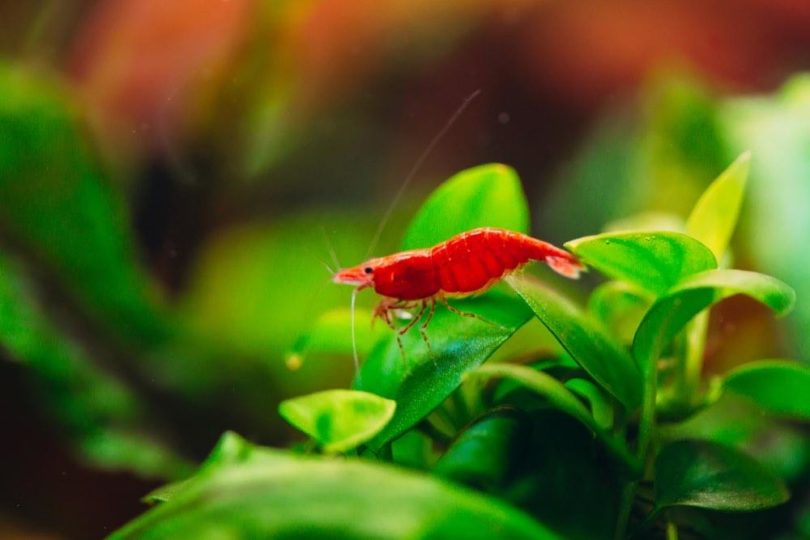
| Size: | 1.5 inches (4 centimeters) |
| Diet: | Omnivores |
| Minimum tank size: | 3 gallons (11 liters) |
| Care level: | Easy |
| Temperament: | Peaceful |
Offering both color and cleaning power, red cherry shrimp are a great choice of tank mate for cory catfish. These shrimp love to clean out the algae and other waste that show up in fish tanks. If you keep a male and female cherry shrimp, baby red cherry shrimp might not be far behind! Docile cory catfish and mellow red cherry shrimp are happy to share their space at the bottom of the tank.
15. Kuhli Loach (Pangio kuhlii)
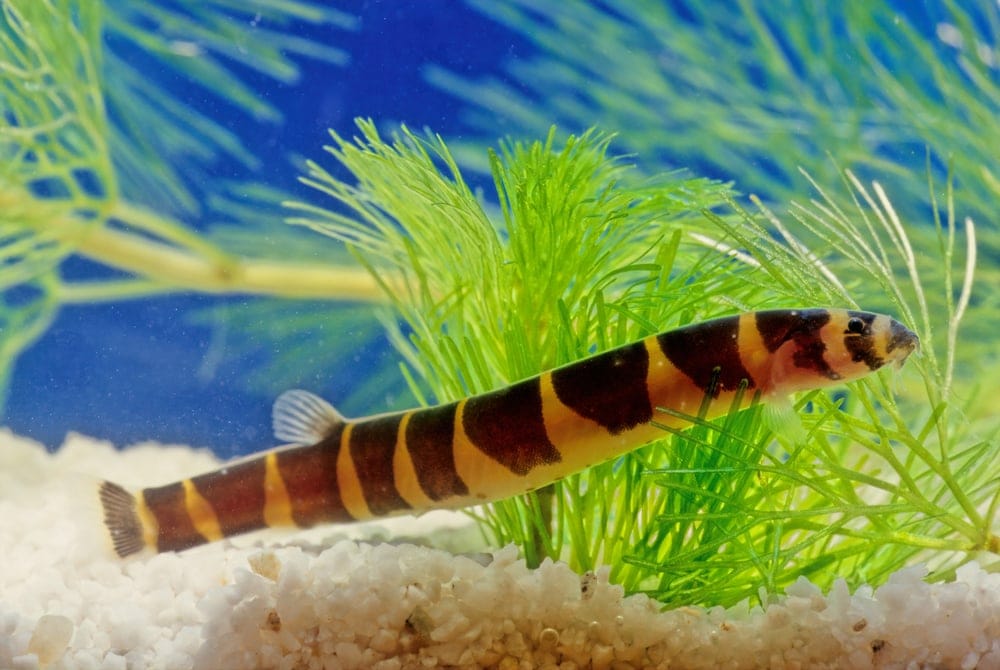
| Size: | 4 inches (10 centimeters) |
| Diet: | Omnivores |
| Minimum tank size: | 20 gallons (76 liters) |
| Care level: | Medium |
| Temperament: | Peaceful |
A unique, eel-like fish, kuhli loaches love to burrow into the bottom of fish tanks. Although they are both generally peaceful fish, make sure your tank is large enough to give corys and kuhli loaches enough space to co-exist, since they are both bottom dwellers. Kuhli loaches prefer to live in groups of three to six fish and are most active at night.
16. Hatchetfish (Carnegiella strigata)
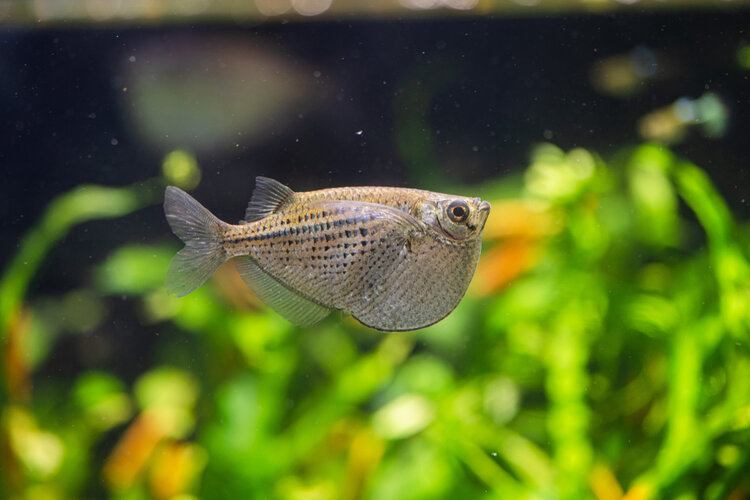
| Size: | 1–1.4 inches (2.5–3.5 centimeters) |
| Diet: | Omnivores |
| Minimum tank size: | 30 gallons (114 liters) |
| Care level: | Medium to Difficult |
| Temperament: | Peaceful |
Our final compatible tank mate for cory catfish aren’t the easiest to care for but they make a unique addition to your aquarium. Hatchetfish are one of the few fish species that live at the top layer of your aquarium. Because they’re small and peaceful, hatchetfish can’t live with any aggressive or even just pushy fish species. They get along well with cory catfish because they stay in different areas of the tank and corys aren’t interested in bullying the hatchetfish when they do interact.

What Makes a Good Tank Mate for Cory Catfish?
As you can see, good tank mates for cory catfish aren’t so hard to find. Good tank mates for corys are other peaceful species of fish, snails, or shrimp. These tank mates should thrive in similar water temperatures and conditions as the cory catfish.
The size of tank mates doesn’t matter as much as a similar peaceful personality. Cory catfish can co-exist with other bottom-dwelling tank mates in the same space if the tank is large enough.
Where Do Cory Catfish Prefer to Live in the Aquarium?
Cory catfish, like all catfish in captivity or the wild, spend their time swimming and scavenging along the bottom of their living space. In the aquarium, corys may make occasional darting runs to the top of the aquarium, but they live and feed primarily at the lowest level of the tank.
Water Parameters
All species of cory catfish originate from South America, where they live in a variety of tropical freshwater sources. In captivity, corys need clean, stable water conditions.
Here are the ideal water parameters for cory catfish:
Cory catfish are sensitive to dirty water or high levels of nitrates. Keep your aquarium water filtered and clean.
Size
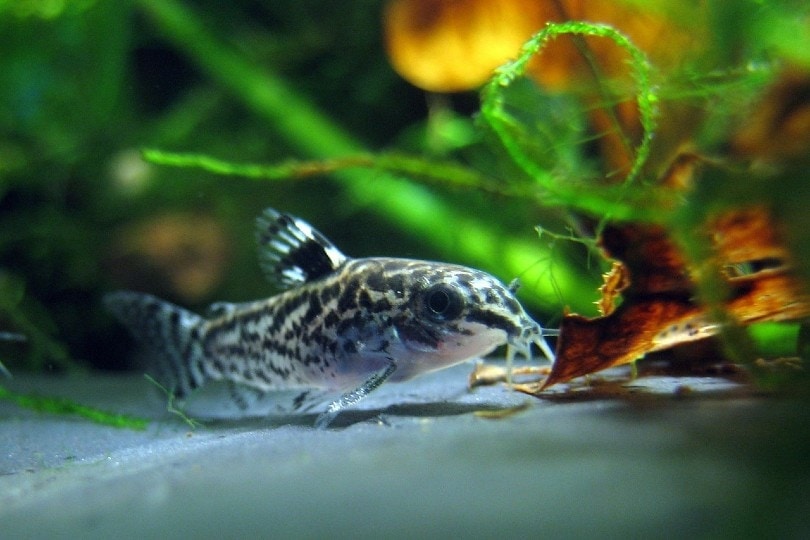
Depending on the species, cory catfish can be anywhere from 1 to 4 inches long. The smallest species of cory is the pygmy cory catfish, which reaches 1 inch or slightly more as adults. The largest is the banded cory catfish, a gorgeously marked fish that can reach 4 inches in length.
Aggressive Behaviors
Cory catfish generally don’t show aggression. If they do display aggressive behavior, it’s usually chasing, rather than attacking or biting other fish. Corys may chase new additions to their tank, usually to get to know them rather than anything more sinister. Corys also sometimes chase and nuzzle each other during breeding.

The 3 Benefits of Having Tank Mates for Cory Catfish in Your Aquarium
1. Friendship
Corys are social fish. In the wild, they share their water space with a host of other fish and invertebrate species. Giving them tank mates helps make their captive environment seem more like their natural home.
2. Cleaning Power
Many cory catfish tank mates not only keep your fish company but also help keep your tank clean as well! We discussed several fish, shrimp, and snail species that double as natural tank cleaners, and there are more to be found as well.
3. Learning
Creating a diverse community aquarium can be a fun and educational experience, especially for a first-time fish owner. Learning how to choose the right tank mates for a Cory catfish, how to keep the right water quality, and how to make sure all the tank mates get the right type and amount of food can be both challenging and enjoyable. Plus, observing how different species interact with each other is fascinating and entertaining.

Conclusion
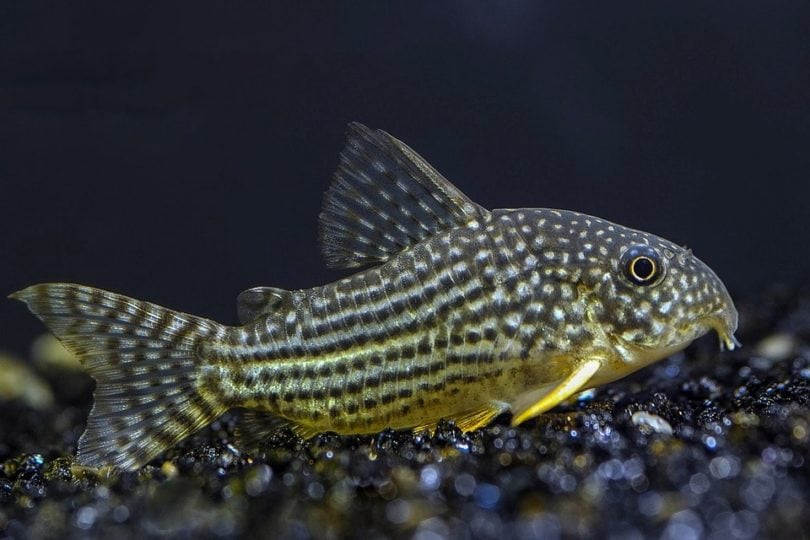
The peaceful nature of the cory catfish gives you many options when it comes to compatible tank mates. As you prepare to add new species to your tank, make sure the tank mates you choose can tolerate the same water conditions as your cory catfish.
Never try to fill your tank with more fish than you have room to keep. Your cory catfish will appreciate tank mates, but they should all have room to breathe. Crowding your tank may lead to health issues with your fish, and your goal should be to create a thriving community aquarium.
See also:
Featured Image Credit: Guillermo Guerao Serra, Shutterstock
Get Hepper In Your Inbox


Pet care tips from our vets and experts, straight to your inbox.
You may opt-out at any time. View our Privacy Policy for more information.

Lindsey discovered her passion for fish keeping after a junior high school field trip to the Shedd Aquarium in Chicago. Prior to becoming Editor-in-Chief of It's a Fish Thing, Lindsey studied marine biology at the University of California-Santa Cruz. She loves goldfish, tetras, and mystery snails, and recently began experimenting with a saltwater aquarium.
Join the conversation
Ask a question, share your story, or send private feedback.