Hepper is reader-supported. When you buy via links on our site, we may earn an affiliate commission at no cost to you. Learn more.
Turtles as Pets: 10 Vet-Approved Pros & Cons


In this article
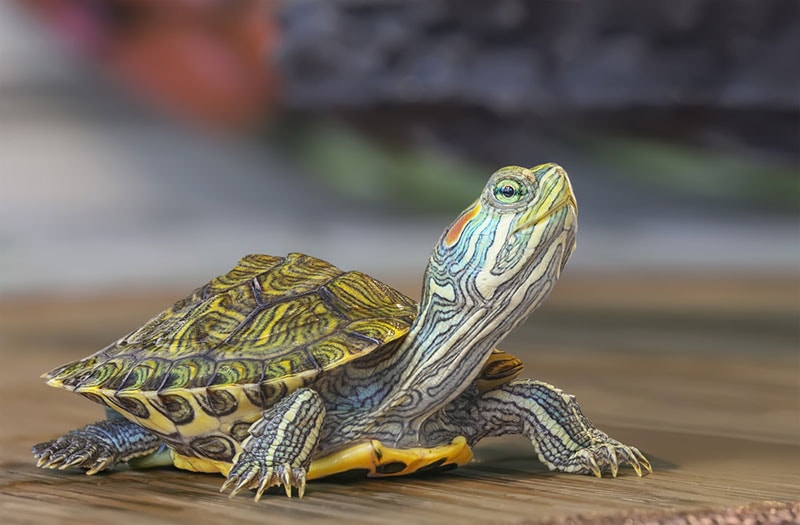
Should you get a pet turtle? If this is a question that you have, you should learn more about these reptiles before getting one as a pet.
A lot of research should be undertaken before you get any pet, but this is particularly true for exotic pets like aquatic turtles. Turtles can make fascinating pets, but they have long lives and require special care to remain healthy and happy.
Let’s have a look at some of the positives and negatives of keeping turtles as pets so you can familiarize yourself with these interesting creatures and make an informed decision about whether they are the right pet for you.

The 3 Pros of Turtles as Pets
1. Turtles are Quiet and Don’t require Constant Interactions
Turtles are quiet pets, especially compared to more common pets like cats and dogs . This can make them a good choice for certain people’s preferences and lifestyles.
While they can be friendly, they are not needy of your attention. They generally don’t like being handled often or look for regular interactions. As long as they have the correct diet and living conditions in their enclosure, you can leave your turtle for periods of time. You don’t need to take them to go potty outside, or play with them, turtles will be content simply minding their own business and basking in their tank.
If you’ve always had an interest in reptiles but have never owned one before, turtles can be a good option compared with some other exotic species. They do have very specialized care requirements though, which vary depending on the species. Choosing a turtle as a pet is not a decision that should be undertaken lightly.
2. These Reptiles Are Unique Creatures That Can Be Various Species, Shapes, and Sizes
You might be surprised by the variety of turtle species that are kept as pets. Here’s a list of a few of the most common ones:
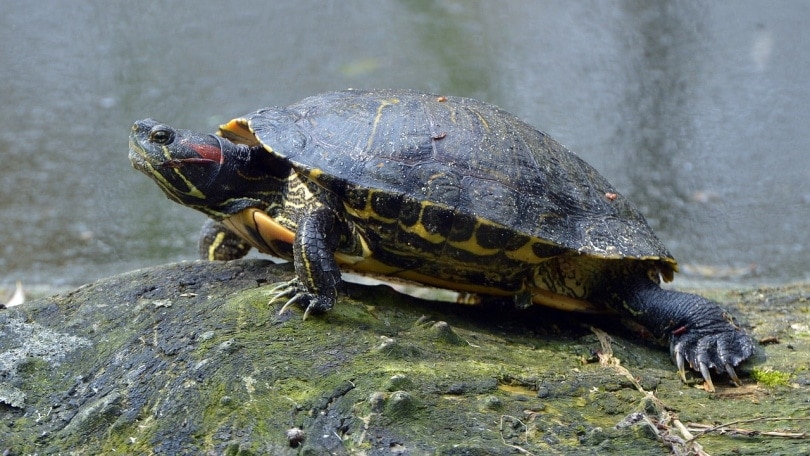
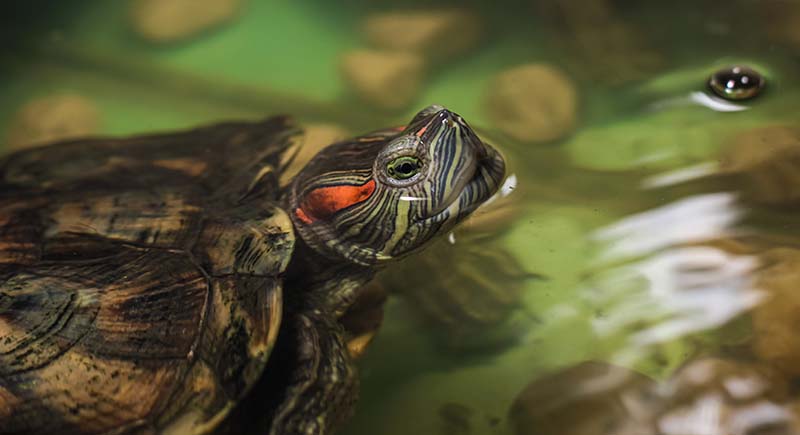
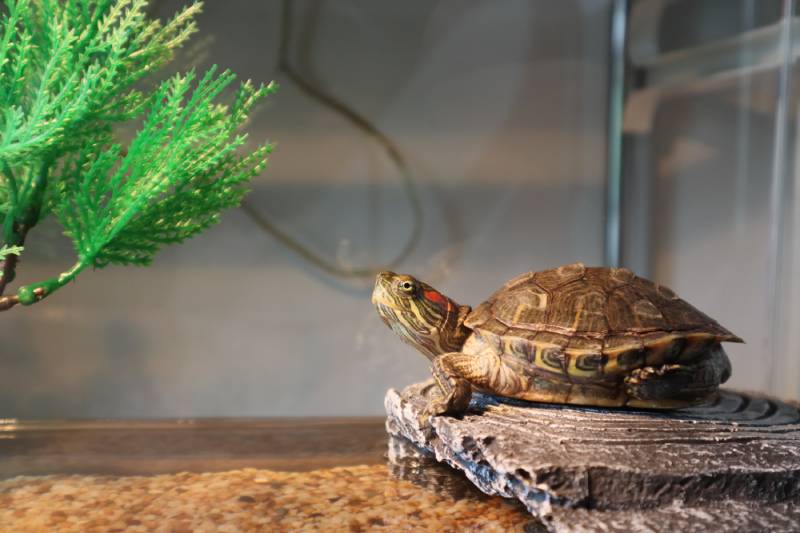
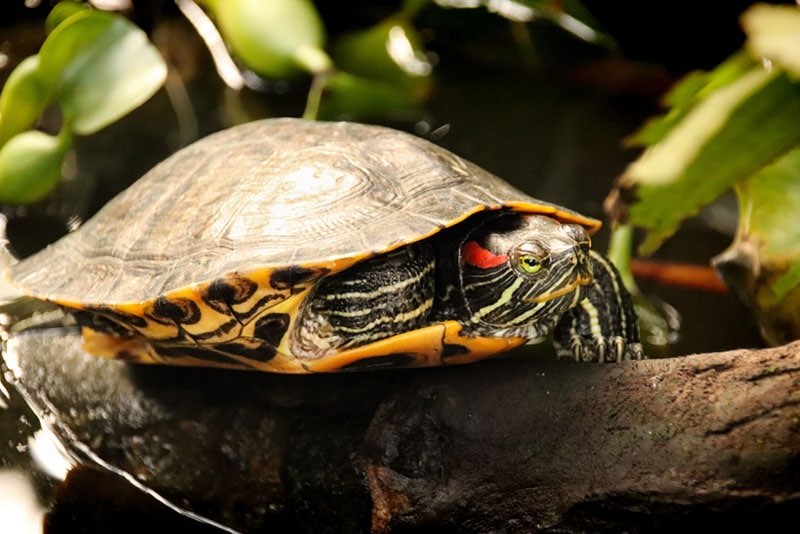
- Red-eared slider — Medium-sized, aquatic turtle species with an olive-brown shell and a red patch behind the ears
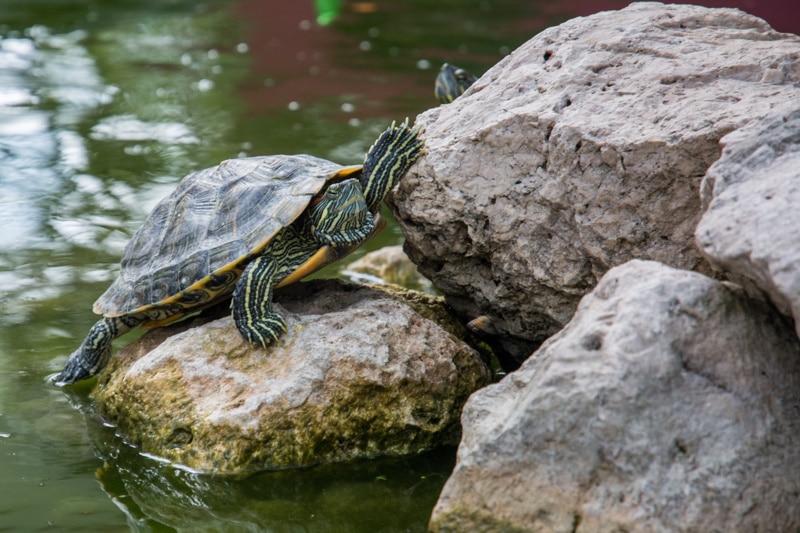
- Yellow-bellied slider — Medium-sized, aquatic turtle species with a brown or olive green shell and a yellow patch behind the ears
- Common musk turtle — Small aquatic turtle species with a black or deep brown shell with stripes on the head
- African sideneck turtle — Medium-sized turtle species with a dark shell and a darker body
Carefully research your chosen species to make sure you can care for it properly and take on the commitment. Only some turtles can be kept legally in the U.S and this varies from state to state.
3. These Animals Are Fascinating to Observe
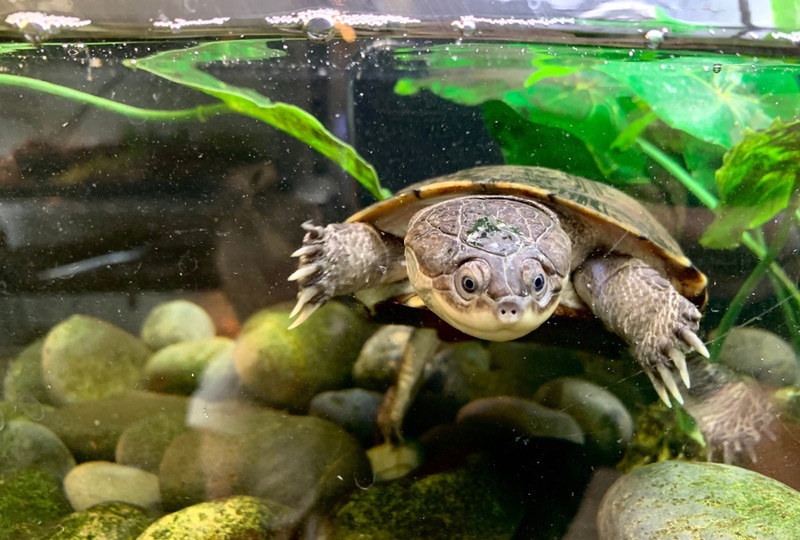
One reason people may keep turtles as pets is that they're interesting and intelligent. These reptiles know when it's feeding time, and they can even act like dogs, approaching the end of the tank and begging you for food. If you arm yourself with the knowledge and resources to care for them in the right way they can be fascinating creatures to observe.
While turtles cannot love you in the same way that a dog might, they can still develop a bond with you and recognize you among other people. They can learn your movements and scents and may even be excited to see you when you approach a tank.

The 7 Cons of Turtles as Pets
1. It’s Often Harder to Care for Turtles Than It Seems
While turtles are often cited as great pets for first-time reptile owners, caring for turtles is harder than it seems. Although baby turtles may be small and require less space, as they grow the general rule of thumb is to provide a tank that has 10 gallons of water for every inch of your turtle’s shell length. Red eared sliders, one of the most common species kept as pets, tend to grow to 10-12 inches long , meaning they need at least 100 gallons of tank space.
This is far from all they need though , they need the right UV light source, filtration system and pump, food and veterinary care when required.
Even aside from ongoing care, the initial costs for getting them may be high due to the equipment necessary to keep them content and healthy. Also, you should be aware that owning a turtle may also pose a risk to your health and that these animals are not overly friendly.
2. These Creatures Have Long Lifespans
Turtles are fascinating creatures with many unique features, including their long lifespan. In fact, these reptiles are the longest-living animal species that can be kept as pets.
Although this can be a wonderful thing because you’ll get a lifelong companion, it can also be a disadvantage.
Aquatic turtles commonly live 20-30 years in captivity, with many living much longer. They will require commitment and care throughout their life, and you need to be prepared to do those things for decades. If you can’t, turtles may not be the best pets for you.
3. Turtles Require Specialized Care Throughout Their Lifetime
While turtles can be fascinating pets, they require specialized care throughout their life, which can often be a challenging commitment.
Here’s a generic list of necessary turtle-related care actions, specific care requirements will depend on the species:
- Cleaning the tank frequently and changing the water
- Adjusting the enclosure temperature and humidity
- Feeding the turtle daily and cleaning leftover food after meals
- Scooping and getting rid of turtle feces
- Preventing your turtle from getting a disease (or transferring one to you!)
- Handling the turtle when necessary
This list goes on, and some of these tasks may potentially be dangerous or harmful to your health.
4. Turtles Can Transmit Various Diseases to Humans
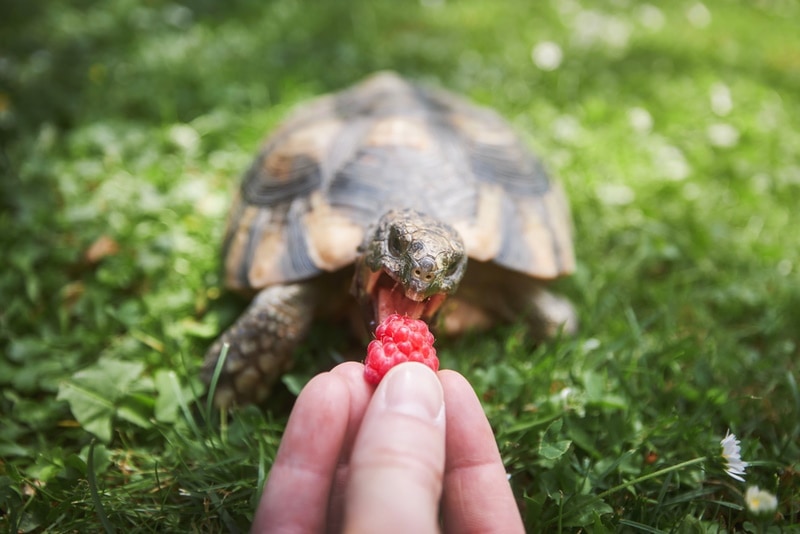
Like many other reptiles, turtles can suffer from various diseases that can be transmitted to humans. One of the diseases most commonly associated with turtles is salmonellosis, caused by the Salmonella bacteria.
Turtles can also transfer other harmful diseases and infections to humans, including:
- Leptospirosis
- Campylobacteriosis
- Botulism
These diseases can be transferred from turtles to humans through direct contact, or from the environment.
Bacteria can easily spread from your turtle to their surroundings through feces, food, and water, so you always need to be on top of hygiene, tank maintenance and cautious about handling your turtle. Knowing this can be a dealbreaker for some people.
5. These Reptiles Don’t Like to Be Handled
Reptiles, including turtles, may form a connection with you but won’t show you love and affection. If you’re looking for a cuddly pet that you can pet, turtles may not be the best pet option for you.
Although some pet turtles may like to interact, they’re usually not fond of touching, and you can get various diseases upon contact.
6. They Might Be Dangerous
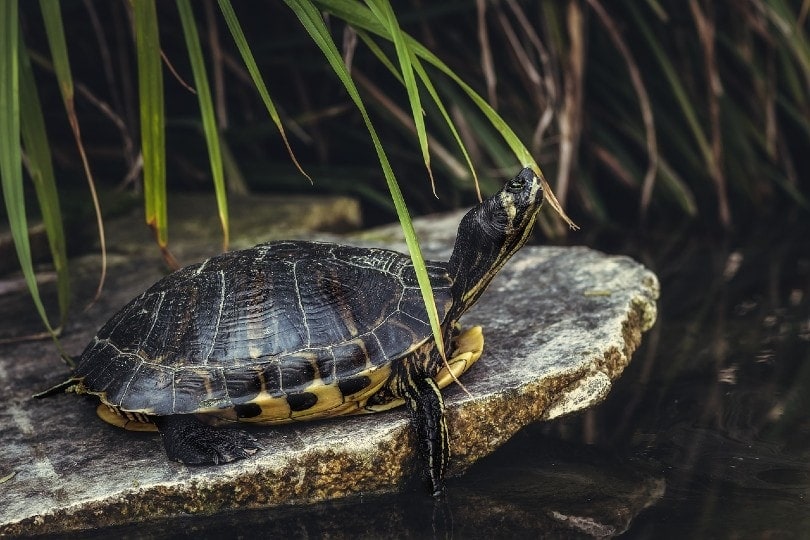
Turtles can be dangerous to humans in several ways: They can transfer diseases, bite, and attack.
Although most turtles are not intentionally or overly aggressive, they are often territorial and may consider you a threat, which is why they might try to snap at you. These occurrences are rare, but they still might happen, so keep that in mind before getting a pet turtle.
7. Turtles Are Not Kid-Friendly Pets
Small turtles may seem ideal for families with kids; however, that’s not actually the case. Due to the possibility of getting sick from the various bacteria that turtles can transmit, it’s best to keep these reptiles out of homes with children under the age of 5 as well as away from people with weakened immune systems.
Even older kids shouldn’t be around turtles unsupervised, as handling them requires special attention, such as frequent hand washing and minimal touching.
Should You Get a Pet Turtle?
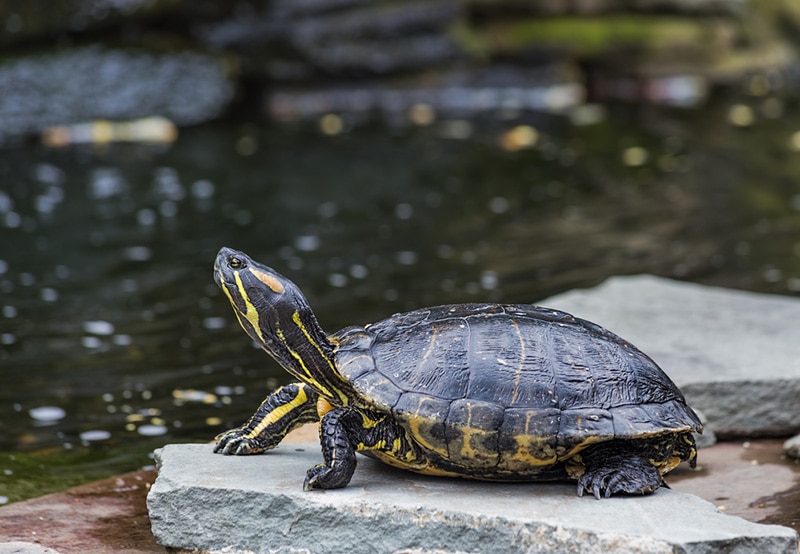
If you’re thinking about getting a pet turtle, you should first consider all the pros and cons of owning one of these reptiles. They can be an excellent and interesting pet, but they also require a lifelong commitment.
Take the time to think about all the positives and the negatives to see if this type of pet fits into your lifestyle. Turtles may be excellent pets for some people, and they may be awful for others. People who should not own turtles are families with young kids, elderly people, and those with weak immune systems, as they’re more prone to getting a turtle-associated disease.
Conclusion
Turtles are truly unique creatures and they don’t make great pets for everyone. However, if you’re someone with a genuine interest in these cute reptiles, you might still want to give them a chance.
Of course, it’s understandable if turtles are not your thing; there are other pets that are much safer and friendlier, so keep that in mind before making a rushed decision.
Sources
Featured Image Credit: Belikart, Shutterstock
Get Hepper In Your Inbox


Pet care tips from our vets and experts, straight to your inbox.
You may opt-out at any time. View our Privacy Policy for more information.
Visnja is a content writer that covers various topics such as DIY, pets, home improvement, travel, gardening, and more.
She is a young mom and a college student, who didn’t have enough time to balance her personal and work life, so after multiple years of working a regular 9 to 5 job, she decided to pursue her passion and make a living out of it. She has been writing for a couple of years, helping people find valuable and interesting information online.
Join the conversation
Ask a question, share your story, or send private feedback.