Hepper is reader-supported. When you buy via links on our site, we may earn an affiliate commission at no cost to you. Learn more.
Albino Ferret: Info, Care, Pictures, Habitat & Traits
In this article
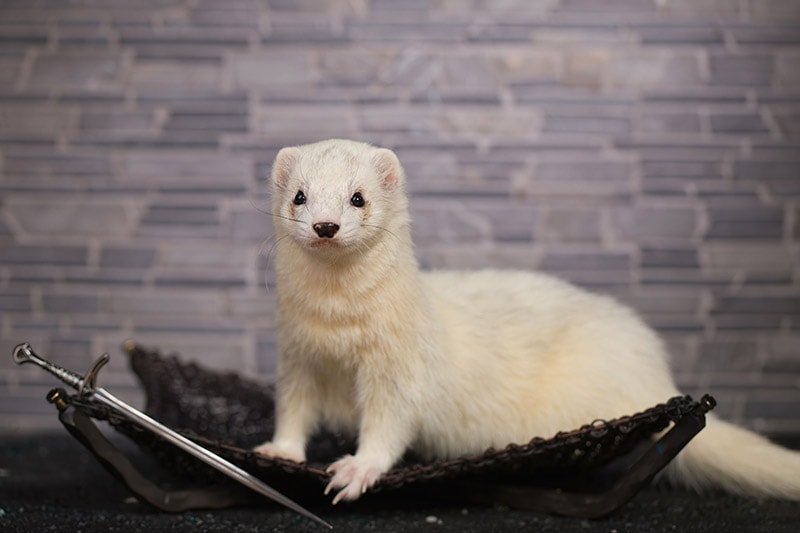
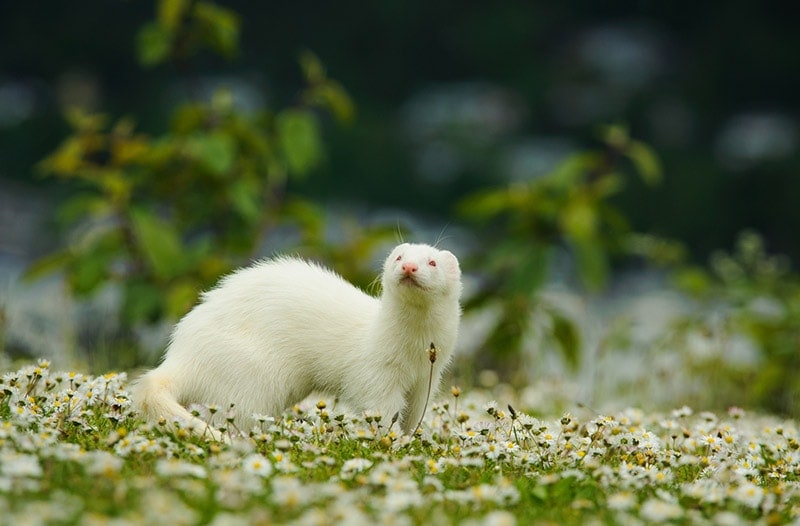
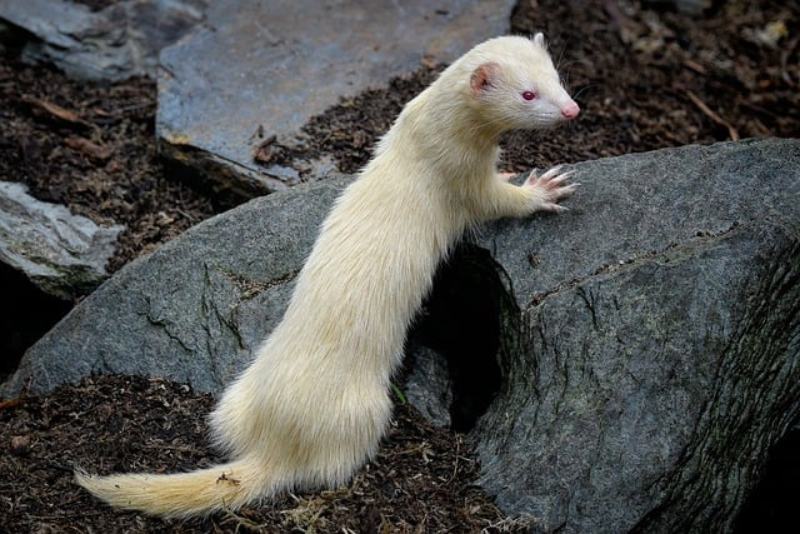
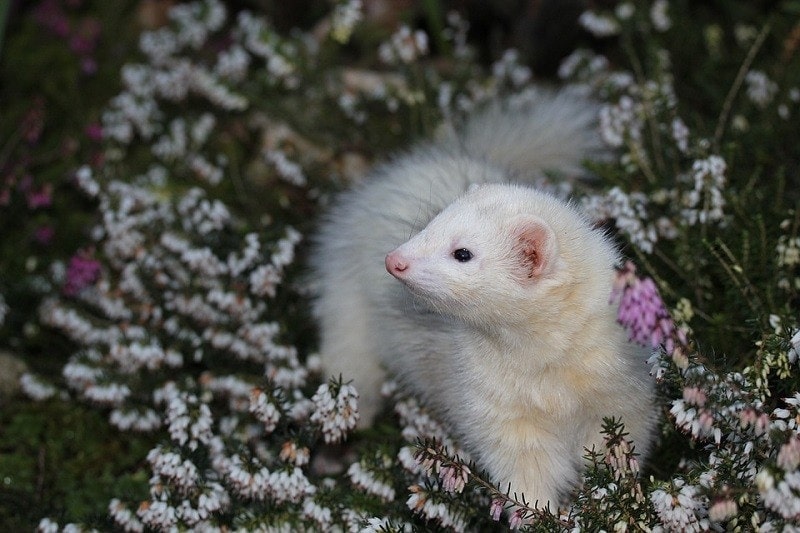
In the world of small and captivating creatures, the albino ferret stands out as a unique and mesmerizing breed. With their snow-white fur and distinctive ruby-red eyes, albino ferrets have captured the hearts of pet enthusiasts around the world.
Albino Ferrets may be a product of a genetic mutation, but do they still make good pets? How different are they exactly? Read on as we delve into the beautifully mutated world of albino ferrets, exploring their characteristics, history, care requirements, and much more!
Breed Overview
| Height: | Miniature, average of 15 inches in height plus tail length |
| Weight: | 1.5 to 4.5 pounds |
| Lifespan: | 6 to 10 years |
| Similar Breeds: | White ferret, sable ferret, panda ferret, silver ferret |
| Suitable for: | Experienced ferret owners, active families with no allergies or health concerns |
| Temperament: | Lively, sociable, interactive, dependent |
Albino ferrets, known for their stunning all-white fur and striking red eyes, are a result of specific genetic traits. This breed's captivating appearance is due to a lack of pigmentation in their skin and fur, which is caused by a genetic mutation that inhibits the production of melanin. This absence of color gives them their distinct albinism.
The history of albino ferrets is intertwined with that of domestic ferrets as a whole. Domestication of ferrets can be traced back thousands of years to their use as skilled hunters of vermin. Over time, breeding practices led to the emergence of different ferret coat colors and patterns, including the mesmerizing albino variety. In fact, albino ferrets are unlikely to survive in the wild, making them a completely domesticated ferrets!
Albino Ferret Breed Characteristics

How Much Do These Ferrets Cost?
Finding albino ferrets can be somewhat uncommon due to the distinct genetic mutation that results in their albinism, with an estimate of only 1 out of every 20,000 ferrets in occurrence. Adoption from animal shelters or rescue organizations is a possibility, giving these enchanting creatures a second chance at a loving home. Some experienced and reputable breeders can also care for these unique ferrets so it is best to do your research before making any decisions.
The cost of albino ferrets can vary depending on factors such as breeder reputation, lineage, and geographic location. On average, these furry companions may cost more than their non-albino counterparts due to their unique appearance, with prices ranging from $50 to $150 dollars.
Life with baby albino ferrets is a joyful and interactive experience. These curious creatures are known for their playful antics and boundless energy. To ensure their well-being, it is crucial to provide them with proper care, socialization, and a stimulating environment.
Temperament & Intelligence of the Albino Ferret
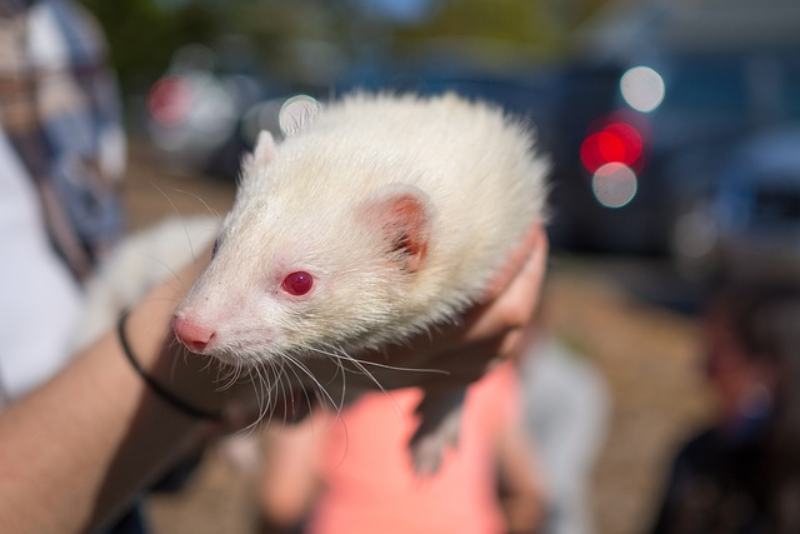
Albino ferrets boast a lively and sociable temperament, making them delightful companions for those willing to invest time in their care. They thrive on interaction and enjoy playtime with their human caregivers. These intelligent creatures quickly learn to recognize their names and respond to simple commands.
While most people think that albino ferrets are fragile or sickly due to their genetic mutation, the truth is they are just as lively, curious, and intelligent as non-albino ferrets!
Do These Ferrets Make Good Pets? 👪
These ferrets thrive on companionship and social interaction. Through years of domestication, ferrets have relied on humans for survival, and that includes the albino ferret!
Albino ferrets can make excellent pets for individuals or families who are committed to meeting their needs. Their affectionate nature and entertaining behavior help in creating a strong bond between owners and their furry friends.
However, even though they are a generally domesticated animal, potential owners should be prepared for the responsibilities that come with ferret ownership, including proper care, socialization, and mental stimulation.
Does This Ferret Get Along With Other Pets? 🐶 😽
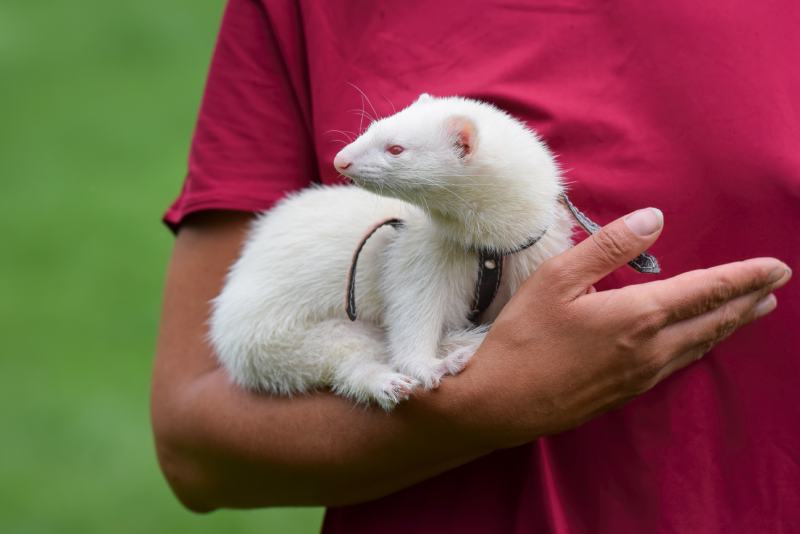
Introducing an albino ferret into a household with other pets requires careful consideration and gradual integration. Albino ferrets, with their highly sociable nature, also thrive in multi-ferret households and will generally get along with other ferrets. In fact, owning more than one ferret is recommended to provide companionship and reduce loneliness!
With patience and proper introductions, ferrets can coexist harmoniously with other animals, including dogs and cats. However, supervision and training are essential to ensure everyone's safety and well-being. While they may not have any problems with your pet dog or cat, keep in mind that your larger furry companions may have an innate prey drive and may pose risks to your ferret.
In contrast, smaller rodents or birds may not be the best choice of companions for your ferret for the similar reason that the ferret’s hunting instinct may kick in when in the presence of smaller animals.
Things to Know When Owning an Albino Ferret
Food & Diet Requirements 🥩
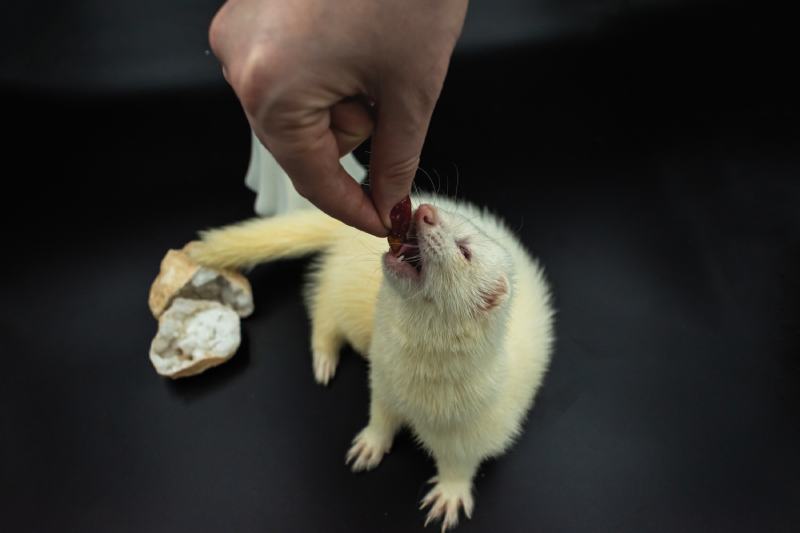
A well-balanced diet is crucial for the health and longevity of albino ferrets. These carnivorous creatures thrive on high-protein diets, typically consisting of specially formulated ferret kibble and occasional treats. Fresh water should always be readily available to keep them hydrated.
Commercial ferret food, high protein sources, and protein-based treats are recommended when it comes to feeding your albino ferret. Due to their carnivorous diet, they lack the enzyme for processing plant-based foods, so it’s best to generally keep away from fruits and vegetables. In addition, be sure to stay away from harmful foods such as foods high in sugar or salt, dairy products, and foods designed for cats and dogs.
Habitat & Enclosure Requirements 🏠
Because they are known to be cunning escape artists, be sure to provide a spacious, multi-level enclosure that is equipped with ramps, tunnels, hammocks, and hiding spots to encourage exploration, exercise, and mental stimulation. A litter box filled with appropriate bedding material, cleaned regularly, is essential for maintaining hygiene. Additionally, provide fresh water at all times and ensure the room temperature is comfortable for your ferret, as they are sensitive to temperature extremes.
Beyond the enclosure, ferrets require daily out-of-cage playtime and interaction. Ferret-proof a designated area where they can safely roam, explore, and engage in play. By providing a spacious enclosure, safe play areas, and mental stimulation, you can create an enriching and comfortable environment that supports the well-being of your albino ferret.
It’s important to note that albino ferrets can have an increased sensitivity to light due to the lack of pigmentation in their eyes. Although direct light isn’t generally harmful, position your albino ferret’s living space away from direct sunlight or artificial light to keep them comfortable.
Exercise & Sleeping Needs 🛌
Albino ferrets are energetic and require regular exercise to stay healthy and happy. Interactive play sessions, toys, and tunnels stimulate their minds and bodies. Supervised playtime outside the cage in a ferret-proofed area can also provide enrichment. Regular playtime helps them release energy, bond with their owners, and satisfy their curious nature. A stimulating environment with toys, tunnels, and interactive games is also important for keeping them mentally engaged and preventing boredom.
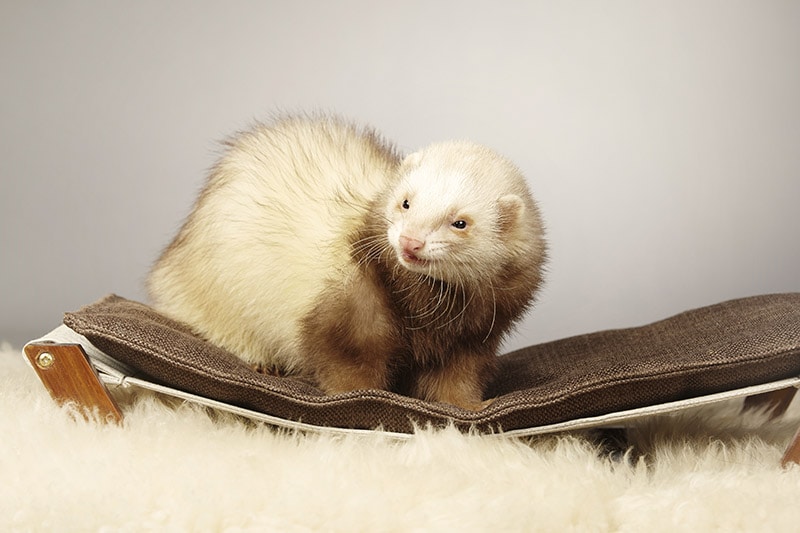
Ferrets, including albino ferrets, are known for their love of sleep. These creatures are crepuscular, meaning they are most active during the early morning and evening hours. Providing cozy hammocks and secluded sleeping areas in their enclosure satisfies their need for rest.
Training 🥎
Training an albino ferret requires patience, consistency, and positive reinforcement techniques. Start with basic commands such as their name and teaching them to come when called. Use treats or small pieces of their favorite protein-based food as rewards to reinforce desired behaviors. Keep training sessions short and engaging, and gradually increase the complexity of commands as they become more comfortable. Training can also serve as a bonding activity with your pet ferret!
Another needed aspect required for your albino ferret is litter training. Place a litter box in their enclosure and reinforce them with treats when they use it. While albino ferrets are intelligent, their independent nature might mean they take time to grasp certain commands. Celebrate even small successes and avoid punishment or negative reinforcement, as it can damage the trust and bond between you and your ferret.
With consistency, positive reinforcement, and a gentle approach, you can teach your albino ferret a variety of behaviors and commands that enhance their interactions and your relationship.
Grooming ✂️
Regularly brush their fur with a soft brush to prevent matting and reduce shedding. Since they lack pigmentation, albino ferrets are more susceptible to sunburn so it is important to limit their exposure to direct sunlight. Inspect their ears for cleanliness and any signs of infection, cleaning them with a damp cotton ball if needed. Trim their nails regularly to prevent overgrowth and discomfort.
Bathing should be done occasionally using a ferret-safe shampoo, as excessive bathing can strip their skin of essential oils. Always ensure the bathing process is gentle and stress-free. Grooming sessions also offer an opportunity to bond with your albino ferret, contributing to their overall well-being and maintaining their health and hygiene.
Lifespan and Health Conditions 🏥
The average lifespan of an albino ferret ranges from 6 to 10 years, with proper care playing a significant role in determining their longevity. Regular veterinary check-ups, a balanced diet, exercise, and a stress-free environment contribute to their overall well-being.
Albino ferrets, like all ferrets, are prone to certain health conditions. These can include adrenal disease, insulinoma (a pancreatic tumor affecting blood sugar levels), and lymphoma. Regular veterinary care and early detection are crucial for managing these conditions.
In addition, they can also experience minor issues such as hairballs and dental problems. Providing appropriate chew toys and monitoring their dental health can mitigate these concerns.
Male vs Female
Male and female albino ferrets have distinct personality traits that can influence your choice based on your preferences. Male albino ferrets are often larger and more laid-back, displaying a gentle and affectionate demeanor. They tend to be more relaxed and adaptable, making them suitable for households seeking a calm and easygoing companion.
On the other hand, female albino ferrets are typically more active, playful, and energetic. They enjoy interactive play and might be more mischievous, contributing to a lively and engaging dynamic in the household.
3 Little-Known Facts About the Albino Ferret
1. They Have a Genetic Mutation
Albino ferrets possess a genetic mutation that results in the absence of pigmentation in their skin, fur, and eyes. This mutation affects the production of melanin, the pigment responsible for coloration, leading to their characteristic all-white fur and ruby-red eyes. This genetic trait is what distinguishes albino ferrets from other ferret breeds and contributes to their unique and captivating appearance.
2. They Are Sensitive to Bright Light
Albino ferrets are notably sensitive to bright light due to their lack of protective pigmentation in their eyes and skin. This sensitivity stems from the absence of melanin, which normally provides a level of defense against excessive light exposure.
As a result, albino ferrets are at risk of discomfort, eye irritation, and potential vision problems when exposed to intense sunlight or bright indoor lighting. Providing them with shaded areas and limiting exposure to direct light is crucial to prevent discomfort and potential damage to their sensitive eyes.
3. They Will Have Difficulty in the Wild
Albino ferrets are ill-equipped to survive in the wild due to a combination of factors. Their lack of camouflage makes them highly visible to predators, hindering their ability to evade danger and find food.
Additionally, their heightened sensitivity to light and potential vision issues further impede their hunting and navigation skills. The absence of protective pigmentation also increases their susceptibility to sunburn and skin damage, which could lead to health complications. Furthermore, domesticated ferrets, including albinos, lack the instincts and survival skills necessary for life in the wild, having been selectively bred and adapted to human care over thousands of years.

Final Thoughts
Albino ferrets, with their striking appearance and endearing personalities, offer a captivating addition to the world of exotic pets. Despite their genetic mutation, albino ferrets make amazing pets and are loved by ferret enthusiasts around the world. Their history, genetics, and unique care requirements make them a distinct breed that requires commitment and dedication from potential owners.
By understanding their needs and providing proper care, albino ferret enthusiasts can embark on a rewarding journey filled with companionship, laughter, and cherished memories!
Related Read: Champagne Ferret: Info, Care, Pictures, Habitat & Traits
Sources
https://a-z-animals.com/animals/white-ferret-albino-ferrets/
https://vcahospitals.com/know-your-pet/hormonal-diseases-in-ferrets
https://vcahospitals.com/know-your-pet/insulinomas-in-ferrets
https://vcahospitals.com/know-your-pet/lymphoma-or-lymphosarcoma-in-ferrets
https://www.petmd.com/ferret/conditions/digestive/c_ft_Hairballs
Featured Image Credit: everydoghasastory, Shutterstock
Get Hepper In Your Inbox


Pet care tips from our vets and experts, straight to your inbox.
You may opt-out at any time. View our Privacy Policy for more information.

Nicole is a lover of animals of all sizes but is especially fascinated with the feline variety. She’s the proud mom of Baby, a Burmese, and works every day so he can relax in the sunshine or by the fire. She’s always had a cat in her home and has spent countless days with others, observing behaviors and softening up even the grouchiest of the lot. Nicole wants to share her kitty expertise with you so you and your cat can live happy, healthy, and care-free.
Join the conversation
Ask a question, share your story, or send private feedback.