Hepper is reader-supported. When you buy via links on our site, we may earn an affiliate commission at no cost to you. Learn more.
When Should I Let My Kitten Roam the House? Vet-Approved Care Tips


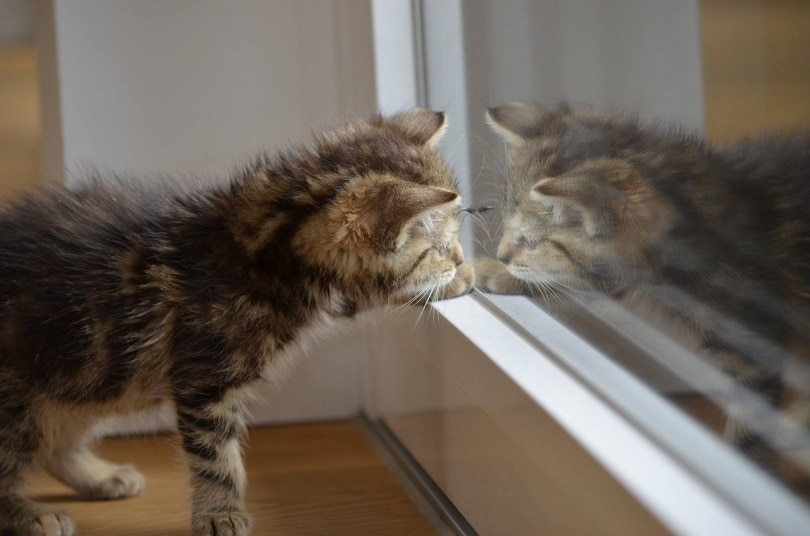
Kittens are tiny animals that are also curious, often leading to them getting into some precarious situations as they explore their environment. For this reason, many people keep their kitten’s environment very limited for the first few weeks or months in the home to ensure their safety. If you’ve brought home a new kitten, you may have wondered to yourself, “At what age can I let my kitten roam the house?”
The answer to this does vary based on the environment, but there are some guides you can use to help you answer it. The short answer is that you can let your kitten roam the house once it's fully litter box trained. Keep reading for more details.

When Can My Kitten Start Roaming the House?
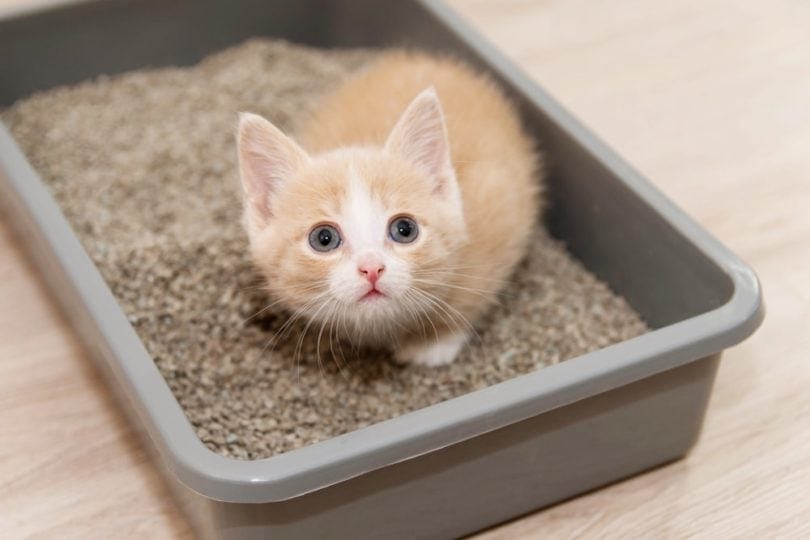
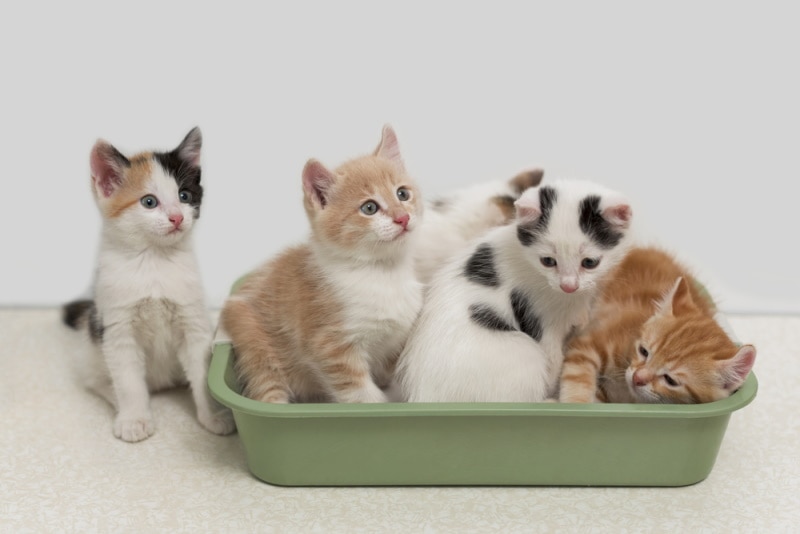
As a rule of thumb, your kitten should be able to start roaming your home once they are thoroughly litter box trained and know how to find the litter box. Your kitten should also know how to access fresh food and water at all times from anywhere in the house. If your kitten has met these criteria, they are likely good to start roaming the house by themselves. Until then they should be supervised on their explorations.
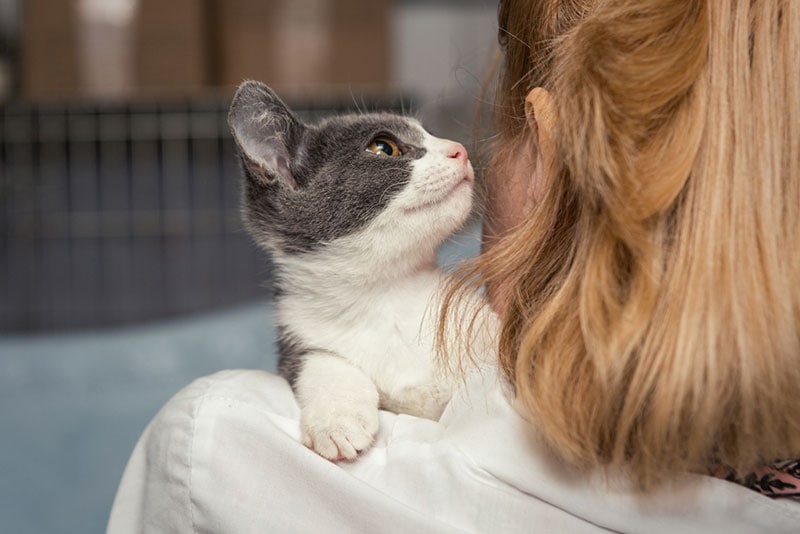
Keep in mind that your kitten should trust you and feel comfortable with you before they start roaming the house. Otherwise, you may be fishing your cat out of an unusual space while they attempt to hide from you. Your kitten should have already had proper introductions to other pets in the home as well, ensuring everyone is comfortable and happy with each other. Make sure the environment is as safe as possible.

When Should I Delay Letting My Kitten Roam the House?
If your kitten does not trust you or the other animals in the house, you should likely keep them contained in a smaller space for a little longer while they become more comfortable with the inhabitants of the house.
It’s also essential that the home is safe for a kitten, and you must remember that kittens can squeeze into very small places. This means that doors or windows that are not secure can risk an escape or let your kitten into an unsafe part of your home, so every aspect of your home should be secure and prepared for a kitten. Your kitten should not have access to open doors or windows either, so make sure your kitten is safely secured away from anywhere they may be able to escape into the outdoors.
Once a kitten is exploring your home by themselves, there is an increased likelihood of an escape, so they should have identification by means of a microchip or cat-safe collar and tag at a minimum.
If your kitten has urinary issues or has not shown full confidence in finding the litter box, then you should likely begin working on more intensive litter box training before your kitten is loose in the house. Otherwise, your kitten may begin using inappropriate urination or defecation places throughout your house.

Final Thoughts
There is no set age when it becomes safe or acceptable for your kitten to begin roaming your home. The situation is variable based on your kitten’s comfort level and level of knowledge regarding safely navigating the home environment. There is no harm in keeping your kitten confined to a smaller part of your home for a longer period of time if it provides the opportunity for everyone to feel safe and comfortable. However, letting your kitten loose in the home too early can lead to unsafe situations and behavioral problems that can be difficult to remedy.
Related Reads:
Featured Image Credit: Kadres, Pixabay
Get Hepper In Your Inbox


Pet care tips from our vets and experts, straight to your inbox.
You may opt-out at any time. View our Privacy Policy for more information.
After nine years as a veterinary assistant, Brooke Billingsley transitioned to a career as a nurse in 2013. She lives in Arkansas with her boyfriend, sharing their home with three dogs, two cats, five fish, and two snails. A dedicated animal lover, Brooke has a special place in her heart for special needs pets, including a three-legged senior dog and a famous cat with acromegaly and cerebellar hypoplasia. Fish keeping is one of her hobbies, and she is constantly improving her knowledge to care for her aquarium pets. Brooke is an active yoga enthusiast, having obtained her 200-hour yoga teacher certification in 2020. She believes in the importance of continuous learning and dedicates time each day to developing new skills and expanding her knowledge.
Join the conversation
Ask a question, share your story, or send private feedback.