Hepper blog

Search our database of over 9,984 posts with up-to-date information from our experts and veterinarians.

Hepper is reader-supported. When you buy via links on our site, we may earn an affiliate commission at no cost to you. Learn more.

Why Are My Dog's Ears Cold? 4 Reasons & Vet-Approved Advice

By Nicole Cosgrove · Reviewed & fact-checked by Dr. Paola CuevasVet Approved
Dr. Paola Cuevas
Reviewed & Fact-Checked byDr. Paola CuevasMVZ (Veterinarian)
Paola Cuevas is a veterinarian and animal behaviorist, with over 18 years of experience working with a variety of species. Her passion is animal welfare and focuses on the importance of preventive medicine. Paola has skills in the fields of nutrition, microscopy, clinical pathology, diagnostic imaging, and endoscopy as well as extensive experience in animal training through positive reinforcement. As our in-house veterinarian, Paola is very happy to share her knowledge and experience with our readers and hopes to be helpful with any issue presented by your non-human family members.View authorThe information is current and up-to-date in accordance with the latest veterinarian research. Read about our vets
Share
Ask us a question in the comments
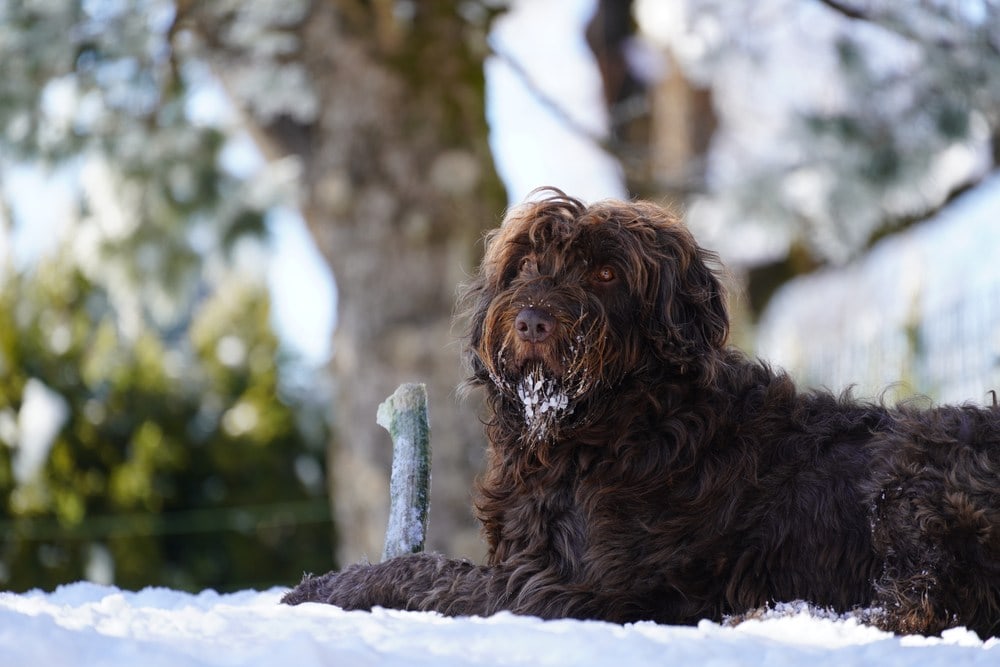
pudelpointer in snow

Any time your dog's behavior changes, it can be concerning. Figuring out what's wrong with your furry friend when they're acting strange or exhibiting unusual behavior is more difficult than diagnosing another person. Since your dog can't tell you what's bothering them, you have to play detective and uncover what's wrong on your own.

One common affliction your dog might display is cold ears. Having cold ears isn't immediately cause for concern, but there could be some underlying medical conditions that warrant a trip to the vet in rare cases. In this article, we'll break down the four most common causes of cold ears and what you can do to help your pooch in each case.

The 4 Main Reasons a Dog's Ears Are Cold

1. It's Cold Outside

This seems like a no-brainer, but dogs react to the cold differently than humans, and it can be surprising how quickly a dog's ears get cold after just a little time outside in the frosty weather. Dogs’ ears are thin and far from the center of their bodies, so they're the first places to drop in temperature when your dog starts to get cold.

If you have a small dog, a short-haired dog, or an older dog, you need to be especially attentive when you take them out in the cold. Small dogs lose heat more quickly than larger dogs and can get dangerously cold in mere minutes when the temperature is below freezing. Short-haired dogs are also susceptible to the cold since they lack the large, insulating coats that long-haired dogs enjoy. If you notice your dog shaking or quivering, it's time to come inside.

Many people don't realize that older dogs can get cold more easily than younger dogs. As a dog ages, its circulatory system becomes less efficient and less effective. Just like people, senior dogs can get cold quite easily, so be careful taking out your aging buddy during the cooler months.

What to Do About It
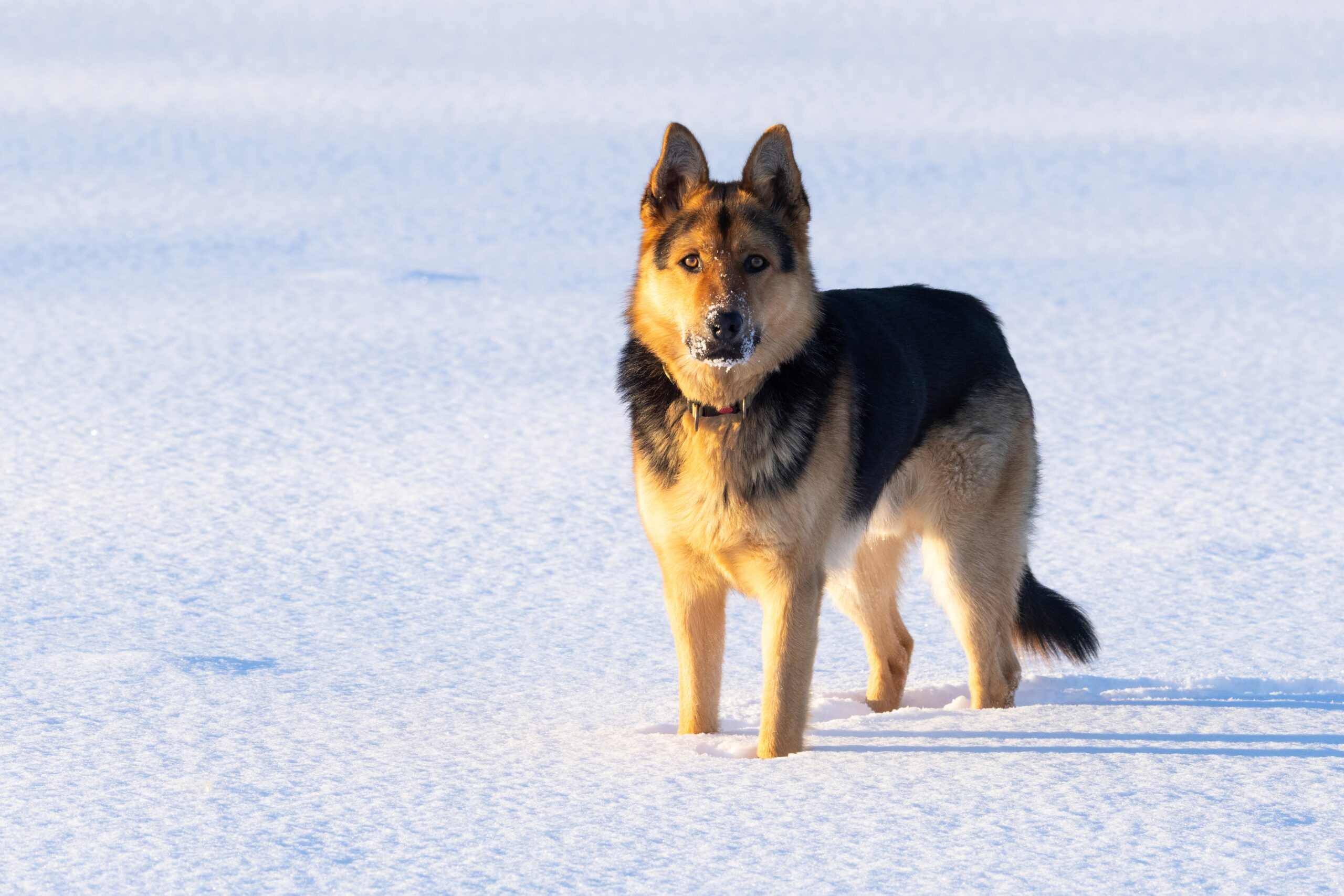
  • The easiest way to deal with cold weather is to limit your dog's time outside. If you notice them getting cold—either by feeling their ears or seeing shaking—get them inside immediately. If your dog has short hair or is a smaller dog, consider getting them an insulating coat or sweater for the cold weather. Putting a coat on your fuzzy buddy isn't a replacement for monitoring them attentively, but it can help them feel more comfortable.
German_sherpherd_in_snow_cold_winter
Image Credit: adamikarl, Shuttertsock

2. Frostbite

On a related note, cold ears from cold weather can escalate quickly from an easily fixed non-issue to a serious problem. In some cases, frostbitten ears can require surgery, and your dog may lose part of its ear.

If your dog's ears start to develop a bright pink color, get them out of the cold as soon as possible. Once inside, you can take some measures to help restore proper blood flow.

What to Do About It

  • Once you're safely back inside, soak a washcloth in warm water and apply it to their ears. Continue applying the warm cloth for about 10 minutes. It's a good idea to warm up the rest of your dog as well since frostbitten ears most likely mean their body temperature is quite low. Warm towels or blankets are the best ways to quickly get your dog's temperature back up to safe levels. If your dog's ears do not improve or if they act lethargic, take them to your vet right away. Dogs can become hypothermic just like people, and it can be life-threatening. Professional help is always the best option when your dog's health is at risk.

3. They're Sick

Some dog owners don't realize that their four-legged friends can get sick just like they can. If you have noticed that your dog’s ears get cold too often and your dog seems to have cold intolerance as well as a general lack of energy, you should bring your dog to the vet. Hypothyroidism is an endocrine disease where the thyroid gland is underactive, causing a dog to have a slow metabolism. Dogs with hypothyroidism tend to gain weight and have dull, thin fur.

What to Do About It
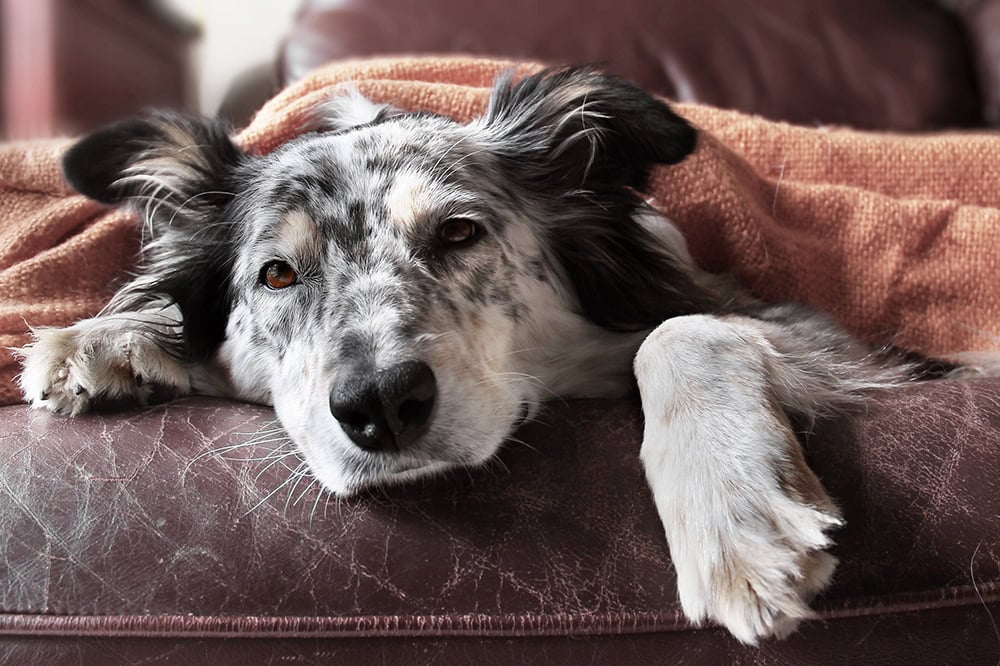
If you suspect your dog might be sick, you should bring your dog to the veterinarian. It is important to share your information and concerns since thyroid screening tests are not part of the basic blood test panels. The vet will collect a blood sample and screen using the total thyroxin (TT4) level test. This is the first of several tests used to diagnose hypothyroidism. While this disease does not have a definitive cure, management thyroid hormone replacement treatments are available.

sick old dog on the couch with blanket
Image Credit: Lindsay Helms, Shutterstock

4. Circulatory Function

Your dog's circulatory system could also be the culprit for cold ears if it isn't working correctly, and, unlike the other causes, this one can be serious. Rest assured that this cause is rare. Most likely, your dog's cold ears are being caused by something else, but in some cases, it could be their circulatory system.

The heart is the central piece of the circulatory system and the first place to look when it's not working properly. If your dog's heart isn't pumping blood as efficiently, the first places you'll see the signs are in the tail, paws, and ears.

Your dog's circulatory system could be struggling due to several underlying conditions. Heart problems, anemia, and internal bleeding could all be the root cause of circulation issues.

What to Do About It

  • You must seek a veterinarian's opinion if you think your dog's cold ears could be caused by circulation issues. Getting a professional opinion is the first step for dealing with whatever may be affecting your dog's circulation. Even if your buddy's circulatory system is malfunctioning, some treatments can help manage the problem. If your dog has heart disease, some medications can help treat most conditions, and some lifestyle changes can go a long way to restoring your dog to a normal, happy life. If a tumor or internal bleeding is causing the problem, surgical intervention is often required. The good news is if the surgery is successful, your dog will usually return to normal life afterward.

Conclusion

Your dog's cold ears are most likely being caused by something benign and easy to deal with. Some warm compresses and a bunch of cozy towels and blankets will usually do the trick.

If the problem persists or your dog shows other, more serious signs combined with cold ears, it is time for a trip to the vet. There is no replacement for a professional medical opinion, and your vet can put you and your dog back on the right track.


Featured Image Credit: Chamois huntress, Shutterstock

Get Hepper In Your Inbox

Pet care tips from our vets and experts, straight to your inbox.

List

Select all that apply.

You may opt-out at any time. View our Privacy Policy for more information.

Nicole Cosgrove
Authored by

Nicole Cosgrove

Join the conversation

Ask a question, share your story, or send private feedback.
Rate this post
Required to post. Only our editors see your rating.
Who should see this?

A human reviews every comment before it appears. Your email is never published.

Picked to go with this article

My Cat’s Ears Are Cold: Vet Reviewed Causes & Warming Tips

My Cat’s Ears Are Cold: Vet Reviewed Causes & Warming Tips

If your cat lets you touch their ears, you’ve probably noticed they are usually warm. They may even feel hot to you since an average feline temperature is high…

Chris Dinesen Rogers
By Chris Dinesen Rogers ·
Can Dogs Get Frostbite? Vet-Reviewed Signs,Treatment & Prevention

Can Dogs Get Frostbite? Vet-Reviewed Signs,Treatment & Prevention

When it’s super cold out, most of you probably put a coat on your dog, particularly if you have a small dog. Some of you might even put little boots on their p…

Kathryn Copeland
By Kathryn Copeland ·
How Do Dogs Feel the Cold? Vet-Verified Facts & Care Tips

How Do Dogs Feel the Cold? Vet-Verified Facts & Care Tips

Dogs have coats and thanks to that they tolerate pretty well cold temperatures, but that doesn’t mean they don’t get cold or that extreme temperatures are not…

Nicole Cosgrove
By Nicole Cosgrove ·
Why Does My Dog Want To Stay Outside in the Cold? 4 Vet-Verified Reasons & What To Do

Why Does My Dog Want To Stay Outside in the Cold? 4 Vet-Verified Reasons & What To Do

When the cold weather hits, some dogs just can't wait to get outside. If that sounds like your dog, you don't need to worry. However, if this is a sudden new b…

Adam Mann
By Adam Mann ·

Keep reading

More stories you might like

4 Home Remedies for Dog Ear Infections (Vet-Approved)

Has your dog been rubbing their head on your couches, scratching repeatedly at their ears, or have a funky odor when up close? These are some of the first sign…

Nicole Cosgrove
By Nicole Cosgrove ·
4 Home Remedies for Dog Ear Infections (Vet-Approved)

How Cold Is Too Cold for Dogs in a House? Keeping Your Canine Comfortable

As winter gets closer, thermostat settings begin to change. For humans, getting comfortable in the cold can be as simple as grabbing a blanket, putting on a ho…

Nicole Cosgrove
By Nicole Cosgrove ·
How Cold Is Too Cold for Dogs in a House? Keeping Your Canine Comfortable

German Shepherd Floppy Ears FAQ: The Complete Guide

The quintessential picture of the German Shepherd speaks to the breed’s courage and poise. Suffice to say that the dog has come a long way from its herding roo…

Nicole Cosgrove
By Nicole Cosgrove ·
German Shepherd Floppy Ears FAQ: The Complete Guide

Dog’s Nose Changing Color: Should I Worry? Vet-Approved Advice

As loving dog owners, it’s very easy to get caught up in small changes to your dog’s appearance. Each little change could possibly mean there’s an underlying c…

Dean Eby
By Dean Eby ·
Dog’s Nose Changing Color: Should I Worry? Vet-Approved Advice

Why Do Dogs Lick Each Other's Ears? Vet-Reviewed Canine Behavior

If you have more than one dog, you are likely to encounter some strange behaviors. We spend a lot of time with our pets and become accustomed to their actions…

Nicole Cosgrove
By Nicole Cosgrove ·
Why Do Dogs Lick Each Other's Ears? Vet-Reviewed Canine Behavior

Why Does My Dog Lick My Ears? 6 Vet-Verified Reasons & What to Do

You and your pup are best buds. Your pet goes with you on your walks, and they might even curl up next to you while you and your family watch TV. You adore you…

Oliver Jones
By Oliver Jones ·
Why Does My Dog Lick My Ears? 6 Vet-Verified Reasons & What to Do

Progressive Retinal Atrophy in Dogs: Signs, Causes & Treatment

If you’re like most dog fanatics, the day you adopt a puppy or adult dog is one of your happiest, most exciting, and most emotional days. The last thing on you…

Gregory Iacono
By Gregory Iacono ·
Progressive Retinal Atrophy in Dogs: Signs, Causes & Treatment

Is Great Wolf Lodge Pet Friendly? 2026 Policy & Requirements

Are you planning a trip to one of the Great Wolf Lodge’s locations but unsure if they are pet-friendly? Knowing the facts before you go is essential in ensurin…

Rachel Giordano
By Rachel Giordano ·
Is Great Wolf Lodge Pet Friendly? 2026 Policy & Requirements