Hepper is reader-supported. When you buy via links on our site, we may earn an affiliate commission at no cost to you. Learn more.
Why Does My Dog Pee on His Blanket? 9 Vet-Reviewed Reasons


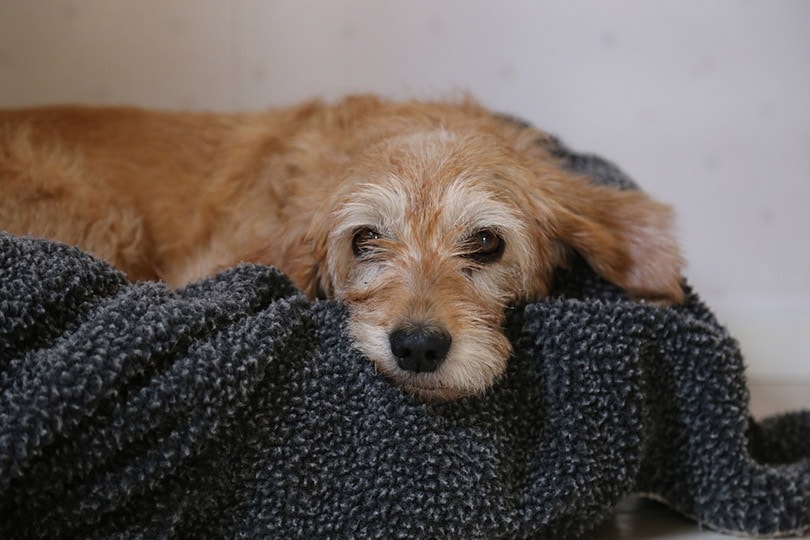
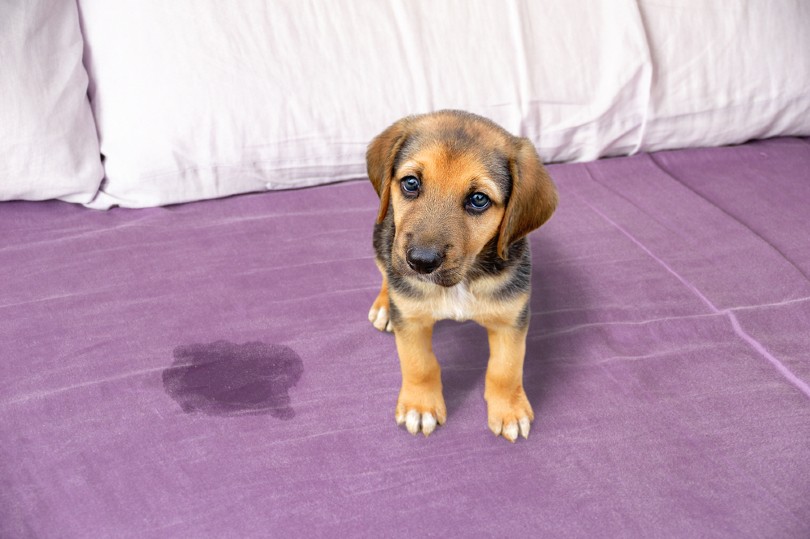
Whether you have a puppy or an older dog, it can be frustrating to discover that your dog is peeing on their blanket or dog bed. It can be messy to clean up and leave an unpleasant smell behind, especially when not cleaned up properly. It is even more important to identify the reason that your dog is peeing on its bed, though. Some of the reasons are behavioral, while others are medical conditions that can be addressed with medical care through your veterinarian. Identifying the cause is the first step in solving this issue.

The 9 Reasons Dogs Pee on Their Blankets:
1. Medical Causes
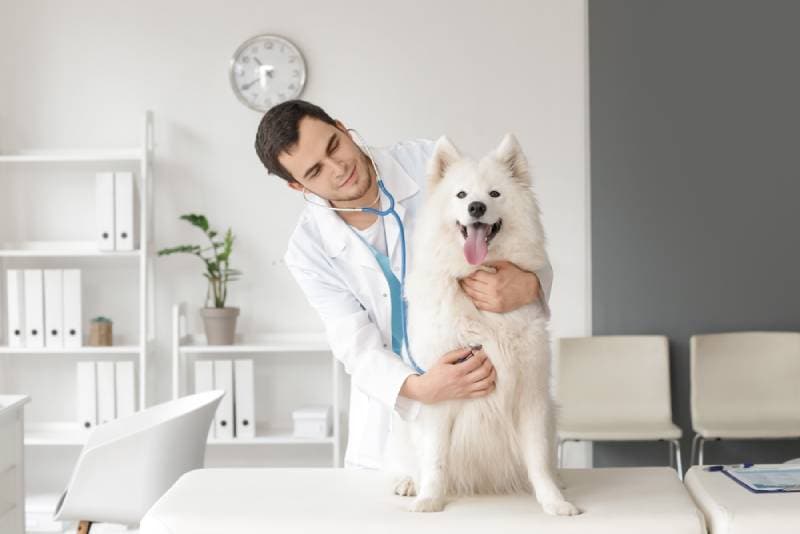
There are multiple medical conditions that can cause your dog to urinate on their blanket or bedding,1 like a UTI, bladder stones, and diseases that cause excessive drinking (for example, kidney disease, diabetes, Cushing's,2 and Addison’s disease,3 and some cancers). If your dog suddenly starts having accidents, it’s important to see the vet to start ruling out medical conditions.
How to Remedy the Behavior
2. Incontinence
Urinary incontinence is when your dog involuntarily loses control of their bladder. It is normally seen as episodes of intermittent or continuous dribbling of urine combined with episodes of normal toileting. There is usually an identifiable medical reason for incontinence.4 It is commonly seen in female dogs, and they may dribble small amounts of urine throughout the house, or they may fully or partially empty their bladder in their sleep or when relaxed. When your dog is incontinent, they are not likely to be aware that they have peed on their bedding.
How to Remedy the Behavior
3. Confusion
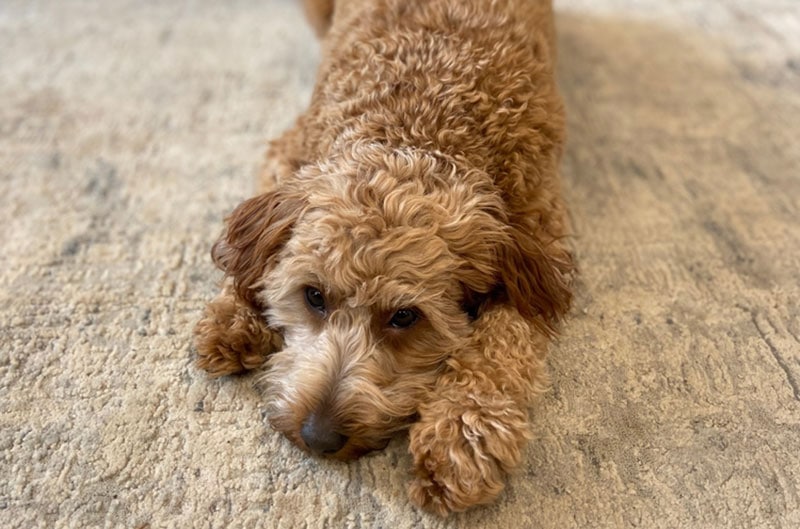
Confusion can occur as your dog ages, but it isn’t a normal part of aging that should be ignored. In fact, it’s just the opposite: the sooner you identify the issue, the quicker you can start helping your dog. Some dogs experience a dementia-like disorder (cognitive dysfunction) that leads to confusion and forgetfulness as they age, which may lead to your dog urinating in inappropriate places, like their blanket or bed. This is different from incontinence because they know when they’re going, but they may not be able to recognize that where they’re going isn’t right.
How to Remedy the Behavior
4. Improperly Cleaned Urine Stains
Cleaning up urine can be difficult to do, especially if you don’t have the right tools. If your dog has peed in a specific spot before, they may be confused by the remaining scent and pee there again. This can also happen if another dog has peed in a specific spot and your dog smells the remaining scent of the urine stain.
How to Remedy the Behavior
Our favorite enzyme cleaner for eliminating pet smells and stains is our very own Hepper Advanced Bio-Enzyme Pet Stain & Odor Eliminator Spray. It makes clean-up a breeze because it permanently removes even the very worst smells and stains (urine, feces, vomit, you name it!) from basically any surface you can imagine.

- ADVANCED ENZYMATIC CLEANER - Penetrates the most stubborn smells and stains at the deepest molecular levels to dissolve any pet mess you encounter and lift it away at the source.
- FOR ANY MESS, ON ANY SURFACE - This pet odor eliminator cleans your carpets, floors, furniture, fabrics, and more. Whether it's urine, feces, vomit, or drool, you can erase all foul spots and smells!
- FRESH, NATURAL ODOR - Our unique formulation doesn't rely on dangerous or unpleasant chemical fragrances to get the job done. We eradicate smells and stains, not just cover them up.
5. Stress
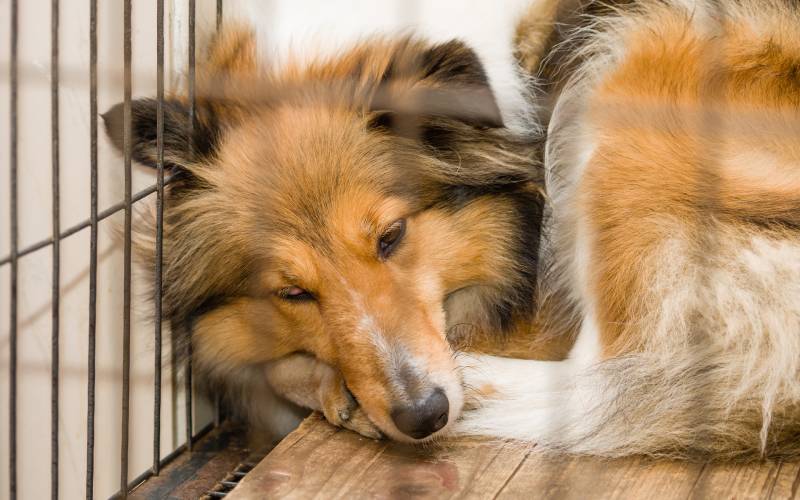
Stress can be a powerful motivator for dogs to act out. Dogs can become stressed by a change in your working pattern, new pets, a baby, a move, or something as severe as abuse or inappropriate training methods. Stress is usually accompanied by other behaviors, like destruction, vocalizing, aggression, decreased appetite, and hiding. If something has occurred in the places where your dog feels safe peeing, like in your backyard or on a walk, then they may look for other places to go, like on their bedding.
How to Remedy the Behavior
6. Limited Mobility
Limited mobility can become a real problem for old dogs, although it also occurs with younger dogs that have experienced an injury or have a medical condition causing limited mobility. Dogs with reduced mobility may pee on their bedding out of an inability or lack of desire to get up due to discomfort. Arthritis, muscle atrophy or weakness, and pain can all cause unwillingness or inability to move.
How to Remedy the Behavior
7. Left Too Long Without a Potty Break
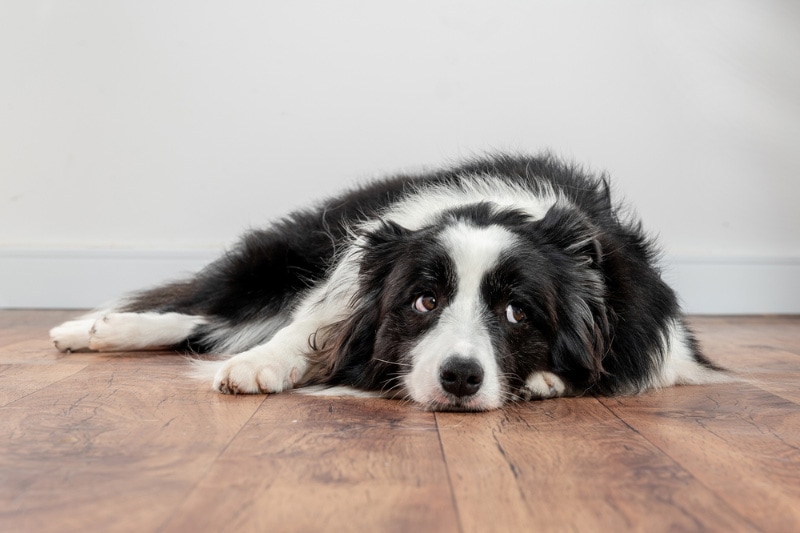
How long dogs can be left without potty breaks can vary quite a bit. Breed, age, size, type of diet, and level of housetraining can all play a role in how long your dog can hold it. If your dog is being left for too long, though, they may start peeing on their blanket, in their kennel, or elsewhere in your house. Some dogs can last upwards of 12 hours without a potty break, while others may need to go out every 4 hours or so.
How to Remedy the Behavior
8. Not Housetrained
Housetraining a puppy can be a long, arduous process. If your dog isn’t fully housetrained, they may pee on their blanket or bed. Sometimes, even dogs that are mostly housetrained may choose to pee on their own bedding because they know they aren’t supposed to go on the floor. Most dogs won’t pee in the places that they sleep, but some will, especially if they are trying to follow the rules. It’s also not uncommon for housetraining dogs to pee on their bedding when they are in a kennel because they can stay out of the mess more easily if it’s absorbed in a blanket.
How to Remedy the Behavior
9. Territory Marking
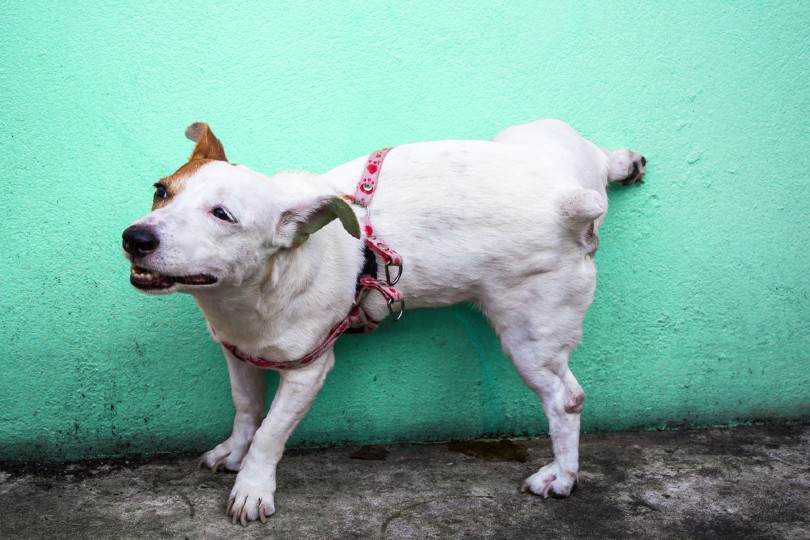
Territory marking is not an uncommon behavior in dogs, although they typically do it on upright surfaces like fences and fire hydrants. Fully housetrained dogs rarely mark their territory via urination within the home, but it is a possible cause of the behavior of peeing on their own blanket or bed. This is more likely to occur if your dog is intact or if a new pet has recently been introduced to the home.
How to Remedy the Behavior
Conclusion
While it can be frustrating if your dog is having accidents on their blanket, you must work to not take that frustration out on them. As explained above, there are many reasons for this change of behavior. Keep in mind that dogs can’t experience human emotions like spite, so your dog is not peeing on their blanket just to spite or upset you. There is a mental or physical reason your dog is doing this, and it is up to you and your dog’s vet to identify and address the cause.
See also:
Why Does My Dog Urinate When I Pet Him? (5 Possible Reasons)
My Dog Peed on My AC Unit, What Should I Do? Tips & Prevention
Featured Image Credit: Zazu70, Pixabay
Get Hepper In Your Inbox


Pet care tips from our vets and experts, straight to your inbox.
You may opt-out at any time. View our Privacy Policy for more information.
After nine years as a veterinary assistant, Brooke Billingsley transitioned to a career as a nurse in 2013. She lives in Arkansas with her boyfriend, sharing their home with three dogs, two cats, five fish, and two snails. A dedicated animal lover, Brooke has a special place in her heart for special needs pets, including a three-legged senior dog and a famous cat with acromegaly and cerebellar hypoplasia. Fish keeping is one of her hobbies, and she is constantly improving her knowledge to care for her aquarium pets. Brooke is an active yoga enthusiast, having obtained her 200-hour yoga teacher certification in 2020. She believes in the importance of continuous learning and dedicates time each day to developing new skills and expanding her knowledge.
Join the conversation
Ask a question, share your story, or send private feedback.