Hepper is reader-supported. When you buy via links on our site, we may earn an affiliate commission at no cost to you. Learn more.
How to Tell If Wet Dog Food Is Bad: 7 Vet-Verified Signs


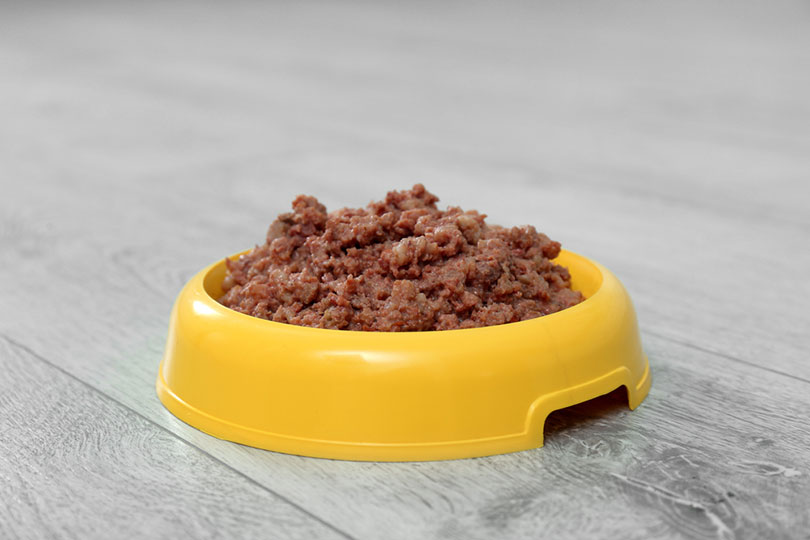
Dog owners must be vigilant with feeding their dogs wet food because wet dog food has a shorter shelf life than dry dog food and is more susceptible to going bad. Wet dog food can go bad even if you store it properly, and you can sometimes just receive a bad package.
One of the best ways to prevent feeding your dog spoiled food is to know what the wet food looks and smells like when it’s good. Because different wet dog foods contain varying ingredients, they may show different signs when they go bad. Here are some common things to consider and look for if you suspect that your dog’s wet food is no longer safe to eat.

The 7 Signs That Wet Dog Food Is Bad
1. Sour Odor
One of the first things that will hit you is odor. A good can of dog food will have a savory and meaty smell and will be familiar to you if you have given the same food to your dog before. Meanwhile, a bad can of dog food that needs to be discarded will have a sour or rancid smell. If the can of wet dog food has a sulfur-like smell, like rotten eggs, it’s no longer good and must be tossed away as well. Dog food that has gone bad will also have a stronger and more pungent odor.
Even if the food smells absolutely normal, always make sure that you have checked the date on the can, and never give your dog expired wet food even if it doesn’t have an odor. In general, wet dog food does not smell pleasant to people, so it can be tricky to just rely on smell. However, if you are not sure or think that the food smells at all strange or different than it did when you have previously given it, trust your nose, as it’s better to be safe than sorry. If something smells off about the food, don’t hesitate to throw it away. Your pooch’s health is on the line!
2. Exposure to Heat or Humidity
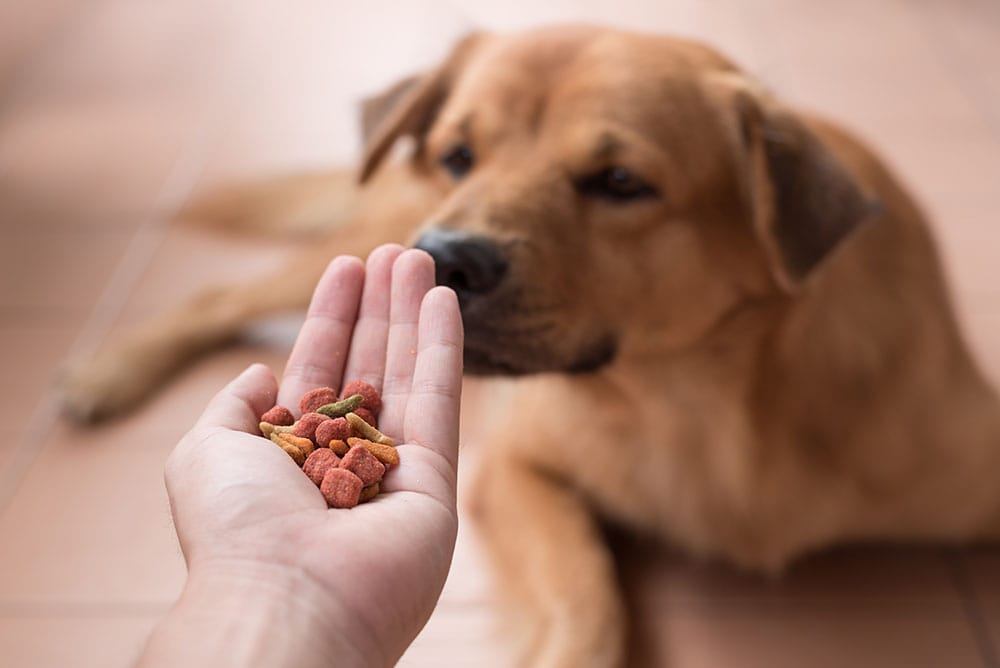
Heat and humidity encourage more bacterial growth. In general, bacteria that cause food poisoning can grow at temperatures between 40° F and 140° F.1 When it comes to meat and poultry in particular, it’s best to not leave the food out of the refrigerator for more than two hours (one hour in the summer months).
Because wet dog food has high levels of moisture, it’s even easier and faster for bacteria and mold to grow on it. So, if your dog doesn’t eat their food right away or within a maximum of 1-2 hours, it’s crucial that you remove it from the bowl and store it appropriately in the fridge. The amount of bacteria can double within just 20 minutes at a favorable room temperature of 40° F or higher, which means it is best to store the leftover food immediately rather than to wait, especially in warm and humid summer months.2
Opened cans should be placed in the fridge at temperatures between 40-45° F and should be used within a maximum of five days. Any wet food remaining after this period should be thrown out without a doubt, even if it appears normal. If the food was left in the bowl for more than two hours, especially at higher room temperatures, putting it back in the refrigerator is not recommended as bacterial growth has likely already begun, and refrigerating it doesn’t eliminate the risk of food poisoning. This food needs to be thrown away.
3. Left Out for Too Long
Leaving opened cans of wet dog food out of the fridge or in the dog’s bowl longer than recommended is very unsafe. Exposure to oxygen causes some food to spoil. Spoilage bacteria cause changes in the appearance, odor or flavor of the product. Molds and most yeasts require oxygen for growth. So, it’s important to either store any non eaten wet dog food immediately or within the recommended time frame or else discard it. Wet dog food should never be left out for free feeding at the dog’s will.
Another reason to never leave wet food out is because air carries many microbes that can contaminate the food. With the right conditions, air exposure can make dog food go bad.
4. Damage to Packaging
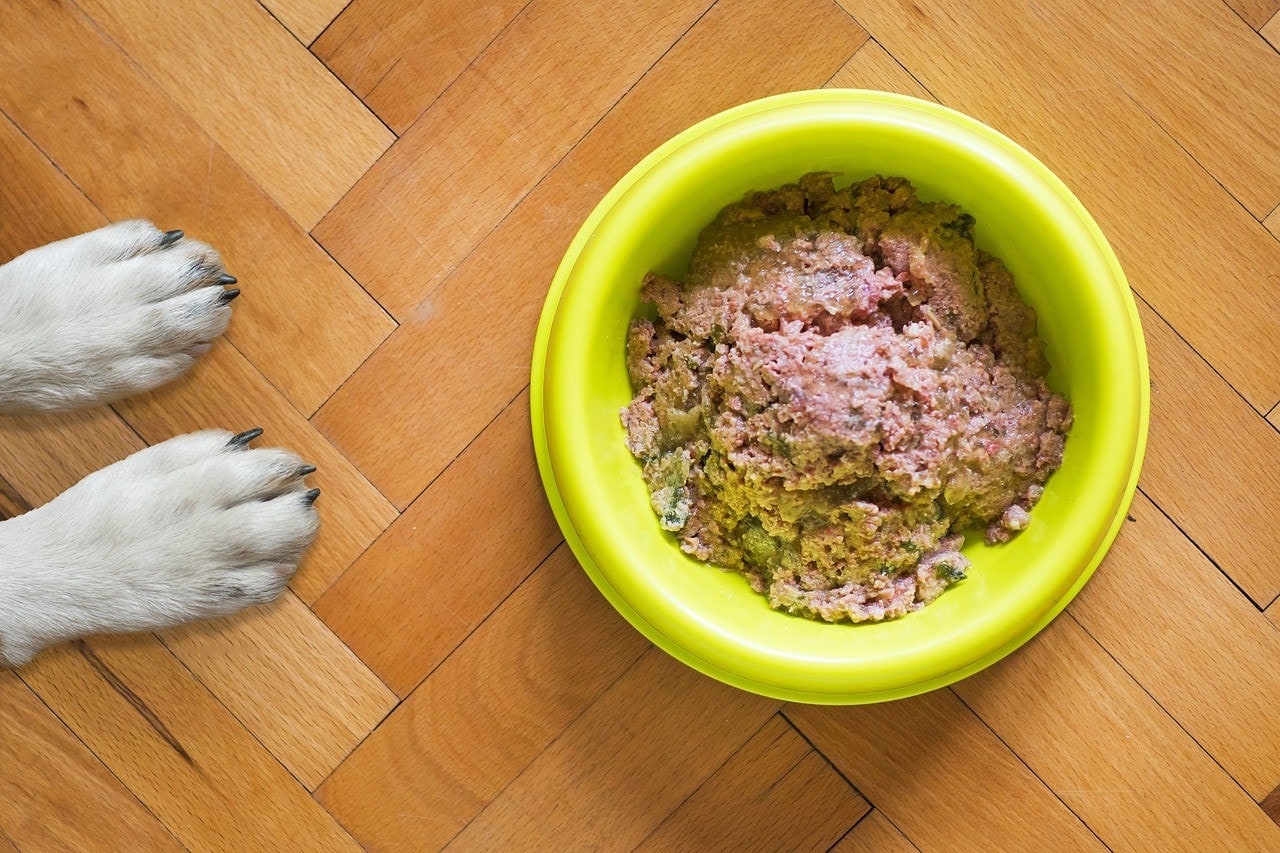
Since air carries various microbes and exposure to oxygen, alongside effects of ambient temperature and humidity, can cause food to go bad, it’s important to be careful with wet dog food that comes in damaged or dented packaging. Dented cans may look alright on the outside, but the damage can sometimes cause small breaks in the seal which could then introduce oxygen and bacteria into the food, as the air-tight seal is compromised. If the can of dog food has a very small dent on the side but is otherwise in good shape and you don’t see any signs of puncture, it’s usually considered safe by the USDA. However, if you can fit your finger inside the dent, this means that the dent is significant. A dent on the top or side seam can damage the seam and allow microbes to enter the can. It’s best to be safe and avoid opening such a can. Also always make sure the cans aren’t bulging, as this might indicate bacterial spoilage.
5. Discoloration
It’s helpful to pay attention to the color of your dog’s food so that you can quickly notice any changes. It is best to avoid pet food that uses additional and unnecessary colors on ingredients, like vegetables, which are added only for marketing purposes. Color changes can be caused by the contamination of foods with metals such as copper or iron during recipe production.
Improper storage and exposure to heat or light as well as a reaction between the food and the container can also lead to food color changes. So, duller food could be an indicator that the food is not fresh. In some cases, discolorations can indicate food contamination with microbes and especially molds. Fading or darkening are common signs of spoilage. In addition to the color change, the discolored meat or poultry will have an unpleasant odor and be sticky or slimy.
Since there are several reasons for food discoloration, it’s always best to throw discolored dog food away. While there’s a chance that the food is fine, especially if its expiration date hasn’t passed, there’s an even greater chance that there’s something off about the food that can lead to sickness. Remember, when in doubt, it is always better to be safe than sorry!
6. Mold
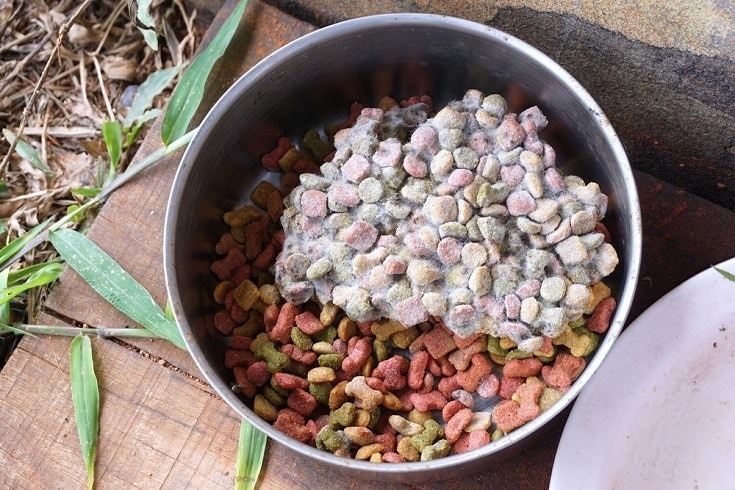
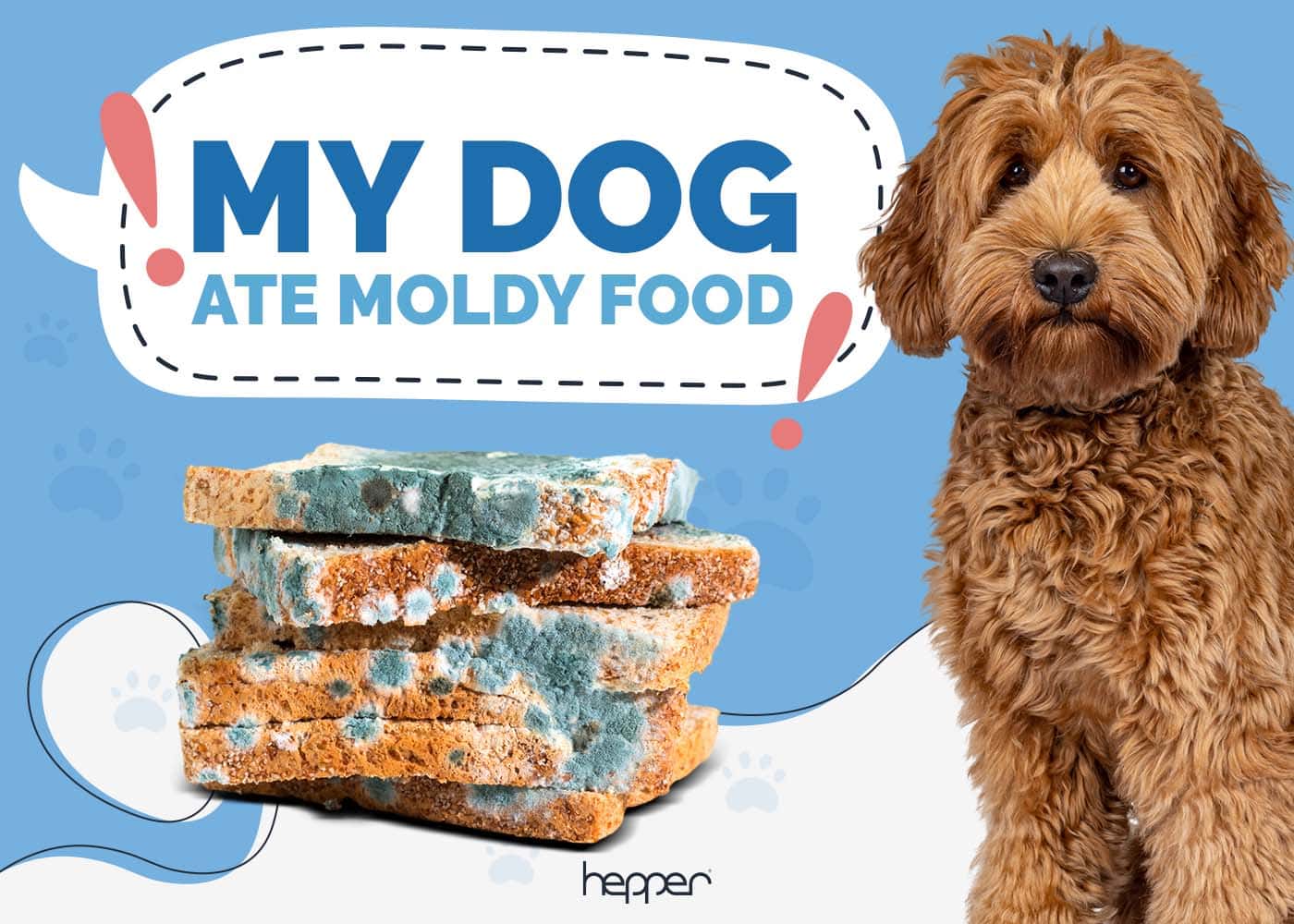
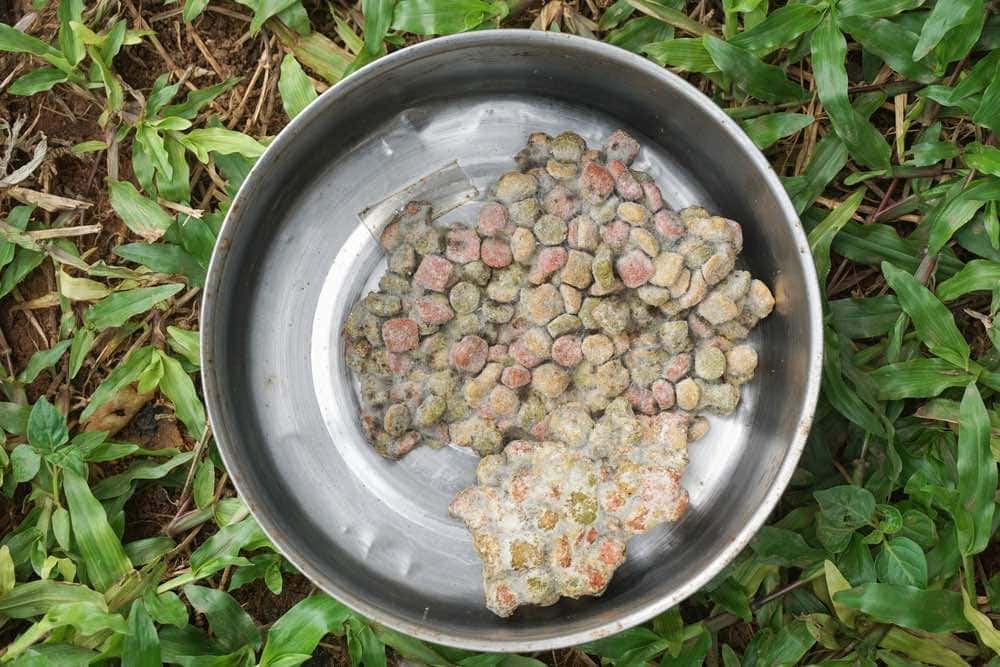
Mold is a fungal growth present everywhere in the environment that can cause food spoilage. Mold forms spore that easily spread through the air and give the food those unusual color patterns, most often gray, black, white, or green, with a “fluffy”, “slimy,” or “dusty” appearance. Mold growth is encouraged by warm and humid conditions, and moldy food often also contains bacteria.
Some molds produce harmful substances called mycotoxins that will cause serious illness in dogs and humans alike. Dry dog food is more at risk of containing mycotoxins, but they can be found in wet food as well. Not all mold is toxic, but it’s difficult to differentiate between toxic and non-toxic molds using only appearance. So, it’s better to toss the wet dog food out if it has any traces of mold.
Mold typically first appears on the top of the food or the layer that’s most exposed to air and microorganisms. If you see mold, it’s not safe to simply scrape off the mold and feed the rest of the food to your dog. Instead, you have to discard the whole can immediately. Harmful microorganisms that are undetectable with the naked eye can still be in the rest of the food, along with their toxins, especially in cases of heavy mold growth that invades deeper parts of the can. These can cause food poisoning.
7. Your Dog Refuses to Eat It
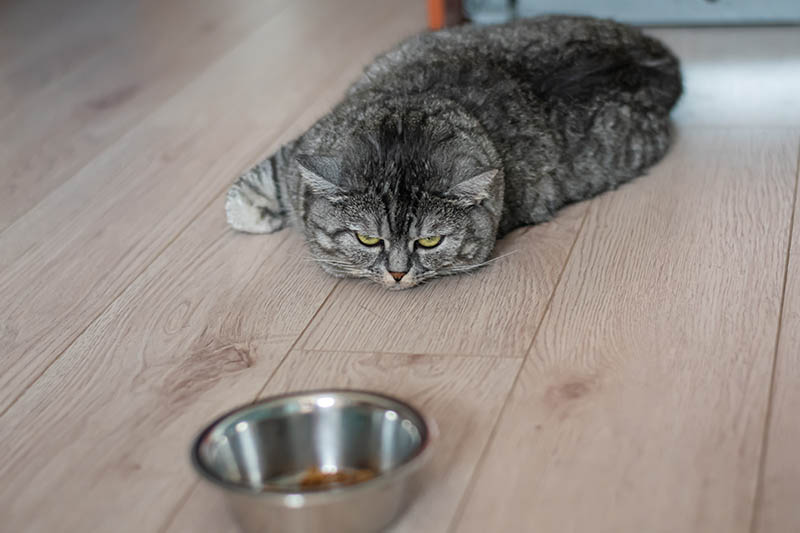
Dogs have very sensitive noses that can detect scents that are untraceable to people. They’re capable of smelling food rot before people do, and some may turn their noses away from food that has gone bad. If your dog is avoiding food that they usually eat without any issues, it can indicate that there’s something wrong with the food.
However, there is no available research data at the moment that might explain which smells dogs naturally find more or less appealing and whether such odors would actually enhance palatability and food consumption or put dogs off their food if spoiled. Not all dogs are discerning, and more often than not, they will just eat the food that has gone bad. So, it’s better to be proactive and avoid offering your dog spoiled food than rely on your dog’s senses.
How to Store Wet Dog Food Properly
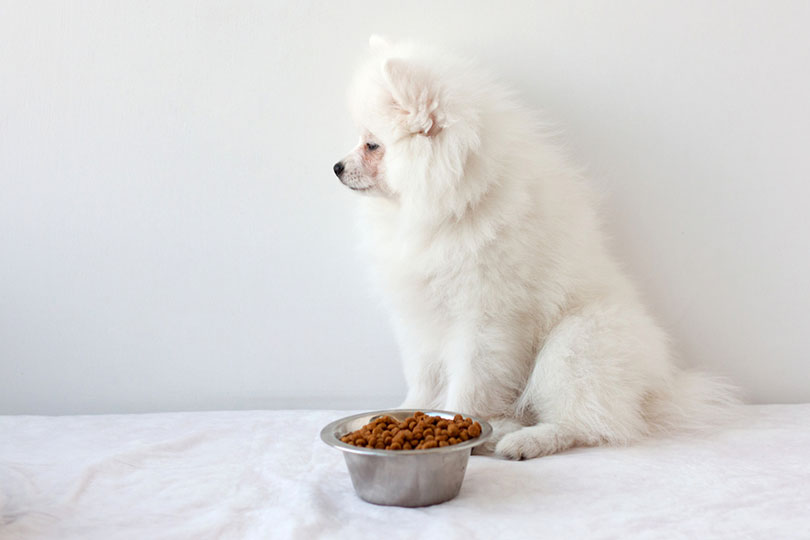
The best way to preserve wet dog food is to transfer it to an air-tight container or use a silicone lid specifically designed for cans, a plastic lid, or plastic wrap that fits the top of the can. Even though it’s less likely for food to become moldy in a fridge, it can still happen if you don’t throw out old food that has passed its expiration date. If you leave the dog food uncovered in its original can, spores from other moldy food and microbes from the air can easily get to the dog food. Lids will prevent moisture changes, bacterial and mold spore contamination from the surrounding air or other spoiled food, and transfer of odors.
Make sure to also put any unused dog food in the fridge right away to prevent the risk of having it sit out for too long. The refrigerator temperature should be between 40°F to 45°F. It’s also important to be mindful of how long the food can last after being opened. Most wet dog food can’t last more than five days once they’re opened.

Conclusion
There are several signs that wet dog food has gone bad and a few important factors to consider about storing the food adequately. You can look for changes in smell and colors, damage marks and denting to the seams and other parts of the can, and evidence of mold. You may also have just forgotten to store the contents of the opened can in the fridge appropriately. If you have any doubts about the safety of your dog’s wet food, it is best to discard it, as the risks it could pose to your dog’s health are too serious to be overlooked.
Some dogs may avoid eating spoiled food but do not rely on this, as more often, dogs are food-motivated and will not decline their wet food, even if it’s not safe. It’s better to just feed your dog a new can or batch of wet dog food rather than risk feeding it spoiled food that can lead to serious health disorders and food poisoning. If you think your dog has eaten moldy or spoiled wet food, contact your vet straight away for advice.
Sources
"Danger Zone" (40 °F - 140 °F) | Food Safety and Inspection Service
How Long Can Wet Dog Food Sit Out? The Surprising Answer! | Hepper
Tips to prevent bacteria from growing on your food - MSU Extension
Main Groups of Microorganisms of Relevance for Food Safety and Stability - PMC
A Guide to Can Defects and Basic Components of Double Seam Containers
The Color of Meat and Poultry | Food Safety and Inspection Service
Molds on Food: Are They Dangerous? | Food Safety and Inspection Service
Animal Poison Control Alert: The Dangers of Moldy Food | ASPCA
Dog Not Eating? Maybe Your Pet Food Smells or Tastes Bad | PetMD
Food and Food-Odor Preferences in Dogs: A Pilot Study | Chemical Senses | Oxford Academic
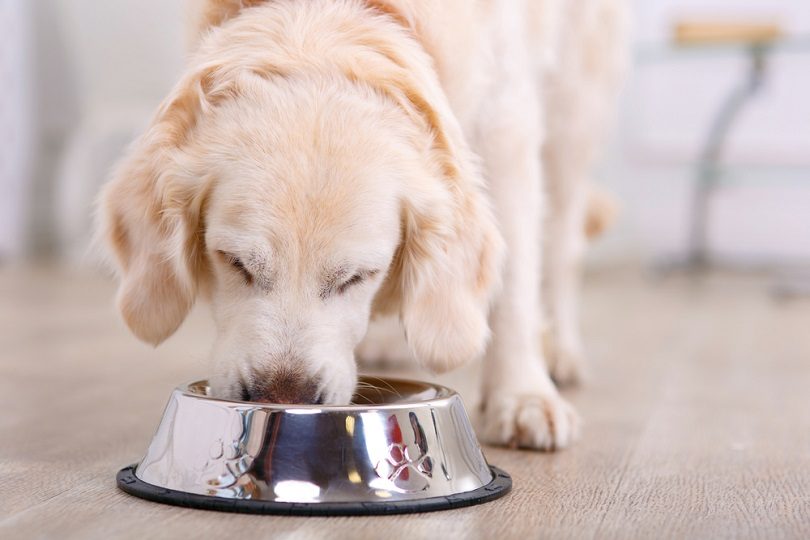
Featured Image Credit: New Africa, Shutterstock
Get Hepper In Your Inbox


Pet care tips from our vets and experts, straight to your inbox.
You may opt-out at any time. View our Privacy Policy for more information.
Jessica is a freelance writer who spends most of her day reading and writing while her fluffy Cavapoo, Nora, naps beside her. She loves and appreciates pets and animals because there’s so much to learn from them, and they do so much for people. As a dog mom, she understands the special relationship that pet parents have with their pets. So, she loves sharing helpful information that people can use to better understand their pets. When she’s not writing, you can find her walking dogs, tending to her plant babies, or drinking her nth cup of coffee.
Join the conversation
Ask a question, share your story, or send private feedback.