Hepper is reader-supported. When you buy via links on our site, we may earn an affiliate commission at no cost to you. Learn more.
Why Is My Cat's Umbilical Cord Still Attached to The Kitten? Vet Approved Facts & Advice


In this article
If your cat recently gave birth to kittens and one still has their umbilical cord attached, you may wonder if it's normal, whether it's something to be concerned about, and if your cat needs to be seen by a veterinarian.
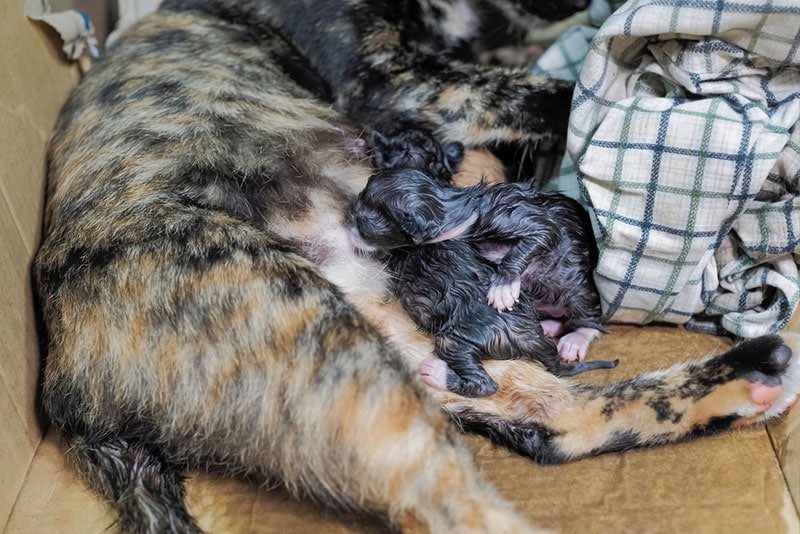
Each kitten in a litter is born in a membranous sac nourished by a placenta, which delivers nourishment to the fetal cat through the umbilical cord. Mother cats generally break open each kitten's birth sac, clean their nose and mouth, sever the umbilical cord with a swift bite, and eat the afterbirth immediately after delivery.
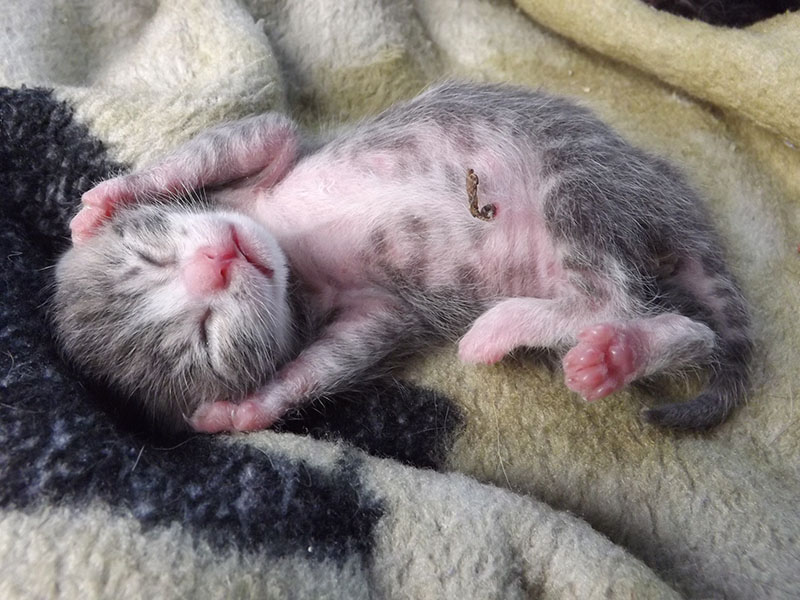
Umbilical stumps generally stay put for about 4 or 5 days and then dry up and drop off naturally. Reach out to your veterinarian to discuss the steps to take if the cord stays attached longer than that or if you observe any signs of illness in your kitten, such as crying, lack of weight gain, or general difficulty settling in.

What Is an Umbilical Cord?
In mammals, the umbilical cord connects the baby to the mother's placenta, an organ that develops in the uterus during pregnancy.
Each kitten in a litter is contained in its own membranes and has its own placenta. The kitten derives nourishment from the placenta through the umbilical cord. After delivery, mother cats generally break open each kitten's birth sac, clean their nose and mouth, sever the umbilical cord with a swift bite, and usually eat the afterbirth.
When Should the Umbilical Cord Come Off?
Usually, mother cats will chew through the umbilical cord straight after delivery, and are best left to follow their maternal instincts without interference. Occasionally, if the mother cat has not done this herself, you may need to assist. Seek advice from your vet if you are unsure about how to do this and break the cord. The cord can be tied with unwaxed dental floss or thread 1–2 inches from the kitten’s abdomen, and then cut with sterilized scissors on the side of the placenta. Some experts advocate tearing the cord rather than cutting it to replicate the crushing action of chewing, but it is important to support the kitten and not pull on the cord.
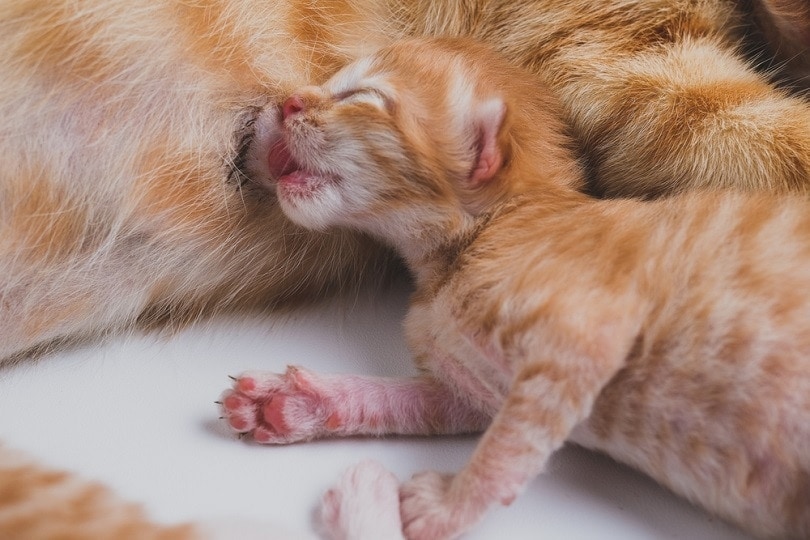
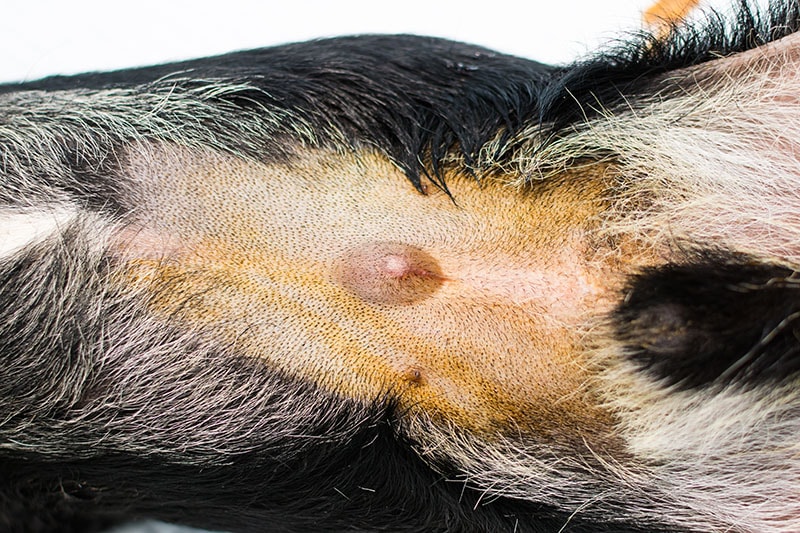
Either way, the kitten will then be left with a short umbilical cord stump attached to their abdomen. After two days, this cord stump should begin to dry up and normally fall off after 3 to 5 days. If you get close to the kitten, you might see a small red scar where the umbilical cord was. This scar is commonly called a belly button or a navel. Almost all mammals have them, including your cats! While a feline belly button is not as prominent as ours are, they are still present.
Does the Umbilical Cord Ever Stay on Longer?
An umbilical cord rarely remains attached to the kitten after five days. If you notice that the umbilical cord is still attached after five days, contact your veterinarian.
Something else to be aware of is omphalophlebitis, inflammation, and infection of the umbilical cord vein. This occurs when bacteria travels to the kitten's bloodstream via the chewed umbilical cord. Look for the following signs of omphalophlebitis:
- Redness around the umbilical cord site
- Swelling
- Discharge
If you notice any of these signs, treat this as an emergency and call your veterinarian.
Frequently Asked Questions
Should I Remove the Umbilical Cord Stump Myself?
No. You should never remove or pull off the stump. The stump will fall off once the umbilical cord site is healed, leaving the belly button. If you pull it off prematurely, you could physically harm the kitten and leave them exposed to infections. Infections at such a young age can be extremely dangerous or even fatal.
I Can See Blood Coming From the Umbilical Cord. Is That Normal?
A small amount of blood is normal straight after birth. Remember that the umbilical vein provided the kittens with oxygenated, nutrient-rich blood, so seeing a little bit coming out shortly after the cord has been severed is normal. However, if you notice excessive or continued bleeding, contact your veterinarian.
The Umbilical Cord Fell Off. Do I Need to Clean the Area?
If the cord fell off naturally within the standard timeframe, you should not need to clean the area. However, if you have noticed the signs of omphalophlebitis, your vet might give instructions on how to clean the area.
Conclusion
When a kitten is born, their mother takes a few steps to welcome them into the world, including opening the membranous sac they're born in, making sure their nose and mouth are clear, eating the afterbirth, and severing the umbilical cord.
Most kittens' umbilical stumps naturally dry up and fall off after 3 or 5 days. If your kitten is still tiny and has their umbilical cord attached, there's likely nothing to worry about. You should monitor the area for signs of a problem including swelling, redness, or discharge, and monitor your kitten for signs of illness. Contact your veterinarian straight away if you have concerns.
Sources
Featured Image Credit: MizKitty, Shutterstock
Get Hepper In Your Inbox


Pet care tips from our vets and experts, straight to your inbox.
You may opt-out at any time. View our Privacy Policy for more information.
Lorre Luther a reformed lawyer from the United States, she moved to the Netherlands to follow her dream and become a writer. Currently living in Rotterdam, Lorre enjoys traveling and reveling in the astonishing beauty of our planet. As an animal lover, Lorre is convinced that cats are smarter than humans.
Join the conversation
Ask a question, share your story, or send private feedback.