Hepper is reader-supported. When you buy via links on our site, we may earn an affiliate commission at no cost to you. Learn more.
Why Is My Cat’s Third Eyelid Showing? 10 Vet-Reviewed Reasons


In this article
We love our cats’ whiskers and certainly their toe beans, but their eyes are most definitely one of their most beautiful features! But if you’ve noticed your cat’s third eyelid recently, you might be concerned.
A few instances of a cat’s third eyelid showing are not that serious and are easily treated, sometimes even resolving on their own. Other cases, however, will require immediate medical attention.
If you’d like to learn more about the cat’s third eyelid and what conditions can affect it, please read on.

What Is the Third Eyelid?
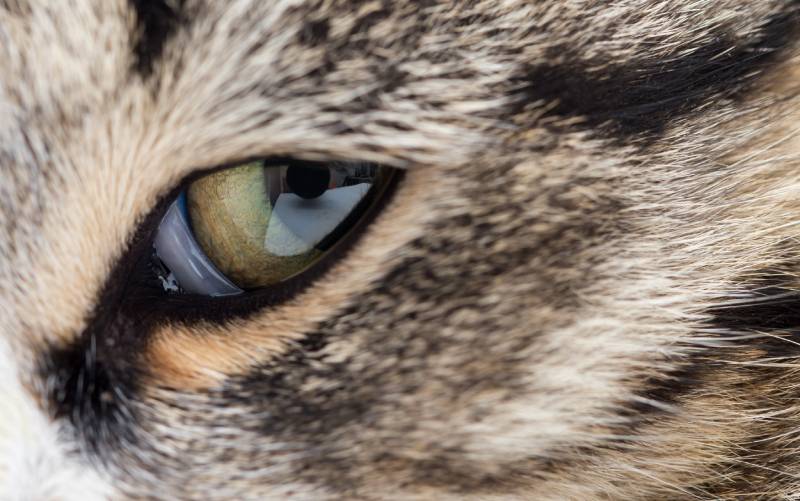
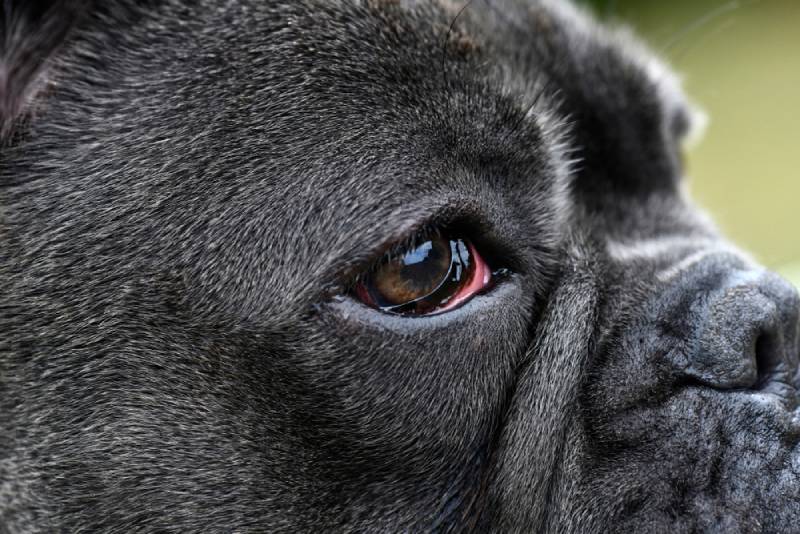
The third eyelid is more formally known as the nictitating membrane and is not limited to cats. Other mammals, such as polar bears, camels, and even dogs, have one. Many birds, like hawks and owls, as well as lizards, snakes, sharks, and frogs, also have a third eyelid.
The membrane adds an extra layer of protection, which comes in handy in certain conditions, such as protection from the glare of the ice and snow for polar bears or helping frogs see underwater.
The cat’s regular two eyelids work the way that ours do. They close them to sleep or to keep their eyes moist through blinking. The third eyelid can be found in the inner corner of the eye—it slides open to cover the eye when the cat is relaxed and retracts when they are active.
The nictitans, nictitating, or simply third eyelid gland is a tear gland also located in the corner of the eye and is responsible for producing 30% of the cat’s tears. The third eyelid spreads tears to lubricate the eyes and additionally protects them from and removes debris.
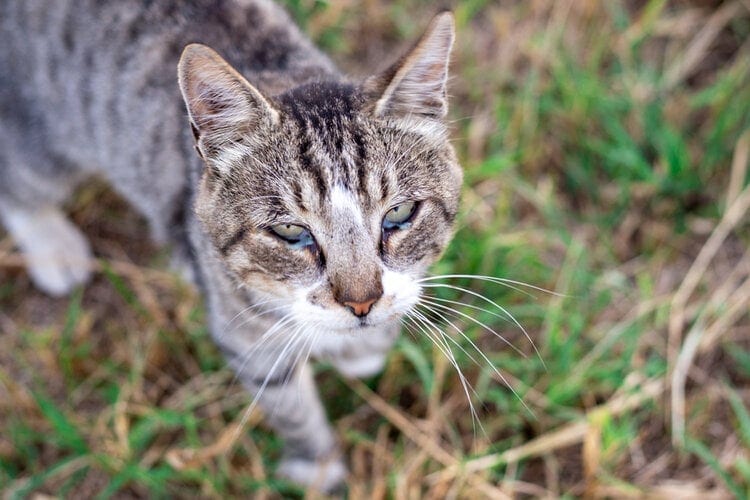
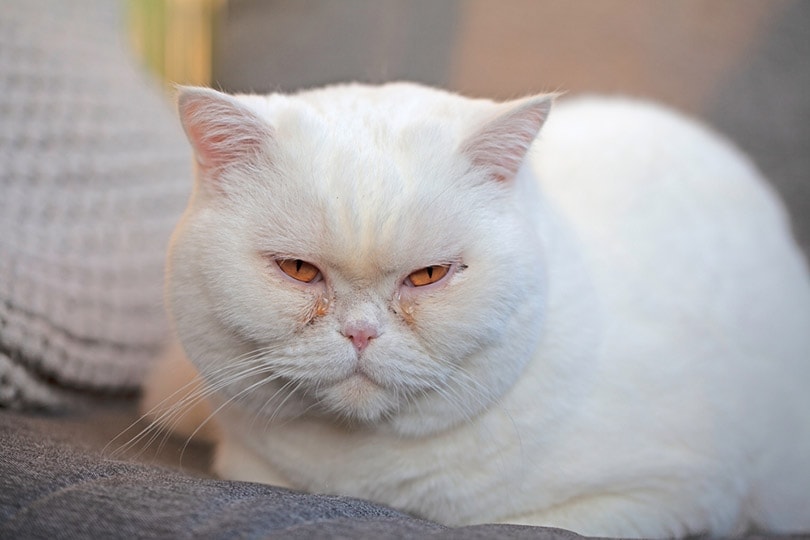
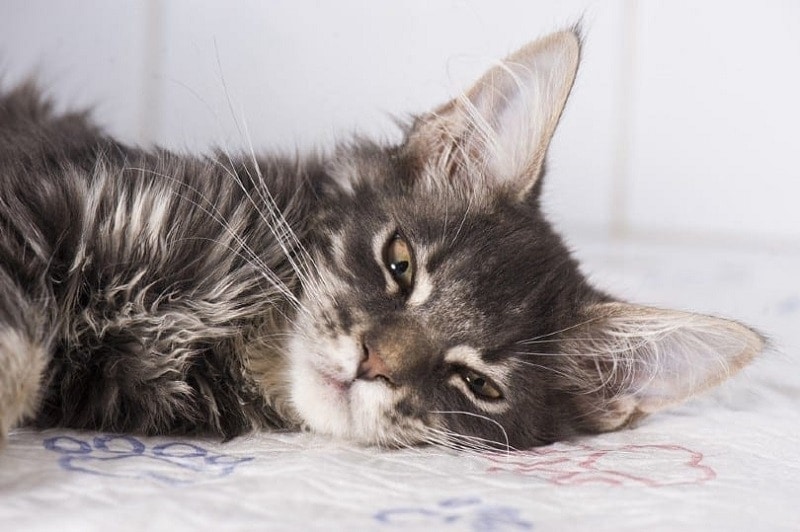
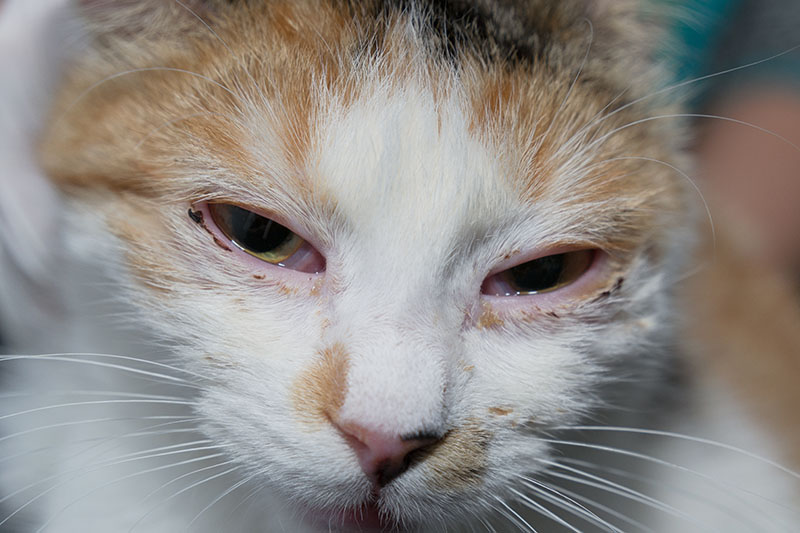
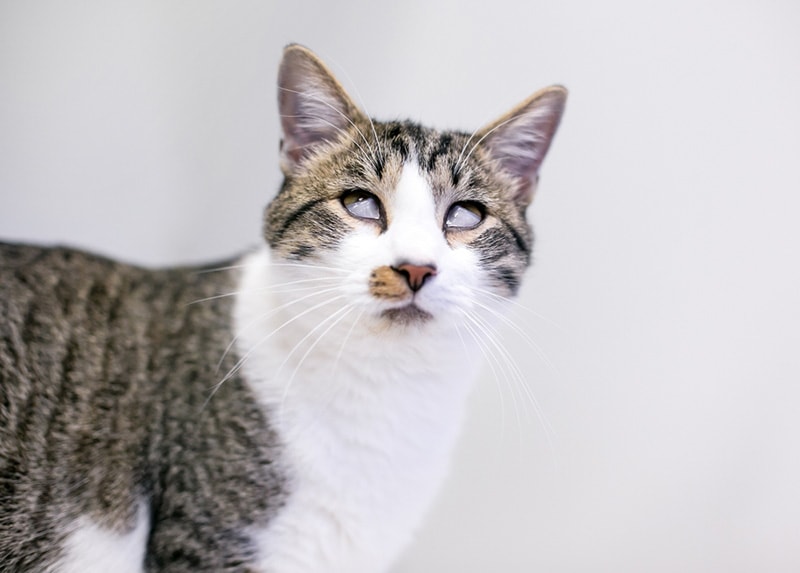
We typically only see glimpses of the third eyelid, and it’s usually when your cat is waking up—you might catch it sliding back into place. But you shouldn’t see a prominent third eyelid when your cat is awake. This is usually an indication that something is wrong.
The 10 Reasons That a Cat’s Third Eyelid Is Visible
If a cat’s third eyelid is constantly showing in one or both eyes, there’s usually an underlying problem. The following conditions can be the cause of a visible third eyelid.
1. Injury
An injury to the eye can definitely cause the nictitating membrane to show. Other signs of an injured eye (other than an obvious wound) can include:
- Closed eye
- Visible foreign object in the eye
- Eye discharge
- Pawing at the eye
- Protruding eye
- Clouded cornea
- Red eye
- Distorted pupil (different shape or abnormal reactions)
2. Foreign Object
The third eyelid is designed to stop and remove foreign objects from the cat’s eyes. If a foreign body can’t be removed by the membrane, this might result in the third eyelid remaining over the eye.
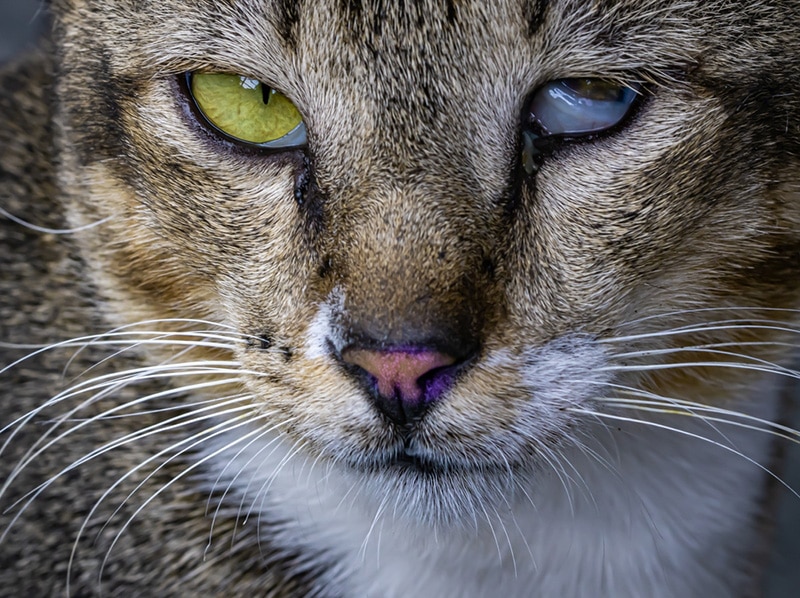
3. Conjunctivitis
Conjunctivitis is an inflammatory condition of the conjunctiva that requires veterinary attention and is usually caused by a viral or bacterial infection. Without medical attention, it can become a severe problem.
Other signs of conjunctivitis can include:
- Clear, bloody, or mucus-y discharge from the eye
- Swollen and inflamed eye tissue
- Excessive blinking and squinting
- Inability to open or close the eye completely
An upper respiratory infection can accompany conjunctivitis, which will also include these signs:
- Sneezing
- Nasal discharge
- Loss of appetite
- Lack of energy
4. Dehydration
Dehydration can turn into an emergency situation quickly and needs medical intervention immediately. Whatever has led to the dehydration needs treating, and your cat must have their fluids replaced and the underlying cause treated.
Other signs of dehydration are:
- Lack of appetite
- Lethargy
- Sunken eyes
- Tacky gums
- Weakness
- Collapse
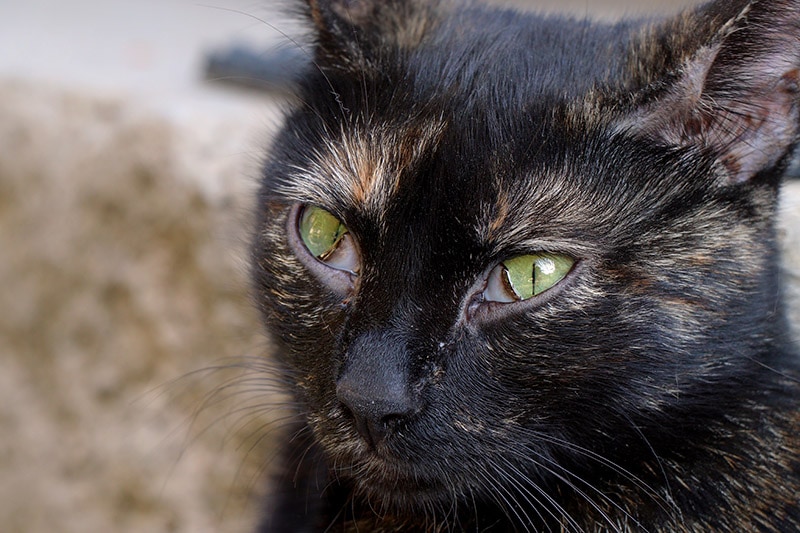
5. Glaucoma
Glaucoma is a disease that damages your cat’s optic nerve when the internal fluid, called the aqueous humor, builds up inside the eye. Glaucoma is commonly caused by uveitis or inflammation of the internal tissue of the eye. Other signs of glaucoma are:
- Squinting
- Cloudy or red eyes
- Excessive tearing
- Pupils being different sizes
- One eye seems to be bigger than the other or bulging
- Sudden blindness
Since glaucoma is painful, you might notice behavior changes:
- Aggressive behavior
- Sleeping more than usual
- Avoiding playing and interactions
- Hiding
6. Haw’s Syndrome
If both of your cat’s third eyelids appear suddenly, sometimes along with gastrointestinal issues like diarrhea, they might be suffering from Haw's syndrome. The cause of this condition is unknown. Some reports link it to internal parasites like tapeworms or a viral infection. Other signs include:
- Diarrhea
- Fever
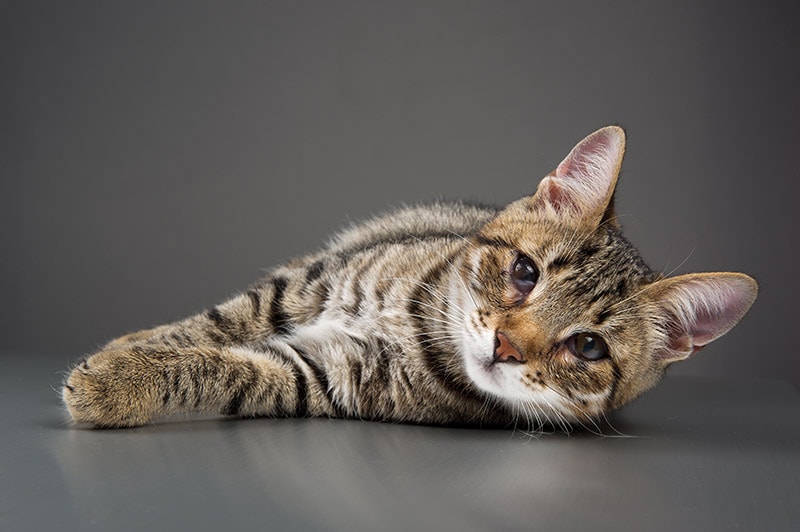
7. Corneal Ulcers
Corneal ulcers occur from damage to the transparent membrane on the front of the eye, which is the cornea. Unfortunately, this is a painful condition. Other signs include:
- Possible eye discharge
- Redness of the eye
- Squinting and shutting the eye tightly
- Rubbing the eye against surfaces or with a paw
8. Uveitis
Uveitis is inflammation of the uvea, which is a part of the eye that includes the iris, ciliary body, and choroid. Signs of uveitis include:
- Squinting
- Sensitivity to light
- Red eyes
- Cloudy eyes
- Watery eyes
- Bulging eyes
- Change in pupil size
- Hiding
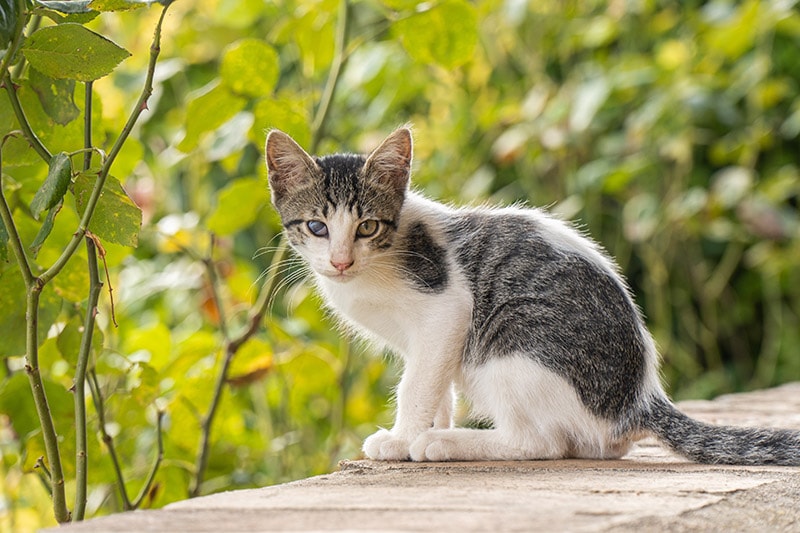
9. Horner’s Syndrome
Horner's syndrome occurs when sympathetic nerve damage affects the eye. It can be caused by trauma, a tumor, or an ear problem, but the cause isn’t always known. The management of Horner’s syndrome is aimed at diagnosing and treating the underlying cause. Other signs include:
- Sinking of the affected eye into the head
- The affected pupil is more constricted than the other
- Drooping eyelid on the affected eye
- Third eyelid being quite visible on the affected eye
10. Cherry Eye
Several dog breeds are quite prone to cherry eye, and a few cat breeds are susceptible to it too, though it is fairly rare.
When this condition occurs, the attachments of the tear gland of the third eyelid weaken causing it to prolapse. You will notice a tiny pinkish lump in the inner corner of the eye. Third eyelid tear gland prolapse mainly affects Persian and Burmese cats and requires surgery to put the gland back in its place. The signs of cherry eye are:
- Pink to red swelling in the corner of the eye
- Discharge
- Rubbing the eye with a paw

When Is It Okay to See Your Cat’s Third Eyelid?
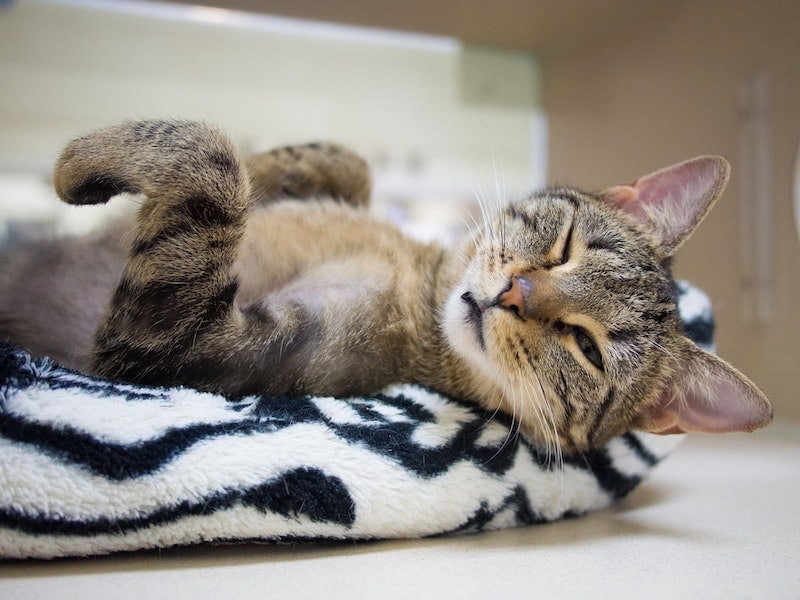
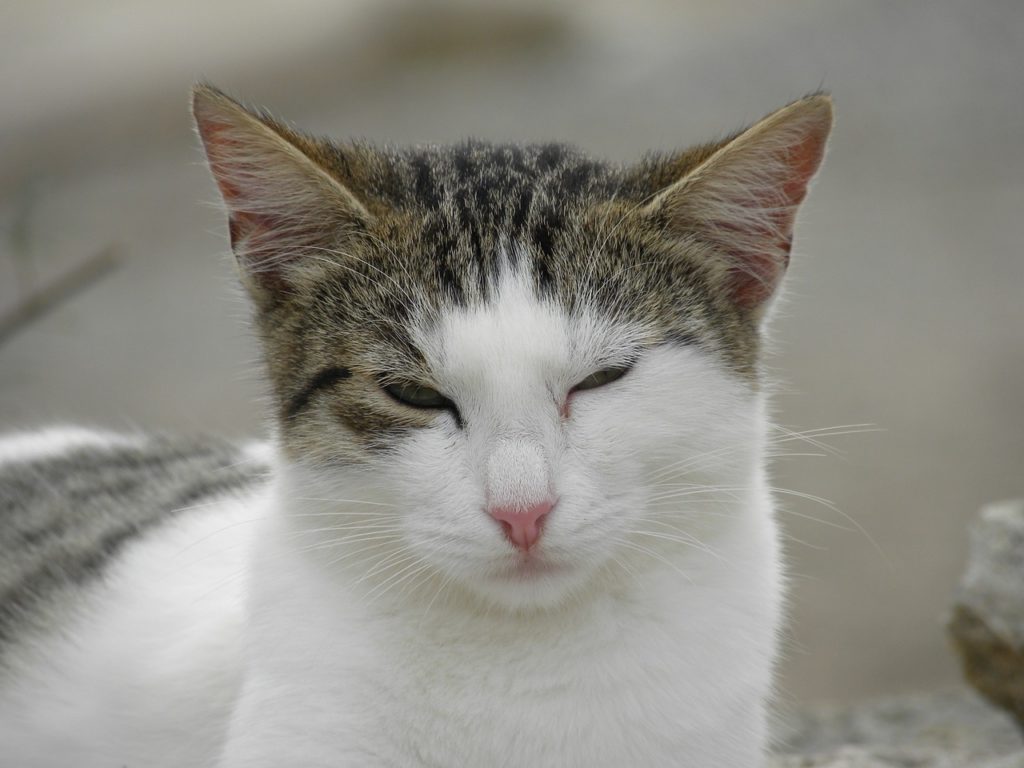
You’re bound to see the nictitating membrane when your cat is sleepy and when they are slowly waking up. If your cat is prone to sleeping with their eyes partially open, the third eyelid will be quite noticeable. These scenarios are entirely normal and nothing to worry about.
Additionally, if your cat has been sedated or put under full anesthesia for a procedure, you’ll likely see the third eyelid more prominently. This might last a few hours, which is normal, but if the membrane is still showing on your cat’s eye after 24 hours, call your vet.
How Is a Visible Third Eyelid Treated?
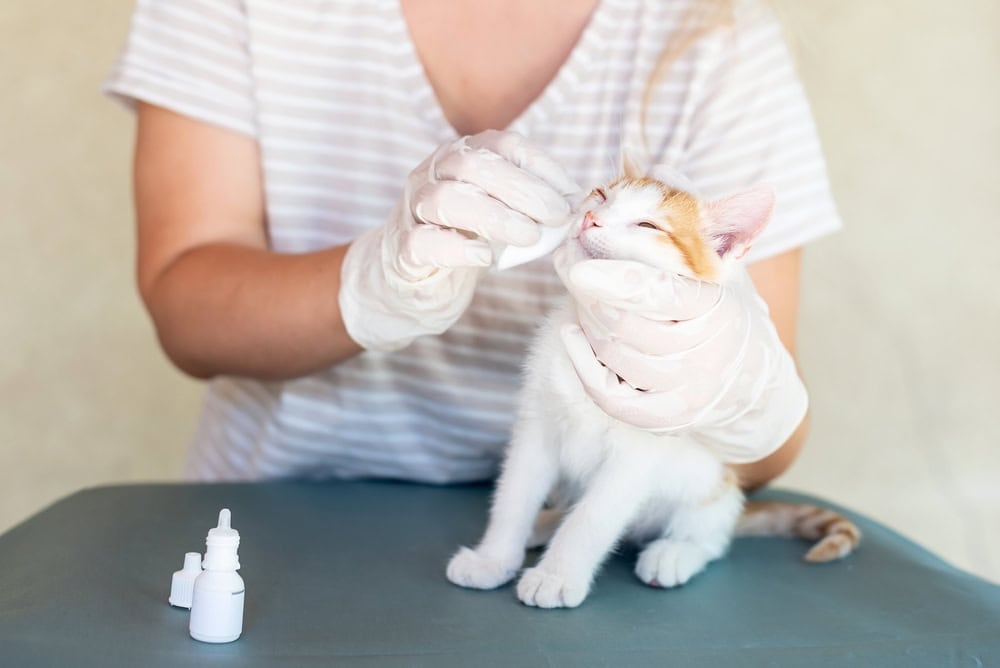
Since most situations that lead to a third eyelid showing are from underlying conditions, your vet will need to treat the cause. Your veterinarian will run tests to determine the cause and treat the underlying condition. For example, when cherry eye occurs, your vet will likely recommend surgery to solve the problem.
Under no circumstances should you attempt to treat the visible nictitating membrane yourself! Eyes are incredibly delicate, and you don’t want to risk damaging them.
Even if your cat seems perfectly fine with a bit of the membrane showing, you should still contact your vet. They can advise you on your next steps, which could be a visit to the clinic.
Conclusion
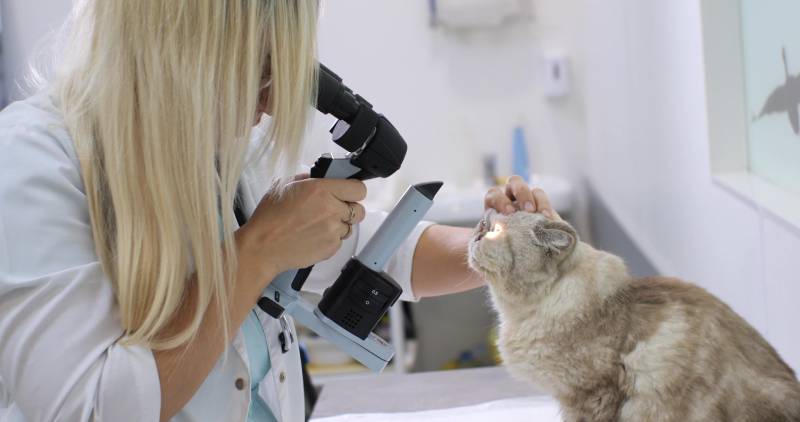
There are many reasons that your cat’s third eyelid is showing. Some are treatable and not too much to worry about. But in other cases, there are underlying causes that must be taken seriously and will need your veterinarian’s attention. This is particularly important for those conditions that are quite painful and can potentially lead to a loss of vision.
Keeping your cat's eyes healthy and your cat free from pain is one of the most vital aspects of being a cat parent.
Sources
https://www.petmd.com/cat/conditions/eyes/c_ct_corneal_scleral_lacerations
https://www.petmd.com/cat/conditions/eyes/c_ct_conjunctivitis
https://www.petmd.com/cat/conditions/eyes/c_ct_corneal_ulcers
https://www.petmd.com/cat/conditions/eyes/c_ct_anterior_uveitis
https://www.petmd.com/cat/conditions/eyes/horners-syndrome-cats
https://www.petmd.com/cat/conditions/eyes/c_ct_prolapsed_gland
Featured Image Credit: Chizhevskaya Ekaterina, Shutterstock
Get Hepper In Your Inbox


Pet care tips from our vets and experts, straight to your inbox.
You may opt-out at any time. View our Privacy Policy for more information.
Kathryn was a librarian in a previous lifetime and is currently a writer about all things animals. When she was a child, she hoped to work in zoos or with wildlife in some way, thanks to her strong love for animals. Unfortunately, she's not strong in the sciences, so she fills her days with researching and writing about all kinds of animals and spends time playing with her adorable but terribly mischievous tabby cat, Bella. Kathryn is hoping to add to her family in the near future – maybe another cat and a dog.
Join the conversation
Ask a question, share your story, or send private feedback.