Hepper is reader-supported. When you buy via links on our site, we may earn an affiliate commission at no cost to you. Learn more.
Why Is My Dog Marking in the House All of a Sudden? Vet Reviewed Reasons & Solutions


In this article
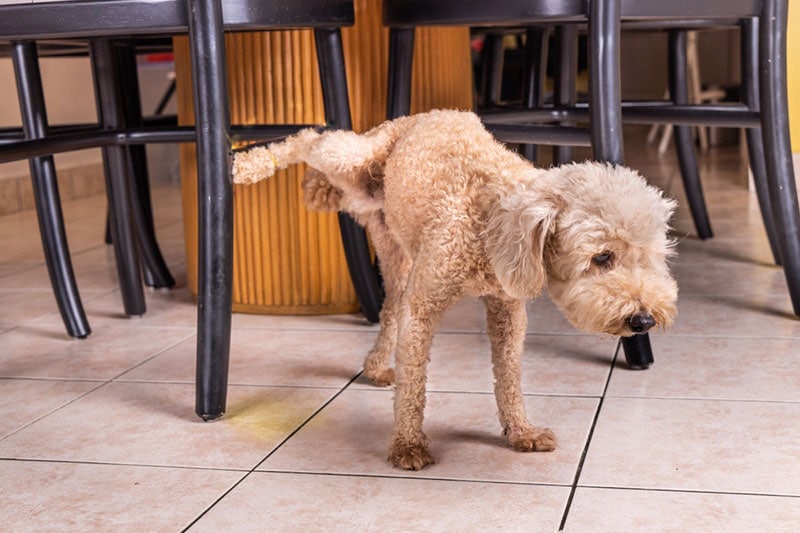
Have you ever found yourself in a puzzling situation where your beloved canine companion, who has always been well-behaved, starts marking in the house out of the blue? It can be both confusing and frustrating.
Marking is normal behavior and is also a form of communication in the canine world, but dogs that are suddenly marking at home may have an underlying medical condition or they are experiencing anxiety, causing a behavior change.
Still curious? In this article, we'll delve into the reasons that your dog may be suddenly marking, providing you with valuable insights and practical solutions to address this behavior! Let's get to the bottom of this mystery!

What Is Marking?
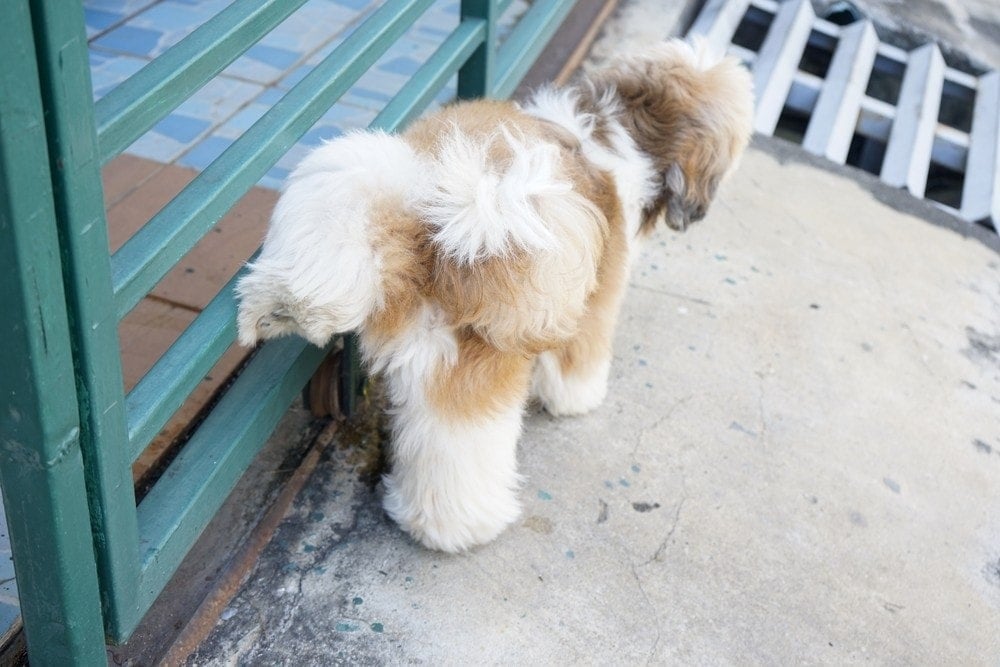
Before we dive into the specifics, let's start by understanding what marking is. Marking is a natural behavior in which dogs leave their scent by urinating in small amounts. It serves as a means of communication, helping dogs establish territory boundaries and convey information to other canines. Marking is different from regular urination, as it involves a deliberate effort to leave scent markers in strategic locations.
What Is Normal Marking Behavior?
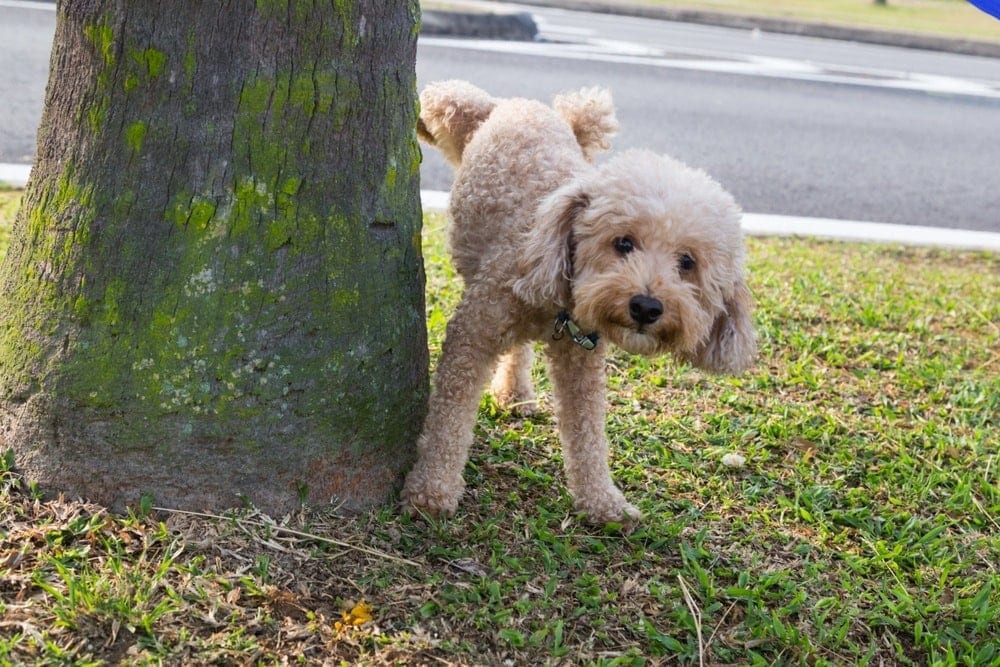
In normal circumstances, dogs may engage in marking behavior outdoors during walks or in designated areas, such as fire hydrants or trees. During outdoor playtime, you may have noticed your dog sniffing and peeing on random landmarks or objects that they find along the way.
It's their way of communicating with other dogs in the neighborhood. However, when marking starts to occur inside the house, it becomes a cause for concern.

Top 5 Reasons Why Your Dog Is Suddenly Marking in the House
Before addressing your dog’s unwanted marking behavior, it is important to identify why they are doing it in the first place. Whether it’s a medical or behavioral issue, as dog parents, it is crucial to understand what is normal for your dog and what is not to determine whether your dog truly is exhibiting something unusual.
1. Medical Issues
One possible reason for sudden marking behavior is an underlying medical issue. Certain conditions, such as urinary tract infections and bladder stones, can cause a change in urination patterns and lead to marking.
Keep an eye out for signs like frequent urination, smaller puddles, straining to urinate, or changes in urine color or odor. If you suspect a medical problem, it’s best to consult a veterinarian immediately for a proper diagnosis and treatment. Remember, the quicker the condition is identified and diagnosed, the faster the recovery!

2. Territory Response
Dogs are territorial animals, and any disruption to their sense of security can prompt marking behavior. Moving to a new home or introducing a new pet can unsettle your dog's territorial instincts. This behavior is typically more common for multi-pet households. By marking their scent, they're trying to establish a sense of ownership and claim their territory toward areas or objects.
3. Hormonal Changes
Hormones also play a role in marking behavior for both male and female dogs. Unneutered dogs are more prone to marking behavior due to hormonal changes. Intact males may begin to communicate their presence and assert dominance. Female dogs in heat may mark to attract potential mates.
Spaying or neutering your dog can help minimize hormonal-driven marking behavior. If you don’t plan on breeding or having your furry friend mated, it’s best to consult your veterinarian to discuss the considerations of having your dog spayed or neutered.
4. Lack of Proper Training
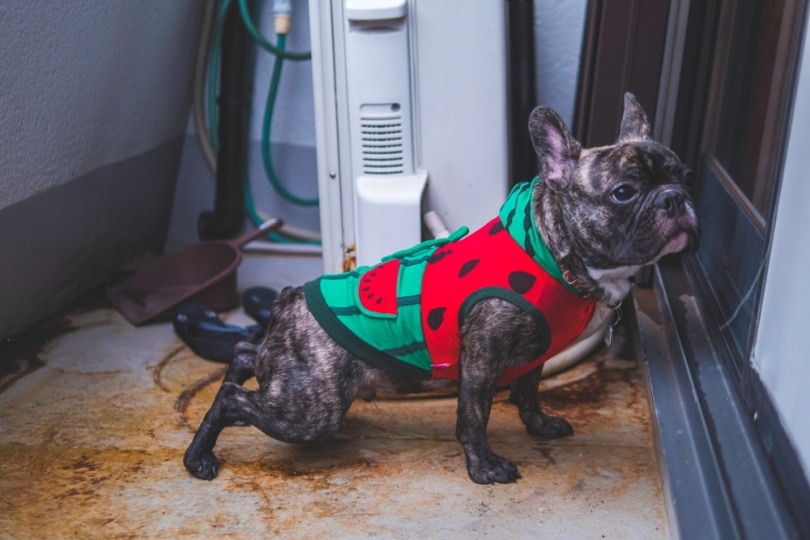
Sometimes, dogs may engage in marking behavior simply because they haven't been adequately trained or reinforced with appropriate elimination habits. If your dog hasn't received consistent training or adequate positive reinforcement, they may resort to marking as a way of communication or claiming territory.
5. Stress or Anxiety
Dogs are sensitive creatures, and changes in their environment can trigger signs of stress or anxiety, which may manifest as marking behavior.
Events like the arrival of a new family member, changes in routine, or separation anxiety can all contribute to your dog's sudden marking. Pay attention to any recent changes in your dog's life and try to identify potential stressors.

How to Deal With Dogs Marking
Upon identifying the cause of your dog’s marking behavior, here are a few steps you can take to handle the situation!
1. Consult a Veterinarian
If you suspect a medical issue is causing your dog's marking behavior, it's crucial to consult a veterinarian. They will conduct a thorough examination, perform necessary tests, and recommend appropriate treatment if required. Addressing any underlying medical problems is essential for resolving the marking behavior.

2. Reinforce Basic Training
Reinforcing basic house training is a crucial step in curbing marking behavior. Teach your dog a clear and consistent command such as "no" or "outside" to redirect them from marking inside. Catching them in the act and calmly interrupting the behavior can help them understand that marking is not acceptable. Practice positive reinforcement to reward the desired behavior.
You can also consider employing professional training services for the best results. Just make sure you seek services from a reputable organization or professional by asking your vet for guidance!
3. Provide Environmental Modifications
Identify problem areas in your home where your dog tends to mark and restrict their access to those spaces. Close doors, use baby gates, or create physical barriers to prevent them from reaching those areas.
Additionally, thoroughly clean any marked spots with enzymatic cleaners to remove the scent, as dogs are more likely to mark in previously marked areas.
Our favorite enzyme cleaner for eliminating pet smells and stains is our very own Hepper Advanced Bio-Enzyme Pet Stain & Odor Eliminator Spray. It makes clean-up a breeze because it permanently removes even the very worst smells and stains (urine, feces, vomit, you name it!) from basically any surface you can imagine.

- ADVANCED ENZYMATIC CLEANER - Penetrates the most stubborn smells and stains at the deepest molecular levels to dissolve any pet mess you encounter and lift it away at the source.
- FOR ANY MESS, ON ANY SURFACE - This pet odor eliminator cleans your carpets, floors, furniture, fabrics, and more. Whether it's urine, feces, vomit, or drool, you can erase all foul spots and smells!
- FRESH, NATURAL ODOR - Our unique formulation doesn't rely on dangerous or unpleasant chemical fragrances to get the job done. We eradicate smells and stains, not just cover them up.
4. Spaying or Neutering
If your dog is not already spayed or neutered, this procedure can significantly reduce marking behavior, especially if it is hormonal in nature. Consult your veterinarian to discuss the best time for spaying or neutering your dog.
5. Address Their Stress and Anxiety
If stress or anxiety is the underlying cause of marking, focus on providing a secure and predictable environment for your dog. Maintain a consistent routine, create a calm and comfortable space, and consider behavior modification techniques.
In most cases, seeking the guidance of a professional dog trainer or behaviorist can make the difference between solving or perpetuating the problem.
Final Thoughts
Discovering that your dog is suddenly marking in the house can be perplexing, but with patience, understanding, and the right approach, you can address this behavior. By considering potential medical issues, reducing stress, and providing positive reinforcement and a suitable environment, you can help your furry friend overcome their marking tendencies.
Remember, consistency and positive reinforcement are key to modifying your dog's behavior. With time and dedication, you can restore harmony in your home and enjoy a well-behaved, happy dog once again!
Sources
https://vcahospitals.com/know-your-pet/dog-behavior-problems-marking-behavior
https://vcahospitals.com/know-your-pet/urinary-tract-infections-utis-in-dogs
https://vcahospitals.com/know-your-pet/bladder-stones-in-dogs
https://vcahospitals.com/know-your-pet/signs-your-dog-is-stressed-and-how-to-relieve-it
Featured Image Credit: ThamKC, Shutterstock
Get Hepper In Your Inbox


Pet care tips from our vets and experts, straight to your inbox.
You may opt-out at any time. View our Privacy Policy for more information.
Nicole is a lover of animals of all sizes but is especially fascinated with the feline variety. She’s the proud mom of Baby, a Burmese, and works every day so he can relax in the sunshine or by the fire. She’s always had a cat in her home and has spent countless days with others, observing behaviors and softening up even the grouchiest of the lot. Nicole wants to share her kitty expertise with you so you and your cat can live happy, healthy, and care-free.
Join the conversation
Ask a question, share your story, or send private feedback.