Hepper is reader-supported. When you buy via links on our site, we may earn an affiliate commission at no cost to you. Learn more.
Why Is My Rabbit’s Pee Red? 10 Vet-Verified Reasons


Noticing that something is wrong with our rabbits is always alarming, and red pee is one of the scariest issues. Luckily, red pee in rabbits can be normal in some circumstances! However, it's always good to be aware of any potential problems and know when not to worry and when to take your bunny to the vet. We've gathered 10 reasons why your rabbit's pee might be red and what (if any) treatment they may need.

The 10 Reasons Your Rabbit Has Red Pee
1. Plant Pigments
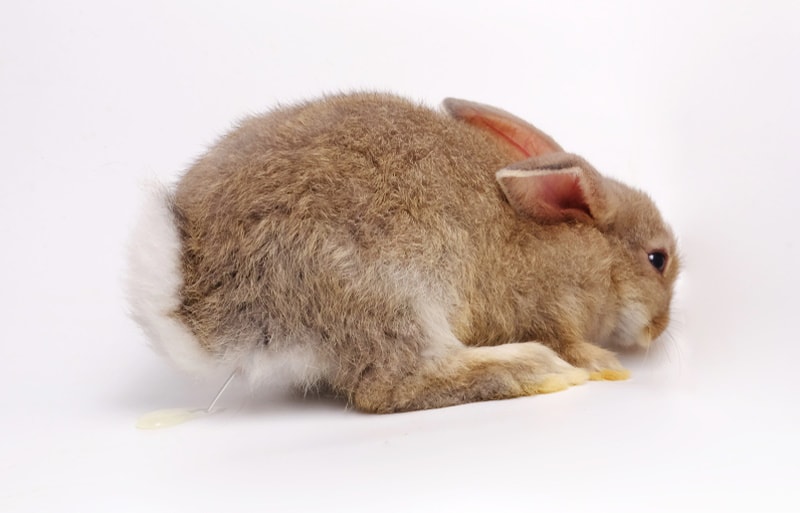
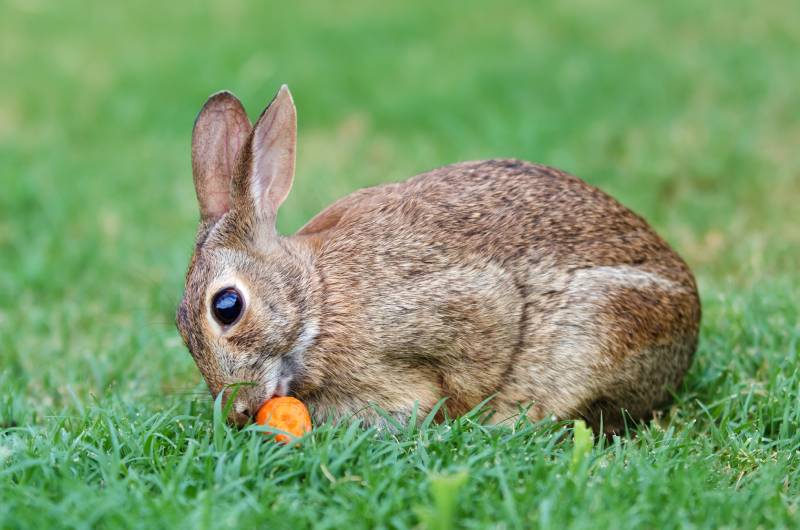
If you notice your rabbit's urine is a bright or darker orange-red, it's more than likely pigment from the plants they eat.
Plant pigments contained in some veggies such as carrots, cabbage, broccoli or even dandelions can be excreted in the urine as porphyrin, a red pigment. So rabbit urine can be a red, orange or brown color after eating these foods. If your rabbit has red pee and exhibits no other signs, it's likely okay, and its urine should return to its normal color within a day or two. There are urine test strips that can be dipped into the urine to determine whether or not there is any blood present if there are concerns.
2. Dehydration
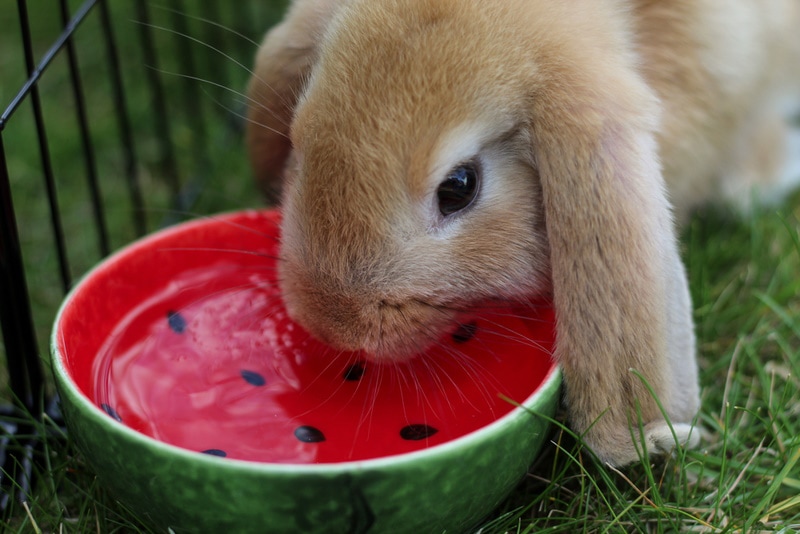
If your rabbit's urine is dark and strong-smelling, it might indicate that they're dehydrated. Dehydration and dark, yellow-brown, or red urine are often accompanied by other signs, such as:
Rabbits can quickly get dehydrated if their water bottle stops moving, particularly if it's gravity fed or blocked. In addition, if it's a hot day and your rabbit has been active or refuses to drink, it can quickly become dehydrated. If you believe your rabbit is dehydrated, you should take them to the vet as soon as possible.
3. Uterine Cancer
Rabbits don't menstruate as humans do. They don't bleed when they come into heat, and a bloody discharge is often abnormal. A bloody vulval discharge can also be confused with red pee. Uterine cancer is common in intact female rabbits, especially those over 3 years old; it is also a leading cause of blood and bloody discharge from the genitals.
Uterine adenocarcinoma is a very aggressive cancer that occurs in the womb’s lining. Other signs of uterine adenocarcinoma in rabbits include:
The treatment for adenocarcinoma in rabbits is often ovariohysterectomy- surgical removal of the uterus and ovaries. However, this must be done as early as possible and before it spreads to other organs such as the lungs. Sadly once this has occurred, there is no effective treatment.
4. Pyometra
Pyometra is a womb infection that can affect unspayed female rabbits. One of the first signs of a problem includes blood in the urine, as bloody (and possibly pus-filled) fluid is released from the womb. Pyometra is a fluid build-up due to an infection of the uterus, and it can be fatal if not treated promptly. Other signs of pyometra in rabbits include:
Spaying - surgical removal of the uterus and ovaries, is usually the treatment of choice for pyometra. However mild cases may be treated with antibiotics and supportive care such as fluid therapy.
5. Rabbit Hemorrhagic Disease
Rabbit hemorrhagic disease virus, or RHDV, is an infectious and deadly calicivirus that can affect wild and pet rabbits. It causes sudden death in most cases, but there are sometimes other signs of infection, including blood in the urine and bleeding from the bottom, nose, and mouth. Two variants have been discovered: RHDV and RHDV2 (the second is more deadly).
Because sudden death can occur without signs, it can be tricky to determine whether or not your rabbit has been infected. Unfortunately, most rabbits pass away within 12 to 36 hours of exposure, and RHDV has a 70–100% fatality rate. Vaccines have been developed and are now approved for rabbits by the USDA to protect against this horrible disease.
6. Trauma
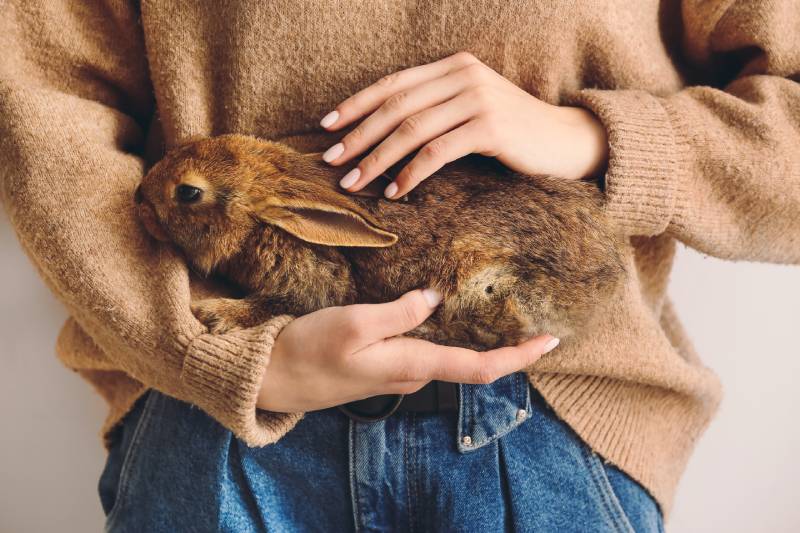
Genital trauma can occur in female and male rabbits. However, male rabbits are more likely to fight and damage themselves. Scratches and injuries can cause blood to appear in the urine, although it is not usually entirely red unless the rabbit is bleeding heavily.
If your rabbit has genital injuries or is bleeding, take them to the vet immediately since an infection or shock can be fatal.
7. Bladder Stones
Bladder stones are hard concretions that are found in the bladder and are mostly composed of some form of calcium carbonate in rabbits. Rabbits don't process calcium the same as other animals; instead of only absorbing what they need, they absorb all the calcium they consume and excrete any excess through the urinary system.
This can cause calcium to collect in the bladder and form stones. Bladder stones are more common in rabbits that are sedentary or overweight. They can cause red blood in the urine and other signs including:
The treatment for bladder stones depends on how large they are; pain relief will usually be given first, and surgery may be needed to remove the larger stones if they're not small enough to flush out. Any underlying causes will also be addressed such as weight loss and avoiding high calcium foods.
8. Sludgy Bladder
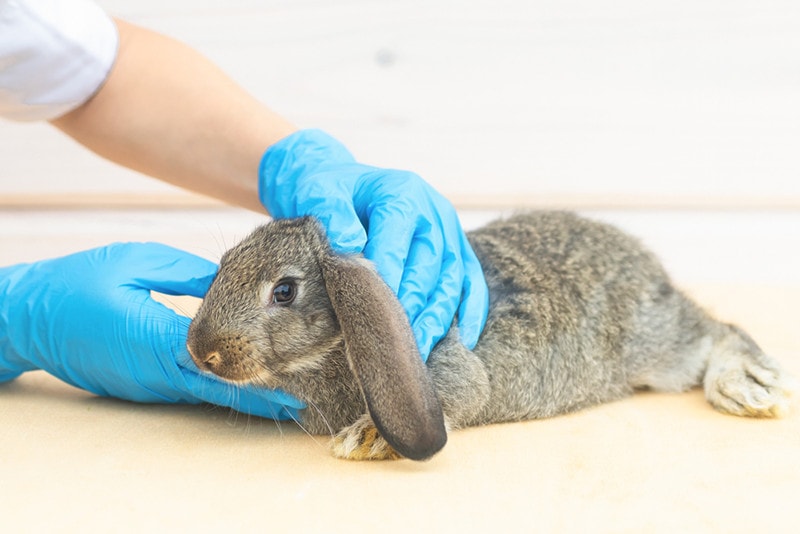
Like bladder stones, a buildup of calcium crystals in the bladder can cause a thick sludge to form which resembles silt. This moves around and can irritate the bladder, causing inflammation. If the rabbit is obese or has restricted movement due to surgery or lack of space, more calcium can collect and turn into sludge.
Irritation can cause bleeding, which can appear in the urine, as well as pain, hunching over, straining to urinate, and urine stains on the hind legs. Treatment for a sludgy bladder is similar to that for bladder stones including pain relief and bladder flushing. Dietary changes are usually also needed, as well as more exercise to help prevent the condition from occurring again.
9. Cystitis
Inflammation in the bladder can cause blood in the urine, making it look pink or red. Cystitis can occur for many reasons, including a sludgy bladder, bladder stones or a urinary tract infection. The signs of cystitis (alongside blood in the urine) include:
10. Urinary Tract Obstruction
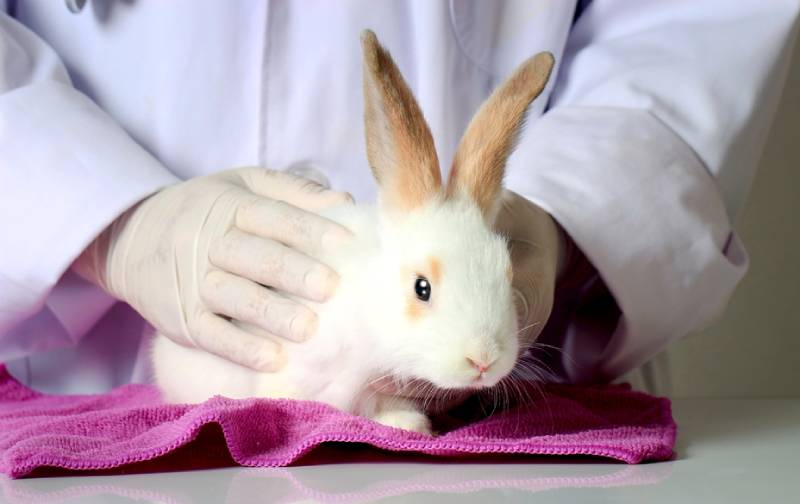
This is when a rabbit’s urinary tract is blocked so they are unable to pass pee. Complete obstructions are less common in rabbits but are usually seen in male rabbits and are an emergency. Partial blockages which stop the urine flowing freely can cause a rabbit to pass small amounts of concentrated, bloody, red urine. Bladder stones and sludge are the most common causes of this. The signs of a urinary tract obstruction include:
A urinary tract obstruction is considered an emergency since it can cause kidney failure, so you must take your rabbit to the vet immediately if you suspect one.

Conclusion
Seeing your rabbit leave red pee in their enclosure is often alarming, but thankfully it's usually nothing to worry about. Red pee can even be seen as normal for rabbits, depending on whether your rabbit has eaten anything that can produce porphyrin pigments.
Normal rabbit urine has various colors, including clear pale yellow, oranges, and dark red. If your rabbit exhibits any discomfort or signs of distress, including pain, hunching, or anorexia, you should take them to their vet immediately.
See also:
Sources
https://www.petmd.com/rabbit/conditions/urinary/c_rb_hematuria
https://www.stortvet.com/red-urine/#1533547353850-4c5bc408-aeeb
https://www.petmd.com/rabbit/conditions/urinary/c_rb_urinary_tract_obstruction
https://www.petmd.com/rabbit/conditions/reproductive/c_rb_uterine_adenocarcinoma
https://www.petmd.com/rabbit/conditions/reproductive/c_rb_pyometra
https://vcahospitals.com/know-your-pet/rabbit-hemorrhagic-disease-virus-rhdv
https://www.petmd.com/rabbit/conditions/urinary/c_rb_hypercalciuria_urolithiasis
Featured Image Credit: KanphotoSS, Shutterstock
Get Hepper In Your Inbox


Pet care tips from our vets and experts, straight to your inbox.
You may opt-out at any time. View our Privacy Policy for more information.
Beth is a mom to two babies: one with four legs, and one with two. Beth has years of practical experience as a veterinary care assistant, working in both the operating room and in consult, expanding her knowledge to gain certification in her favorite subject: feline behavior and well-being! When she's not writing about her favorite topics (cats, dogs, and creature comforts), she's looking after her two-year-old daughter and her energetic eight-year-old Nebelung, Kiba. When she gets a moment's respite, Beth loves to read fiction books. Horror is her number one genre, with fantasy and rich history being her second option.
Join the conversation
Ask a question, share your story, or send private feedback.