Hepper is reader-supported. When you buy via links on our site, we may earn an affiliate commission at no cost to you. Learn more.
Can I Put an Ice Pack on My Dog? Vet Approved Facts & Safety Guide


In this article
Ice packs fall under the treatment of cold therapies, and cold and heat therapies have been used for a long time to help the healing of injuries. Both have their place and have demonstrated success rates in relieving pain. We are familiar with being told by a doctor to place a bag of frozen peas on an injured knee, for example, but can an ice pack be used on your dog?
Absolutely. Ice packs can safely be used on dogs and are a treatment frequently recommended by veterinarians, vet techs, vet nurses, and other professionals to help reduce pain and swelling in certain situations.
There are certain ailments where heat is a better option than ice, like a stiff joint or muscle, for example; however, ice is a powerhouse of a tool that you can use easily and cheaply to help many injuries, aches, pains, and traumas.
Let's break the ice and look at all its options, its safety for your dog, and all your other burning questions.

What Do Ice Packs Do?
Ice packs, in a nutshell, can provide pain relief, comfort, and a reduction in swelling. Ice doesn’t treat the initial injury or trauma itself; rather, it helps your dog feel better and more comfortable and can limit further tissue damage.
When an injury or traumatic event occurs to the body, swelling, pain, and heat usually follow. This is due to increased blood flow and inflammation. The cold from the ice constricts blood vessels, therefore reducing the amount of blood flow. This action helps to reduce inflammation and swelling, as well as limiting secondary tissue injury.
Ice can also numb an area, providing further pain relief and comfort, and can also help provide relief for muscle spasms.
What Can You Use an Ice Pack For?
There are many injuries or instances where an ice pack can be used on your dog. The below list is not an exhaustive one but gives you a broad idea. If you think ice might help your dog, always check with your veterinarian to make sure it is the correct line of treatment, as it is not always suitable, and sometimes heat might be better.
- Post-surgery to help reduce swelling. Your veterinarian will give you post-operative instructions on using ice to help your dog recover from their surgical procedure. It is usually used in the first few days when swelling and inflammation are at their highest.
- First-aid treatment for some fractures that haven’t broken the skin.
- Any muscular or tissue issue that is less than 48 hours old.
- Inflamed and swollen joints following a stumble, jarring, or any type of accident less than 48 hours old.
- Any injury or trauma causing swelling or inflammation.
- Sometimes helpful for chronic conditions, such as arthritis, if prescribed by your professional as a suitable aid.
Where Do You Put Ice Packs on Dogs?
The ice pack is simply placed over the affected joint or injured area, but always with a cloth or cover between the ice pack and the skin. Skin burns and damage to the blood vessels of the skin occur rapidly and easily, sometimes with dramatic consequences.
This is an avoidable issue by careful monitoring and responsible use of the ice pack. If it does occur or you are concerned about any skin changes, stop the treatment and call your veterinarian.
How Do I Make an Ice Pack?
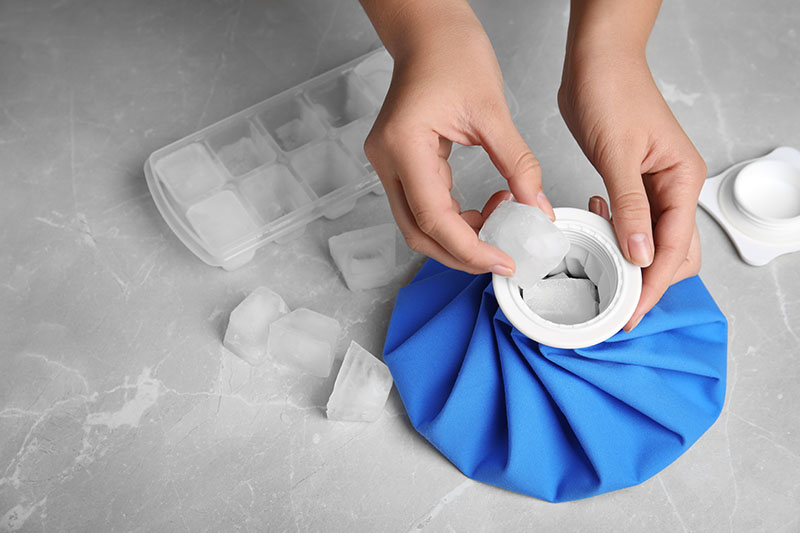
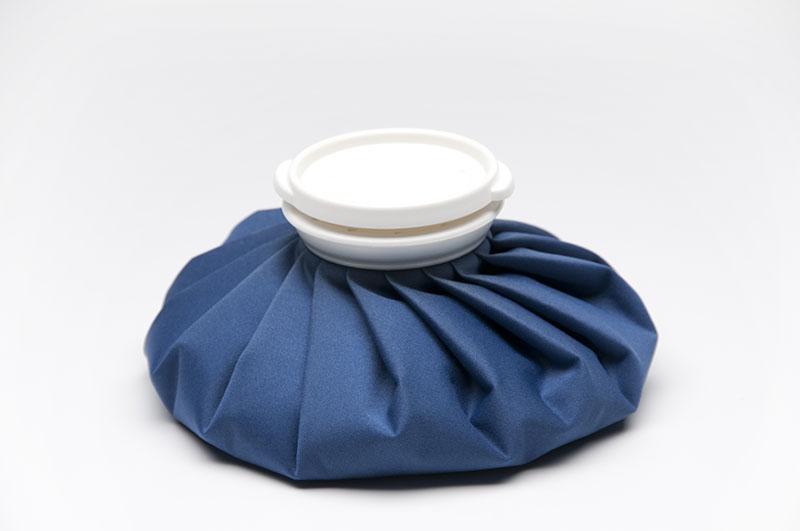
There are many safe ice packs for dogs that you can buy commercially, which can be reused multiple times by placing them in the freezer. This gives these products a good cost per use if the price is a concern or you are considering if they are worth it.
Alternatively, a good old bag of frozen peas is an excellent option, as is crushed ice placed in a wet towel. The latter is an easy and cheap method and is particularly useful because it molds to the often awkward shape of the area you wish to ice. Some (not all) commercial ice packs can lack this flexibility. Always wrap the ice pack in a cloth before applying it to the affected area.

Can I Use Ice Packs for Arthritis?
Yes, you can, if it has been advised by your vet. Ice packs are especially useful after an exercise that may have aggravated their arthritis or an acute flare. Following the exercise or activity, place an ice pack on the affected joint for 15–20 minutes.
How Long Do You Leave an Ice Pack on a Dog?
An ice pack can usually be applied to the affected area for 15–20 minutes up to every 2 hours. The skin underneath needs to be checked every 5 minutes while the pack is in place to ensure the skin doesn’t end up with a cold burn and that it remains nice and pink. If any color changes or alterations to the skin tissue occur, or your dog is showing signs of discomfort, remove the pack immediately and check in with your vet.
After 2 days of icing, your vet may suggest alternating ice and heat. Always carefully follow your vet’s directions for how often and how long to ice an injury.
Warnings When Using Ice Packs on Dogs
- Do not apply the ice pack directly onto the skin. Place a towel, piece of cloth, or the cover provided with the pack between the ice pack and your dog's skin.
- Do not leave it on for more than 20 minutes at a time.
- Do not use it if your dog has an infection, cancer, a compromised vascular system, or issues controlling their core body temperature.
- Do not use it on open wounds or dogs with skin injuries.
- Do not use it if your dog is suffering from hypothermia (low body temperature).
- Do not leave your dog unattended during the ice application.
- Do not self-diagnose. Check with your vet first.
Conclusion
I am sure you have, or at least considered, using ice on yourself. It's a wonderful option when used under the correct conditions. Ice and the cold are often most helpful when used in the first 48 hours after an injury to reduce pain and swelling, but it’s not always necessary. Sometimes, ice can make matters worse, which is why it's best to phone your vet’s office beforehand.
Featured Image Credit: New Africa, Shutterstock
Get Hepper In Your Inbox


Pet care tips from our vets and experts, straight to your inbox.
You may opt-out at any time. View our Privacy Policy for more information.
Annaliese began her career as a veterinary nurse in Edinburgh, later advancing her qualifications with a diploma in advanced veterinary nursing in surgery from London. Her work in small and mixed veterinary practices led her to become a head nurse, where she trained other veterinary nurses, managed the nursing department, conducted nurse clinics, and developed new patient care protocols.
Throughout her career, Annaliese has cared for thousands of patients and their owners, setting higher standards in nursing regimes with a focus on surgery and anesthesia. She co-authored multiple veterinary nursing textbooks and contributed to various mainstream publications in the UK and USA. After more than twenty years in the veterinary and pet care professions, she retired from clinical practice to pursue full-time writing. Having cared for thousands of patients and owners, Annaliese specialized in surgery and anesthesia. She was asked to co-author several veterinary nursing textbooks and contributed to a number of other publications in the UK and USA. After more than two decades in the veterinary and pet care industries, she retired her scrub suit and now works as a full-time writer.
Join the conversation
Ask a question, share your story, or send private feedback.