Hepper is reader-supported. When you buy via links on our site, we may earn an affiliate commission at no cost to you. Learn more.
Waxy Monkey Tree Frog: Care, Lifespan, Diet, Pictures & More
In this article
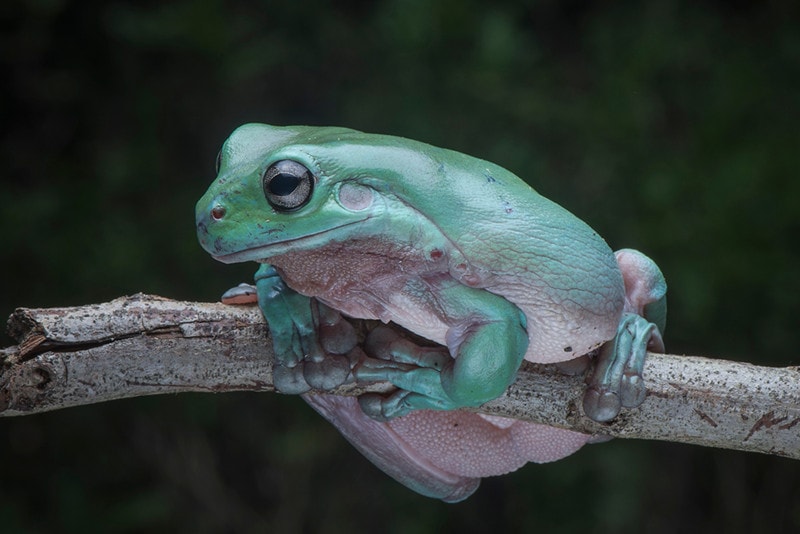
The Waxy Monkey tree frog is a portly, unique little amphibian that enjoys climbing and hanging out on their favorite branch for the day. They are most interesting at night, so if you’re a bit of a night owl, this is the pet for you.
So, let’s look at everything there is to know about this frog and its care so you can decide if your family has a frog-shaped space the Waxy Monkey tree frog can fill!
| Size: | 3–4” |
| Lifespan: | 8–10+ years |
| Color: | Olive dorsal or lime green, pale or white streaks on the belly, chest, and underside of the limbs |
| Suitable for: | Owners that have had frogs before, adults |
| Temperament: | Calm, friendly, hardy |
| Diet: | Carnivorous diet of insects |
| Tank Set Up: | A terrarium with water and suitable plants |
| Minimum Tank Size: | 20 gallons |
| Suitable Tank Mates: | Multiple Waxy Monkey tree frogs |
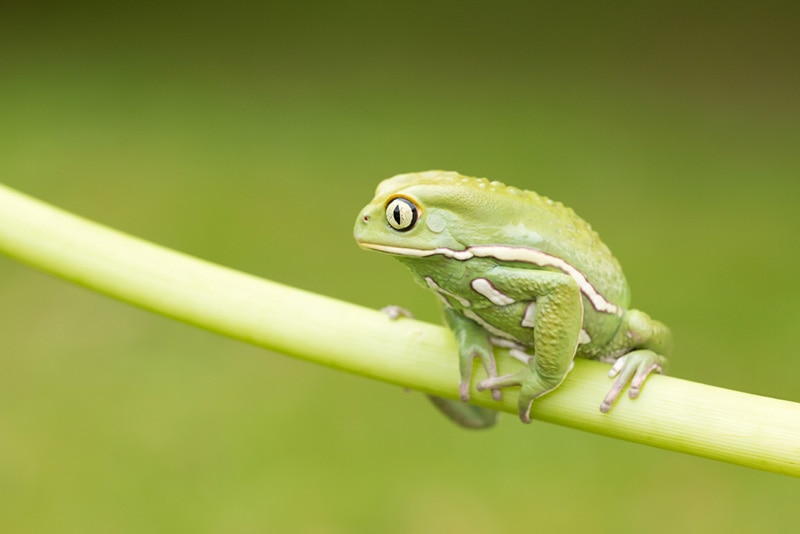
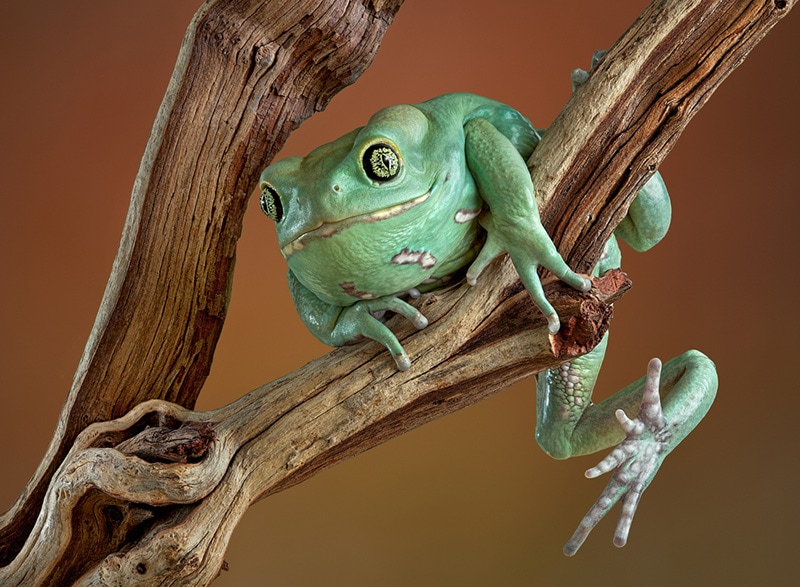
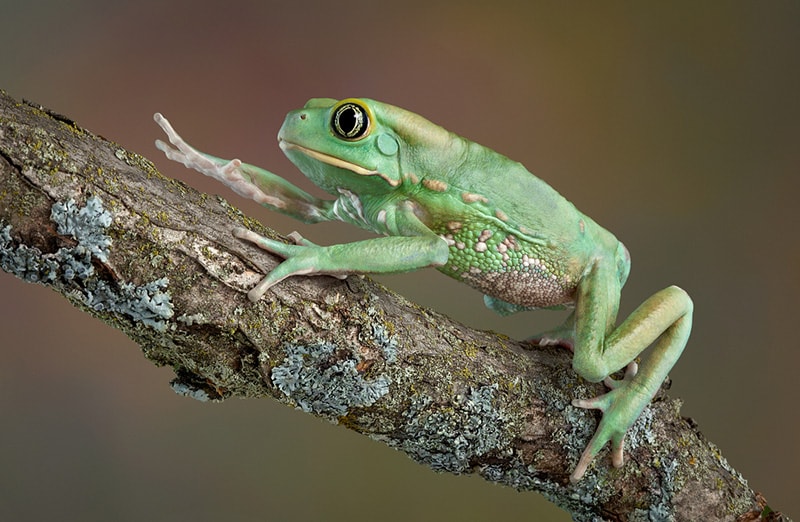
The Waxy Monkey tree frog might be a frog, but they don't do much hopping around. Instead, they prefer to use prehensile, human-like hands to hang out in treetops, which is exactly where they gained the “monkey” side in their name from.
They’re interesting frogs in appearance and behavior, and while considered to be easy to care for, they aren’t suitable for beginners or children as owners. Getting their environment right is imperative, and it is easier for experienced owners and adults.
Waxy Monkey Tree Frog Characteristics

Waxy Monkey Tree Frogs Overview
Waxy Monkey tree frogs are native to South America, northern Argentina, northern Paraguay, eastern Bolivia, and Brazil. They are perfectly designed for the unique lifestyle they have but are also incredibly adaptable, which is one of the things that makes them so popular.
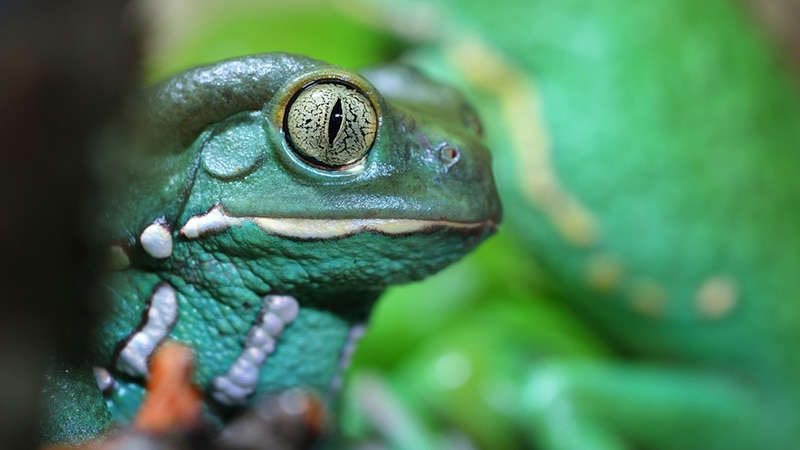
We’ve already covered where the “monkey” side of their name came from, but “waxy” comes from the substance they cover themselves with to reduce moisture lost through their skin during periods of drought. This gives their skin a waxy, shiny appearance.
Owners might find them boring during the daytime because they rarely move around. They are also relatively slow and calm in comparison to other pet frogs. So, this is important to note when deciding if they’re the pet for you. While they’re known for being easy to care for, kids tend to find them dull.
Waxy Monkey Tree Frog Cost
The price of a Waxy Monkey tree frog can vary depending on where you buy them and where you’re located. It’s essential to do your research because you don't want to support questionable imports inadvertently; the conditions surrounding the smuggling of exotic animals can be horrific, and that isn’t how you want to acquire a new pet.
A captive-bred frog from a reputable breeder doesn’t cost very much. A good breeder will welcome questions and allow you to see their setup to check your new frog’s health and the conditions they are being kept in.
The price of your new pet is only one part of the total cost. Frogs need a tank, food, bedding, and lighting. It’s important to set up their enclosure and gather the necessary supplies before you bring a Waxy Monkey tree frog home.
Care Guide & Tank Set Up
Tank Size
The Waxy Monkey tree frog likes to climb and will need a tall glass enclosure to accommodate them. One adult will need a 20-gallon enclosure, but you’ll need to add 10–15 more gallons for each additional frog. It’s best to get a vertically oriented tank that measures around 18” x 18” x 24”. Like a chameleon, they need plenty of ventilation.
The Waxy Monkey will require several branches and foliage to hide and climb in. You add tropical plants to the tank, but you need to ensure they can hold the Waxy Monkey tree frog’s weight for extended periods. They will spend most of their time during the day resting in their favorite spot before becoming more active at night.
An aquatic section in the tank is essential for bathing and collecting tadpoles during the breeding season. Filtration isn’t necessary as long as the water is changed regularly. Keep the water confined to no more than 25% of their tank.
Substrate
While Waxy Monkey tree frogs are arboreal and spend most of their time in branches, they will still need a slightly moist substrate. This will increase the humidity inside the terrarium. You need a substrate that’s easy to store and safe. Frogs can sometimes swallow their substrate, leading to problems like impaction.
If you find that the humidity isn’t high enough, you can add moss to the terrarium to help.
There are two types of substrates available: natural and artificial substrates. The natural substrate is made from soil or bark and mimics your frog’s habitat. They are slightly trickier to keep clean than artificial substrates, which can be made from carpet or sheets you can cut to size.
Natural substrates smell and look better, making the terrarium look more natural. Still, there is a risk that your frog can eat it accidentally, which can cause blockages or be a choking hazard. Artificial substrates are easier to clean but look less aesthetically pleasing when they get dirty and won’t be suitable if your frog enjoys digging.
Humidity and Temperature
The Waxy Monkey tree frog thrives in temperatures around 75° to 85° F and won't be happy in high humidity, so it should stay between 40% and 60% and no higher. Waxy Monkey tree frogs are escape artists and will look for any opportunity to get out, and if the top is left ajar, they can escape. Although their enclosure needs a lid to prevent that, you should get one with wire mesh to provide ventilation.
Your frog should have access to fresh water that must be changed once a day or more if it gets dirty. Misting the terrarium once or twice daily will also help to provide enough moisture, and you can do it by hand if you don't want to buy an automatic mister.
Lighting
Your Waxy Monkey tree frog will be primarily nocturnal, but they need a UVB source to provide them with enough light. They will use the light to synthesize vital vitamin D3 inside the skin, which aids in absorbing calcium. A 6% ultraviolet tube or one that is equivalent should be sufficient. You have to replace it every 6 to 9 months.
Things to Know When Owning a Waxy Monkey Tree Frog
Food & Diet Requirements
The Waxy Monkey tree frog enjoys a diet of crickets, earthworms, mealworms, spiders, flies, and dubia roaches. It’s best to get your insects from a pet store since the ones in your yard and garden can contain pesticides. You could breed your own insects if you have the time and patience!
The insects you provide will need to be gut loaded or dusted with calcium and vitamins to ensure they provide your frog with a balanced diet. Make sure you research the best options for your frog.
For example, mealworms and superworms are easy enough to source, but they also have a high amount of chitin, making them harder to digest. If you feed your frog too many, it could lead to digestive problems like constipation.
Water Requirements
Your Waxy Monkey tree frog will need access to water at all times. Even with water in the terrarium, some owners also provide water in a heavy bowl. Frogs drink by absorbing water through their skin, so you’ll notice them sitting in their water.
The water should never be distilled because it can disrupt your frog’s ability to regulate water in their cells and can result in death. Their water should be changed daily, but do a spot check in case you need to change it more often.
Size & Growth Rate
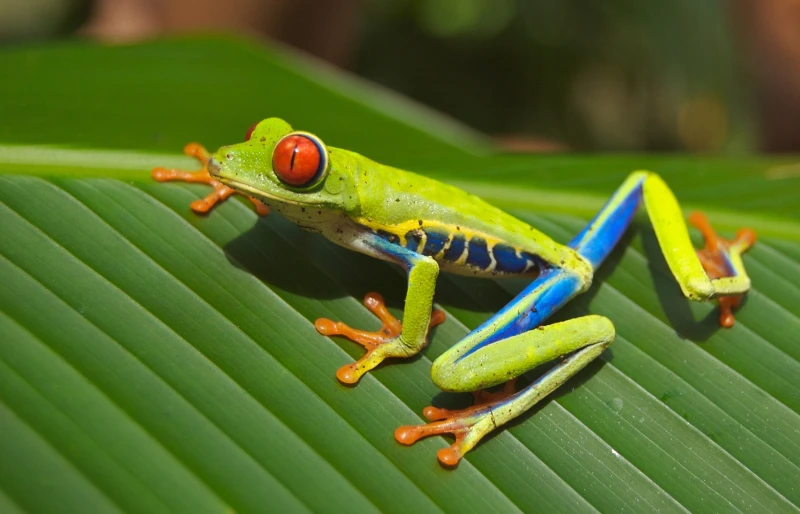
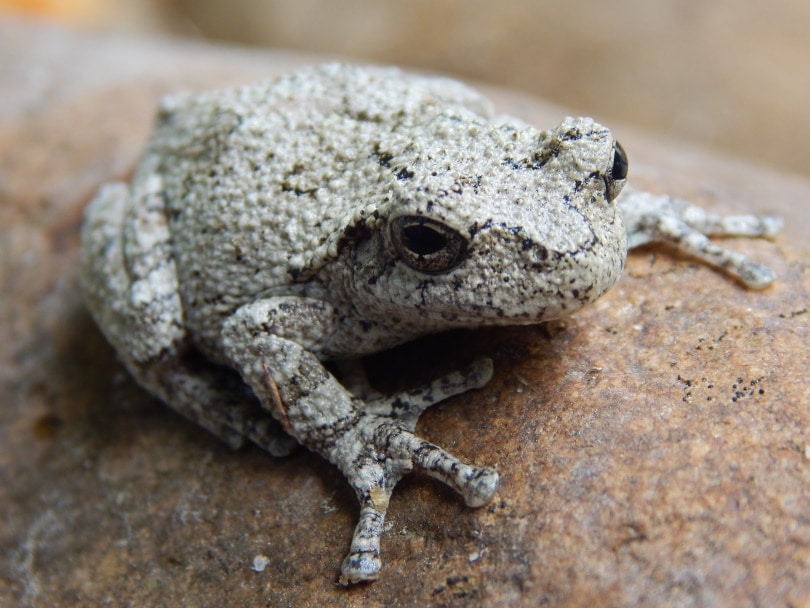
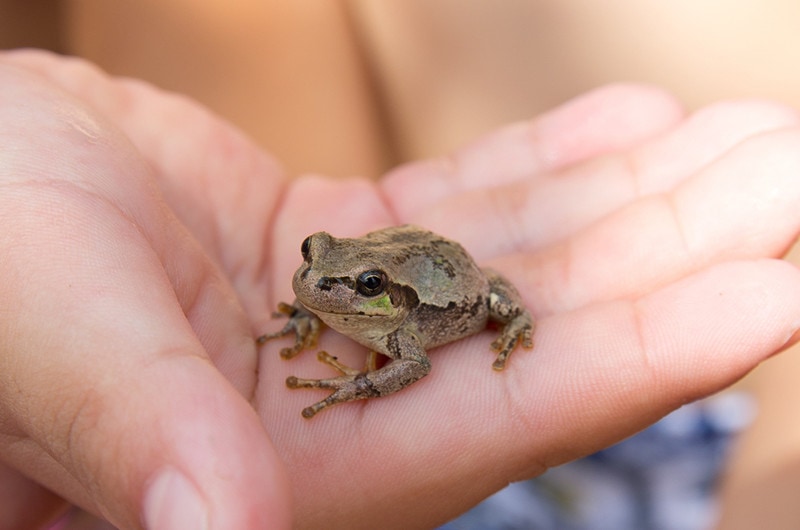
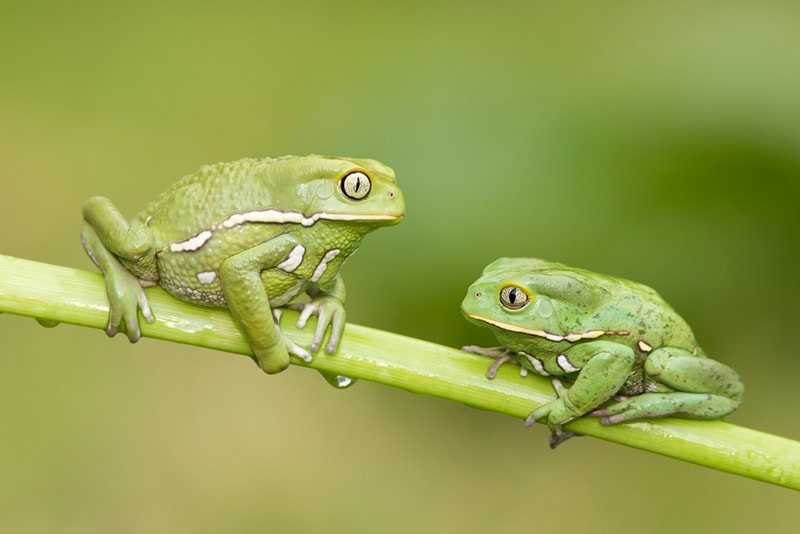
Waxy Monkey tree frogs are big amphibians and can reach up to 4 inches. To put this into perspective, the average Gray tree frog tends to be around 1.25 to 2.25 inches. On average, Waxy Monkey tree frogs will reach about 3 inches. Females tend to be 25% bigger than males. The bicolor Waxy Monkey tree frog is larger than their brighter green counterpart.
Varieties
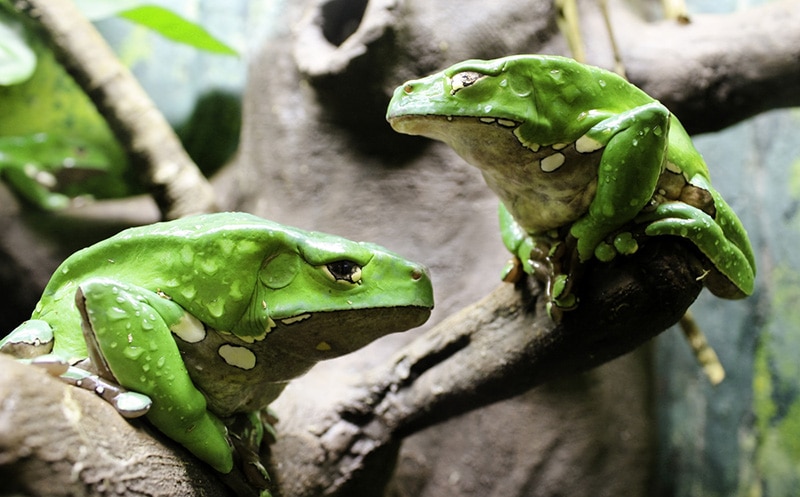
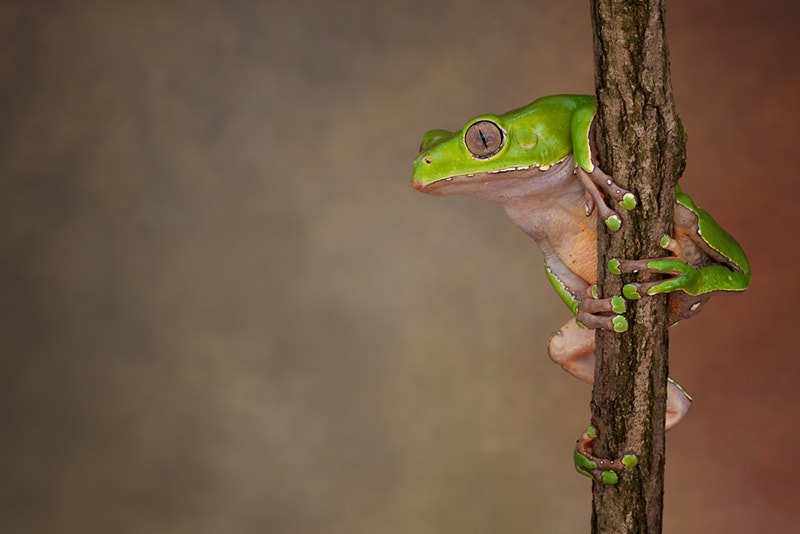
There are two types of Waxy Monkey tree frogs: the standard and bicolor. The standard is bright green with subtle cream markings on the belly and hands that appear as lines and spots. Some might have some markings around the mouth.
The second is bicolor, with bright green at the top of their bodies and hues of tan and brown on the bottom. This can be pretty eye-catching and makes the frog look like they’re cut in half! Apart from that, they are identical to standard varieties. They have prehensile hands, agile arms, bulbous eyes, and a wide mouth.
Lifespan and Health Conditions
The Waxy Monkey tree frog is relatively healthy and isn’t challenging to look after. Still, they are susceptible to some health problems, such as respiratory infections, bladder stones, skeletal conditions, and bacterial issues.
Generally, a respiratory infection is caused by incorrect humidity and temperature settings and can be avoided if you are vigilant about the environmental conditions of the tank. If your frog suffers from a respiratory problem, their throat lining will swell, and a bloody discharge will come from their nostrils.
Metabolic bone disease (MBD) can occur if your frog doesn’t have a suitable UVB light and can't absorb calcium. Their bones will then become weak, which is a problem, especially for Waxy Monkey tree frogs as they rely on their limbs so much to climb. Weak bones will result in deformities and breakages.
Male vs Female
Females are at least 25% bigger than their male counterparts. But, apart from size, there are no specific differences between the male and female Waxy Monkey tree frog.
3 Little-Known Facts About Waxy Monkey Tree Frog
1. They Lay Their Eggs in Trees
The Waxy Monkey tree frog lays their eggs on large leaves that overhang the water, and the tadpoles will then fall into the water to develop.
2. Their Secretions Contain Dermorphin
Dermorphin is a natural opioid that is 40 times stronger than morphine.
3. They Have Human-Like Hands
Waxy Monkey tree frogs are so good at climbing because they have opposable thumbs and long dexterous limbs that allow them to grab onto branches.
Final Thoughts
Waxy Monkey tree frogs are wonderful, fascinating amphibians, but they aren’t for every family. If the environmental conditions in their tank are unsuitable, they can get sick and die without treatment. They do better with experienced adults with the know-how to meet their needs, and children sometimes find them boring because they are most active at night. If this sounds like the pet for you, you’ll love the Waxy Monkey tree frog!
Sources
Featured Image Credit: Milan Zygmunt, Shutterstock
Get Hepper In Your Inbox


Pet care tips from our vets and experts, straight to your inbox.
You may opt-out at any time. View our Privacy Policy for more information.

Kerry-Ann lives in Scotland and wishes her garden was bigger so she could have her very own Highland cow. But her dogs probably wouldn’t like that very much. She has a La Chon called Harry who was poorly with a liver shunt when he was a puppy. It wasn't likely he would make it into adulthood, which was difficult, but he beat the odds and is a healthy old man now. She also has a Pug called Maddie who is a big foodie. She’s small, sassy, and every day she finds a new way to mess with her brother.
When she isn’t writing you can find Kerry-Ann going for long walks when the weather isn't bad, reading, or watching cartoons when she should be tidying her house. She would one day like to be a tourist in her own country and travel through the Highlands with her family.
Join the conversation
Ask a question, share your story, or send private feedback.